Ham Radio & DIY Electronics
Latest publications
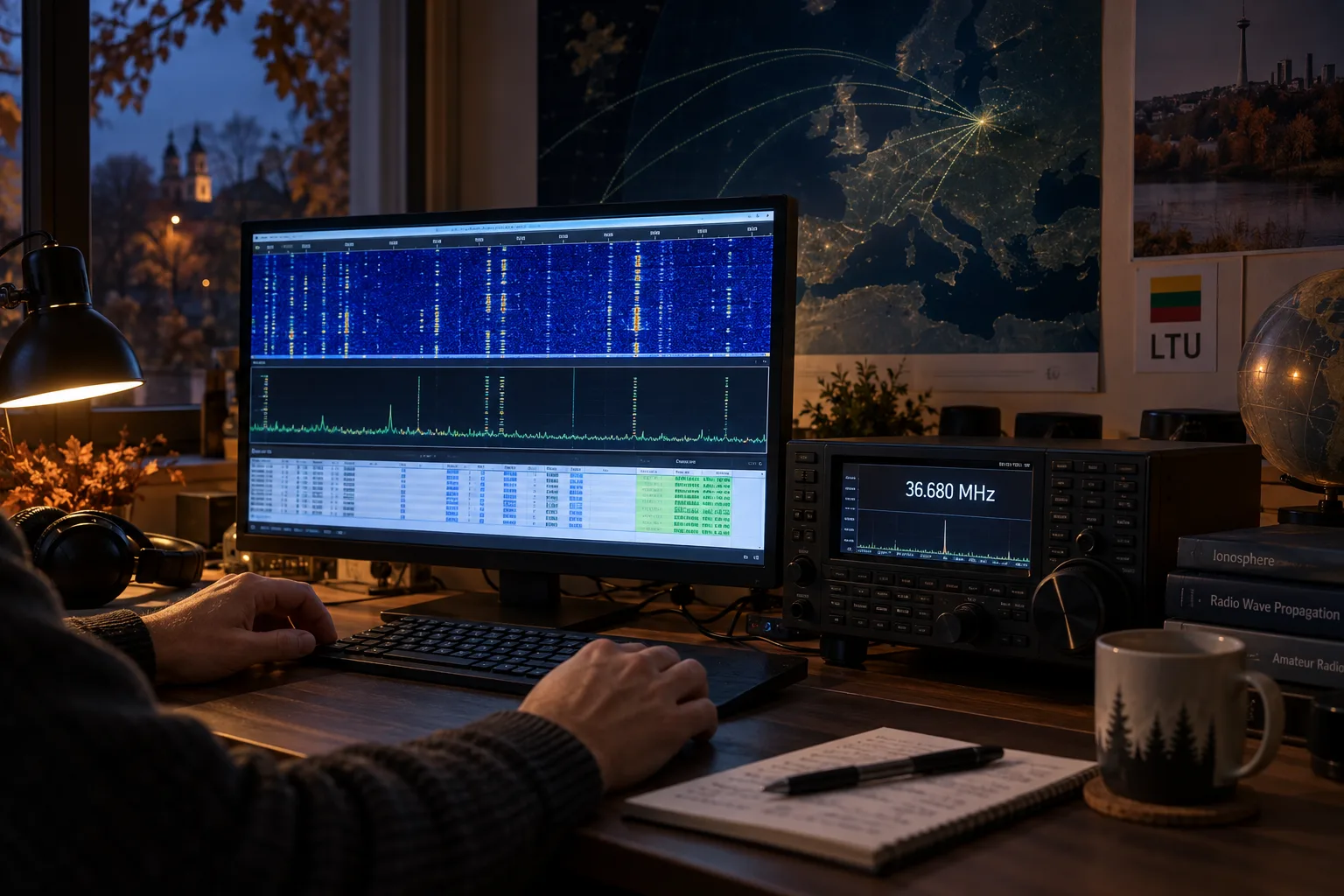
A 36.680 MHz FT8 Beacon Is Testing Autumn F2 Propagation: How to Listen, Log, and Interpret the Results
A 10-watt FT8 beacon in Lithuania will remain active through December 9 to test whether F2 propagation can reach 36 MHz. Here is a disciplined receive-only method for separating real openings from noise, decoder artifacts, and local interference.
October 6 HF Conditions: Turn NOAA’s Quiet-to-Unsettled Forecast into a Station Test Plan
NOAA’s October 6 forecast points to easing geomagnetic activity after a recent G1-level interval, but a forecast is not a verdict on your antenna. Use the changing Kp outlook to compare bands, paths, and receive noise in a log you can reuse.
The 2026 Collegiate QSO Party: A Practical Workflow for Bands, Modes, Exchanges, and Clean Logs
The Collegiate QSO Party runs through October 4 UTC. Here is a practical way to turn a short operating window into useful contacts without losing exchanges, mixing up modes, or creating a cleanup project afterward.
A Glancing CME Is Due on October 2: How HF Operators Can Test the Path Without Blaming the Antenna
NOAA’s October 2 outlook points to a possible G1 disturbance from the flank of a September 28 CME. Here is a disciplined way to use FT8, WSPR, band reports and your own logs to separate a changing ionosphere from a station problem.
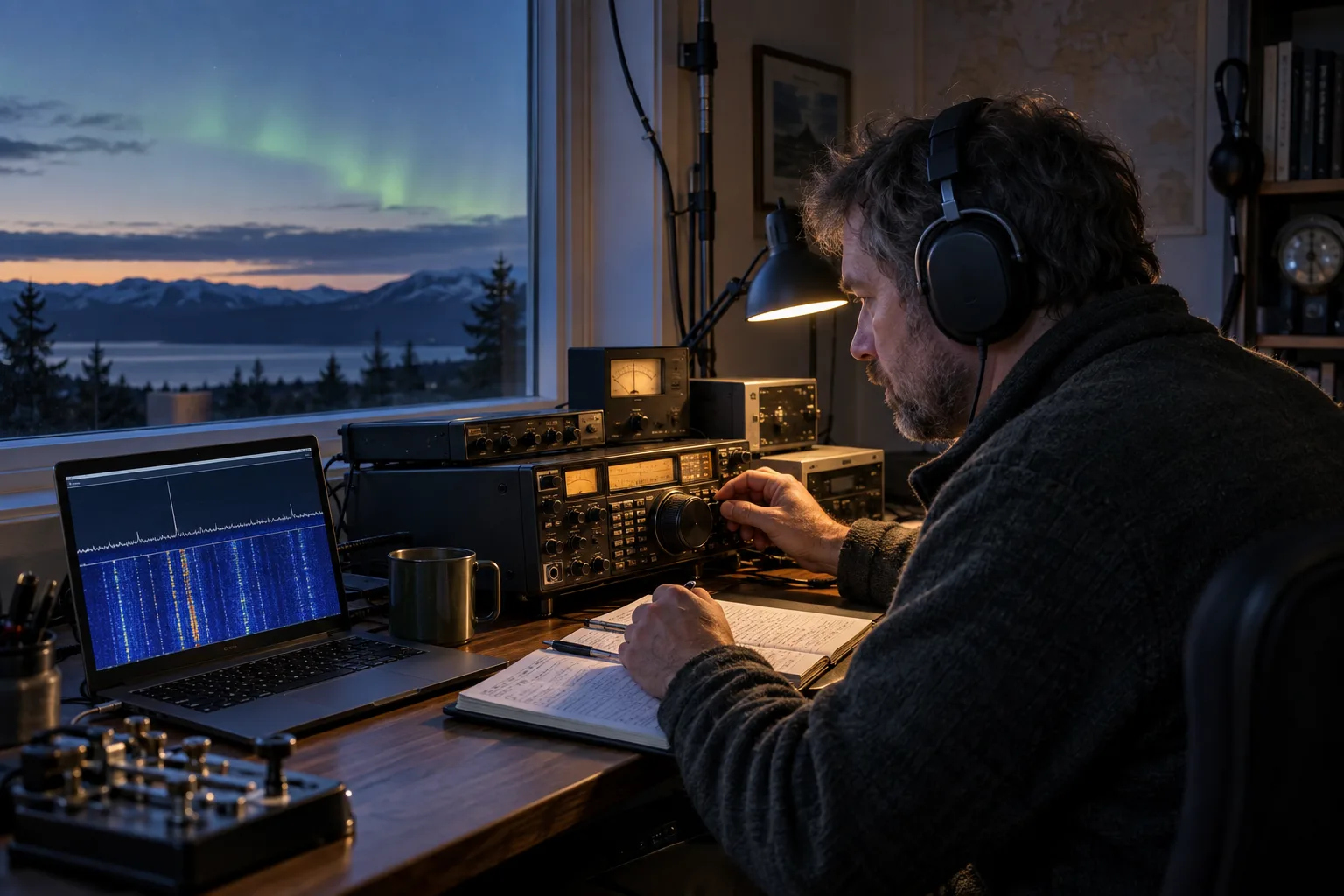
The 900 MHz LoRa Mesh Compliance Problem: What US Builders Should Check Before Transmitting
A late-September debate over Meshtastic and MeshCore defaults is really about which FCC authorization path a 902–928 MHz device uses. Here is the practical way to audit bandwidth, power, firmware, antennas and jurisdiction before putting a node on the air.
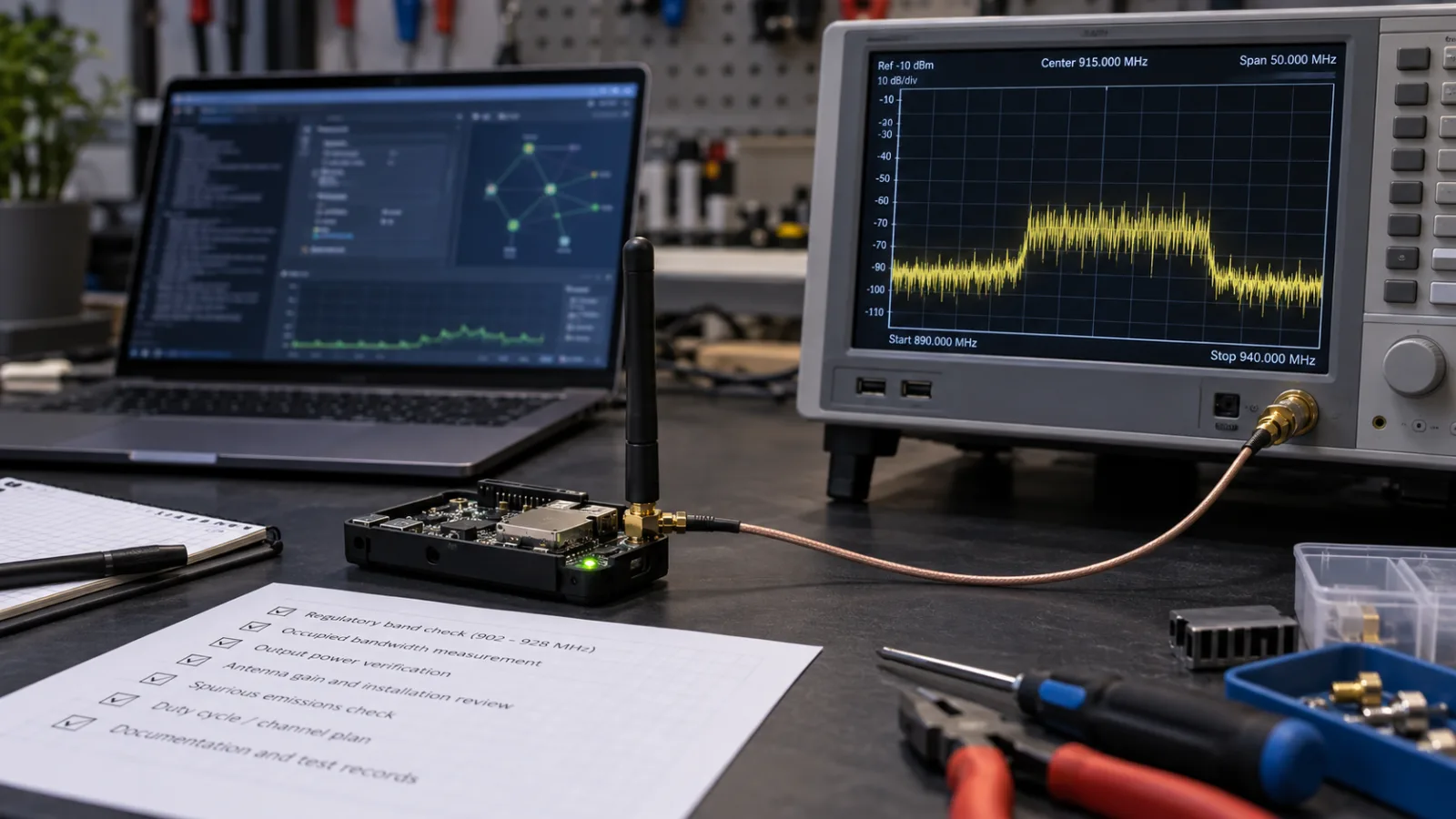
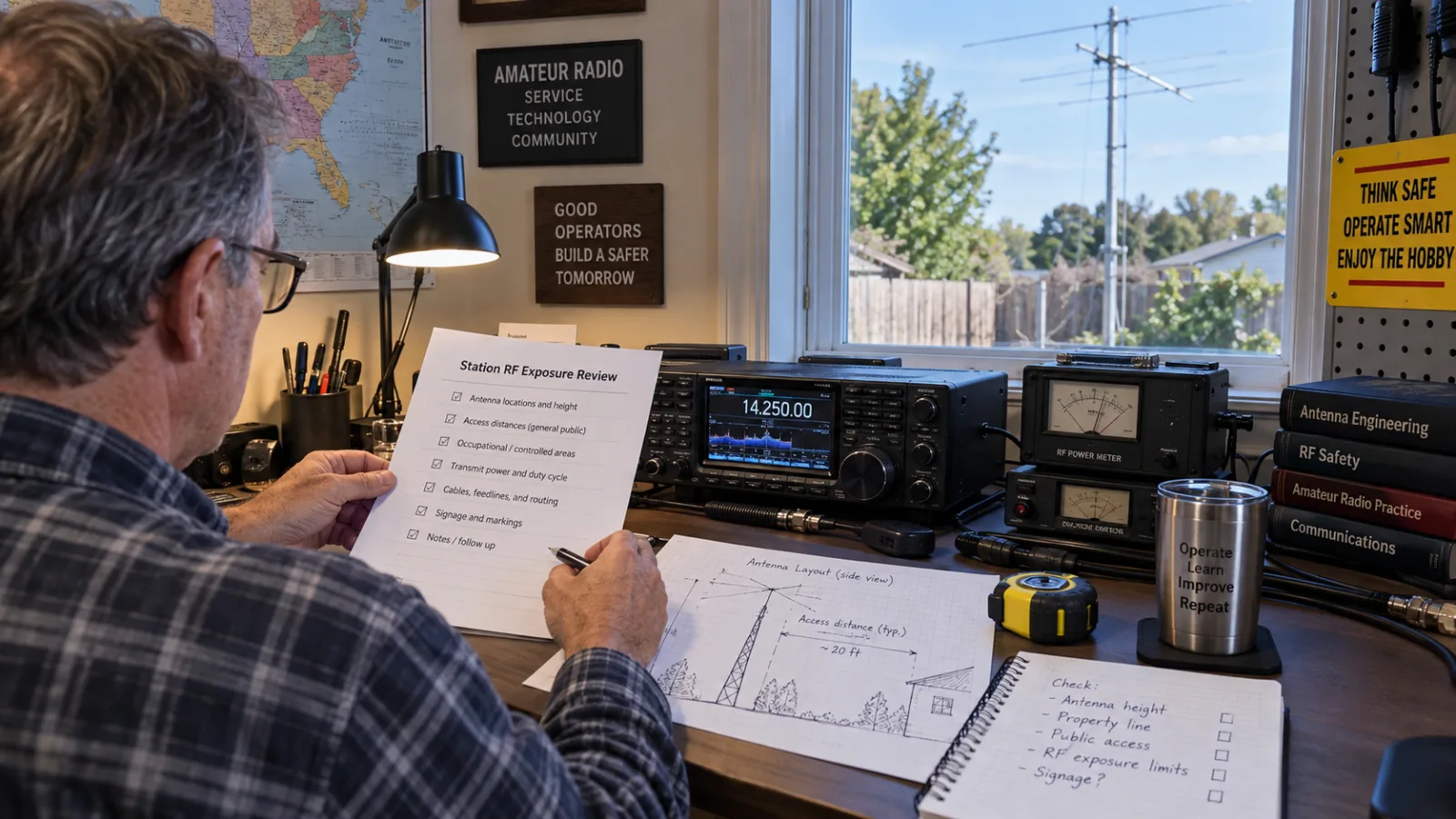
FCC and HHS Reopen RF-Exposure Questions: What Amateur Radio Operators Need to Do Now
Two U.S. proceedings opened in September 2026 could eventually change how radio-frequency exposure is evaluated. They do not change amateur-radio rules today, but they make a documented station review more useful than speculation.
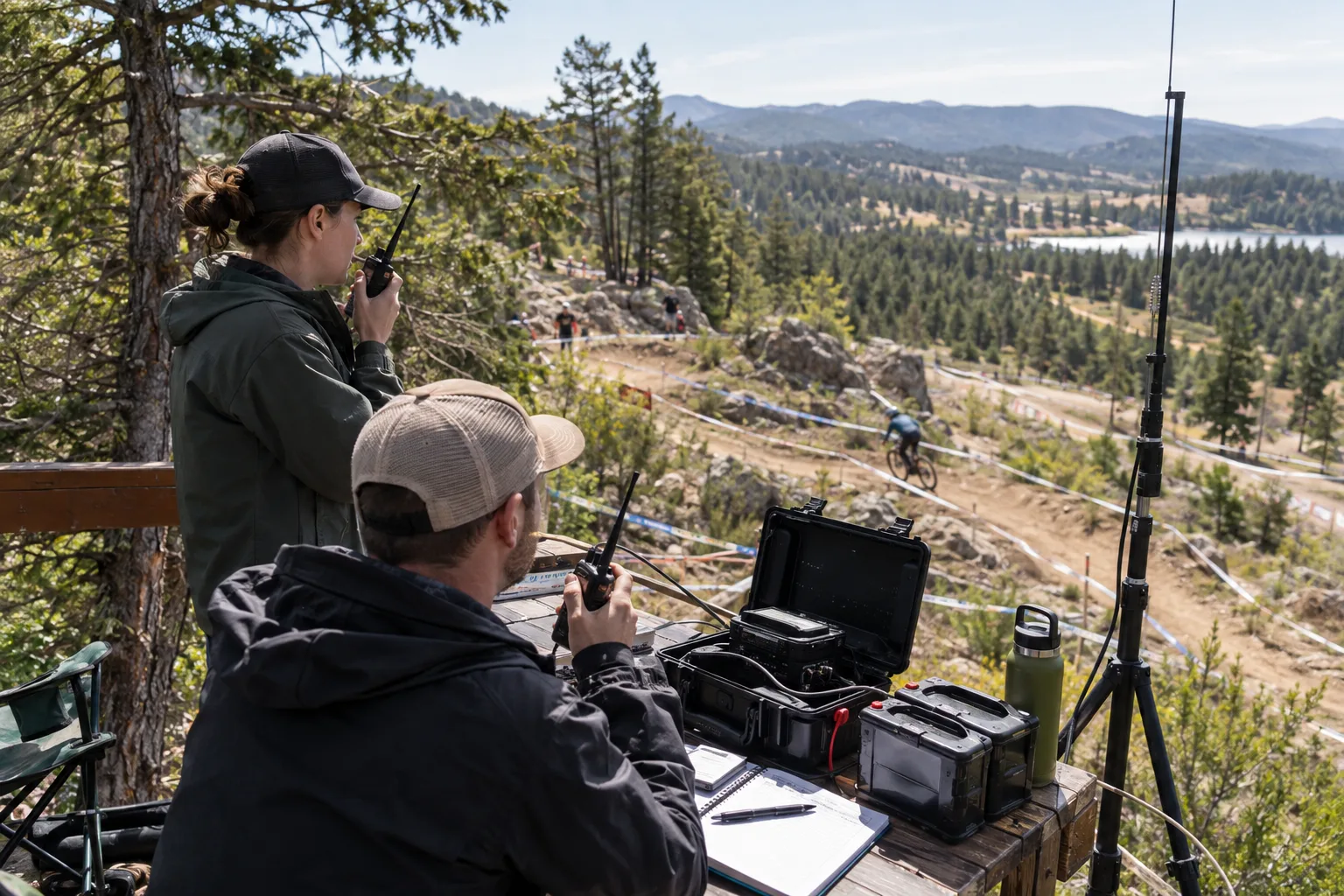
Battery-First Radio Planning for Outdoor Events: What a Mountain Bike Course Teaches Operators
A recent Maryland cycling event shows why reliable field communications begin with terrain, staffing, power and message discipline—not simply choosing a handheld. Here is a practical way to design and test a small event network.
The FCC’s D2D Satellite Proposal Is a Mesh and Microwave Issue, Not Just a Phone Story
The FCC’s new D2D satellite NPRM focuses on 2.4 and 5.8 GHz Part 15 operation. For hams, mesh builders and microwave experimenters, the useful response is measured data, not panic.
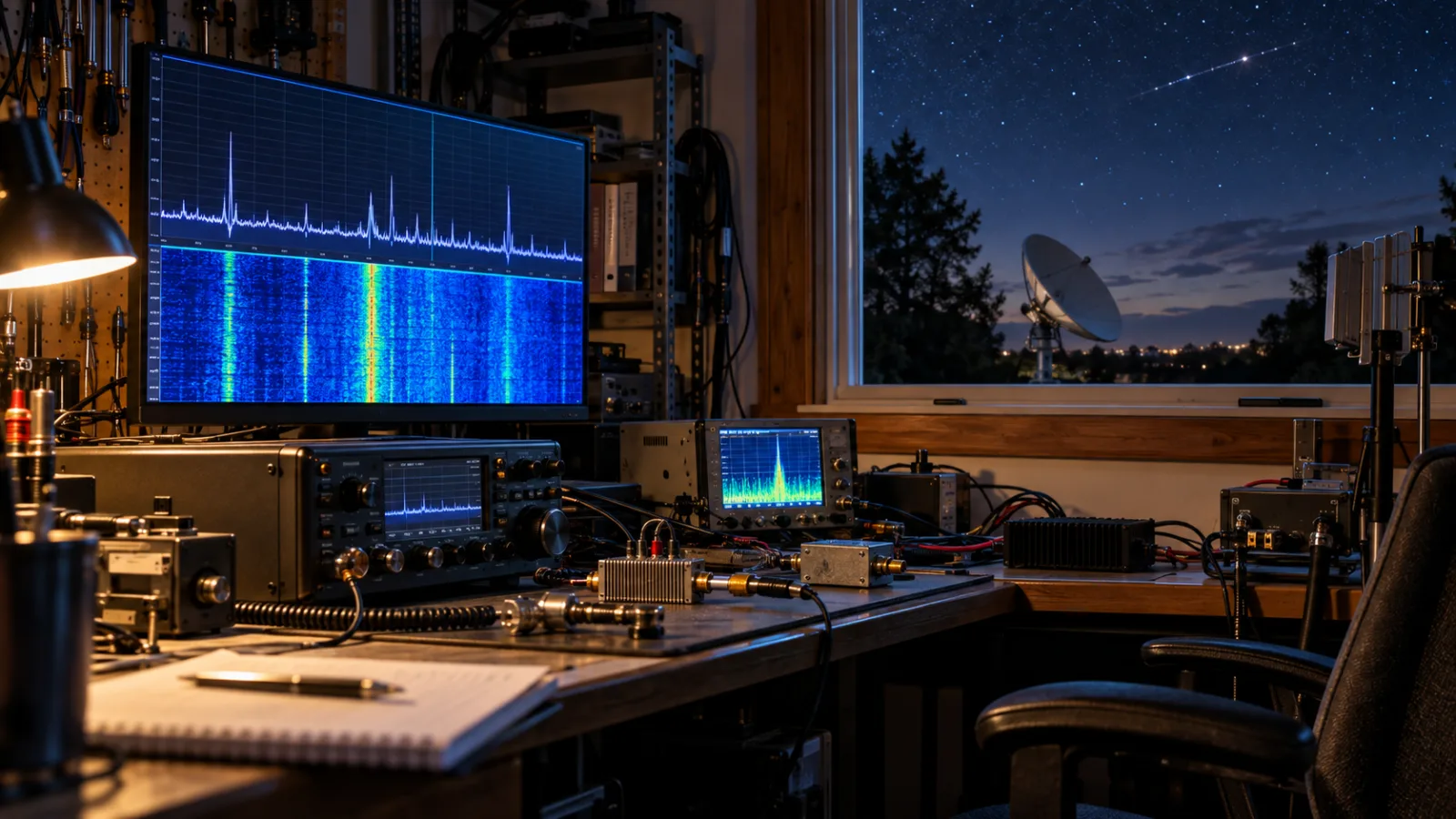
ORARI’s September EMCOMM activation: how to build a disciplined receive station for 7.110 MHz, JS8Call and satellite watch
Indonesia’s ORARI has asked amateurs to support a 11–24 September emergency-communications operation. Here is how to monitor the announced channels responsibly, separate useful traffic from noise, and prepare a receive-first station without creating interference.
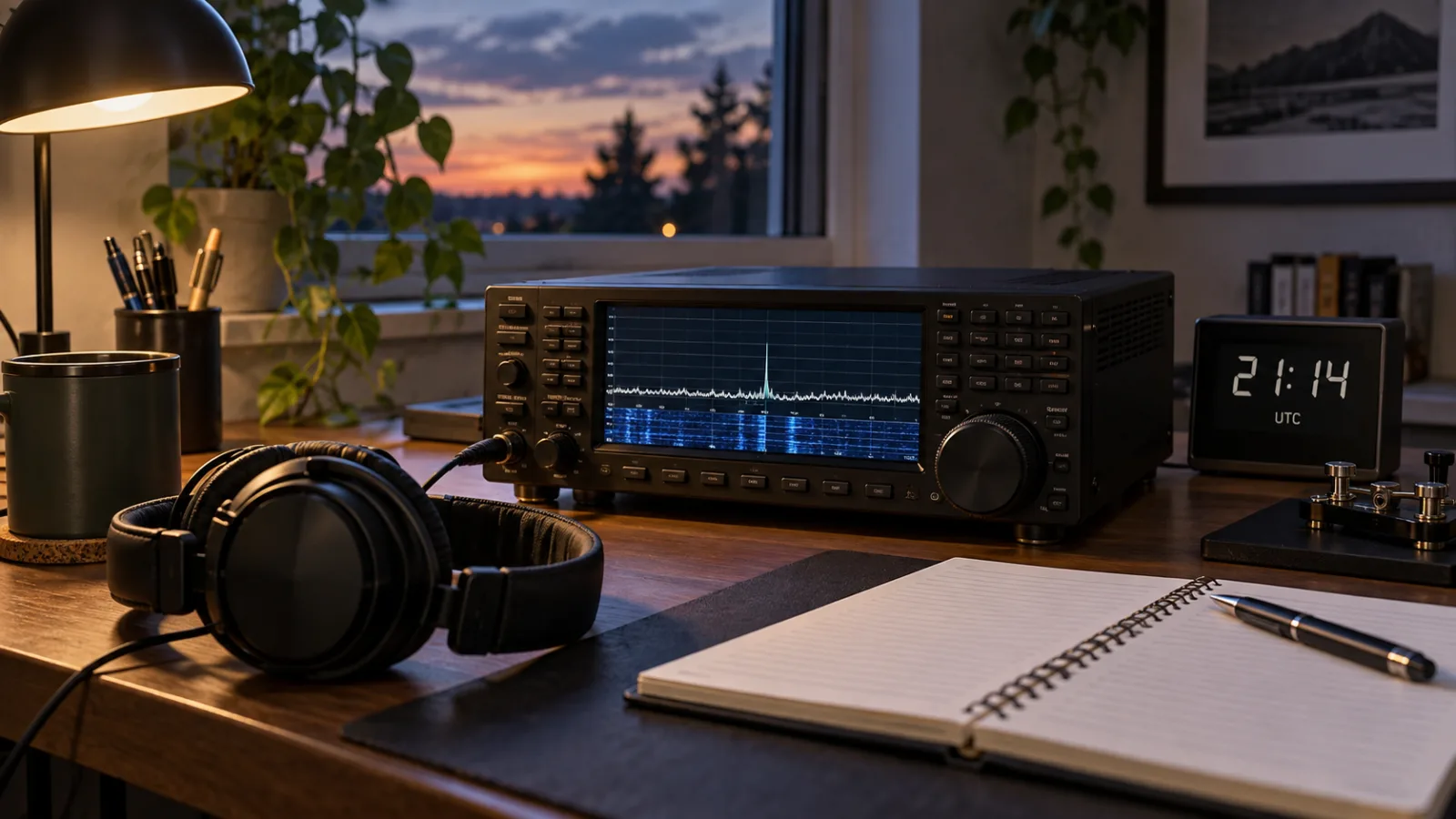
Activate All RI 2026: a practical plan for chasing or activating all 61 Rhode Island parks
Rhode Island’s Activate All RI weekend runs September 11–13, 2026. Here is how to use the schedule, live spots, portable station, band changes and ADIF logging workflow without treating a planned activation as a guaranteed contact.
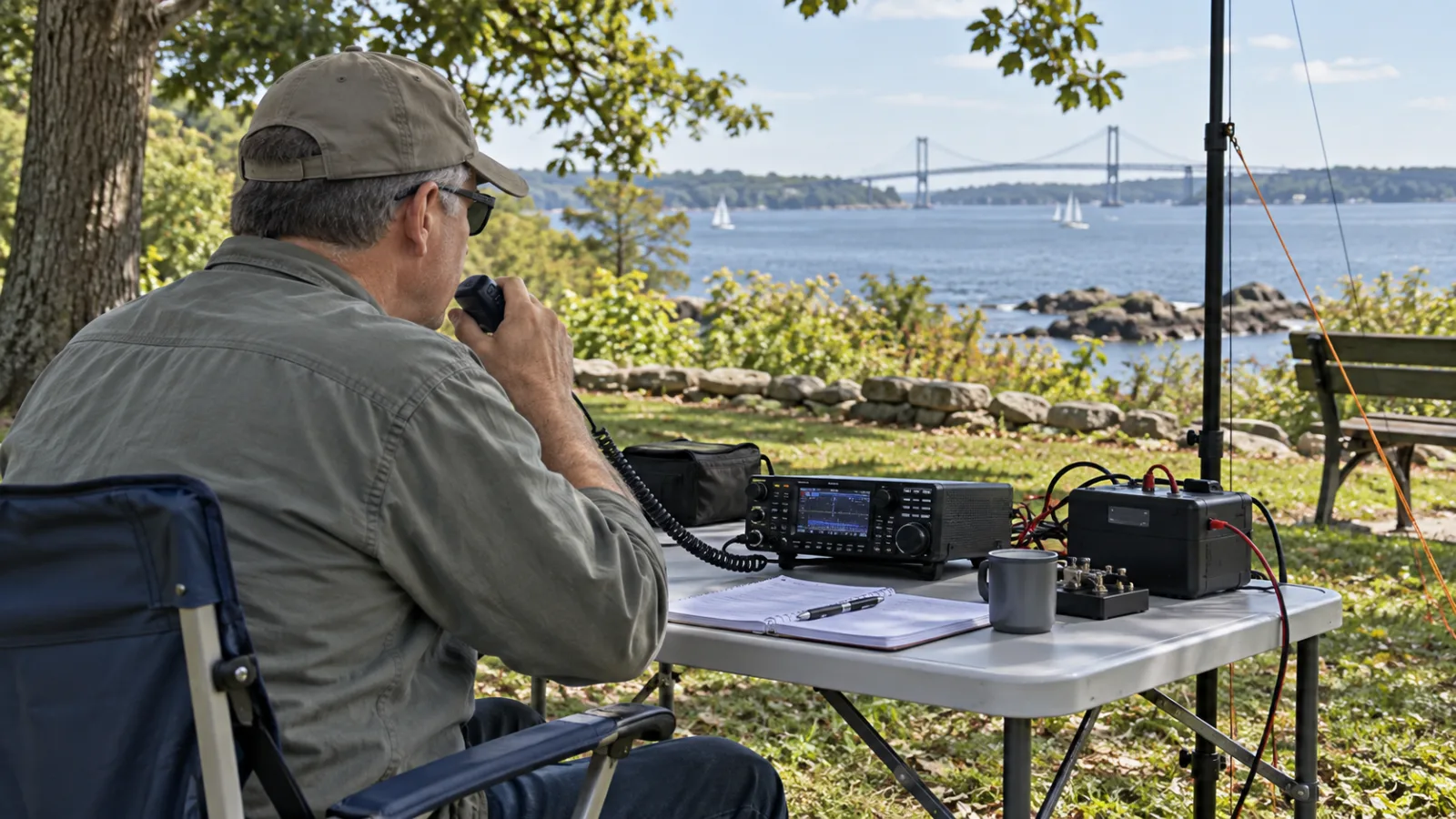
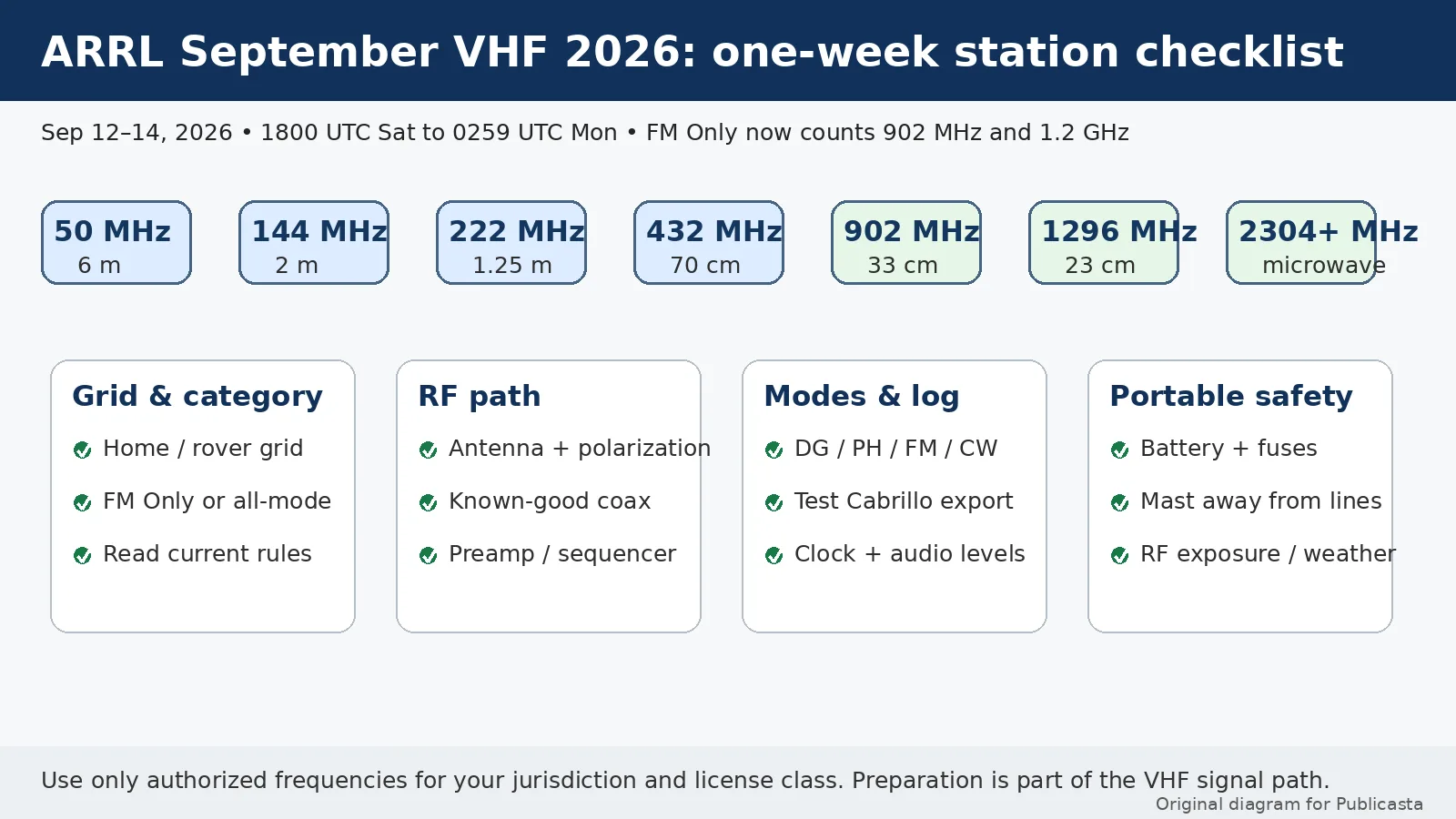
ARRL September VHF 2026: prep bands, grids and logs before contest weekend
A practical one-week station checklist for the September VHF Contest, including the FM Only 902 MHz and 1.2 GHz scoring change.
APRS and SSTV from a balloon: a receive-station checklist before the next club launch
A recent Kopernik Observatory balloon request is a useful reminder: clean VHF audio, correct mode settings, UTC logs and receive-first discipline matter more than expensive gear.