Chronalis: A New Vision for Healing Refugees Through AI, Virtual Reality, and Solar Technology
What if we could bring hope, healing, education, and opportunity to people living in the middle of the world's most devastating humanitarian crises?
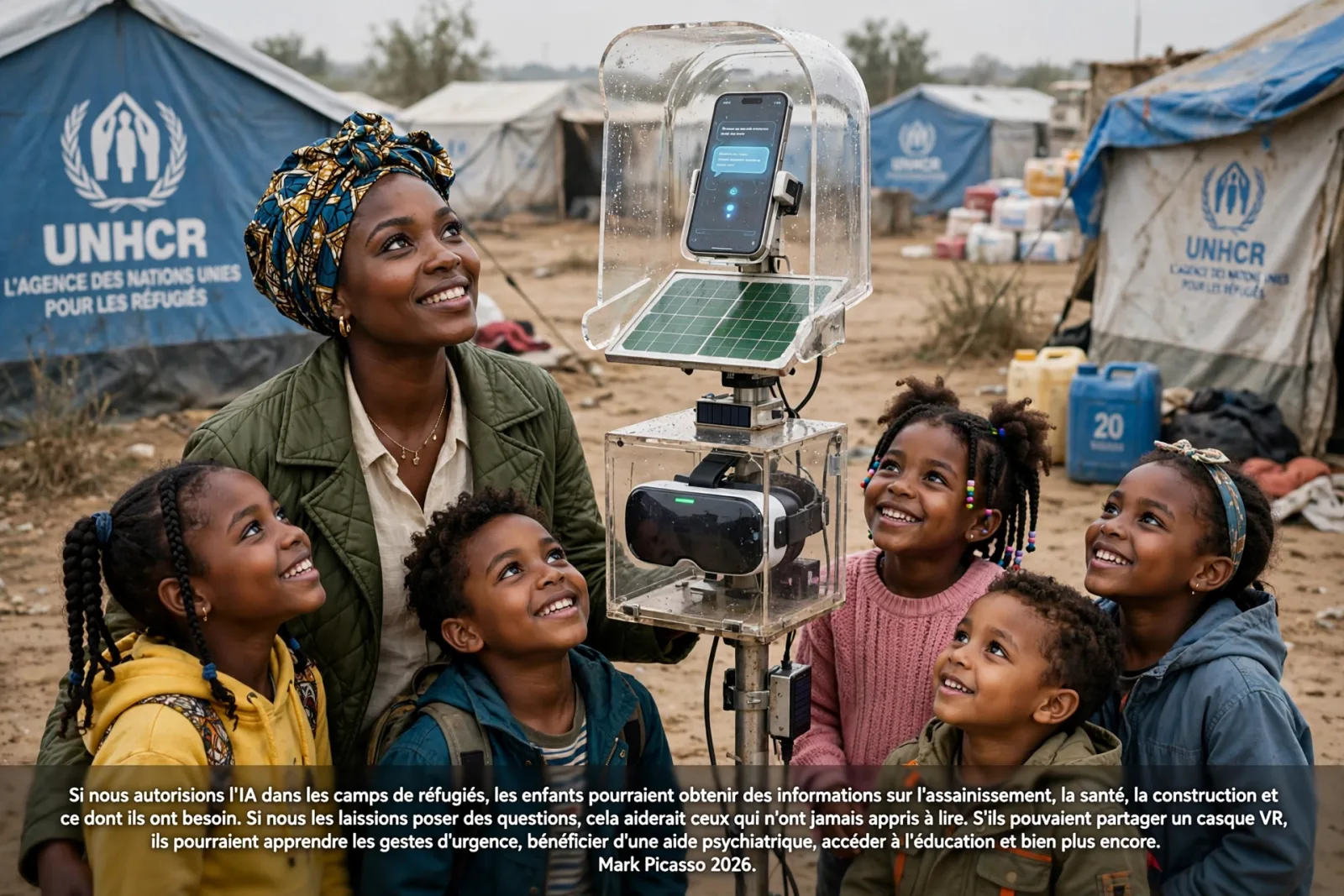
Chronalis, a nonprofit Pinterest-based platform sharing free business innovations, reaches nearly 100,000 followers and generates more than 300,000 impressions each month. Now, Chronalis is proposing a new approach to helping refugees: a weather-resistant, solar-powered system combining Artificial Intelligence (AI), Virtual Reality (VR), and other emerging technologies to bring life-changing resources directly to displaced communities.
AI That Speaks to Everyone, Even Those Who Cannot Read
Imagine a solar-powered AI system that can operate in remote locations, withstand difficult weather conditions, and be accessed entirely through voice commands.
For people who cannot read, language and literacy should never be barriers to survival.
Refugees could simply speak to the system and ask questions about sanitation, safe food and water sources, heating their living spaces, holistic wellness resources, and countless other everyday challenges.
Rather than having to navigate complicated written instructions or depend on someone else for basic information, people could have access to answers through a simple conversation.
Knowledge could become available to everyone, regardless of their education, circumstances, or ability to read.
Virtual Reality: Bringing Psychological Support and Hope to Those Who Need It Most
But the possibilities go much further.
A shared Virtual Reality headset could provide access to supportive, professionally developed psychological resources for people experiencing grief, anxiety, trauma, and PTSD.
Imagine a child who has lost their parents being able to access a comforting, carefully designed virtual experience. Imagine someone who has witnessed unimaginable suffering finding a safe environment to begin processing their grief.
These systems could also provide educational experiences for children, including emergency preparedness, basic safety, and interactive learning.
Instead of requiring expensive individual equipment, one VR system could serve an entire community, potentially creating enormous cost savings while expanding access to resources that might otherwise be unavailable.
Technology cannot replace human compassion, professional mental health care, or the love and support of a community. But it can help bring those resources within reach of people who desperately need them.
Preparing for the Future of Medical Care
Chronalis also envisions a future in which advanced robotics and Virtual Reality could help expand access to medical expertise in war zones and other areas where qualified surgeons cannot safely travel.
For example, appropriately designed robotic medical systems could eventually allow qualified surgeons in peaceful countries to assist with procedures remotely, subject to the necessary connectivity, safety, clinical validation, and regulatory safeguards.
Today's systems could begin collecting safe, non-sensitive operational and environmental information that helps researchers understand what future humanitarian medical technologies may need.
The goal is not to develop anything that could cause harm. It is to help lay the groundwork for technologies that could save lives.
Economic Opportunity: Helping Refugees Support Their Families
These systems could also incorporate Print-on-Demand businesses and other accessible online economic opportunities.
Imagine refugees being able to participate in a digital marketplace, learn new skills, access business opportunities, and potentially earn income to help feed their families.
With appropriate safeguards, an automated system could help people navigate these opportunities without requiring advanced technical knowledge.
The vision is to move beyond simply providing temporary assistance and begin creating pathways toward independence, dignity, and economic stability.
Emergency Resources and Even Small Sources of Income
The systems could also provide centralized access to important humanitarian information, including emergency telephone numbers, relief organizations, medical resources, and local assistance programs.
Another possibility worth exploring is decentralized computing through platforms such as Acurast, which allow people to contribute computing resources from their phones.
Under an appropriate, transparent, and locally available program, participating phone owners might receive small payments for contributing computing capacity.
Even a few cents could make a difference in circumstances where families are struggling to afford basic necessities. The possibility of earning enough to purchase food, such as a bag of rice, represents an opportunity worth investigating.
The Healing Potential Is Enormous
Consider what we are really talking about.
A single solar-powered system could potentially become a source of education, psychological support, practical knowledge, economic opportunity, emergency information, and access to medical innovation.
One community. One shared system. Countless possibilities.
And perhaps most importantly, these technologies could help restore something that displacement and war so often take away: the feeling that tomorrow might be better than today.
This Is Only the Beginning
The same infrastructure could eventually be adapted for disaster-relief operations, remote villages, underserved schools, emergency shelters, mobile medical clinics, and communities recovering from natural disasters.
Future applications could include language translation, agricultural education, vocational training, telemedicine, assistive technologies for people with disabilities, and locally operated community businesses.
We should not wait until the next humanitarian catastrophe to begin imagining and developing these solutions.
Please share this vision. Talk about it. Bring it to the attention of humanitarian organizations, technology innovators, philanthropists, engineers, and anyone who has the ability to help make it real.
We need people to start asking: Why aren't we building these systems now?
Somewhere, a child is growing up without parents. Somewhere, a mother is wondering how she will feed her children tomorrow. Somewhere, a family is trying to rebuild a life after losing nearly everything.
We may not be able to undo what has happened to them.
But perhaps we can help change what happens next.
Let's use the best of human innovation to bring hope to those who need it most.
Kids depend on us. And the future is waiting for us to act.
With Grace,
Mark Picasso, MPA
Related articles
Can GPS Really Bring a Modern Society over $200,000,000 ARR?
Chronalis, an online company that offers free business ideas and innovations to anyone who requests them, suggests that equipping all vehicles with GPS could help locate missing children during AMBER Alerts while bringing in millions per year.

Can Prompting AI Correctly Make You Rich?
What if we merely prompted AI to teach us what treasures have been found near our homes?

The $380 Billion Opportunity: Turning America's Food Waste Into Economic Opportunity and Humanitarian Support
It is that simple, lol 😆
Comments
Sign in to comment.
No comments yet.