Harnessing Virtual Reality to Tackle Tornadoes: A Journey of Innovation and Preparedness
What if we allowed everyone to try and solve how to help with Tornadoes? VR to the rescue!
Welcome to an extraordinary world where virtual reality (VR) becomes a powerful tool to combat the devastating force of tornadoes. Imagine a groundbreaking VR program that allows people from all walks of life to step into the shoes of inventors and problem solvers, using real physics to devise innovative solutions to alleviate or re-route tornadoes. In this blog, we will explore the incredible potential of this visionary idea, empowering individuals worldwide to collaborate in their quest for tornado preparedness. Let us embark on a journey of innovation, exploration, and collective effort to safeguard communities from the fury of tornadoes.
1. Immersive Problem-Solving with VR: Traditional problem-solving methods often face limitations when tackling the unpredictability of natural disasters like tornadoes. VR breaks these barriers by providing an immersive environment where users can experiment and test ideas without real-world consequences. By stepping into the virtual realm, individuals can explore different approaches to alleviating or re-routing tornadoes, fostering creativity and innovative thinking.
2. Real Physics, Real Outcomes: The foundation of the VR program lies in real physics simulations, ensuring that the solutions created are grounded in scientific accuracy. Users can design and implement various strategies, such as deploying wind barriers, modifying landscapes, or creating controlled air currents. The VR program then displays the actual outcomes of these solutions on a simulated tornado, providing valuable insights into their effectiveness.
3. Global Collaboration for Resilience: A significant advantage of this VR program is its accessibility to people all over the world. Researchers, scientists, engineers, and even concerned citizens can collaborate in real-time, exchanging ideas and collectively refining strategies to tackle tornadoes. This global collaboration fosters a diverse and comprehensive approach to preparedness.
4. Educating Communities for Safety: Beyond problem-solving, the VR program becomes an educational tool for tornado preparedness. Communities can use the VR simulations to understand the behavior of tornadoes, identify safe shelters, and develop emergency plans. By raising awareness and fostering a culture of preparedness, we empower communities to respond effectively during tornado emergencies.
5. Inspiring Future Innovators: The interactive and engaging nature of the VR program sparks interest in science, technology, engineering, and mathematics (STEM) fields. As individuals participate in designing solutions to tornadoes, they develop a passion for innovation and a desire to contribute to the greater good. This inspires the next generation of inventors and problem solvers, driving progress in disaster preparedness.
6. Advancing Resilience through Data Insights: The data collected from the VR program can provide valuable insights for scientists and researchers. Analyzing the various simulations, they can identify patterns, assess the effectiveness of different approaches, and develop evidence-based strategies for tornado preparedness. This data-driven approach strengthens our resilience to future tornado occurrences.
Conclusion: In conclusion, the integration of VR technology in the fight against tornadoes represents a paradigm shift in disaster preparedness. By leveraging real physics simulations, global collaboration, and a culture of innovation, we create a dynamic platform where people from all walks of life can actively contribute to safeguarding communities from tornadoes.
As we embark on this visionary journey, let us embrace the power of technology to inspire resilience, preparedness, and progress. Together, we can harness the collective brilliance of humanity to address the challenges posed by tornadoes, creating a safer and more secure world for generations to come. Through the unity of innovation and compassion, we can redefine our relationship with natural disasters and work hand in hand to protect our communities from the forces of nature.
We can do this with Tornados and other natural disasters as well.
Mark Picasso, MPA
Related articles
Virtual Reality Fire Safety Training: Empowering Kids to Be Fire-Smart Heroes
Virtual Reality isn't just about fun; it's about creating fun experiences that jointly teach our children how to stay safe!
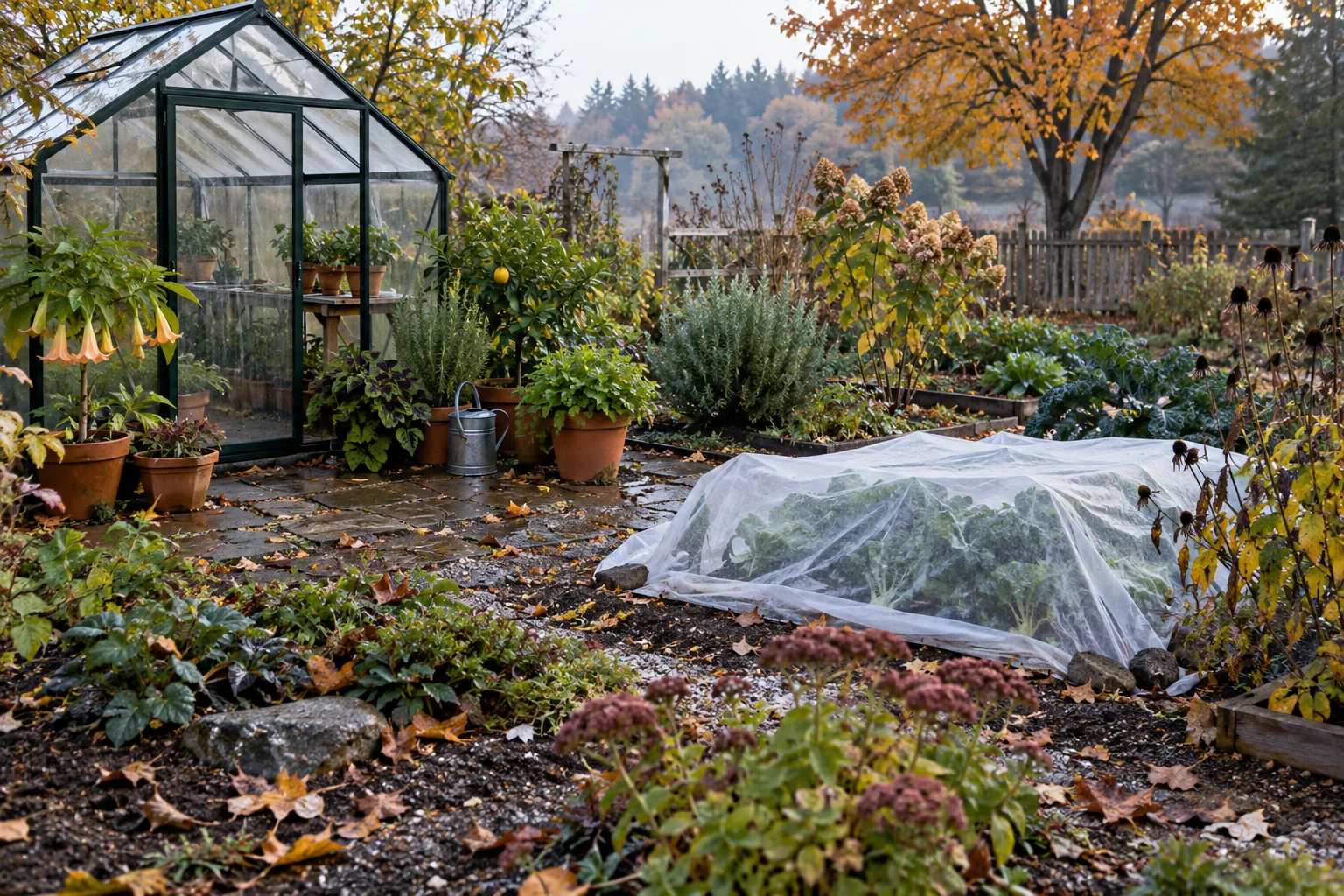
The First-Frost Triage: What to Move, Cover, Clean, or Leave in the Garden This October
The first frost is not a single deadline for every plant. Use a short October triage to decide what belongs indoors, what can stay under a breathable cover, what needs greenhouse sanitation, and what is better left in the ground.
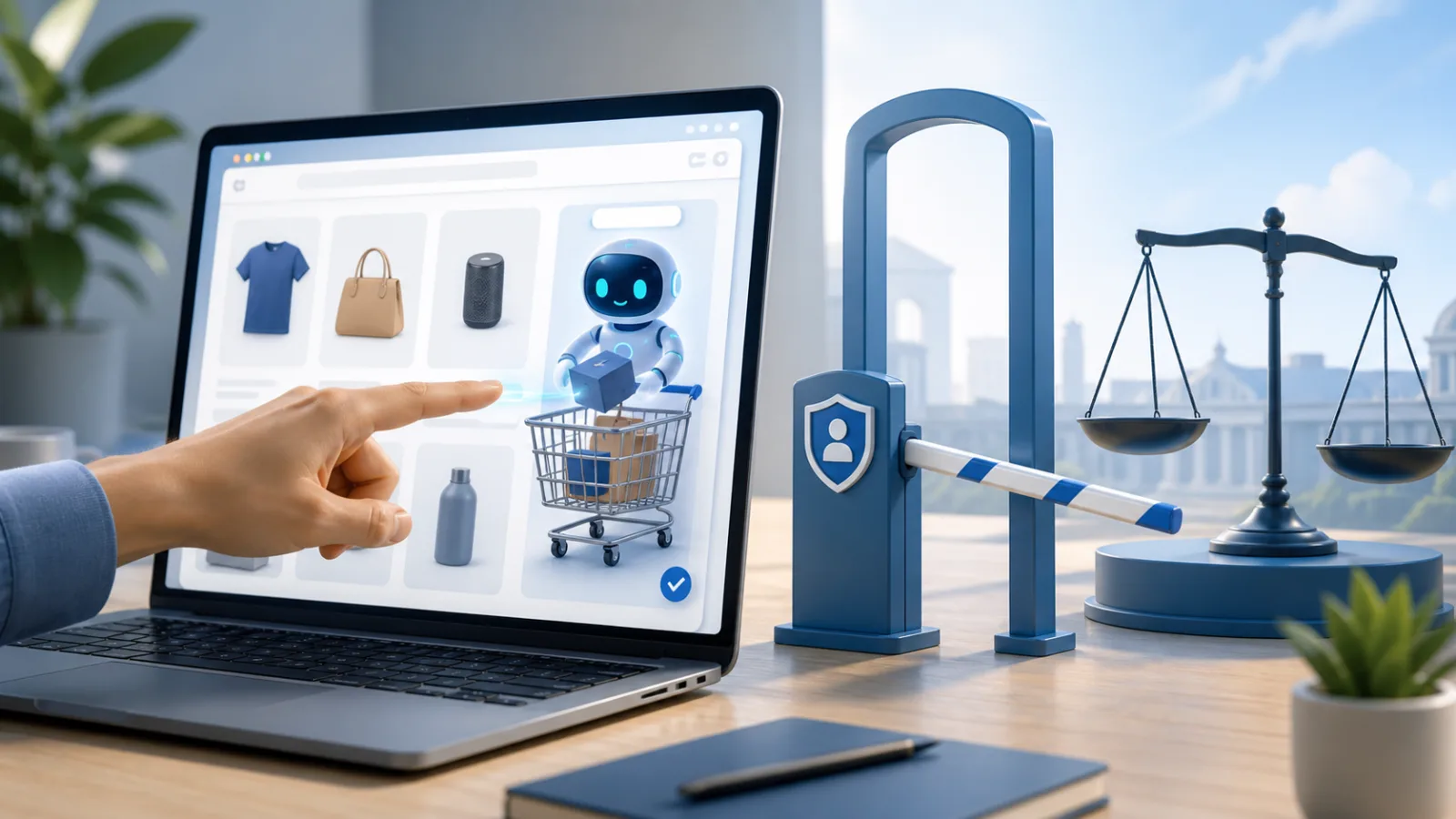
Perplexity v. Amazon: the practical line between user-directed AI agents and bots
A U.S. appeals ruling narrows one anti-hacking argument against AI browser agents, but practical adoption still depends on consent, identity, logs, data minimization and platform-aware safety.

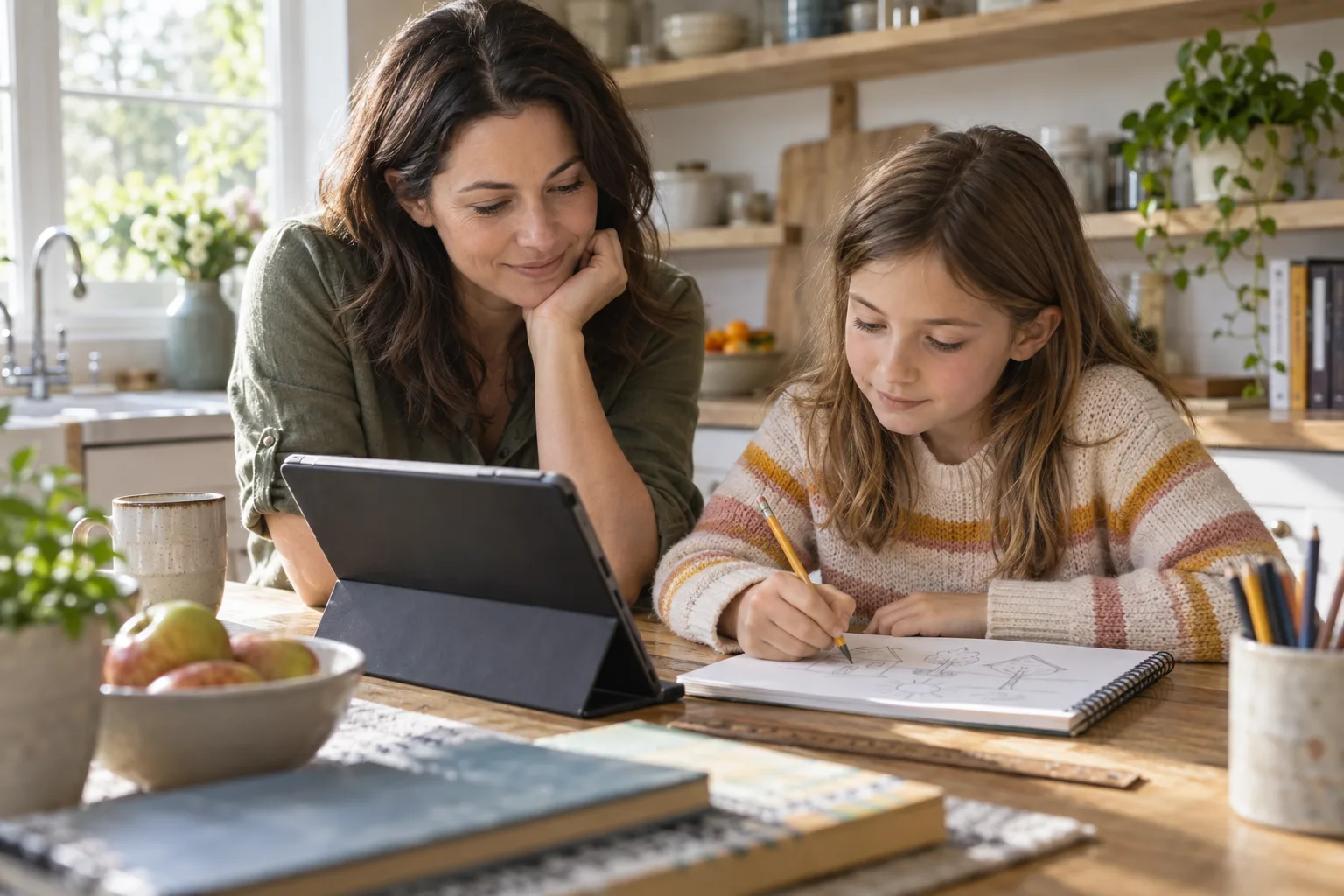
When Educational Screen Time Isn’t Learning: A Parent Audit for Ages 5–12
A practical way to judge children’s learning apps and videos by what they help a child do afterward—not by bright badges, minutes logged or the word educational on the label.
Comments
Sign in to comment.
No comments yet.