The Healing Potential of Virtual Reality: A New Frontier for the Human Mind
With Virtual Reality can we create unlimited free healing spaces for anything dealing with thoughts and emotions?
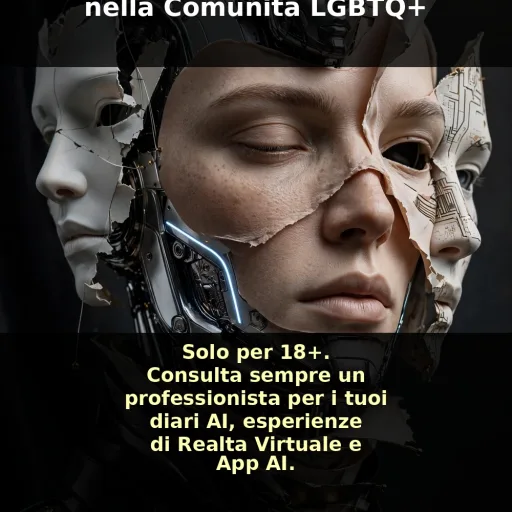
There are so many things, both emotionally and cognitively (in our thoughts), that may be addressed, explored, and potentially healed with the help of Virtual Reality (VR).
It's easier than many people realize to create a 3D experience using websites like Spline, or even by creating your own environments with free art programs available through VR headsets. This is a quick overview of what we can create and the possibilities that lie ahead.
With that said, people without experience can make VR experiences that negatively affect people. So, always get your ideas checked by a professional. This is for 18 and over only. This message is not a recommendation to create your own without the help of a professional. There are safety issues within each category and expertise to help.
Healing the Mind and Emotions... The Article is Not Very Long and Can Change Your Life
We can develop Virtual Reality experiences to help people work through:
- Loss of life and grief.
- Suicidal despair and suicidal thoughts.
- False memories, inaccurate beliefs, and distressing interpretations of past events.
- Schizophrenia and the challenges associated with it.
- Irrational fears and phobias.
- Postpartum depression.
- Trauma from domestic violence and abuse.
- Childhood trauma and molestation.
- People who were molested and are trying to heal from what happened to them.
- People who molested others and have grown up, and who may need help developing accountability, healthier thought patterns, and behaviors that prevent further harm.
- War trauma and the emotional effects of surviving violence.
- Regret, guilt, shame, and difficult decisions.
- Audible Voices, healing LGBTQ and also healing African American Persecution
- Albinism empowerment
- And so much more.
These experiences could help people explore their thoughts, practice adaptive thinking, develop new coping strategies, and learn to respond differently to difficult emotions.
Helping Survivors of Domestic Violence in Secret
The future could allow victims of domestic violence to use VR experiences that teach adaptive thought strategies and emotional coping skills discreetly.
Imagine a survivor using a VR headset to access a healing experience without an abusive partner knowing what they are doing. If the headset were suddenly removed, the experience could switch to a game or another ordinary-looking application so that the abuser would not immediately realize the person had been engaging in a healing activity.
This would require careful technical and safety design, but the concept is worth exploring. Survivors deserve access to resources that respect their privacy and help them regain a sense of control over their lives.
Helping Suicidal Children Learn Adaptive Thinking
I created a VR experience intended to help suicidal children learn adaptivity.
The idea is to help children explore alternative ways of thinking, recognize that painful thoughts and feelings can change, and learn new ways to respond when life feels overwhelming.
Virtual Reality can give us opportunities to create interactive environments where children can practice different responses and experience possibilities beyond the thoughts that may be hurting them.
Imagine what we could develop if we continued building on this idea.
Helping People Process Decisions They Regret
We can also help people who have made decisions they later regret.
For example, while I am neither for nor against abortion, I am a healer at heart. Some people may feel comfortable with their abortion decision at the time but experience grief, sadness, or other difficult emotions afterward.
We could create VR experiences for people who want to process those feelings, explore their thoughts, and work toward emotional peace without judgment.
The purpose would not be to tell people what they should believe or how they should feel. It would be to help them work through their own experiences.
We can apply this same idea to many other decisions and life circumstances that people struggle with long after the event has passed.
Refugees, Emergency Response, and War Zones
The future of VR could also allow us to teach refugees how to perform emergency response techniques in realistic virtual environments.
People could practice responding to emergencies before they encounter those situations in real life.
We could also develop systems that allow medical professionals in countries outside war zones to assist with medical training, surgical preparation, and, as technology advances, potentially remote surgical procedures in areas affected by war.
Virtual Reality could help people train, prepare, and collaborate across geographical boundaries, potentially making specialized knowledge and expertise more accessible when they are needed most.
Sexuality, Intimacy, and Human Connection
We can even create VR experiences involving sexual intimacy for seniors, helping older adults explore sexuality and connection in ways that suit their needs and circumstances.
We could create experiences that allow incarcerated people to experience intimacy with consenting loved ones outside of prison, subject to appropriate legal and institutional considerations.
We could create sexual and intimate experiences for people in wheelchairs or others whose physical circumstances make certain forms of sexual activity difficult or inaccessible.
We could also create VR experiences that allow people who use wheelchairs to visit dance clubs, participate in social events, dance, and experience environments that may be difficult to access physically.
These ideas are about expanding possibilities for intimacy, recreation, accessibility, and human connection.
Substance Use and the Subconscious Mind
We could create Virtual Reality experiences for people who use drugs that help them explore their thoughts and emotional patterns while experiencing drug-related states, where safe and clinically appropriate.
For example, we could investigate whether guided experiences might help people recognize the thoughts, feelings, and triggers associated with substance use and practice remembering why they want to stop.
The goal would be to develop experiences that help people recognize their own motivations for change and strengthen their ability to respond differently to cravings and triggers.
We could also explore how immersive experiences might help people recognize subconscious or automatic thought patterns and develop healthier responses. These concepts would need careful research and safety oversight, especially when considering experiences involving intoxication.
Eating, Weight, and Thought Patterns
We could also create VR experiences for people who are unhappy with their weight or their relationship with food.
Imagine developing experiences that help people recognize the thoughts and emotions that arise while eating, become more aware of their habits, and practice healthier responses.
We could explore ways to use immersive environments to strengthen self-awareness and encourage people to develop healthier relationships with food and their bodies, rather than relying on shame or negative self-image.
The objective would be to help people understand their own thought patterns and make choices that better support their well-being.
Exploring the Shadow Side of Human Experience
Not every meaningful application of VR will be comfortable to discuss.
Some of the most important possibilities may involve subjects that people avoid, misunderstand, or consider controversial. This includes sexual intimacy, abuse, shame, regret, addiction, suicidal despair, and the thoughts people are afraid to share with others.
We should not automatically dismiss an idea simply because it addresses an uncomfortable part of human experience.
Instead, we can examine whether an experience could be developed ethically, safely, and with respect for the people who might use it.
We can explore ways to help survivors, support people who have caused harm in changing their behavior, address difficult memories, and give people opportunities to practice new responses to painful situations.
The shadow ideas deserve thoughtful exploration, not automatic exclusion.
It Takes New Machine Work to Make It Happen
Many of these possibilities could begin with existing VR headsets, 3D design platforms, creative software, and interactive environments. Others will require new software, hardware capabilities, specialized equipment, research, and collaboration with professionals.
It will take developers, artists, mental health professionals, medical specialists, researchers, and people with lived experience working together to turn these ideas into practical applications.
Not every experience will work for every person, and VR will not replace the need for appropriate medical or mental health care. But we can investigate what is possible, develop prototypes, evaluate outcomes, and continue improving the technology.
The point is to begin thinking beyond what VR is commonly used for today.
We can create experiences that help people learn, heal, connect, explore, and practice new ways of thinking. We can explore applications that address both the socially accepted and the uncomfortable parts of human life.
IRRATIONALITIES, EMBARASSING MISTAKES
We can also provide support and recovery resources for people who engaged in sexual misconduct during childhood, people who have sexual behaviors involving animals, and anyone dealing with the hidden and darker aspects of human psychology.
Embarrassing erections.
We can also work on issues related to irrational thoughts and fears.
We can help LGBTQ+ individuals who experience oppression and persecution. We can help them challenge the false accusation that LGBTQ+ people are sexual abusers of children. I have worked with a team of therapists, so I know some things about this field.
We can help develop core competencies.
We can help people address the emotional issues associated with genital mutilation.
We can empower people of short stature by providing virtual reality experiences that help others understand what life is like for people of short stature.
Related articles
A Global Refugee and War Victims Healing Center An Expansion of the Universal Healing Library of Virtual Reality
Imagine a world where a child displaced by war can access education, health information, emotional support, creative activities, and new opportunities through a single phone.
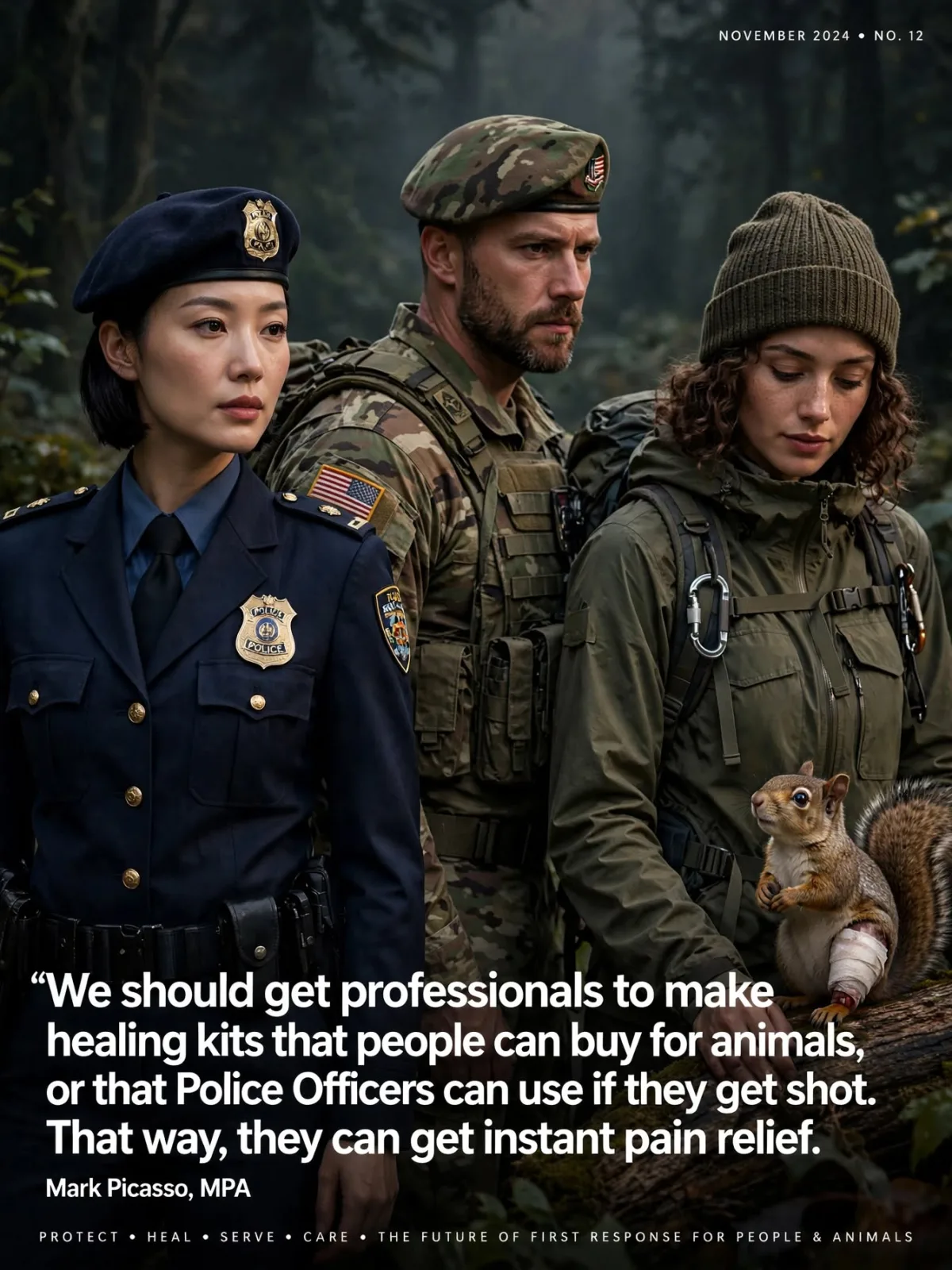
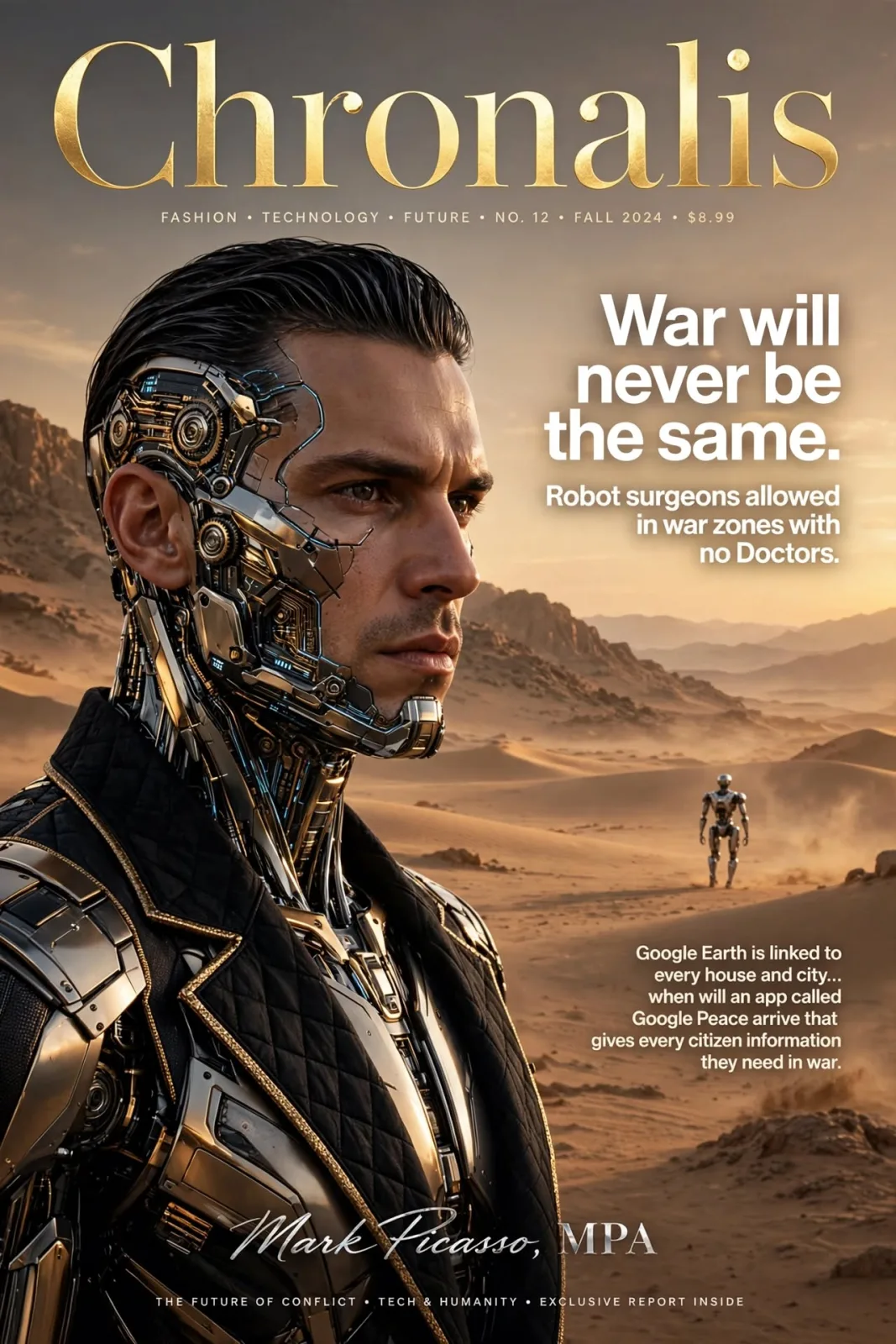
Chronalis: A New Vision for Healing Refugees Through AI, Virtual Reality, and Solar Technology
What if we could bring hope, healing, education, and opportunity to people living in the middle of the world's most devastating humanitarian crises?
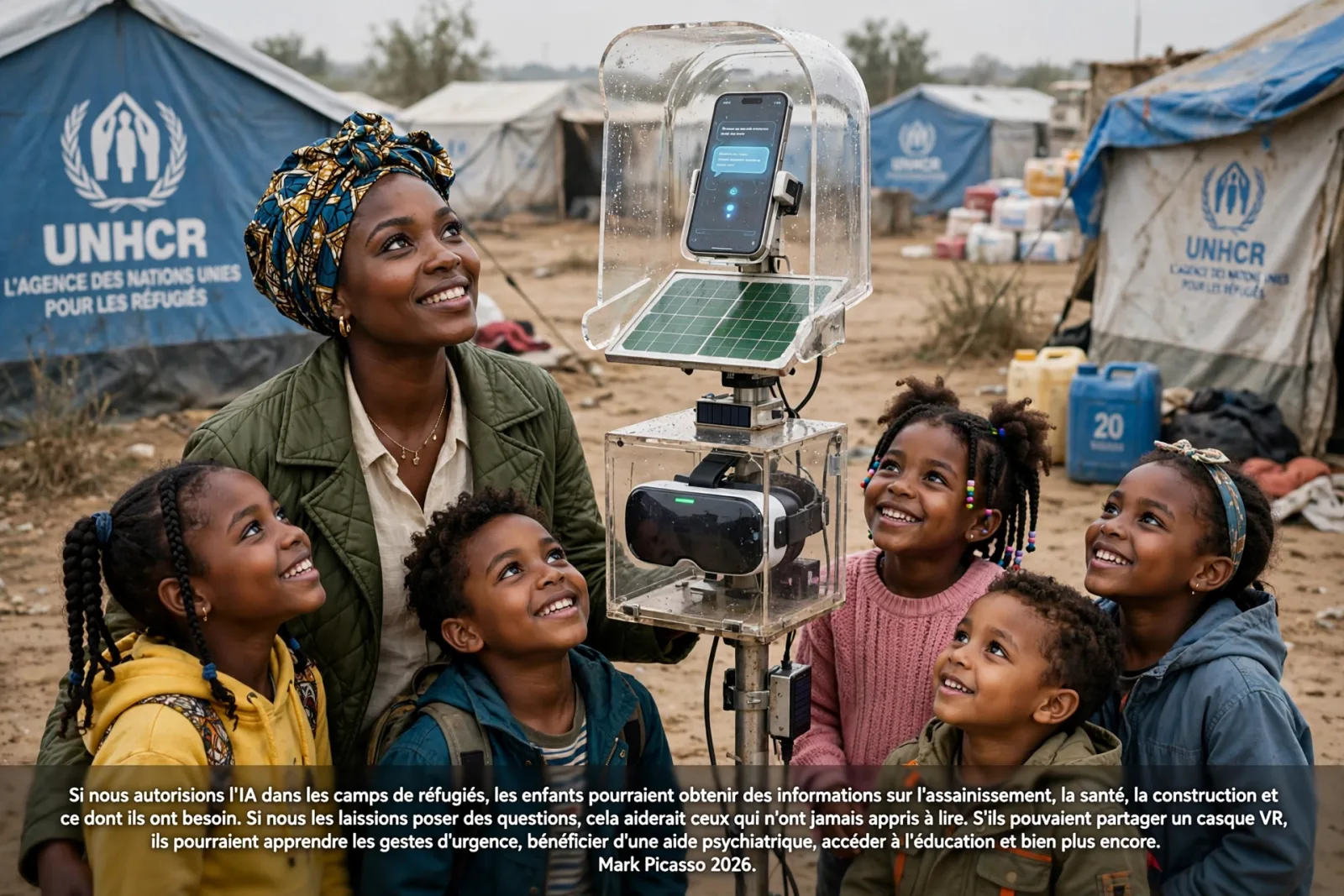
VR Church: Building a Universal Healing Library With AI
What if every church in the world could use AI and a single virtual-reality headset to begin building a growing center for healing, education, hope, and human connection?
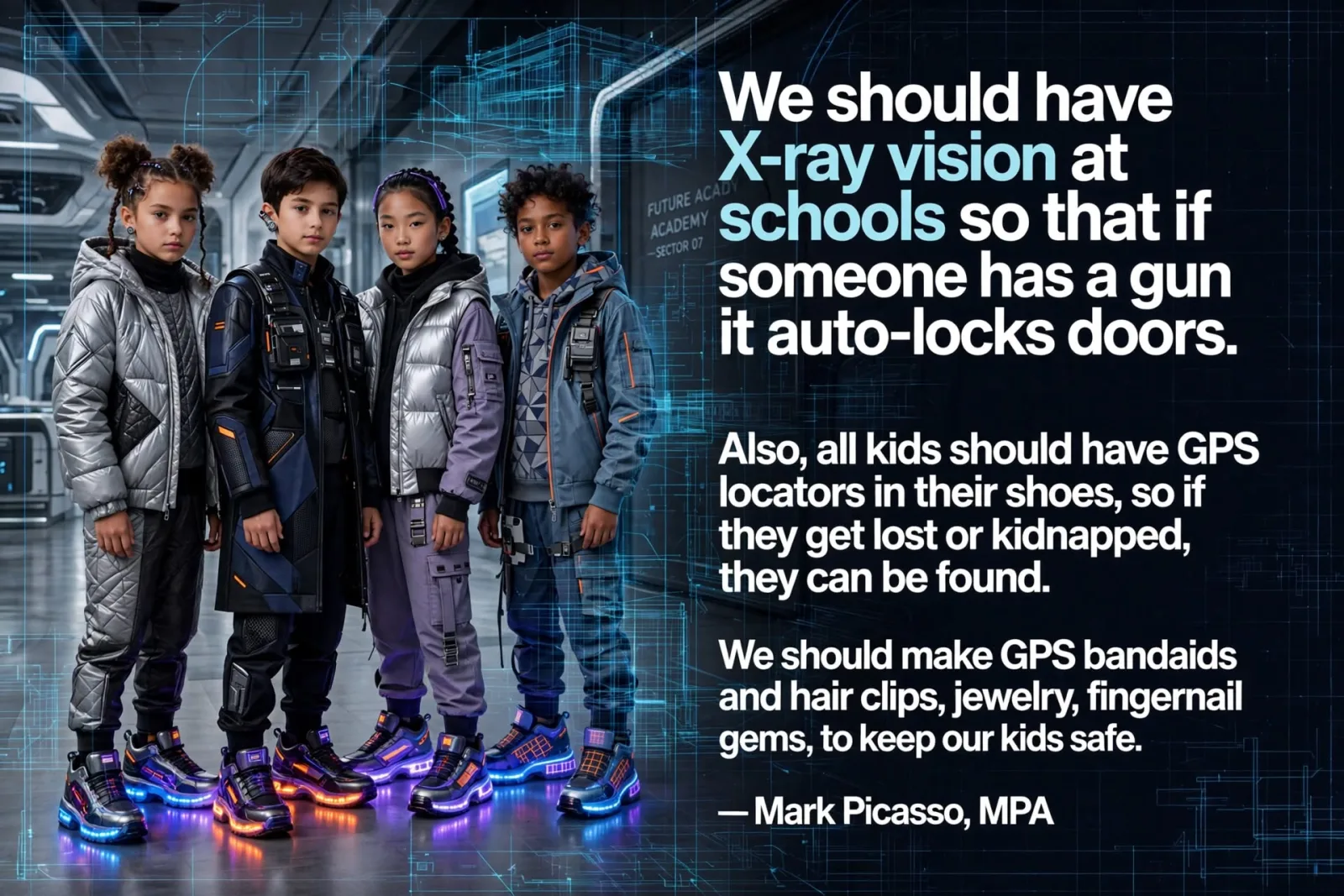
Healing With AI Codes: Turn Your Ideas into Tools That Help People
With AI Services We Can Create Code Easily...to Heal the World!
Comments
Sign in to comment.
No comments yet.