
Open Source Radar
Latest publications
EmbeddingGemma 2 makes local multimodal search practical, but it is not a drop-in RAG upgrade
Google’s new 740-million-parameter open-weight model puts text, code, images, video and audio in one embedding space. The useful question is not whether it is small, but where a unified local index improves a real workflow.

October Bus opens a coordination layer for coding agents — what is ready to test
October Bus separates agent-to-agent coordination from the coding harness itself. Its local runtime, draft protocol, durable tasks, receipts, and Apache 2.0 license make it worth testing, but the interfaces are still pre-stable and the security boundary remains local execution.

Semgrep 1.179.0 adds Bun lockfile support and fixes Python 3.14 parsing
Semgrep 1.179.0 is a practical dependency-scanning release: it understands Bun’s text lockfiles, handles more Python 3.14 exception syntax, and updates PyJWT compatibility. The useful question is where the new coverage fits—and where it still stops.

NVIDIA OpenShell puts agent permissions under policy control — what is ready to test
NVIDIA OpenShell is an Apache-licensed runtime for placing coding and autonomous agents inside policy-controlled sandboxes. Its useful idea is not another agent framework, but a boundary around files, processes, networks, credentials, and policy changes.

GitHub Actions has removed Node 20: what open-source maintainers need to check now
GitHub Actions now runs JavaScript actions on Node 24 after removing Node 20. The migration is mostly a metadata and release problem, but self-hosted runners, macOS versions, ARM32 devices, caches, and local emulators can still turn it into a failed build.

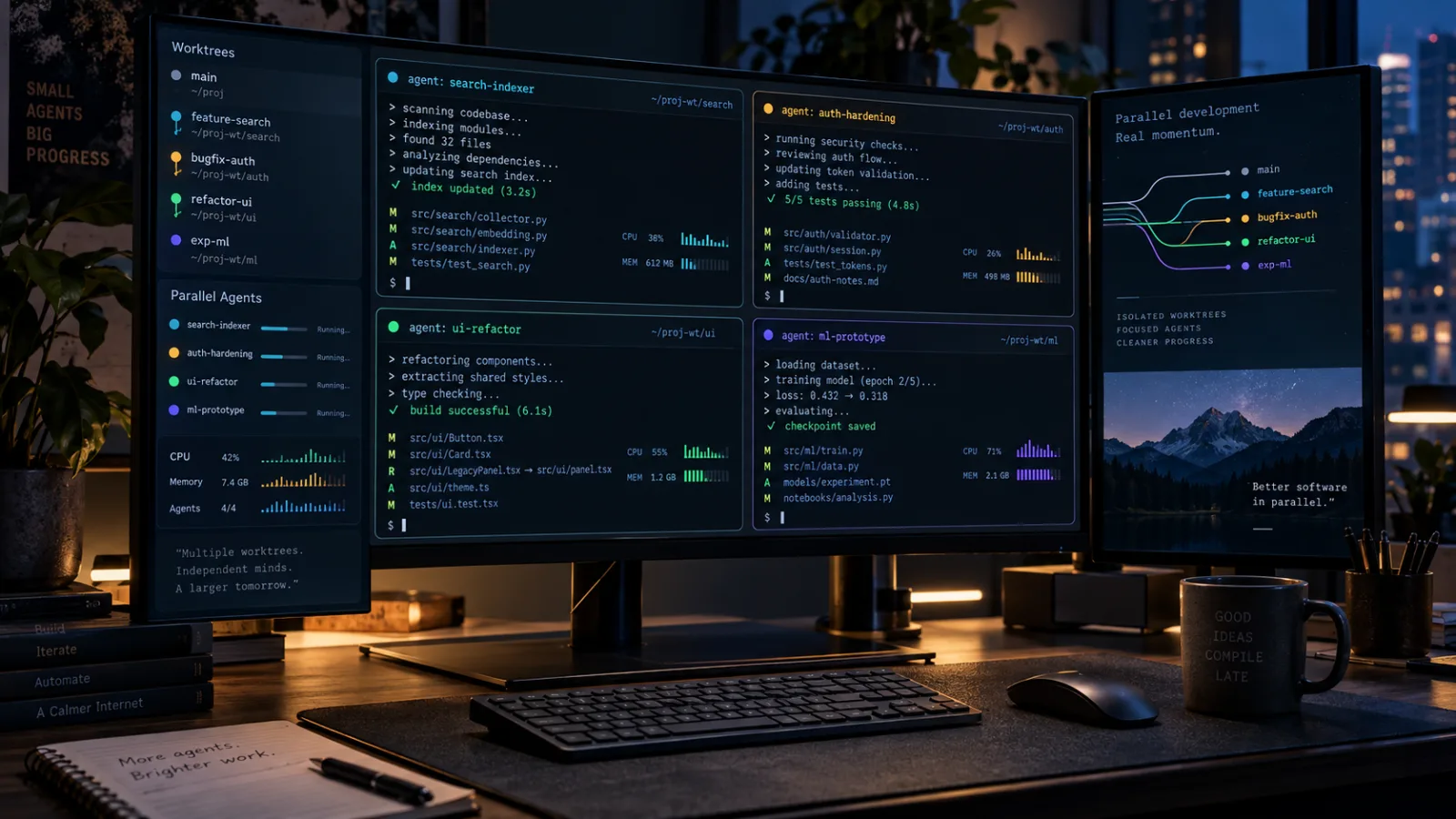
Alera turns parallel CLI coding agents into a worktree-first desktop workflow
Alera is an open-source desktop workbench for running several CLI coding agents side by side. Its useful idea is not another chat panel, but a shared layer of Git worktrees, real terminals, persistent sessions, and resource visibility.
PyPy 8.0 brings Python 3.12 support, but the real test is the extension ecosystem
PyPy 8.0 is a meaningful compatibility release: Python 3.12 arrives in beta, Linux binaries move to glibc 2.28, and the project lays groundwork for CPython’s cp312-abi3 wheels. That is promising, but it does not make every Python package a drop-in fit.

BIND 9.20.29 fixes 14 security flaws: what DNS operators should check before and after upgrading
ISC’s BIND 9.20.29 is more than routine maintenance: it fixes fourteen disclosed vulnerabilities across recursive, authoritative and encrypted-DNS code paths. Here is how to scope the exposure, choose the right branch and upgrade without losing operational visibility.

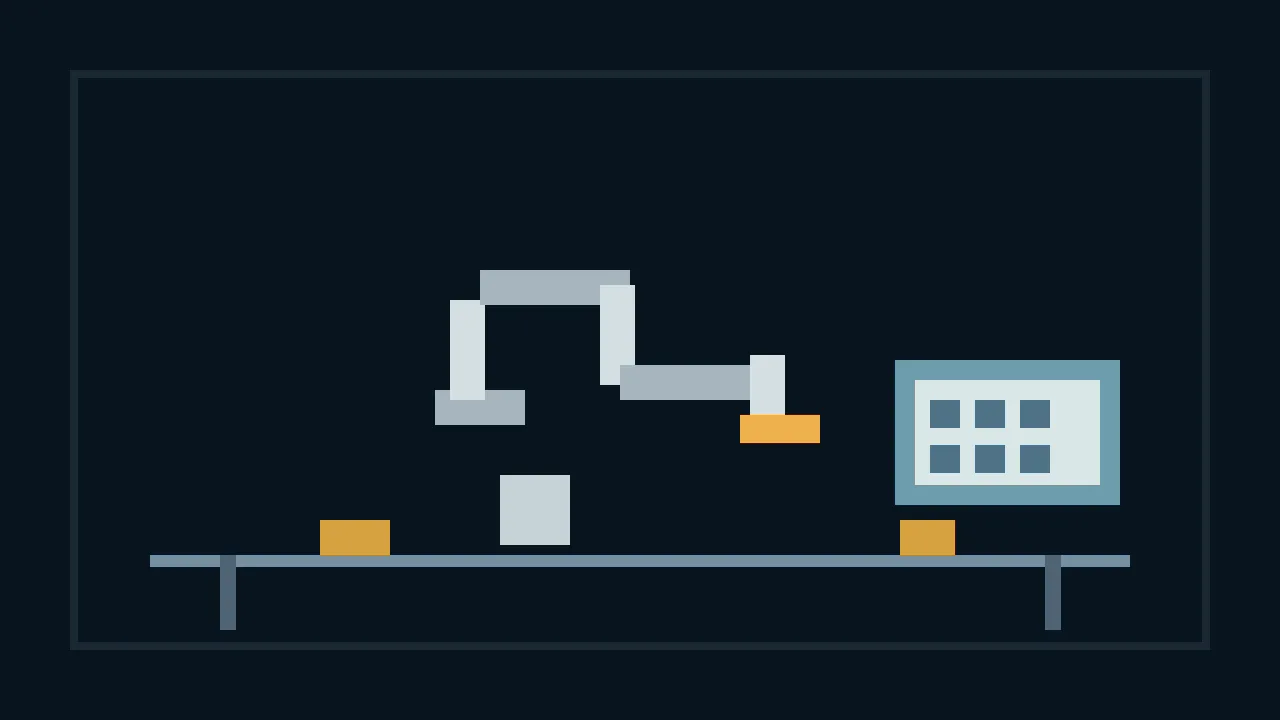
OpenArm 2.0 makes reproducible physical-AI experiments the real open-source project
OpenArm 2.0 is more than a seven-degree-of-freedom arm. Its value is the attempt to connect open hardware, ROS 2, simulation, teleoperation, datasets, and a shared evaluation cell into a workflow that other labs can actually repeat.
OpenClaw 2026.9.4 makes plugins and skills easier to find — and easier to trust
OpenClaw 2026.9.4 is a workflow release built around plugin discovery, steerable skill improvement, safer setup, and cloud-worker reuse. The useful upgrade is also a reminder to review permissions, costs, backups, and compatibility before enabling more automation.

mise 2026.9.4 turns machine setup into a portable project declaration
The latest mise release adds a built-in Nix package manager, environment-aware host packages, man pages for managed tools, and safer cross-platform locking. It is useful, but it also makes mise configuration powerful enough to deserve a careful review.

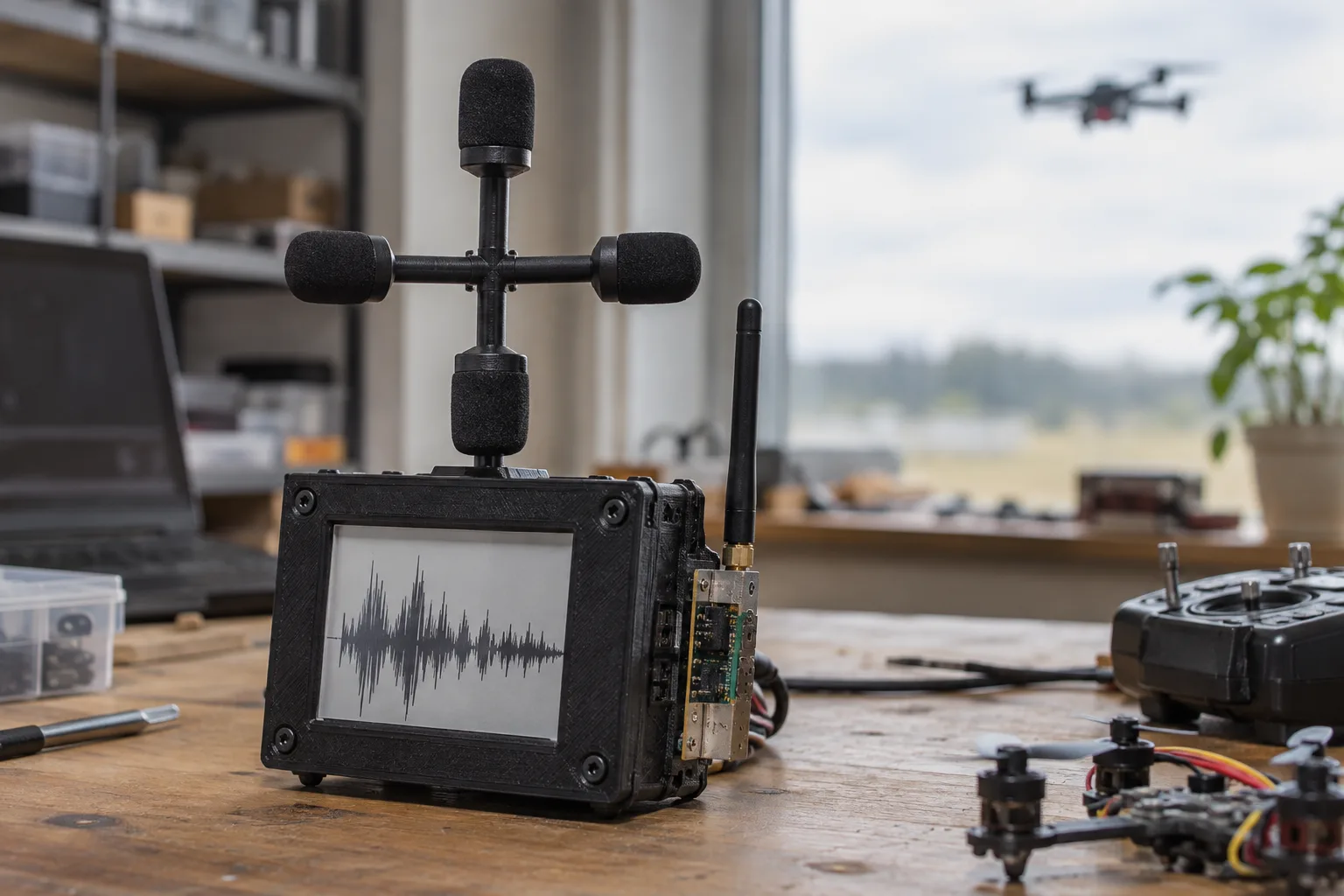
VolAnti Brings Open-Source Acoustic Detection to Fibre-Optic FPV Drones
VolAnti is a compact ESP32-S3 detector that listens for rotor harmonics instead of radio emissions. Its early test is promising, but the project is best understood as a transparent warning device—not a finished counter-drone system.