Glycolic acid as deodorant: budget hack or underarm irritation waiting to happen?
A practical budget check on when the viral underarm acid trick may help odor, when it cannot replace antiperspirant, and who should skip it.

A cheap glycolic-acid toner in the bathroom can look like the perfect budget shortcut when social videos claim it works as deodorant. One bottle, one cotton pad, less underarm odor, no need to buy another stick: the pitch is tidy. It also arrives at a moment when many shoppers are tired of premium deodorants, refill systems and body-care launches that make a basic hygiene product feel like a luxury ritual. The sensible question is not whether the idea sounds clever. The question is what problem you are trying to solve: odor, sweat wetness, fragrance sensitivity, product buildup, or irritation from products you already use. Those are different jobs, and glycolic acid is not the best tool for all of them.
The short verdict
Glycolic acid may help some people feel less underarm odor because it is an acidic cosmetic ingredient and because exfoliating products can change how the skin surface feels. That is a cautious possibility, not a guarantee. It does not stop sweating, it is not an antiperspirant, and it should not be sold to yourself as a treatment for persistent odor, excessive sweating, rash, infection, allergy, acne, hidradenitis, eczema, rosacea or any other condition. If the main problem is wetness, a basic antiperspirant is usually the more relevant budget purchase. If the main problem is scent, a fragrance-free deodorant or antiperspirant may be a more direct first switch. If the main problem is post-workout odor on otherwise comfortable skin, gentle washing, breathable clothing and a plain deodorant may be cheaper and less irritating than turning an exfoliating toner into daily underarm care.
The hack is most defensible as an occasional, careful experiment for someone who already owns a mild glycolic-acid product, has intact underarm skin, is not using other irritating actives there, and understands that burning means stop, not push through. It is much less convincing as a reason to buy a new acid toner only for armpits, especially if the bottle is pricey, fragranced, high-strength, alcohol-heavy, or promoted with exaggerated claims. Budget beauty is not about using the most dramatic ingredient in the most places. It is about matching the cheapest tolerable product to the actual job.
Deodorant, antiperspirant and acid toner are not the same category
Start with categories before judging the trend. A deodorant is usually about odor: fragrance, odor-absorbing ingredients, antimicrobial-supporting ingredients, or a formula that reduces the smell left when sweat meets skin bacteria. In U.S. FDA language, deodorants are generally cosmetics when their purpose is to reduce or mask odor. An antiperspirant is different because it is intended to reduce sweating; in the United States that makes it a drug product, even though it sits on the same store shelf as cosmetics. Some underarm products are both deodorant and antiperspirant because they address odor and wetness.
A glycolic-acid toner is a cosmetic exfoliating product, most familiar as an alpha hydroxy acid used on the face or body to loosen dead surface cells and create a smoother feel. It is not a sweat-blocking product. It does not change the fact that underarms are a warm fold area with friction, hair removal, clothing contact, residue from laundry products and repeated washing. Those details matter because the same ingredient that feels fine on a cheek or leg can sting in a fold, especially after shaving or when layered with fragrance.
Once the categories are clear, the budget decision becomes easier. If your shirt is damp and that is what bothers you, glycolic acid is solving the wrong problem. If your current deodorant smells too strong, the first comparison should be unscented or fragrance-free options, not acid. If you are irritated by baking-soda natural deodorant, adding an acid might stack one irritation source on another. If you like the idea of a cleaner underarm feel after product buildup, occasional cautious exfoliation may be reasonable, but it still competes with simpler choices: washing thoroughly, using less product, choosing breathable clothing and switching to a formula that does not leave residue you hate.
Why people think it can help odor
Fresh sweat itself is not the whole odor story. Body odor develops when sweat and skin secretions interact with the normal bacteria living on skin, and the byproducts smell different from person to person. That is why a product can reduce odor without reducing sweat. The possible logic behind glycolic acid is that an acidic product may make the surface environment less friendly to some odor-producing activity and may remove some surface buildup. That logic is plausible enough to explain why some users report success, but it is not the same as a universal clinical promise. Underarm odor has many everyday variables: clothing fabric, laundry residue, hormones, stress, diet, exercise, weather, shaving habits, product layers and individual skin tolerance.
The exfoliation part is also easy to overstate. Glycolic acid can smooth the feel of rough or dull-looking skin by acting on the outermost layer, but underarms are not a flat, low-friction testing ground. A fold with repeated rubbing and hair removal can become irritated quickly. Social posts often skip this context because a dramatic before-and-after routine gets more attention than a boring explanation of categories. A budget article has to put the missing context back: an ingredient may have a mechanism, still be wrong for frequent use, and still be unnecessary if a cheaper product category fits better.
There is another reason the hack spreads: many people already own glycolic acid. Reusing a product feels cheaper than buying another underarm item. That can be true only if the product is already paid for, not irritating, and not needed more urgently elsewhere in the routine. A half-used bottle that would otherwise expire is different from buying a new trendy jumbo toner because a video promised “deodorant replacement.” The first case is a cautious reuse question. The second is a new purchase that must compete with a low-cost deodorant or antiperspirant on price per useful outcome.
The budget comparison that actually matters
A cheap bottle is not automatically a cheap solution. Think in cost per solved problem. If wetness is the problem, the relevant competitor is a basic antiperspirant. It may be less glamorous, but it is made for sweat reduction. If odor is the problem and sweat wetness is not, a basic deodorant, fragrance-free deodorant, or deodorant with a formula you tolerate may be the fair comparison. If irritation is the problem, the cheapest win may be removing fragrance, baking soda, alcohol-heavy sprays or aggressive shaving timing before adding another active ingredient.
For occasional odor after workouts, the lowest-cost answer may not be an acid at all. A wash, a clean shirt, breathable fabric, and a simple deodorant can outperform a complicated routine because they address sweat, bacteria-friendly dampness and trapped odor directly. For product buildup, using less product, letting it dry, washing the area gently and choosing formulas that rinse clean can be more useful than repeatedly exfoliating the fold. For people who want less perfume, buying an unscented product can be a clearer decision than using an acid and still needing another deodorant on top.
Buying glycolic acid only for underarms becomes harder to justify when you add the hidden costs: cotton pads or reusable pads that need washing, time, the chance of stinging after hair removal, the possibility of ruining a week of comfort with irritation, and the fact that you may still need deodorant or antiperspirant. The hack is not a bargain if it turns one underarm product into three steps: acid at night, moisturizer because it stings, and deodorant anyway the next morning.
When a normal antiperspirant is the better buy
Choose the boring antiperspirant lane when sweat wetness is the actual complaint. Acid toner does not block sweat. It may change smell for some people, but it cannot honestly be compared with an antiperspirant for dampness. This is especially important in summer, during commuting, exercise, uniforms, synthetic fabrics or any situation where wetness creates discomfort or stains. If a product’s value depends on reducing sweat, buy the product category made for that job rather than trying to force a facial acid into it.
Choose a regular deodorant or fragrance-free deodorant when you mainly dislike smell but do not need sweat reduction. The simplest successful product is usually the best budget product, even if it does not make a trendy story. If fragrance bothers you, look for fragrance-free rather than merely “unscented,” because unscented products can contain masking fragrance. If baking soda formulas sting, avoid baking soda instead of assuming an acid will be gentler. If alcohol sprays dry or burn, compare sticks, creams or roll-ons with fewer obvious irritants.
Choose professional advice rather than a trend when the issue is persistent strong odor, sudden odor change, excessive sweating, pain, swelling, drainage, rash, recurrent irritation or suspected infection. That does not mean something is wrong with you; it means a cosmetic hack is the wrong tool for a health-style problem. A budget shortcut stops being frugal when it delays a proper answer.
How to try it with less risk, if you already own the product
If you still want to experiment, keep the experiment small and conservative. Use only on intact, calm skin. Do not apply right after shaving, waxing, laser hair removal, depilatory cream, broken skin, rash, chafing or burning. Do not combine it in the same underarm area with scrubs, retinoids, benzoyl peroxide, strong fragrance, harsh alcohol products, depilatories or multiple deodorant experiments at once. Patch-test first on a small area and wait long enough to see whether delayed irritation appears.
Avoid the mindset that more acid means better odor control. Underarms are not a place to prove tolerance. If it stings sharply, burns, itches, becomes red, peels, develops bumps, or stays uncomfortable, stop. Do not neutralize the discomfort by adding more products and calling that a routine. Use a gentle wash and leave the area alone. If symptoms persist, get professional advice. The point of budget care is to reduce waste and discomfort, not to create a new irritation problem that requires more spending.
Frequency should also stay conservative. The most reasonable version is occasional use, not daily indefinite use as a default. Many viral routines quietly move from “try this once” to “use this constantly,” and that is where irritation risk rises. If you need a product every day for underarm confidence, a deodorant or antiperspirant that you tolerate is usually a better daily base. Glycolic acid, if used at all, should remain optional support rather than the foundation of underarm hygiene.
Who should skip it or be extra cautious
Skip the hack on freshly shaved, waxed, threaded, lasered or depilated underarms. Skip it on broken skin, rash, chafing, burning, swelling, wounds, sores or any area that already feels angry. Be careful if you know you react to acids, fragrance, essential oils, alcohol-heavy formulas or adhesive residue. Be cautious if you are pregnant, managing a diagnosed skin condition, using prescription or strong over-the-counter actives, or repeatedly dealing with irritation in the same area. Those situations call for individualized advice, not a universal beauty tip.
People with darker skin tones may also see social claims about underarm “brightening.” Keep that separate from odor control. Dull-looking or darker underarms can have many causes, including friction, hair removal, irritation and normal pigmentation variation. A cosmetic acid may exfoliate the surface, but this article is not a treatment plan for hyperpigmentation, and aggressive acids can make irritation-related discoloration worse. If pigmentation changes are sudden, painful, thickened, itchy or worrying, ask a clinician rather than escalating a trend.
Anyone who has had a bad reaction to “natural deodorant” should be especially skeptical of replacing one experiment with another. Natural-positioned formulas often contain fragrance, essential oils or baking soda; glycolic acid is a different kind of active, not a guarantee of gentleness. A calm, boring, fragrance-free product may be the real budget upgrade.
Marketing claims to translate into plain language
“Aluminum-free” means the product is not using the common antiperspirant approach to sweat reduction. It does not automatically mean safer, better, or more effective for odor. “Balances pH” is vague unless the brand explains the product’s actual role and use limits. “Detoxes armpits” is a red flag; underarms do not need a detox routine to become acceptable. “Kills odor at the source” may sound precise, but it can blur the line between cosmetic odor control and medical-sounding claims. “Clean” and “chemical-free” are marketing words, not ingredient analysis.
The ingredient list matters more than the front label. A glycolic-acid product can contain fragrance, denatured alcohol, other acids, botanical extracts, menthol or essential oils that change tolerability. A deodorant can contain fragrance, starches, magnesium hydroxide, triethyl citrate, zinc salts, baking soda, clays, waxes, oils or absorbents. An antiperspirant will list active antiperspirant ingredients according to its regulatory category. Compare the entire formula, not the hero word.
Also compare packaging and use. A toner bottle can spill, require pads, and be awkward in a gym bag. A stick can be easier to apply but may leave residue. A roll-on may feel wet but travel well. A cream deodorant may be economical but messy. The best budget option is the one you can use consistently without irritation, wasted product, ruined clothes or extra steps you abandon.
A practical shopping decision tree
First, name the problem. Wet shirts point toward antiperspirant. Odor without wetness points toward deodorant or hygiene and fabric changes. Fragrance headaches point toward fragrance-free products. Burning points toward removing irritants. Product buildup points toward using less and washing better. Only after that should glycolic acid enter the conversation.
Second, check what you already own. If a mild glycolic product is sitting unused and you tolerate it elsewhere, a small patch-tested experiment may cost little. If you do not own it, compare its price with a basic antiperspirant and fragrance-free deodorant before buying. If the acid costs several times more than a drugstore stick and still cannot reduce sweat, the math is not friendly.
Third, decide what success would look like. If success means “I smell fine for a normal day,” a deodorant may be simpler. If success means “my shirt stays dry,” use an antiperspirant. If success means “I want less residue and a smoother feel sometimes,” occasional glycolic acid may be a side option. If success means “I never worry about odor again,” no cosmetic product deserves that promise.
Bottom line
Glycolic acid as a deodorant hack is not nonsense, but it is often oversold. It may reduce odor for some people under specific, careful conditions. It does not reduce sweat, does not replace antiperspirant, does not treat medical causes of odor or sweating, and can irritate a sensitive fold area. For a budget shopper, the smart move is to stop asking whether the hack is viral and start asking whether it solves the exact problem more cheaply and comfortably than a plain underarm product.
If you already own a suitable glycolic-acid toner and your skin is calm, treat it as an occasional experiment with strict stop signs. If you need daily reliability, buy the boring product category that matches the job. That may be a basic antiperspirant, a fragrance-free deodorant, a gentler wash routine, breathable clothing or a professional conversation when symptoms are persistent or unusual. The cheapest routine is not the one with the fewest bottles in a video. It is the one that works, does not irritate you, and does not make you buy another product to fix the first experiment.
Sources and evidence boundary
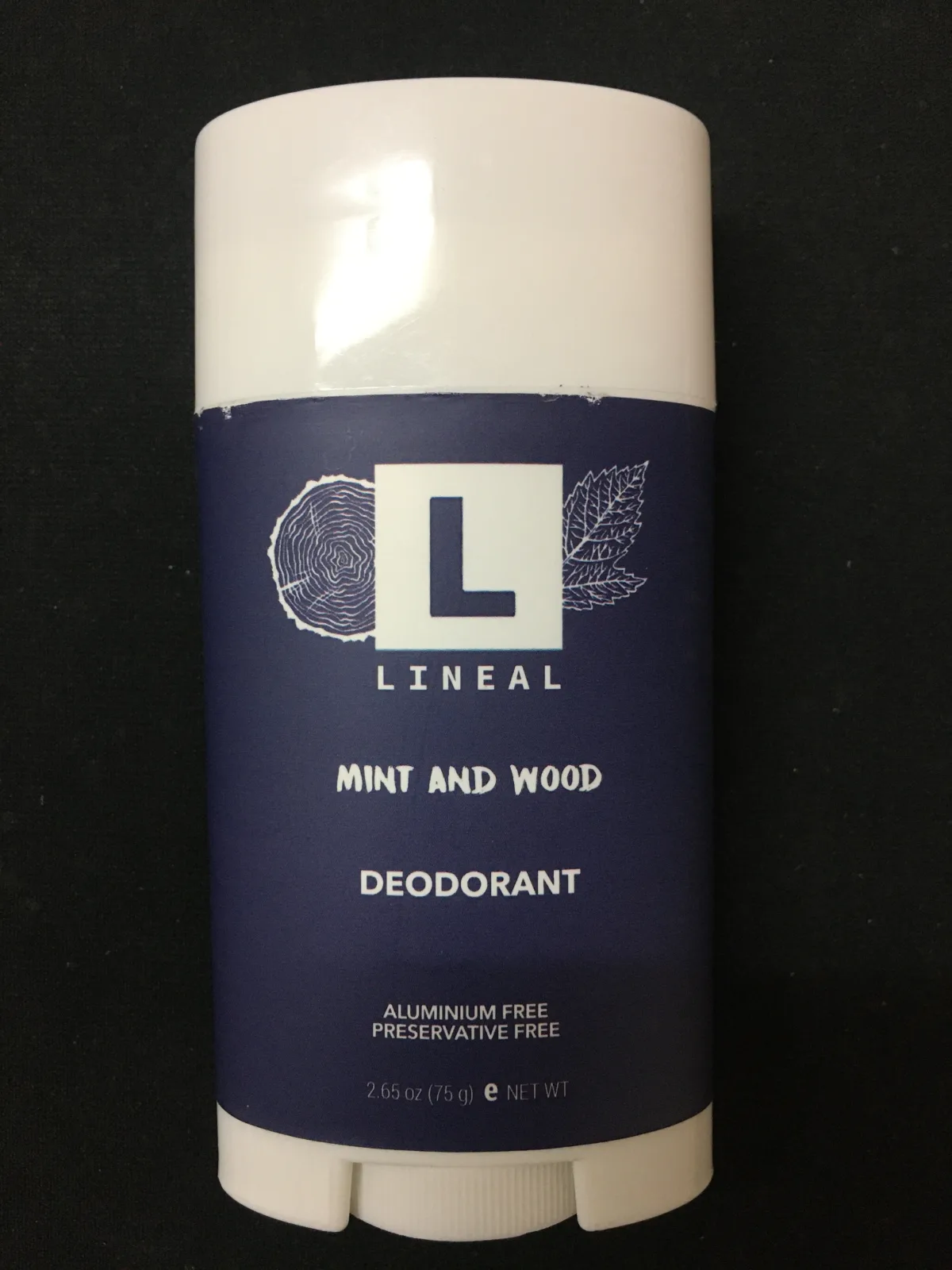
This article treats the briefing as a starting hypothesis and checks the topic against official and conservative care references. The factual anchors are the FDA distinction between deodorants, which are generally cosmetic products when they reduce or mask odor, and antiperspirants, which are drugs in the United States because they are intended to reduce sweating; American Academy of Dermatology gentle-skin-care guidance as a conservative irritation baseline; Wikimedia Commons metadata for the reusable product photograph; current beauty-media search signals; and r/SkincareAddiction discussion as evidence that readers are actively asking about glycolic acid, underarm odor, shaving sting, dark-looking underarms and product swaps. Social discussion is used here only as a signal of the question, not as proof that the hack works for everyone. The image is a real deodorant-stick photograph by Notional Target, own work, CC BY-SA 4.0, used to illustrate ordinary underarm product comparison rather than to endorse a brand.
Comments
Sign in to comment.
No comments yet.