A Side-Dish-First Thanksgiving: Maple-Miso Squash That Feeds a Table Without Stretching the Budget
Thanksgiving sides are getting more attention as holiday costs rise. This flexible roasted squash dish brings sweet, savory flavor to the table, can be prepared ahead, and gives a small kitchen a calmer cooking plan.

Thanksgiving is usually organized around the turkey, even though the turkey is the dish that consumes the most oven space, attention and anxiety. This year, there is a practical reason to reverse that order. The American Farm Bureau Federation’s 2026 survey puts the average cost of a traditional Thanksgiving dinner for 10 at $58.63, about 6% higher than in 2025. The survey is a useful national snapshot, not a promise about what any particular store will charge, but it reinforces a familiar household problem: the expensive centerpiece does not necessarily make the meal feel complete.
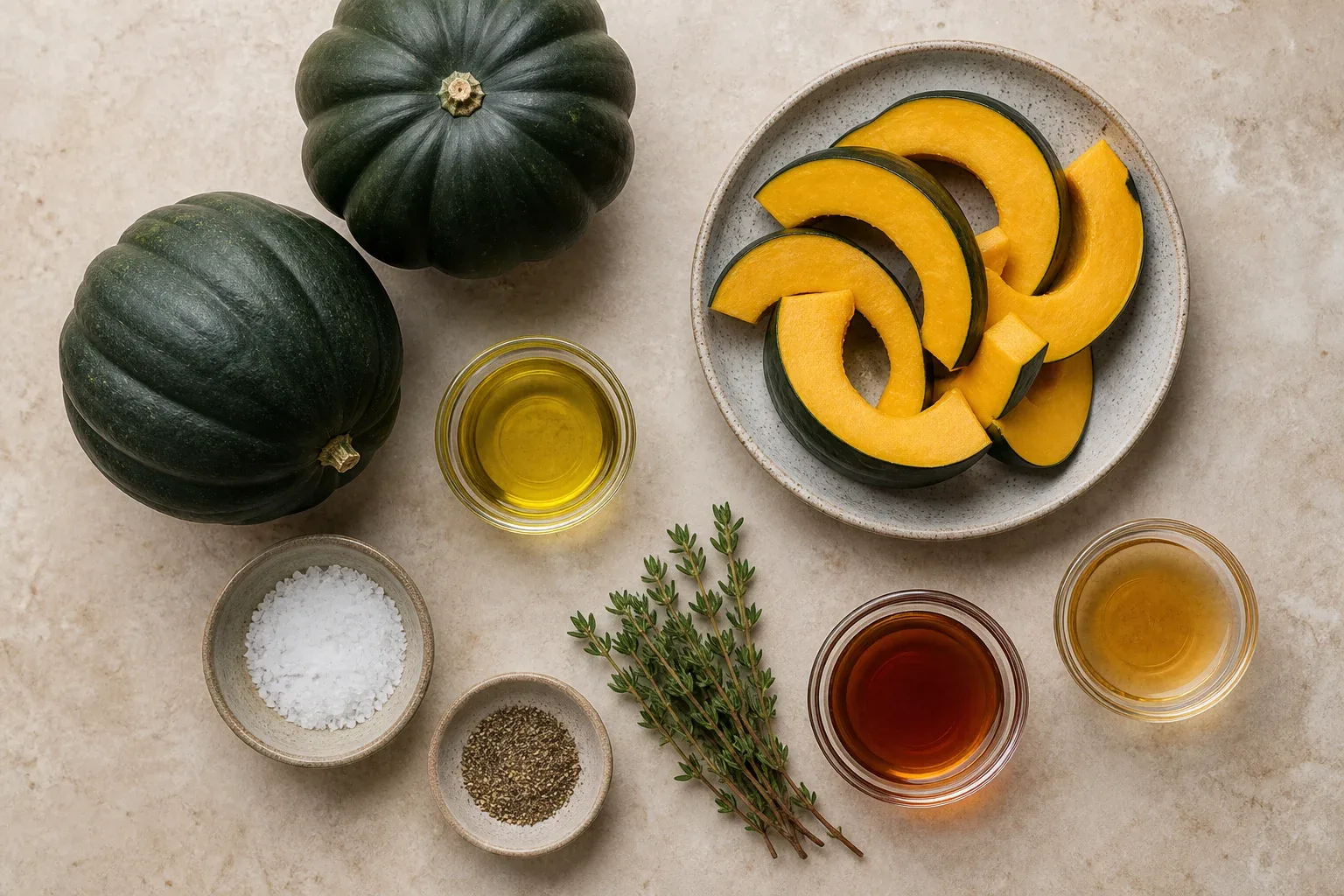
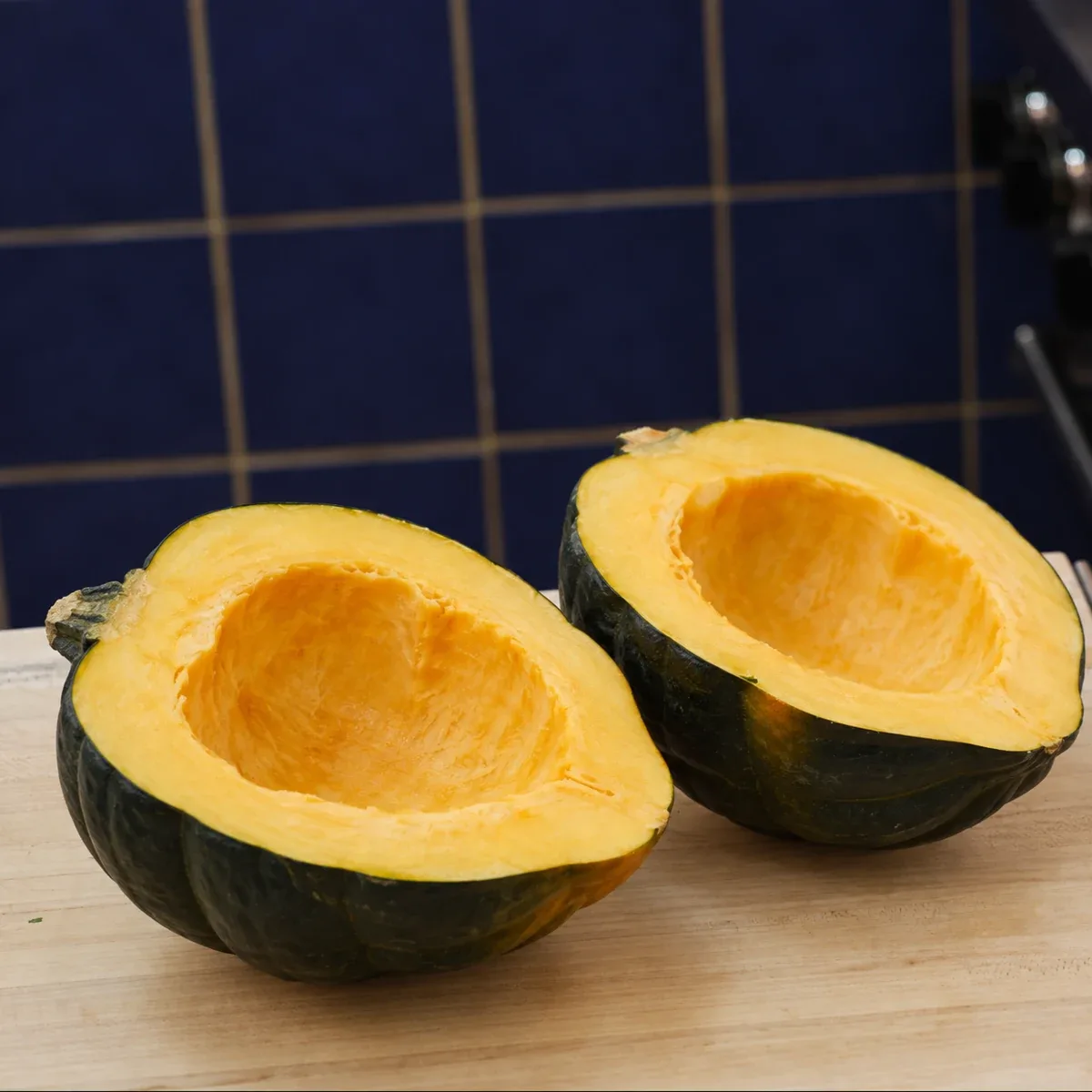
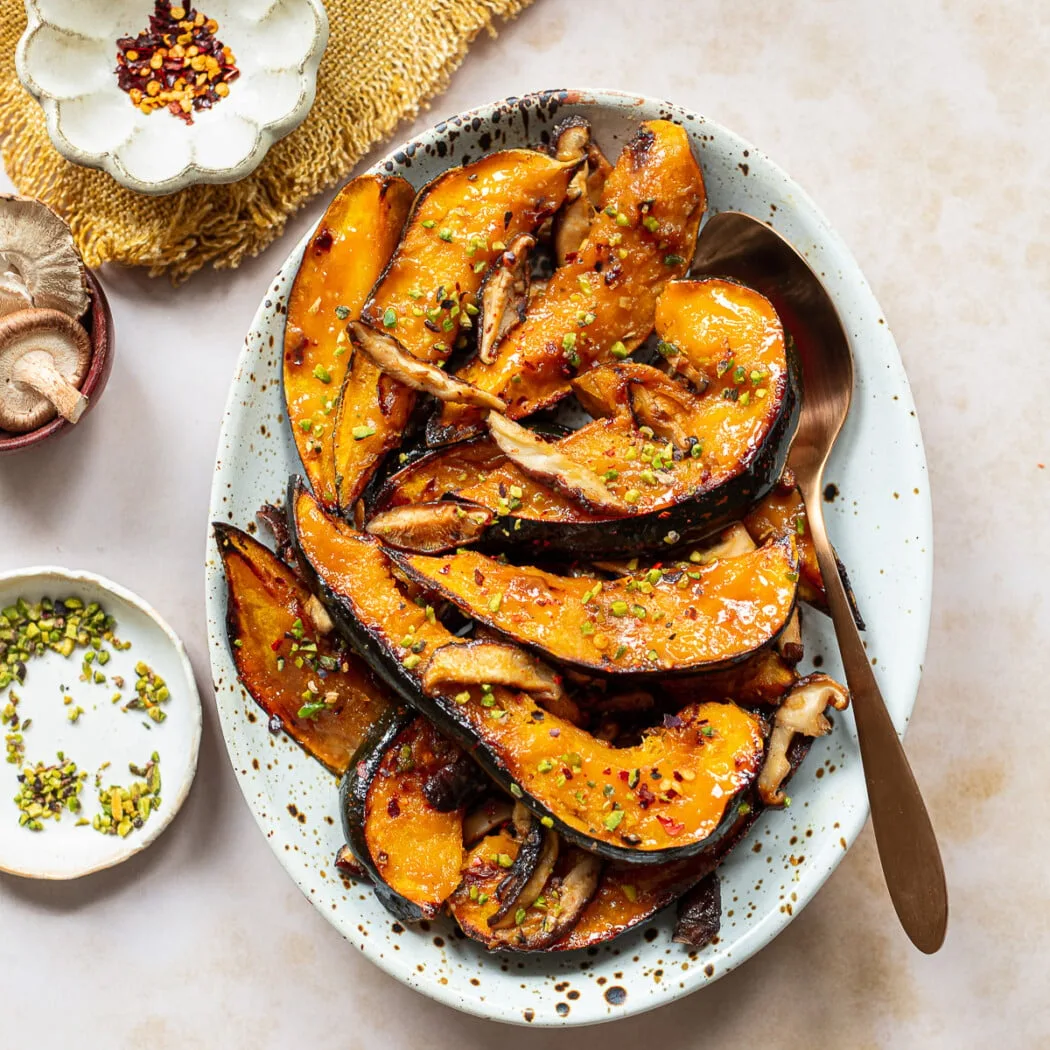
Sides are where a holiday menu becomes personal, flexible and easier to scale. Campbell’s 2026 State of the Sides report, based on a survey of 5,017 U.S. adults who celebrate Thanksgiving, found that 80% of respondents enjoy cooking the sides more than the turkey. The report is commissioned by a food company, so it should be read as trend research rather than neutral national measurement, but the direction matches what cooks can see in current holiday coverage: more attention is going to make-ahead vegetables, casseroles, sauces and dishes that can feed different kinds of eaters.
That is the useful idea to borrow. Build one side that is substantial enough to anchor a plate, inexpensive enough to buy without a special shopping trip, and forgiving enough to survive a crowded oven. The recipe below uses acorn squash, maple syrup, white miso and pumpkin seeds. It is not a replacement for every traditional dish. It is a dependable extra or a vegetarian main component for a smaller gathering.
The recipe at a glance
Maple-miso roasted acorn squash with pumpkin-seed dressing
- Serves: 4 as a substantial side, or 6 as part of a larger meal
- Active time: about 20 minutes
- Roasting time: 35 to 45 minutes, depending on the squash
- Total time: about 1 hour
- Make-ahead option: roast the squash up to 1 day ahead; make the dressing up to 3 days ahead
- Equipment: a sturdy knife, cutting board, sheet pan, small bowl and spoon
The finished squash should be tender enough to pierce easily with a fork, browned at the edges and still holding its shape. The flavor is deliberately balanced: the squash provides sweetness, miso adds salt and savoriness, vinegar keeps the glaze from becoming heavy, and pumpkin seeds bring crunch. If your table already has cranberry sauce, gravy or a rich casserole, that acidity and texture matter more than adding another creamy dish.
Ingredients
For the squash:
- 2 medium acorn squash, about 2 to 2 1/2 pounds total
- 2 tablespoons olive oil, plus more for the pan if needed
- 1 1/2 tablespoons white or yellow miso
- 1 tablespoon maple syrup
- 1 tablespoon apple cider vinegar or rice vinegar
- 1 teaspoon Dijon mustard
- 1/2 teaspoon smoked paprika, optional
- 1/2 teaspoon freshly ground black pepper
- 1/4 teaspoon fine salt, or less depending on the miso
For the dressing and topping:
- 1/3 cup raw or roasted pumpkin seeds
- 2 tablespoons olive oil
- 1 tablespoon apple cider vinegar or lemon juice
- 1 teaspoon maple syrup
- 1 small garlic clove, finely grated or minced
- 2 tablespoons chopped parsley, cilantro or scallions
- 2 tablespoons dried cranberries or chopped dates, optional
- A pinch of salt and black pepper
The ingredient list is intentionally adaptable. Butternut squash can replace acorn squash, although it should be peeled and cut into 1-inch cubes and may cook a little faster. Delicata squash can be left unpeeled after washing; its skin becomes tender and edible. Sweet potatoes work with the same glaze, but their denser flesh may need a few extra minutes. If you have no miso, use 1 tablespoon soy sauce or tamari and reduce or omit the additional salt. The result will be thinner and less rounded, but still useful.
Pumpkin seeds are not essential. Sunflower seeds, chopped walnuts or toasted breadcrumbs can provide the same textural contrast. For a nut-free table, check the labels on packaged seeds and any shared spice blends. For a vegan table, this recipe already fits as written. For a soy-free version, use a soy-free chickpea or fava-bean miso if available, or use a little extra mustard and salt instead.
How to make it
1. Heat the oven and prepare the squash
Heat the oven to 425°F (220°C). Put a rack in the upper-middle position. Line a sheet pan with parchment if you want easier cleanup, but leave enough exposed metal for the squash to brown.
Wash and dry the squash. Cut each one in half from stem to base. Acorn squash can be awkward and slippery, so use a stable cutting board and keep your free hand away from the knife’s path. If the stem is difficult, cut beside it rather than forcing the blade through it. Scoop out the seeds and stringy center with a spoon.
Cut each half into 1-inch-thick wedges. You can roast the halves whole, but wedges expose more surface area to the glaze and are easier to portion at the table. Keep the wedges reasonably similar in size so thin pieces do not burn while thick pieces remain firm.
2. Mix the glaze
In a small bowl, stir together the olive oil, miso, maple syrup, vinegar, mustard, smoked paprika if using, pepper and salt. Miso varies considerably in saltiness, so start cautiously. The mixture will be thick. If it seems too stiff to brush, add 1 teaspoon of water.
Arrange the squash in a single layer. Brush or toss it with about two-thirds of the glaze, keeping the cut sides facing down for the first part of roasting. Save the rest for later. Do not crowd the pan; if the wedges touch closely, they will steam rather than brown. Use a second pan if necessary, especially when doubling the recipe.
3. Roast, turn and finish
Roast for 20 minutes. Turn the wedges so a cut side faces up, then brush with the remaining glaze. Roast for another 15 to 25 minutes, checking the thinner pieces first. The squash is ready when a fork slides into the thickest part with little resistance and the edges have darkened.
If the glaze begins to darken before the squash is tender, lower the oven to 400°F or cover the pan loosely with foil for the final few minutes. Miso and maple both contain sugars that can brown quickly. A dark edge is welcome; a bitter, blackened coating is not.
While the squash roasts, warm the pumpkin seeds in a dry skillet over medium heat for 2 to 4 minutes, shaking the pan often. They are ready when they smell toasted and make an occasional popping sound. Remove them immediately so they do not continue cooking in the hot pan.
Whisk the dressing ingredients together. Taste it with a piece of squash or a seed rather than tasting the dressing alone: the final dish already contains salt and sweetness from the glaze. Add the dried fruit only if the rest of the meal is not already sweet. A few chopped cranberries can be pleasant; a large handful can make the plate taste like dessert.
4. Serve
Transfer the squash to a platter or shallow serving bowl. Spoon over the dressing, then scatter the pumpkin seeds and herbs on top. Serve warm or at room temperature.
For a more complete vegetarian plate, add a can of drained chickpeas during the final 10 minutes of roasting, tossing them with a little oil and pepper first. You can also serve the squash over cooked farro, brown rice or couscous. If adding a grain, keep the dressing slightly sharper with an extra teaspoon of vinegar or lemon juice. The starch will soften the flavor.
Why this works for a crowded holiday kitchen
A holiday dish has to be judged by more than flavor. It needs to tolerate interruptions, share oven space and remain appealing after sitting for a while. This one has several practical advantages.
First, the main preparation is simple cutting and mixing. There is no stock to reduce, pastry to chill or precise last-minute emulsion to protect. Second, the squash can be roasted before the turkey is carved. Reheat it on the sheet pan for 8 to 12 minutes at 375°F, then add the fresh dressing and seeds after it comes out. Third, the dish does not depend on a fragile crisp coating. The seeds are added at the end, so they can be toasted while another pan occupies the oven.
The recipe also scales without requiring a new ratio. For eight to ten people as one of several sides, use four squash and two sheet pans. Divide the glaze between the pans rather than piling everything onto one crowded tray. Rotate the pans halfway through roasting if your oven has hot spots. If the oven is occupied by a turkey, roast the squash earlier, cool it, and reheat it while the turkey rests. A turkey needs resting time anyway; using that window for vegetables is more reliable than trying to cook every side at once.
If you are serving only two or three people, use one squash and halve the glaze. Leftover roasted squash is useful cold or gently reheated. It can go into a grain bowl, a tortilla with greens and cheese, or a blended soup with broth. The dressing should be stored separately so the seeds stay crisp.
A low-stress menu plan built around one side
A side-dish-first plan does not mean buying a large collection of special ingredients. It means choosing the side that establishes the rest of the meal’s needs.
If the squash is the sweet, caramelized element, choose a sharper or greener second vegetable: simply dressed kale, green beans with lemon, roasted Brussels sprouts without a syrupy glaze, or a crunchy cabbage salad. If you are also serving sweet potatoes, skip the maple syrup in the squash glaze and use more vinegar, mustard and black pepper. Two sweet orange vegetables can make the meal feel flat even when each recipe is good on its own.
For protein, the dish works with turkey, chicken, baked ham, roast pork or a bean-based centerpiece. It does not need a matching sauce. If gravy is on the table, serve it with the meat and keep the squash dressing bright. If there is no gravy, add a spoonful of plain yogurt or a drizzle of tahini to individual plates, provided those allergens work for your guests.
For a modest gathering, this menu is enough:
- the maple-miso squash;
- a simple green salad or steamed green beans;
- bread, rice or another plain starch;
- one protein, or chickpeas for a vegetarian table;
- cranberry sauce, pickles or another acidic condiment.
That is a complete meal without asking the cook to produce six rich dishes. More food is not automatically a more generous table, especially when the extra dishes all compete for oven time and refrigerator space.
How to shop when prices are moving
The 2026 Farm Bureau survey reported a higher average cost for a classic Thanksgiving meal, including a 16-pound turkey averaging $23.68. It also noted that prices vary by region and that its volunteers recorded available prices without relying on special coupons or multi-buy promotions. Treat the figure as context, not a universal receipt total. Local sales can change the calculation dramatically.
The best way to use that context is to protect flexibility. Buy the vegetable that is affordable and in good condition rather than insisting on one exact variety. Acorn squash, delicata squash, sweet potatoes and carrots can all take a version of this glaze. If the produce section is expensive, frozen winter squash can work in a pinch, although it may roast more softly and need less cooking time. Pat it dry first and spread it out well.
Check the pantry before shopping for a holiday recipe. Miso is useful, but buying a full tub for one dish is not necessary if you already have soy sauce, mustard, vinegar and a little brown sugar. Maple syrup can be replaced with honey for a non-vegan table, or with brown sugar dissolved into a teaspoon of water. Vinegar is more important than the exact sweetener because it keeps the glaze from becoming heavy.
Use the pumpkin seeds only if they fit the budget. Toasted breadcrumbs made from stale bread are a very good alternative and reinforce the channel’s basic kitchen principle: the best holiday shortcut is often an ingredient already waiting at home.
Make-ahead schedule
Two days before serving, check the squash and other produce. If the squash is being stored at room temperature, keep it in a cool, dry place; once it has been cut, refrigerate it in a covered container. Mix the dressing without the herbs and seeds. Toasting the seeds can wait until serving day.
One day before serving, cut the squash and store it covered in the refrigerator. You can also roast it completely, cool it promptly, and refrigerate it. The texture will be best if it is reheated once rather than repeatedly warmed and cooled. Keep the dressing in a separate sealed container.
On serving day, take the roasted squash from the refrigerator while the oven heats, then reheat it on a sheet pan at 375°F until hot through and lightly browned again. Warmed squash will not taste exactly like it did straight from the oven, but the fresh dressing and toasted seeds restore contrast. Chop the herbs just before serving.
If you are cooking a turkey as well, do not use the squash’s timing as a substitute for the turkey’s temperature check. USDA guidance recommends thawing a turkey in the refrigerator for roughly 24 hours per 4 to 5 pounds, and a thawed turkey can generally remain refrigerated for another one to two days before cooking. Use a food thermometer to verify that the turkey reaches a safe internal temperature; timing charts are only estimates because ovens, birds and starting temperatures vary.
Food-safety details that matter
Keep cut raw vegetables separate from raw poultry, and wash your hands, knife and cutting board after handling the turkey. The squash itself is not a high-risk food when handled normally, but holiday kitchens become crowded, and cross-contamination is easy when one board is used for everything.
Do not leave the finished dish at room temperature indefinitely while the meal stretches on. USDA food-safety guidance uses two hours as the general limit for perishable cooked food at room temperature, or one hour when the surrounding temperature is above 90°F. Transfer leftovers to shallow containers and refrigerate them promptly. Store the dressing separately when possible.
When reheating leftovers, heat them thoroughly to 165°F (74°C). An oven set to at least 325°F works well for a full portion; a microwave is fine for smaller portions if the food is covered, stirred or rotated for even heating, and checked in more than one spot. Reheating in a slow cooker or chafing dish is not recommended because food can remain too long in the temperature range where bacteria multiply quickly.
Label leftovers with the date. The squash is at its best within a few days, and any meal containing turkey, gravy or other perishable components should be handled according to the stricter ingredient’s storage needs. Never rely on smell alone to determine whether food is safe.
The recipe contains soy through miso and may contain allergens if you use packaged broth, mustard or toppings. Tell guests what is in the glaze, especially if children or people with allergies are eating. Pumpkin seeds are small and firm, so serve them carefully to very young children or leave them off individual portions when appropriate.
The larger lesson
A calm holiday meal is usually built by removing decisions, not by adding more recipes. Choose one side with enough personality to make a plate feel finished. Let it be flexible about the squash, the seeds and the sweetener. Cook it early enough that the oven has room for the centerpiece. Finish it with something fresh and acidic after the pressure has passed.
That approach fits the current moment: food prices are uneven, holiday cooking is receiving plenty of social-media attention, and many cooks are more interested in useful sides than in performing a technically impressive centerpiece. A tray of roasted squash will not solve every Thanksgiving problem. It can, however, give the cook one reliable dish, one manageable shopping list and a better use for the oven while the turkey rests.
Related articles
The No-Wash Turkey Method: A Smaller Holiday Dinner with Crisp Skin, Pan Gravy and Safer Leftovers
The turkey advice making the rounds this week is simple: skip the sink. Here is a practical turkey-breast dinner built around that rule, with a realistic timetable, pan gravy, substitutions and a clear plan for leftovers.
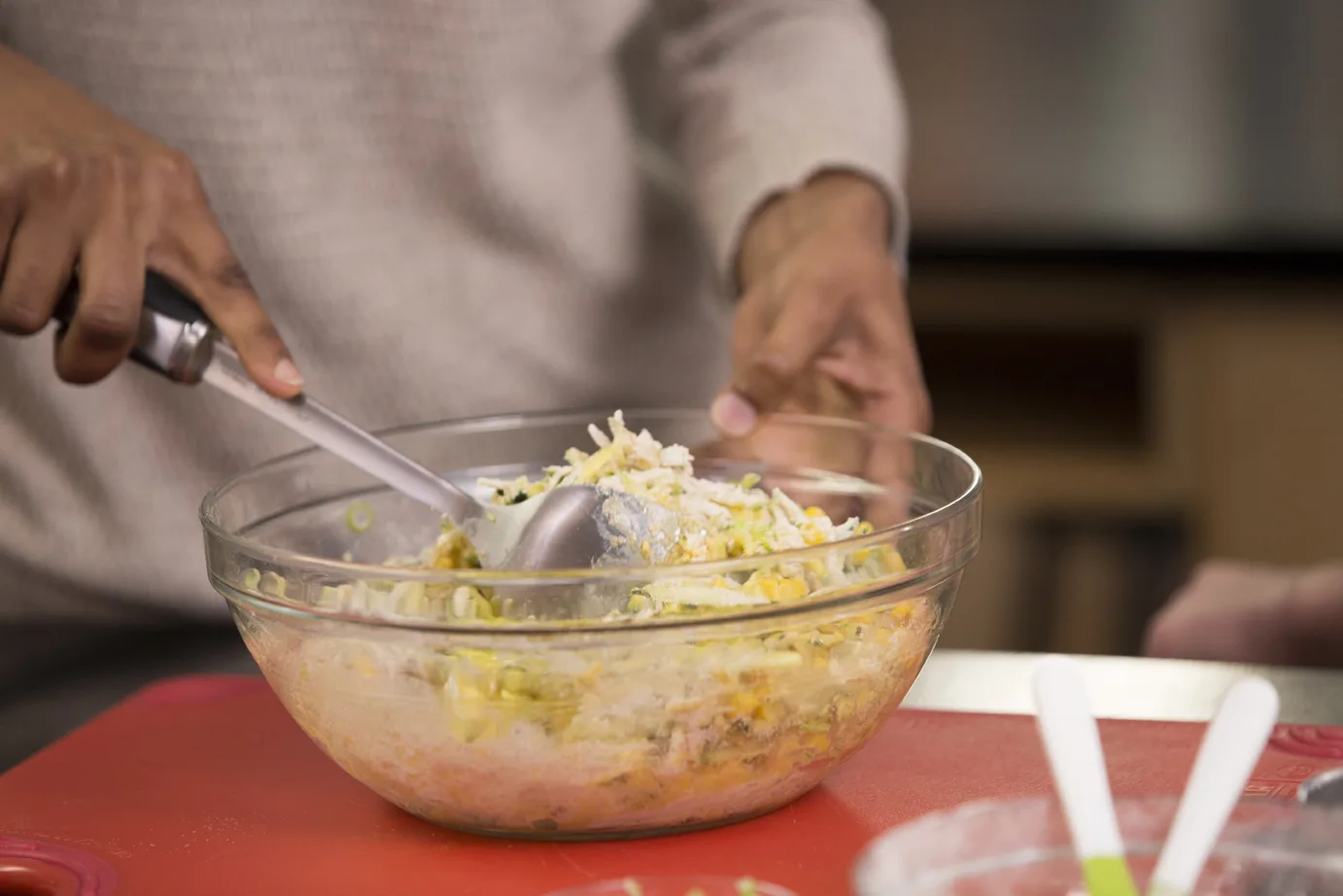
Corn and zucchini skillet pancakes: a 25-minute dinner from summer leftovers
Turn one zucchini, a handful of corn, an egg and flour into crisp-edged skillet pancakes for a practical weekday meal.
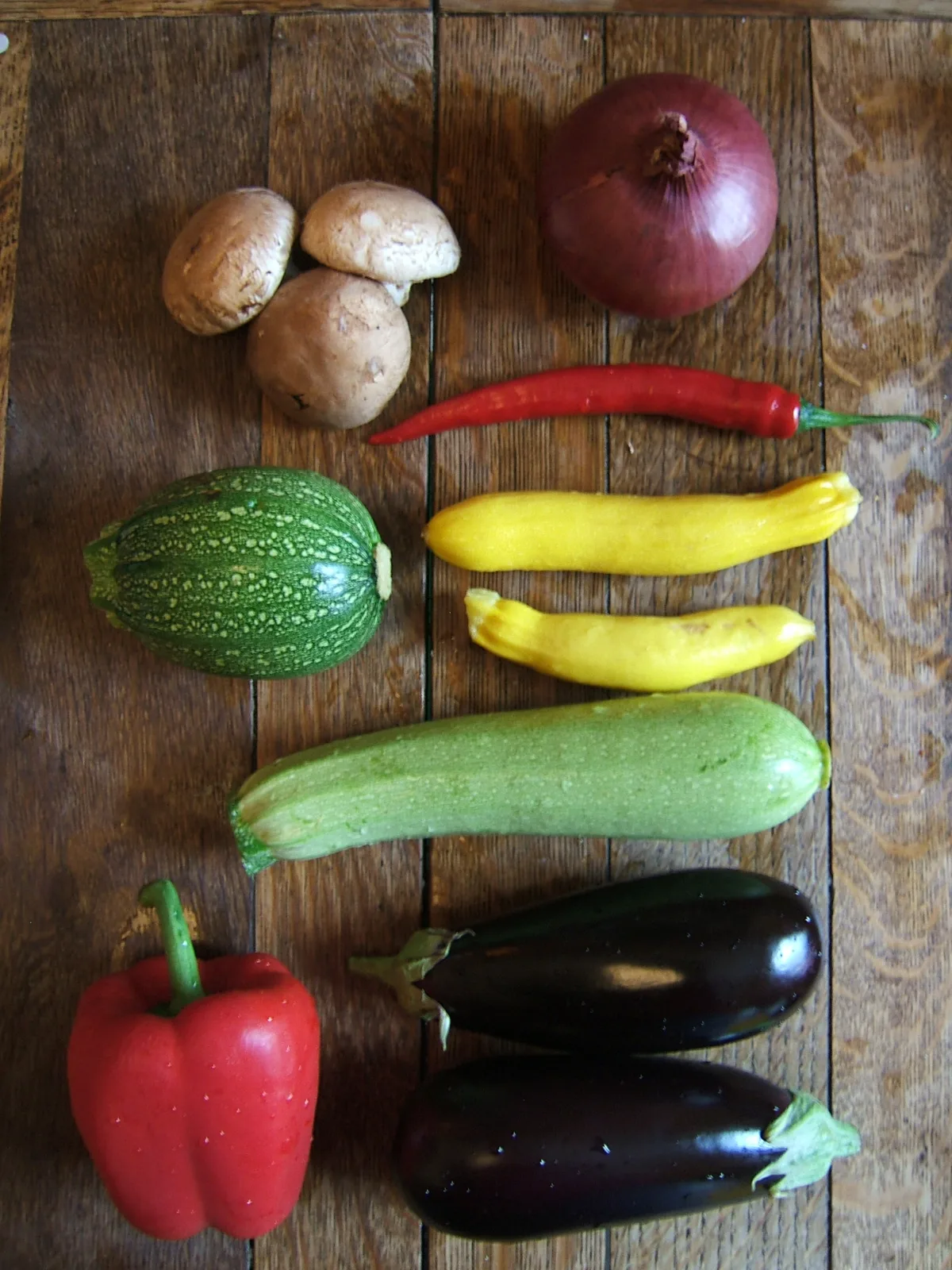
Fridge ratatouille: the easy one-pot dinner for too many zucchini and tomatoes
A practical 45-minute vegetable pot that rescues softening summer produce and turns it into dinner, leftovers and sauce.
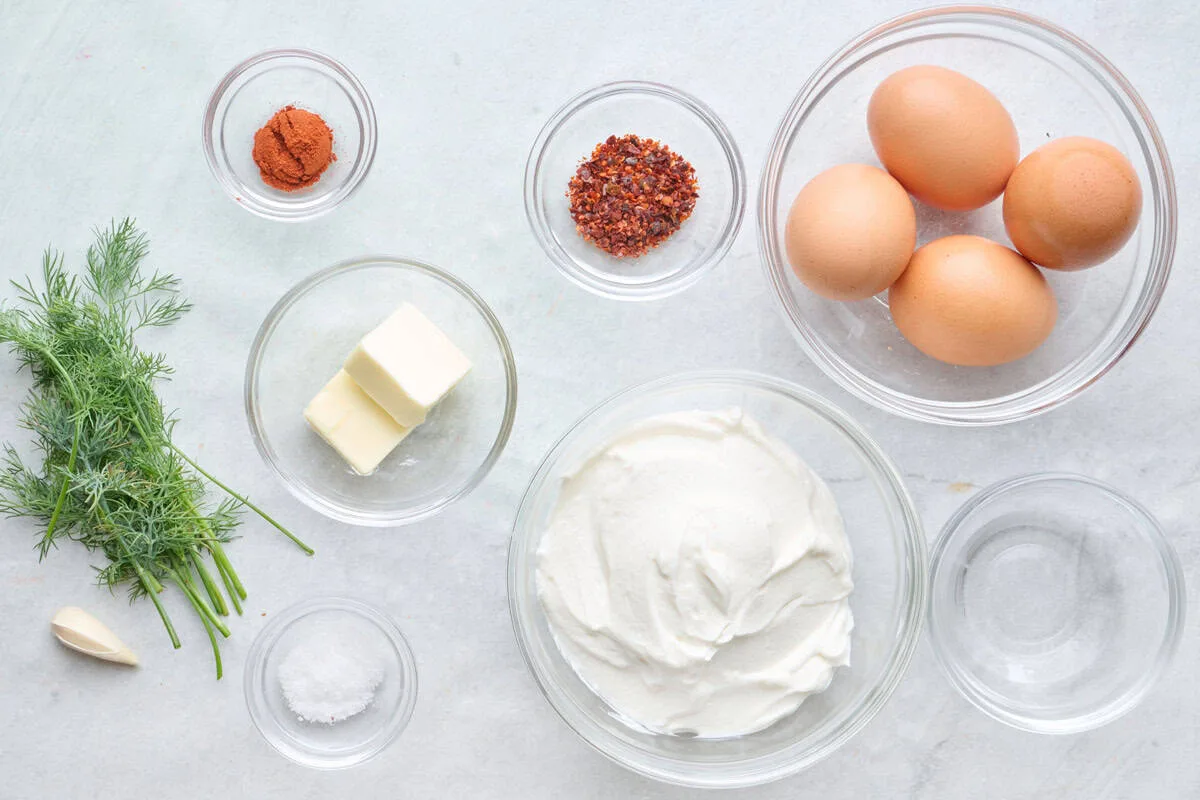
Çılbır, Turkish Eggs with Garlicky Yogurt: A 22-Minute Breakfast for Two
Cool garlicky yogurt, softly poached eggs and a spoonful of smoky pepper butter turn a few everyday ingredients into a fast breakfast or light supper. Here is how to make it without a special pan, plus practical substitutions and egg-safety notes.
Comments
Sign in to comment.
No comments yet.