Why a GPS tracker can know its location but still be offline
A GPS tracker can know exactly where it is and still appear offline. Here’s why getting coordinates and sending them to a tracking server are two separate processes.

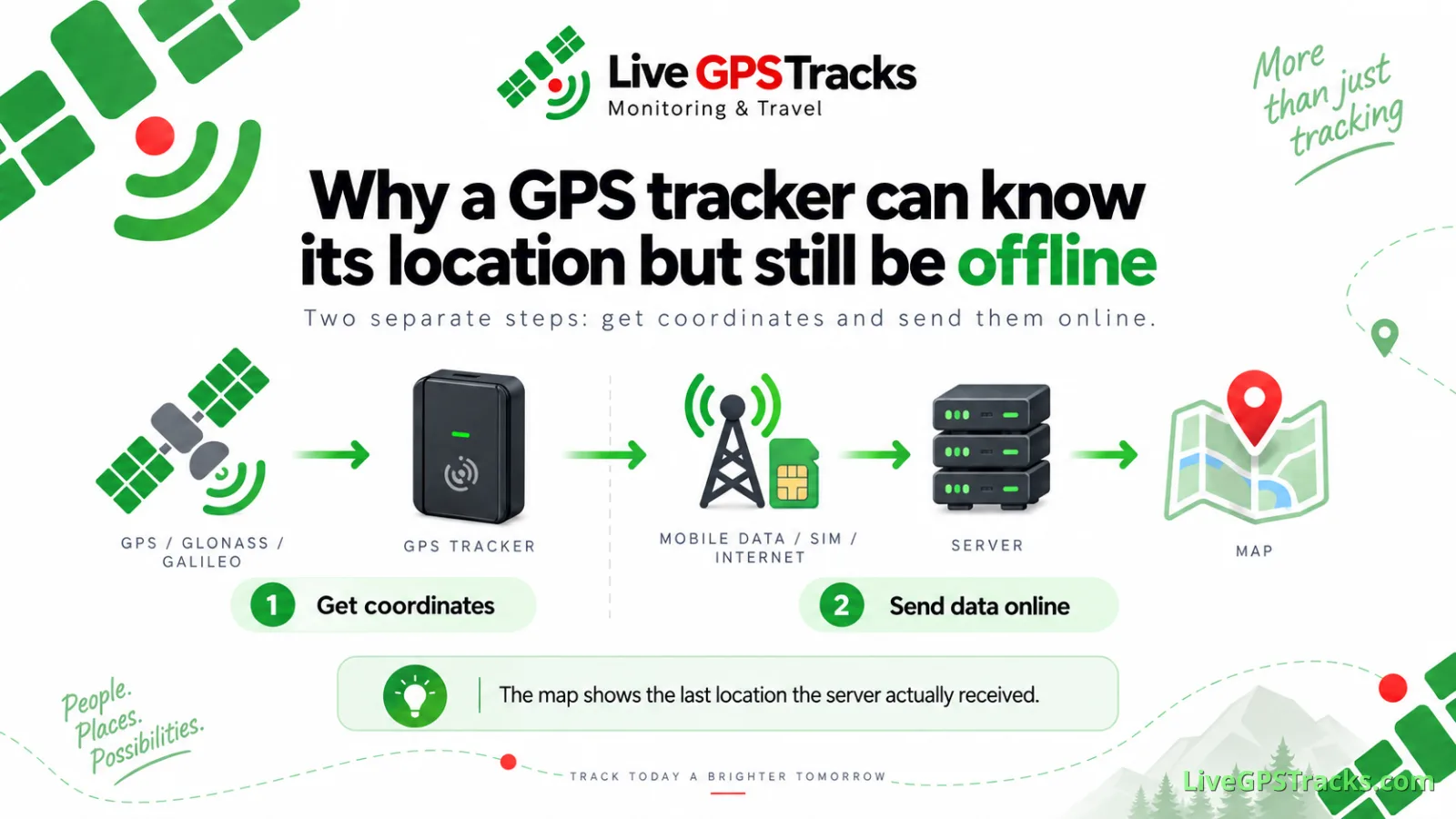
A GPS tracker actually has two separate jobs.
📍 First, it determines its location using signals from navigation satellites such as GPS, GLONASS, Galileo, and others.
🌐 Then it sends those coordinates to the tracking server. For that, it needs a data connection — usually mobile internet.
That’s why a tracker can know exactly where it is while no new points appear on the map.
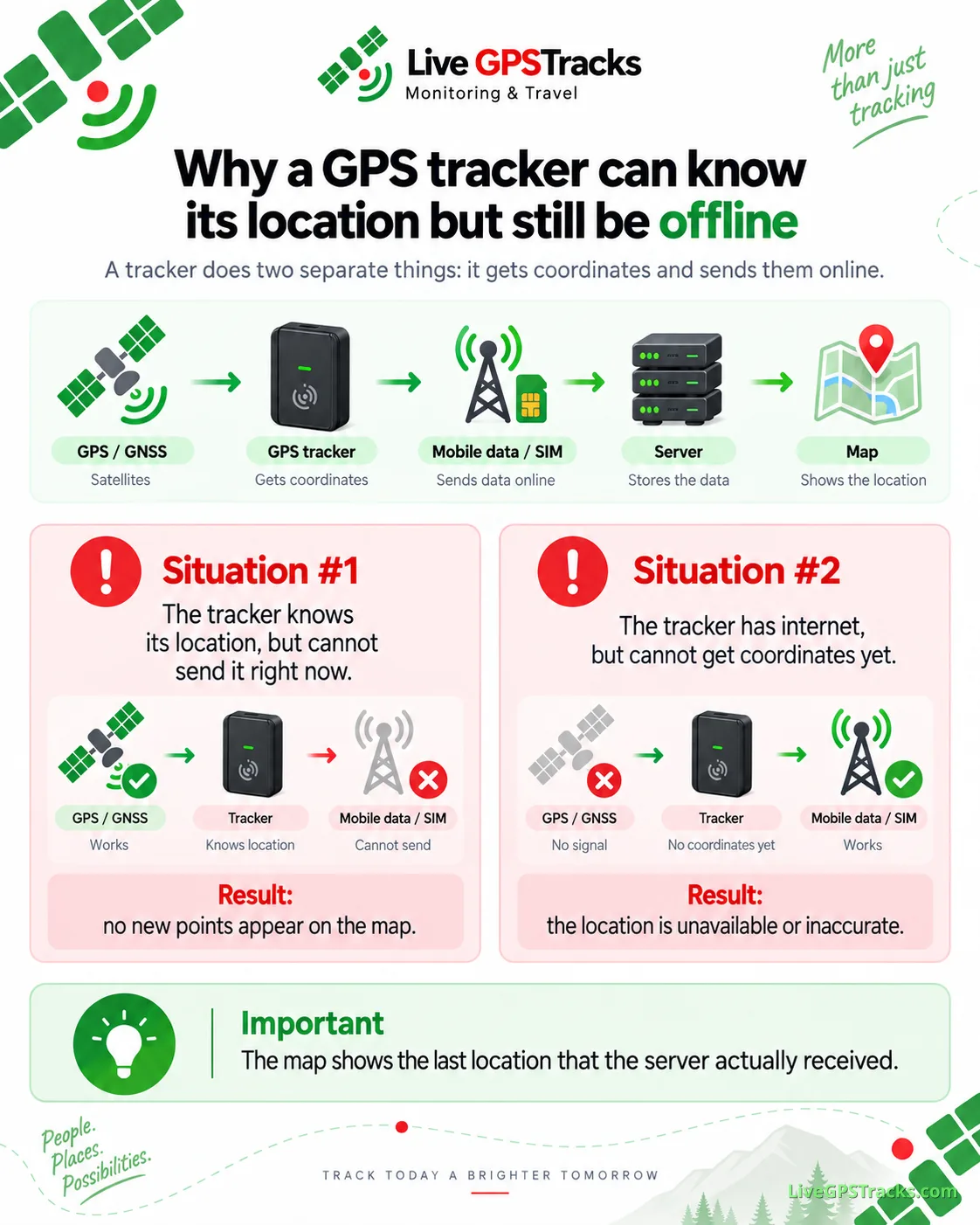
This may happen if mobile internet is temporarily unavailable, there is a problem with the SIM card, or the mobile operator is restricting data transfer.
The opposite can happen too: the tracker may have an internet connection but still be unable to determine its location — for example, when it is indoors or the satellite signal is too weak.
Some trackers can store location points in their internal memory. Once the connection is restored, they may send the stored data to the server. If this feature is unavailable or disabled, there may be a gap in the track.
So if a device stops updating on the map, the first thing to understand is what exactly happened:
— the tracker could not determine its coordinates;
— the coordinates were available, but the device could not send them.
Meanwhile, the map will continue to show the last location that the server actually received.
And that does not necessarily mean the device is still there.
Related articles
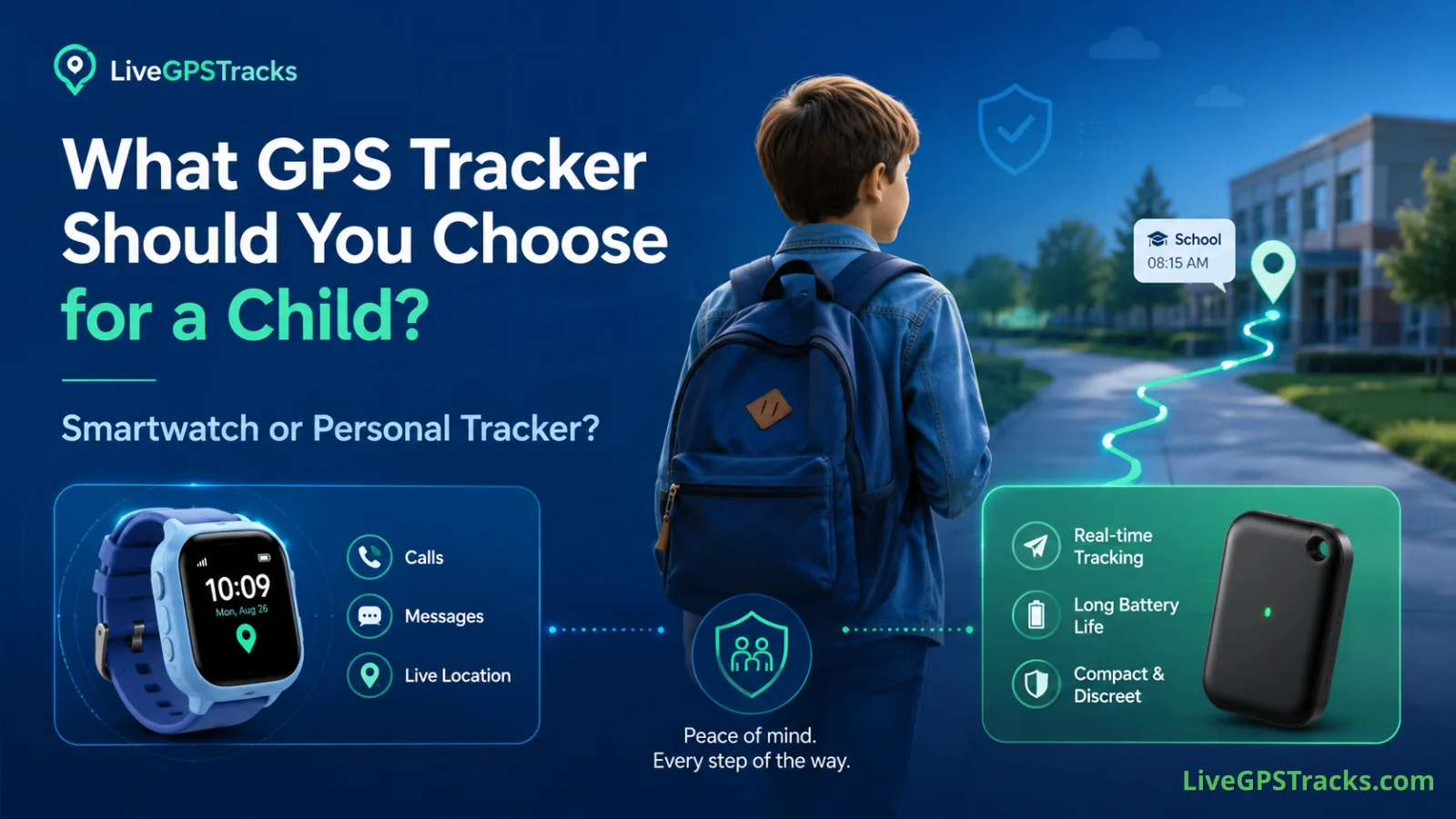
What GPS Tracker Should You Choose for a Child? Smartwatch or Personal Tracker?
Choosing a GPS tracker for a child? We compare kids’ smartwatches and personal trackers based on how they actually work day to day: GPS accuracy, battery life, school use, and route tracking.
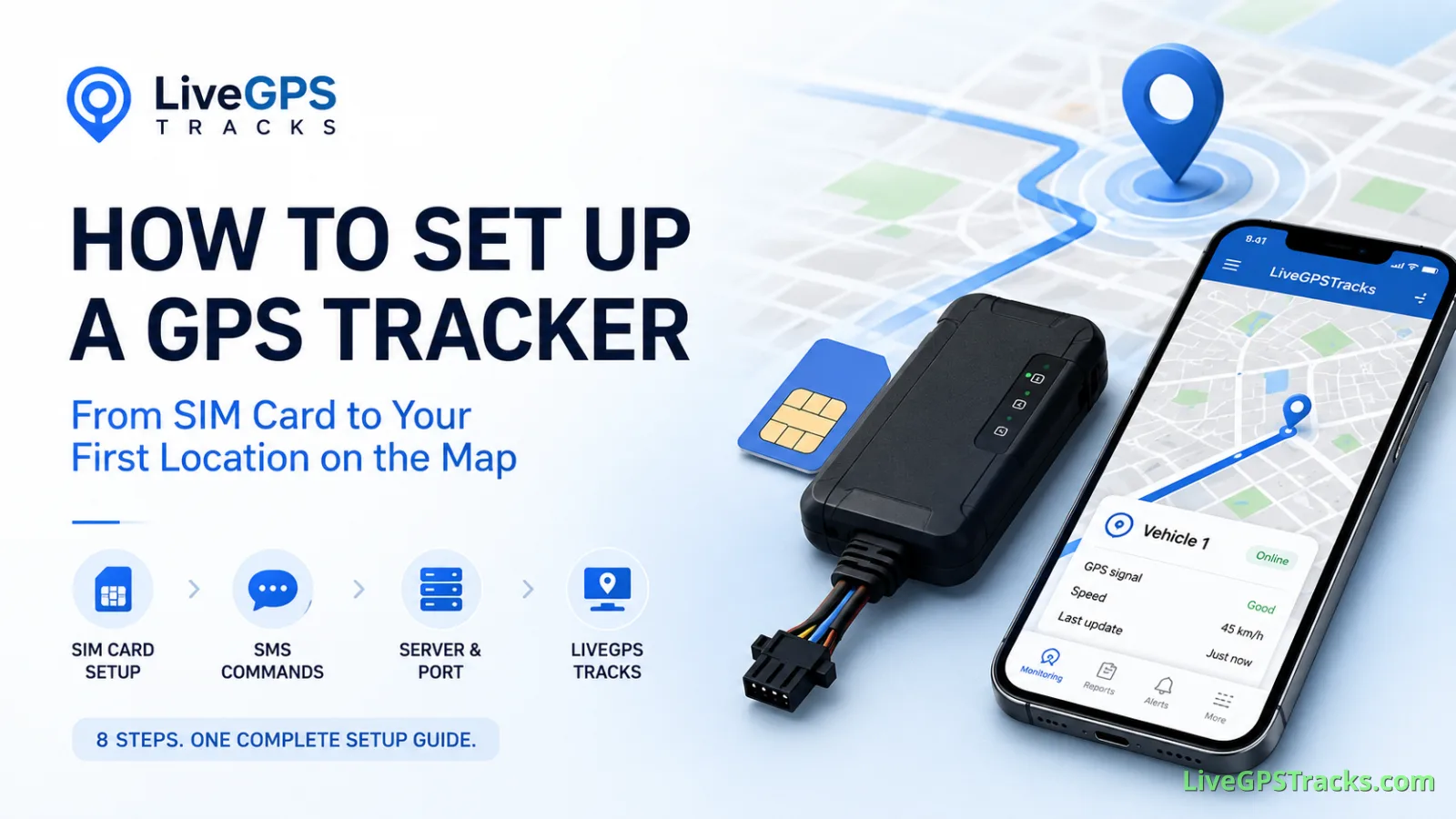
How to Set Up a GPS Tracker: From SIM Card to Your First Location on the Map
Learn how to set up a GPS tracker from start to finish. This complete guide walks you through SIM card preparation, SMS commands, APN settings, server and port configuration, testing, and connecting your device to LiveGPSTracks for real-time GPS monitoring.
2G and 3G Networks Are Being Switched Off. Will Your GPS Tracker Still Work?
2G and 3G networks are being retired worldwide. Find out whether your GPS tracker will still work, how to check its network support, and when it may be time to upgrade.
Your GPS Tracker Already Works with Another Service. How to Switch to LiveGPSTracks
Already using your GPS tracker with another service? Learn how to switch it to LiveGPSTracks safely: save the original server settings, use the test port, verify the device ID, and complete the connection without losing the option to switch back.
Comments
Sign in to comment.
No comments yet.