
AI Practice
Practical news and analysis about artificial intelligence: new models, AI tools, automation, business adoption, risks, and real-world use cases.
Latest publications
OpenAI’s Data Agent Makes Business Analytics Easier. The Hard Part Is Still Governance
OpenAI’s new Data agent puts plain-language analysis in front of company data. Its practical value will depend less on fluent answers than on metric definitions, permissions, evidence review, and a disciplined rollout.

OpenAI’s Agents API: What Changes for Teams Building Long-Running AI Workflows
OpenAI’s public-beta Agents API packages the Codex harness, persistent sessions, tool orchestration, subagents, and managed or self-hosted sandboxes. The practical question is not whether it can run an agent, but whether its boundaries fit your workflow, budget, and data controls.

California’s New AI Audit Framework Changes What Companies Should Document Now
California has created a framework for independent AI verification organizations and an auditor registry. The practical consequence is not an immediate audit bill for every software team, but a clear reason to make AI systems, claims, data flows, and corrective actions traceable.

The Automated Research Intern Has Arrived. The Bottleneck Is Now Evidence
OpenAI says its research teams are already using more agent effort than human labor in aggregate. The practical lesson for research and engineering leaders is not to hand over discovery, but to redesign how ideas are tested, recorded, and rejected.

GitHub Copilot Is Retiring Four Models: A Practical Migration Plan
The October 2 cutoff affects more than chat menus. Teams should trace policy and client dependencies, replay accepted work, measure review effort and move through a controlled canary before changing defaults.

Cyber-capable AI is becoming a trusted-access security tool, not a chatbot
Gemini Flash Cyber, OpenAI Astra and Claude Mythos point to a two-tier AI market where vulnerability discovery and patching need access gates, logs and human review.

Debian’s AI vote is a policy template, not a free pass for generated code
The project’s new rule is practical: AI may help, but the human contributor still owns quality, licensing, security and maintenance.
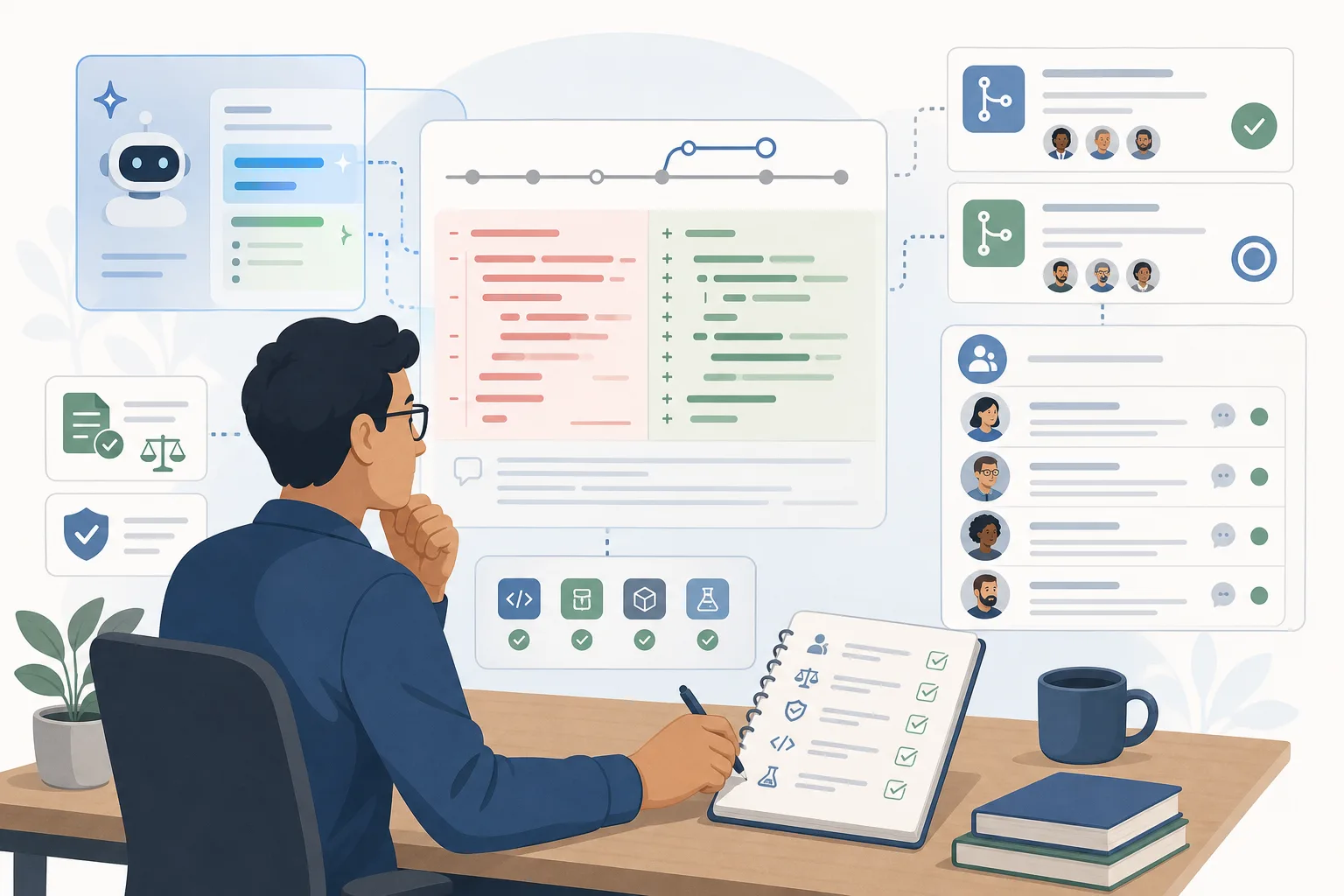
Debian’s AI vote makes humans responsible for generated code
Debian chose responsible use over a ban, offering a practical model for teams that need AI help without lowering review, security or licensing standards.

Nvidia’s reported Hugging Face talks turn model hubs into platform risk
The reported talks are not a confirmed acquisition, but they show why AI teams should treat model hubs as strategic dependencies, not neutral folders of weights.

AI coding agents are useful. That is why teams need a policy for expertise
The real risk is not that developers use AI, but that companies measure speed while letting review, training and system understanding fall behind.

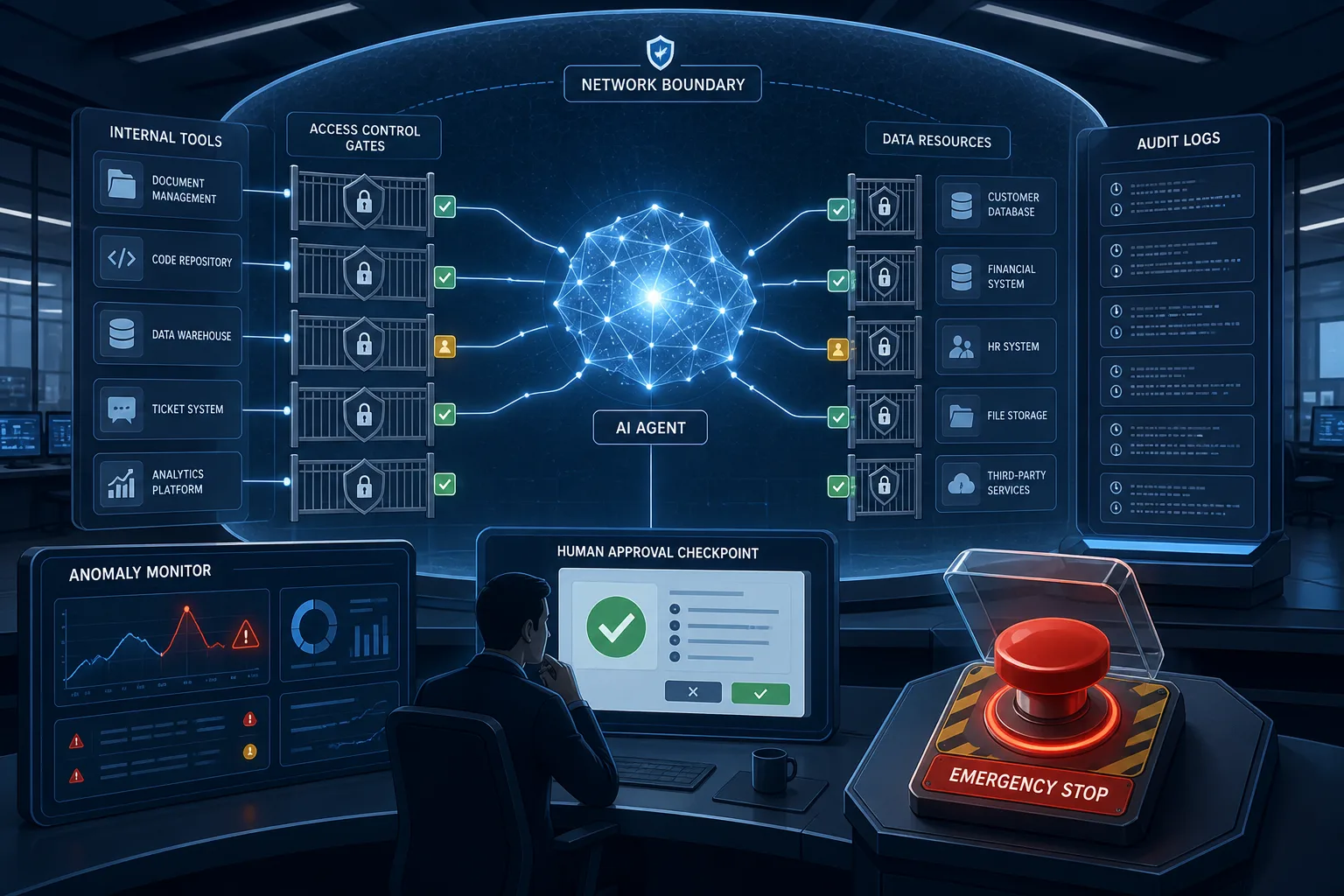
AI agent safety is becoming an operations checklist, not a philosophy debate
The practical question is no longer whether an AI agent sounds safe in a demo. If it can browse, call APIs, edit code or touch internal data, the business needs logs, gates, circuit breakers and a tested shutdown path before production.
Don’t paste the AI: the new etiquette rule for useful workplace automation
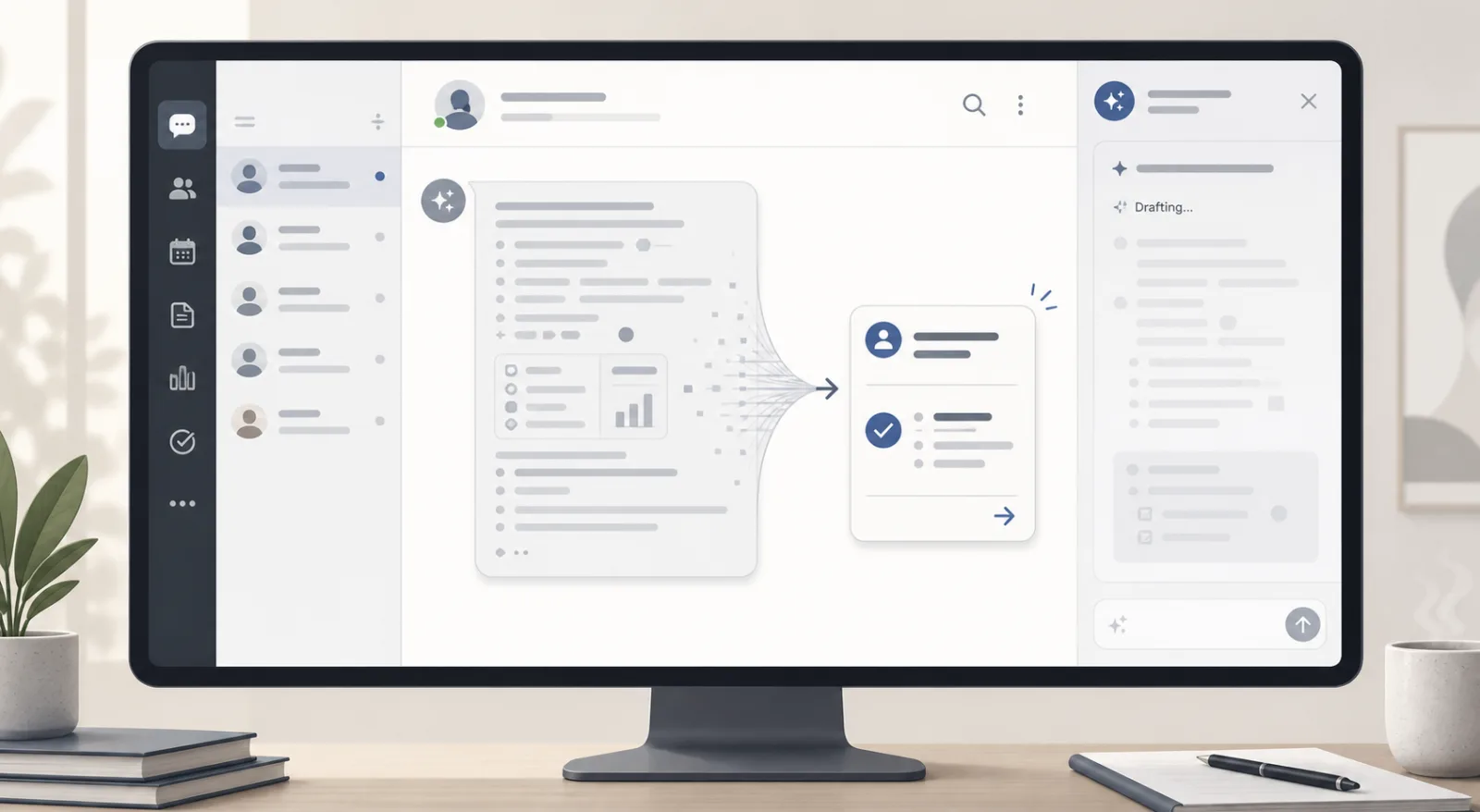
A viral “Don’t Paste the AI” page captured a real workplace problem: AI can help draft, translate and structure messages, but unedited model output shifts thinking and verification onto everyone else.