AliExpress 11.11 Pokémon Cards: How to Tell a Playable Collectible From a Proxy Listing
Pokémon cards and proxy packs are appearing among AliExpress’s current toy and hobby listings during the 11.11 event. Here is how to read the wording, check the card itself and decide whether the purchase is for collecting, casual play or only novelty value.

Why Pokémon Card Listings Are Worth Extra Attention During 11.11
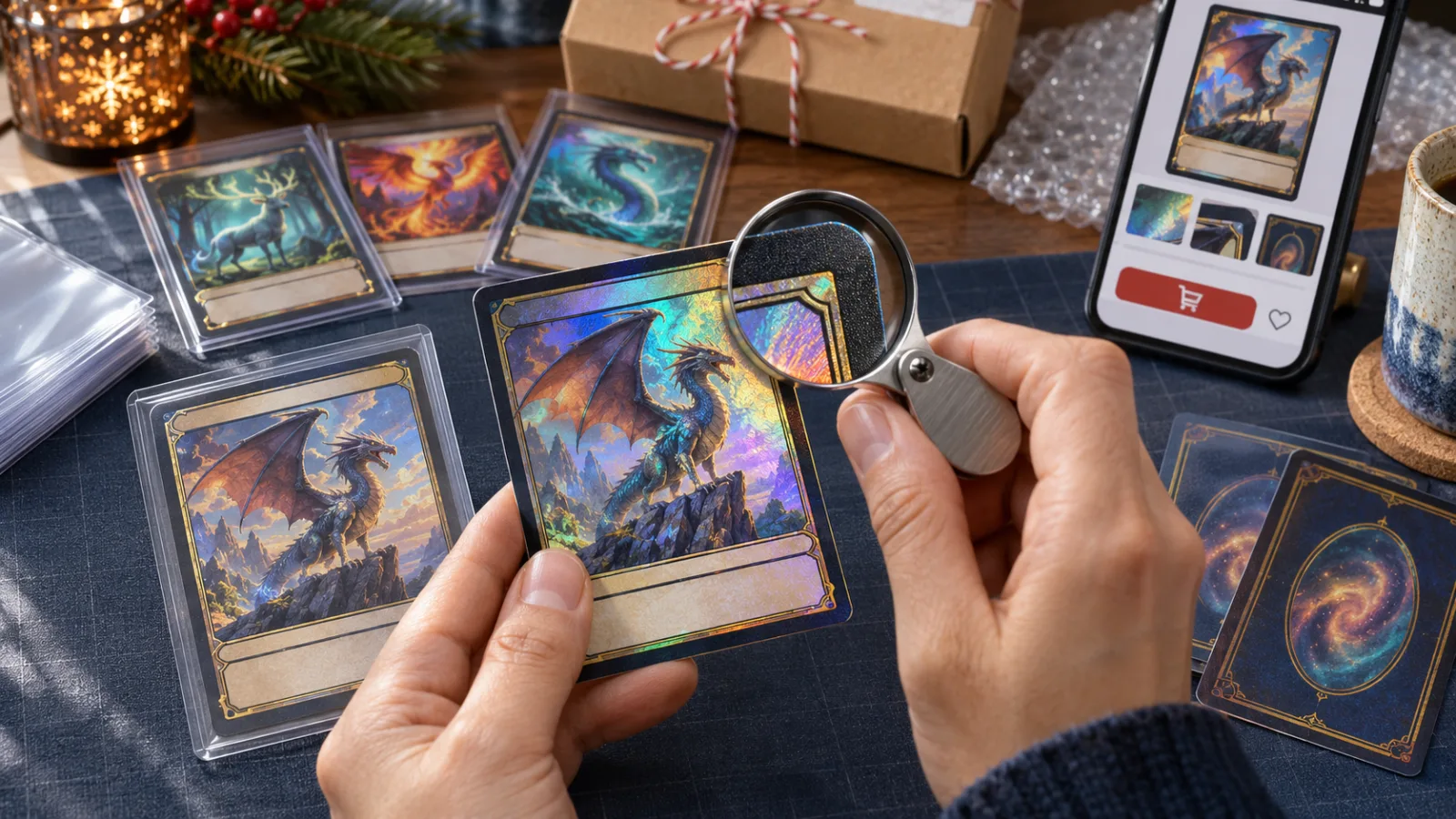
AliExpress’s 11.11 promotion runs from November 1 to 18, putting a large number of discounted products in front of shoppers at the same time. Among the marketplace’s current toys and hobbies listings are Pokémon cards, proxy cards and related toys, with some of those products appearing on trend pages as heavily ordered hobby items. That combination makes Pokémon listings worth reading carefully before treating a low price or a large order count as evidence that a product is an official, playable collectible.
The central question is not simply whether a listing looks cheap. It is what the seller is actually offering, and whether the wording makes that clear. A product may be an official Pokémon Trading Card Game item, a deliberately labelled proxy or custom card, or a listing that uses familiar characters and card imagery while leaving the buyer with an inaccurate impression of authenticity. Those categories can look similar in a fast-moving sale feed, but they do not have the same purpose or value. A proxy can be suitable for novelty use when it is presented honestly; it should not be treated as a genuine card for collecting, trading or play.
That distinction matters more during a promotion because sale language encourages quick comparisons. A listing may place a striking card image beside phrases associated with rare cards, special finishes or collections, while the important qualification is less prominent. The buyer can then compare the displayed price with the assumed value of a genuine card without first confirming what the seller says will be delivered. An unusually inexpensive “rare” card is therefore a reason to inspect the listing, not proof of a bargain. Price alone cannot establish whether the product is official, fan-made or counterfeit.
The same caution applies to order counts and surrounding product suggestions. Current marketplace trend pages show Pokémon cards alongside proxy cards and other hobby merchandise, but popularity on a marketplace does not authenticate an individual item. A product can attract attention because of its character, appearance or price while still being unsuitable for someone who wants a legitimate collectible or a card for play. The useful first step is to separate the shopping decision from the excitement of the event: decide whether the goal is an official product, a clearly identified novelty item or simply a visual display piece, then read the listing against that goal.
For an official product, the listing should be assessed as a product-identification question rather than a deal headline. Packaging, set references, card details and the seller’s description need to point in the same direction. If the language instead signals a proxy, DIY item or custom card, that may be an explicit disclosure rather than a hidden defect—but it changes what the buyer is purchasing. The problem begins when wording and presentation encourage an assumption of authenticity while the actual product is described only indirectly.
This is why the 11.11 context deserves attention without turning into a price roundup. The promotion creates a convenient moment to browse Pokémon products, while the mixture of official-looking images, proxy terminology and related toys makes it easy to overlook the basic classification of an item. Before comparing discounts, buyers should establish what kind of card the listing claims to sell and whether that claim is supported consistently by the page. The next step is to read the specific terms sellers use, because words such as “proxy,” “DIY,” “self-made,” “display” and “collection” can materially change the expectation attached to the purchase.
Read the Listing Language Before You Compare the Price
The first useful question is not “How cheap is this card?” but “What does the seller say it is?” A genuine, licensed Pokémon TCG product should be presented as a specific product, with identifiable packaging and enough information to connect it to a known set or release. A proxy or custom card is different: it may be made for display, novelty collecting or casual use, but it is not the same thing as an official product. The distinction matters before the order is placed, because a buyer looking for a playable collectible and a buyer looking for an unusual decorative card are making different purchases even when the listing uses similar Pokémon imagery.
Read the title, description and image captions as one set. Words such as “proxy,” “DIY” and “self-made” are direct signals that the item may be custom or unofficial. “Gold foil,” “display” and “collection” can also change the expected purpose of the card: they may point toward a novelty or decorative item rather than a normal trading card intended to be used as an authentic game or collection piece. None of these words, on its own, proves exactly what will arrive. Together, however, they should prevent the buyer from treating a vague listing as an ordinary sealed Pokémon TCG product.
| Listing language or feature | What it may indicate | What to check next |
|---|---|---|
| “Proxy” | A non-official substitute or custom card | Whether the description clearly says it is not an official Pokémon product |
| “DIY” or “self-made” | A fan-made or seller-produced item | Whether the buyer is being offered a novelty card rather than a genuine collectible |
| “Gold foil” | A special-looking finish or decorative treatment | Whether the photos show a recognized product and whether the wording explains the card’s status |
| “Display” or “collection” | An item intended mainly for presentation or novelty | Whether playability and authenticity are actually claimed |
| A named set with card numbers | An attempt to identify a specific release | Whether the set name, numbering and packaging details agree across the listing |
Packaging photographs deserve particular attention. Look for a coherent product presentation rather than relying on a single dramatic card image. The set name, visible card numbers, pack or box design and the seller’s written description should point to the same item. If the photographs show one kind of product while the text describes another, that mismatch is more useful than a low price as a reason to pause. A listing can use familiar character art and collector language while still offering a proxy, a custom card or an item whose status is not clear.
The seller’s answer to a direct question is another part of the evidence. Ask what the item is, whether it is official, what set it belongs to and whether the pictured packaging is included. The point is not to force a seller into a particular answer; it is to make the expected purchase explicit before payment. Save the listing wording and the response. If the seller avoids the question, changes the terminology or answers only with broad promises about rarity, that leaves the central issue unresolved. “Rare,” “limited,” or “high quality” describes appeal or appearance, not authenticity.
A low price should therefore be treated as a prompt for closer reading, not as proof of a bargain. An unusually inexpensive “rare” card may be a clearly labelled proxy, a decorative custom item or a listing that quietly implies more than it confirms. Price comparisons become meaningful only after the product identity is settled. Compare like with like: an official sealed product should not be evaluated against a single custom card, and a display-oriented gold-foil item should not be assumed to have the same collecting or playing value as a genuine card from a named set.
Before ordering, make a short record of four things: the exact product description, the terms used to identify the card, the packaging and set details shown in the images, and the seller’s answer to any authenticity question. If those elements agree, the buyer can make a more deliberate choice about whether the item fits a collection, casual use or novelty display. If they do not agree, the safest interpretation is that the listing is ambiguous, regardless of how convincing the artwork looks or how attractive the advertised price appears.
The Checks That Matter After Delivery
The most useful inspection begins with comparison, not with a single dramatic test. Put the delivered card beside a Pokémon card known to be genuine and look at the details that should remain consistent across the same product line: the overall layout, typography, borders, colour balance, set symbol, card number and the treatment of any holographic area. A listing may use familiar artwork and a convincing product photograph, but the printed card still has to match the visual system used on authentic Pokémon TCG cards. Differences in spacing, lettering, symbol placement or the shape of a border can be more revealing than an obviously poor image in the seller’s gallery.
The comparison should be made against a card from a matching language, set or era where possible. A genuine card is not a perfect reference for every variation: languages, print runs and card types can have legitimate differences. That is why one mismatch should be treated as a reason to investigate further, not as automatic proof that the card is fake. Pokémon Support advises buyers who suspect counterfeit cards to examine the product carefully and consider where it was purchased, while specialist guidance from TCGplayer also emphasizes checking the card’s printing, colour, layout and finish against a known authentic example. Those checks work best together because a counterfeit can imitate one feature while getting several others wrong.
Pay particular attention to the surface and the holo treatment. On a genuine holographic card, the reflective effect should make sense for the card’s design rather than appearing as a generic shine laid over the entire face. The borders should be clean, the text should look properly printed, and the artwork should not appear strangely soft or misaligned when viewed closely. Compare the back as well as the front: colour, central design, edge definition and alignment all form part of the card’s identity. If the front looks plausible but the back has a noticeably different tone, blurred details or an uneven print position, keep the card separate until the listing and seller response have been documented.
A translucency check can provide another clue. Under bright light, a card that appears unusually see-through may not have the expected construction. This is evidence, not a complete authentication method. Lighting conditions, sleeves, the angle of inspection and differences between card products can affect what the eye sees, so the result should be considered alongside the print quality, thickness, finish and comparison card. Avoid treating any one home test as a certificate of authenticity, particularly when the purchase is expensive or the card is being represented as rare.
Document the transaction before you handle a questionable card more than necessary. Photograph the unopened parcel, the shipping label, the outer packaging and the product as received. Save screenshots of the listing, including its title, description, photographs, stated set information and any wording such as “proxy,” “DIY,” “self-made,” “display” or “collection.” Photograph the front, back, edges, set numbering and holo area in clear light, and keep the order record and seller messages. This evidence preserves what was advertised and what arrived; it is more useful than relying on memory after the listing changes or disappears.
Do not destroy, trim, bend or alter the card while trying to prove a point. A suspected counterfeit is already difficult to return or report if its condition changes after delivery. Keep the card, packaging and related materials together, and contact the seller through the marketplace record if clarification is needed. A seller’s answer may help establish whether the item was intended to be an official product or a labelled fan-made proxy, but a reassuring message does not override what the card and listing actually show.
If the evidence points to a counterfeit or to a listing that implied authenticity without delivering it, use the preserved photographs and screenshots when pursuing a marketplace complaint. Pokémon’s support guidance and TCGplayer’s identification advice can help frame the inspection, but neither a home comparison nor a dispute process transforms an inauthentic card into a legitimate collectible. The practical goal is to establish exactly what was sold, what was received and which expectation was breached before deciding whether the item belongs in a novelty display, a proxy collection or nowhere near a deck or trade binder.
Who Should Buy, Who Should Skip It, and Better Alternatives
The right question is not simply whether an AliExpress Pokémon card listing looks inexpensive. It is whether the item matches what you intend to own. A novelty collector who wants an unusual display piece may decide that a clearly labelled proxy, custom card or fan-made design is acceptable. In that case, the listing should be understood on those terms: it may have decorative or entertainment value, but it should not be treated as an official Pokémon Trading Card Game product or as a genuine collectible merely because it uses familiar characters, set-style artwork or language such as “rare” and “gold foil.” The buyer’s decision is safer when the description is explicit about what is being sold and the expected use is limited to display, casual experimentation or personal novelty.
That tolerance does not carry over to every purchase. Tournament players should skip ambiguous listings because a card that is unofficial, altered or counterfeit cannot be assumed to be suitable for sanctioned play. Collectors buying for authenticity, long-term ownership or a meaningful collection should also avoid listings that leave the product’s status unclear. The same applies when the card is intended as a gift described as genuine. A recipient may reasonably expect an official product, and a low price or attractive packaging does not resolve the central question of authenticity. If the seller’s wording combines promises of genuine cards with signals such as “proxy,” “DIY,” “self-made,” “display” or “collection,” treat that uncertainty as a reason to stop rather than as an invitation to guess.
A practical decision rule is to separate three outcomes before ordering:
- Official product wanted: buy only when the listing, packaging and product information consistently identify an official Pokémon product. If those details are incomplete or contradictory, do not rely on the seller’s headline or photographs alone.
- Novelty item wanted: a proxy or fan-made card may be considered only when it is clearly labelled and the buyer accepts that it is not an authentic collectible or guaranteed playable card.
- Authentic card wanted but status unclear: skip the listing. The possible saving is not a substitute for certainty about what will arrive.
For genuine cards, safer alternatives are official Pokémon retailers, established local card shops and reputable specialist marketplaces. These channels do not eliminate the need to inspect a purchase, but they provide a more appropriate route when authenticity, playability or collectible condition matters. They also make it easier to compare a card with known genuine products and to ask questions using the set name, card number, packaging and other identifying details. By contrast, a marketplace listing built around vague wording or an implausibly attractive “rare” card leaves too much of the decision to assumptions that cannot be verified from the promotional image.
If a delivered card appears counterfeit or materially different from the listing, preserve evidence before disposing of packaging or altering the item. Photograph the unopened parcel, the outer and inner packaging, the listing as displayed, the seller’s description, relevant messages and the card’s front and back. Keep close images of the set numbering, typography, borders, colours and holo treatment, and record any comparison with a known genuine card. Pokémon Support and TCGplayer guidance can help frame the inspection, including the warning signs associated with layout, print quality and unusual translucency under bright light; those observations are evidence to document, not a complete authentication method by themselves. Submit the evidence through the marketplace’s dispute process if the order does not match its description, while retaining the item in the condition in which it was received.
A dispute can support a complaint about misdescription, counterfeit merchandise or a mismatch between the listing and delivery, depending on the platform’s process. It cannot, however, transform a counterfeit into a collectible. A refund or resolution addresses the transaction; it does not create authenticity, tournament legality or investment value. That distinction is the useful conclusion for 11.11 shopping: knowingly labelled proxies can have a place as novelty objects, but anyone seeking a genuine Pokémon card should choose a clearer source and walk away from a listing whose identity depends on optimistic interpretation.
Related articles
Cheap N100 and N150 mini PCs: when the marketplace bargain is real
A practical buyer check for tiny N100/N150 marketplace PCs: RAM, SSD, cooling, 2.5GbE, BIOS, power adapters and return risk.
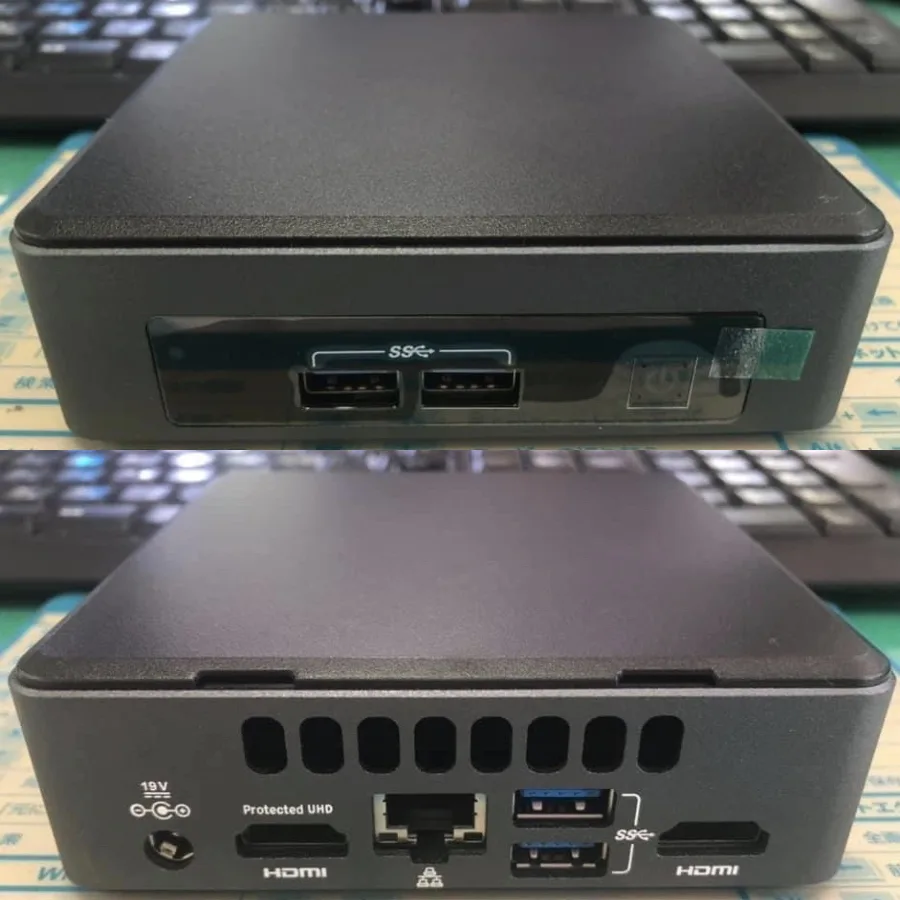
Tiny electric bike pumps from AliExpress: useful ride backup or rechargeable gimmick?
A practical buyer check for 120–150 PSI mini inflators, with valve, battery, heat and backup-plan caveats before you trust one on a ride.
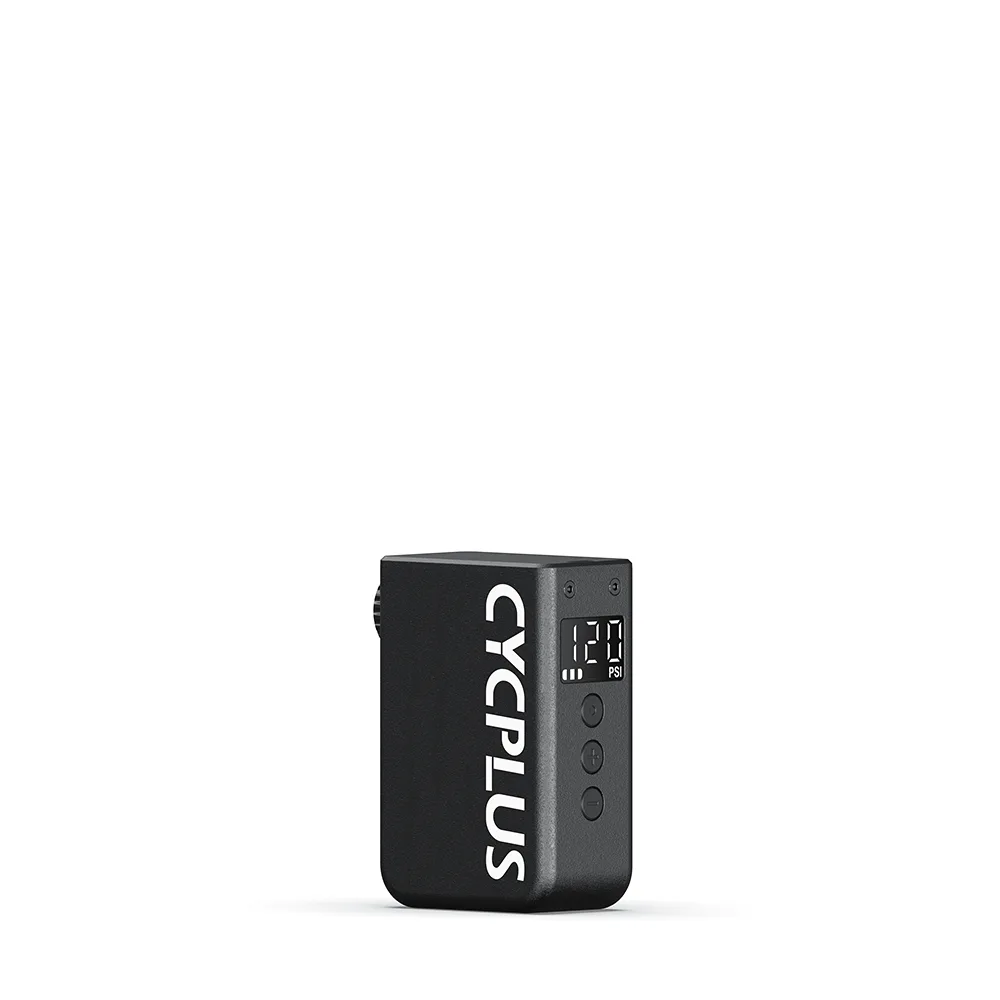
Cheap USB-C portable monitors on AliExpress: useful second screen or dim travel gadget?
A practical buyer check for 15.6-inch marketplace screens: ports, brightness, power, stands, reviews and return risk before checkout.
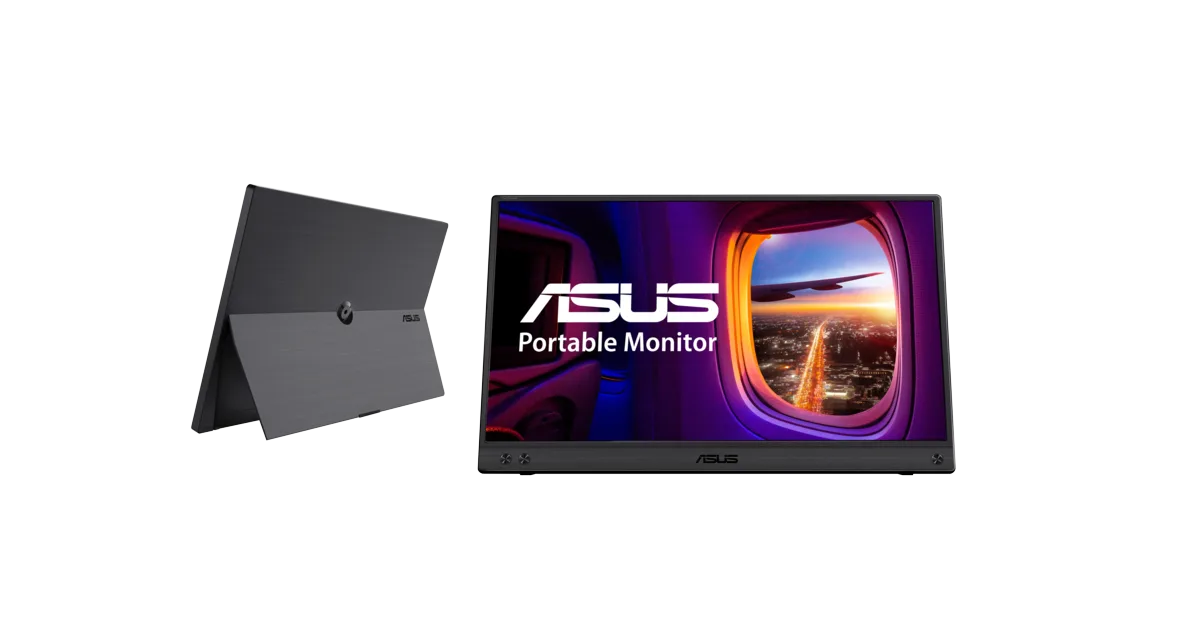
Mini PC N100 y N150 baratos: cuándo la oferta del marketplace tiene sentido
Una revisión práctica antes de comprar: RAM, SSD, refrigeración, 2.5GbE, BIOS, fuente de alimentación y riesgo de devolución.
Comments
Sign in to comment.
No comments yet.