Cheap portable jump starters from marketplaces: useful trunk tool or risky 4000A promise?
A practical guide to judging marketplace jump starters by clamps, capacity, protections and vehicle fit instead of the largest peak-amp claim.

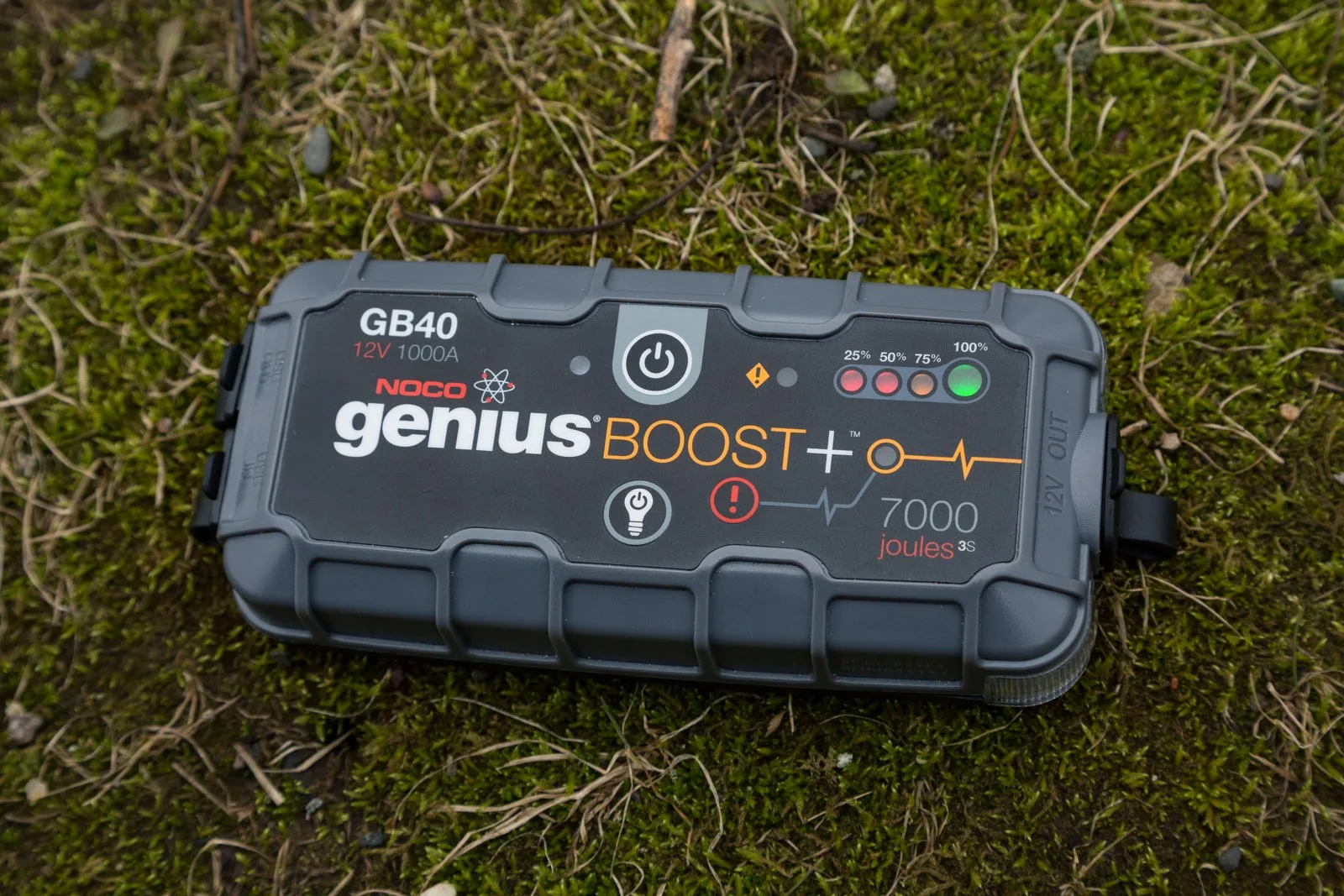
A compact lithium jump starter is one of those marketplace products that sounds almost too convenient: a small zip case, two clamps, a flashlight, USB ports and a listing image shouting 1000A, 2000A, 3000A or even 4000A. Compared with calling roadside assistance or keeping a heavy lead-acid booster in the garage, the promise is attractive. The honest question is not whether these devices can ever help. Many can. The real question is whether the exact booster in a marketplace listing is safe, credible and suitable for your vehicle, your climate and your habits.
Why the category is tempting now
Portable jump starters are visible across AliExpress-style stores, local marketplaces and automotive shelves because they sit between a power bank and a car emergency tool. They are small enough to live in a glove box or trunk organizer, and the same listing often promises phone charging, an SOS light and several starts from one charge. Current automotive buying guides and reviews are still covering the category, which is a useful signal that shoppers are comparing these packs rather than treating them as a niche gadget. That interest should not be confused with proof that every anonymous 4000A box is strong.
The market also creates a familiar bargain problem. Branded units describe themselves with conservative vehicle classes, voltage, battery chemistry, charging input and protection features. Unknown listings may put the biggest current number on the hero image while hiding watt-hours, cable thickness, operating temperature and return terms lower down the page. A marketplace find is good only if the boring details survive inspection.
What a jump starter can and cannot fix
A 12 V lithium booster is meant for a weak or discharged conventional starter battery in a compatible vehicle. It can be useful after interior lights were left on, after a car sat for a few weeks, or when a small petrol car has enough mechanical health to start once it receives extra current. It is not a diagnostic computer, an alternator repair, a starter-motor replacement or a cure for immobilizer, fuel, ground-strap or crank-no-start faults.
This distinction matters because forum posts about cars that “will not start” often mix very different problems. If the engine does not crank at all, a weak 12 V battery may be one possibility. If the engine cranks strongly but does not fire, a booster is much less likely to solve the root cause. If the car repeatedly needs a jump, the useful purchase may be a new battery, a parasitic-drain diagnosis or charging-system service rather than a stronger portable pack.
The amp number is only the beginning
Peak amps are marketing-friendly because they make a small box look heroic. They are also difficult to compare across brands unless the test method, duration and voltage drop are stated. A serious product may still advertise a peak current, but it usually pairs that number with engine-size guidance, 12 V compatibility, charge method, protection features and operating limits. A cheap listing that says 4000A but gives no watt-hours, no cell information and no temperature range is asking you to trust the largest number while ignoring the parts that matter.
Use branded benchmarks to calibrate your suspicion, not to endorse one brand. NOCO’s official GB40 page presents a 1000A 12 V lithium jump starter and states support for gasoline engines up to 6.0 L and diesel engines up to 3.0 L, plus USB power-bank use, a 100-lumen flashlight and an IP65-rated enclosure. Its GBX45 page describes a 1250A 12 V model for gasoline engines up to 6.5 L and diesel engines up to 4.0 L, with 60 W USB-C Power Delivery and a rapid-charge claim. Those specifications show how a more serious product frames the job. They do not prove that a no-name booster with a bigger printed number will outperform it.
Match the pack to the vehicle, not to the fantasy
Small lithium boosters make the most sense for motorcycles, small petrol cars and occasional emergency use. A mid-size pack with clear engine-size guidance may be reasonable for a family car or crossover if the vehicle battery is merely weak. Large diesels, commercial vans, older engines that need long cranking, and vehicles used in severe winter conditions are a different category. In those cases the cheapest pocket booster is often the wrong place to economize.
Diesel engines are harder on these devices because they typically need more cranking current, especially in cold weather. Petrol engines also vary by displacement, oil viscosity, battery condition and temperature. A listing that says “all cars” or “starts any engine” is less credible than one that limits its claims. Limits are not a weakness; they are evidence that the seller understands the product.
Capacity: look for watt-hours, not only mAh
Many marketplace listings advertise capacity in mAh because phone power banks trained buyers to recognize that number. For a jump starter, a mAh figure without voltage is incomplete. Watt-hours are more useful because they describe stored energy in a way that can be compared across battery voltages. If a listing shows a huge mAh claim in a tiny case but no watt-hours, weight or cell configuration, treat the capacity claim as unproven.
Real capacity also matters for storage. Lithium cells age, self-discharge slowly and lose performance when cold. A booster left untouched for two winters may still show a friendly percentage display while being weaker under load. If you buy one, it needs a maintenance habit: charge it after arrival, check it periodically, and follow the manual’s storage temperature and recharge interval. The emergency tool is only useful if it is charged when the bad morning arrives.
Clamps and cables are not decoration
Buyer photos are valuable because the clamps reveal whether the device is a real automotive tool or a power bank wearing costume jewelry. Look for clamps with a strong spring, enough metal contact area, insulated handles, cables that are not comically thin, and a plug that seats securely in the booster. Short leads can be normal on compact packs, but they should still allow safe placement without balancing the battery box on a hot or moving part.
Cheap clamps can slip, bite only a tiny edge of the terminal or twist when the cable is loaded. That is not merely annoying. Poor contact increases heat and voltage drop, and it can encourage unsafe improvisation. A listing with ten glossy renders and no buyer photo of the real clamp set deserves caution. If the clamp module includes clear status lights and warnings for reverse polarity or low voltage, that is a practical advantage over a mystery cable.
Protection features should be explicit
For electronics in this category, the safety section of the listing matters more than colorful lifestyle pictures. Look for reverse-polarity protection, short-circuit protection, over-current protection, over-temperature protection, spark-resistant connection logic and clear error indicators. Do not assume these features exist because the pack is modern or because a product image shows a shield icon. The exact model should state them plainly, preferably in a manual or specification table rather than only in a seller slogan.
Certification claims need the same skepticism. CE, UKCA, EAC, FCC, RoHS or UL-style marks are often shown on marketplace electronics, but a badge in a picture is not documentation. If the seller cannot show a plausible manual, label plate, model number and compliance information, treat the claim as marketing. This is especially important because the device connects to a lead-acid battery and can deliver high current.
Cold weather changes the deal
A jump starter bought for winter has to be judged by winter rules. Lithium cells deliver less power when cold, and a cold engine with thick oil asks for more current at the same time. That double hit is why a pack that works in a warm review video may disappoint after a freezing night. Store and charge the pack within the manufacturer’s guidance, and do not assume that leaving it in an unheated trunk all season is harmless.
If you live where winter starts are a serious risk, consider buying above the minimum rating, choosing a known automotive brand, keeping a battery maintainer at home, or replacing an ageing 12 V battery before it fails. A marketplace booster can be a useful backup, but it should not be the plan that hides a dying battery until the first hard freeze.
Combo units with compressors: convenient, but heavier compromises
Some listings combine a jump starter, USB power bank, LED light and tire inflator. The idea is attractive because two emergency tools share one case. The compromise is that the unit becomes larger, hotter, more mechanically complex and more expensive to return. A compressor also needs realistic pressure and duty-cycle claims, hose quality and noise tolerance. If your main concern is starting a car, a dedicated booster with better clamps may be smarter than a bulky combo that does everything moderately.
The opposite can also be true for apartment dwellers or occasional drivers who want one organized kit and accept the trade-off. The point is to judge the combo as two tools, not one magic box. A weak compressor does not make a weak jump starter better, and a good USB-C port does not prove the clamp output is honest.
Marketplace review signals that actually help
Photo reviews are more useful than star counts. Search for pictures of the exact delivered product, the clamp module, the label plate, the case, the cable ends, the manual, the included charging cable and the screen while the unit is powered. Reviews mentioning the vehicle type can be helpful, but only if they are specific and realistic. “Started my 1.6 petrol after leaving lights on” is more informative than “super power good seller.”
Also read the negative reviews. Complaints about arriving half-charged are not automatically fatal, but swollen cases, melted plugs, dead-on-arrival units, inconsistent displays, broken clamps or sellers refusing returns are serious warning signs. For a lithium item, the return path matters before purchase because cross-border shipping, local platform rules and courier restrictions can complicate a dispute. Do not buy assuming that a badge on the listing guarantees an easy outcome.
Airline and shipping caveats
A jump starter is a lithium battery pack, not a harmless cable. The FAA PackSafe guidance for lithium batteries treats spare lithium batteries and power banks as carry-on items rather than checked-baggage items, and watt-hour limits matter. Other jurisdictions and airlines can have their own rules. Before flying or returning a pack by mail, check the watt-hour rating, airline policy, local regulations and courier restrictions for the exact device.
This is one reason vague capacity claims are annoying. If the product does not clearly state watt-hours, you may have trouble deciding whether it is acceptable for travel or shipment. Even when a pack is within a limit, approval is not something a marketplace article can promise.
Who should consider one
A compact lithium jump starter is a sensible marketplace find for a driver with an otherwise healthy 12 V system who wants a backup after accidental battery drain. It also fits motorcyclists, households with more than one vehicle, suburban or rural drivers who may wait a long time for help, and people who already maintain emergency gear instead of throwing it into the trunk and forgetting it.
It is especially attractive if you can verify clear specifications, real protection features, usable clamps, believable buyer photos and local return terms. In that scenario, even a cheaper marketplace unit can be a practical tool rather than a trophy for the largest amp number.
Who should skip the cheap version
Skip the bargain pack, or buy a stronger known model, if you drive a large diesel, use the vehicle commercially, face severe winters, or regularly need repeated starts. Also skip it if the listing hides watt-hours, has only rendered images, promises universal compatibility, shows suspicious certification badges, or cannot demonstrate reverse-polarity and short-circuit protection. The cheapest option is not cheap if it fails when needed or creates a safety problem.
People who will not recharge the pack periodically should also be honest with themselves. A conventional set of jumper cables, a home battery maintainer, roadside assistance or replacing an old battery may be a better match. The best emergency tool is the one that fits your actual habits.
Before ordering: a practical checklist
Confirm that the vehicle is a 12 V system and that the listing’s engine-size claim fits your petrol or diesel engine with margin. Look for watt-hours or at least a coherent capacity specification, operating-temperature range, charging input, protection features and a readable manual. Inspect buyer photos for the actual clamps and cable thickness, not only studio renders.
Check the seller’s return rules on your local platform page, not a generic banner. Avoid listings that promise impossible capacity, one-second starts for all vehicles, safe use in every condition or guaranteed recovery of dead batteries. After arrival, inspect the pack, charge it as directed, read the manual and test only in a safe way consistent with the vehicle manufacturer’s instructions.
Verdict
Portable lithium jump starters can be genuinely useful marketplace finds. The category is not fake, and a charged, suitable booster can save a morning after a simple 12 V battery drain. But the best buy is rarely the box with the loudest 4000A image. It is the model whose ordinary details make sense: honest vehicle limits, stated capacity, strong clamps, explicit protections, realistic cold-weather guidance, a readable manual and a return path you can live with.
Treat the amp number as the headline, not the evidence. The evidence is in the specification table, the clamp photos, the safety documentation and the way the seller handles the unglamorous questions. If those pieces are missing, keep looking or buy a known automotive unit instead of trusting a mystery battery in the trunk.
Related articles
Tiny electric bike pumps from AliExpress: useful ride backup or rechargeable gimmick?
A practical buyer check for 120–150 PSI mini inflators, with valve, battery, heat and backup-plan caveats before you trust one on a ride.
Cheap USB-C portable monitors on AliExpress: useful second screen or dim travel gadget?
A practical buyer check for 15.6-inch marketplace screens: ports, brightness, power, stands, reviews and return risk before checkout.

USB-C soldering irons from marketplaces: clever repair tool or unsafe starter kit?
A practical buyer check for Pinecil-style portable soldering irons, power supplies, tips, stands and safety before ordering a cheap kit.

Should you buy a portable air conditioner in 2026?
A practical verdict on when a portable AC is a smart heat-wave backup and when it is just a loud compromise.

Comments
Sign in to comment.
No comments yet.