Should you buy a portable air conditioner in 2026?
A practical verdict on when a portable AC is a smart heat-wave backup and when it is just a loud compromise.

A portable air conditioner is tempting because it promises a clean deal: no renovation, no outdoor unit, no landlord argument, and cold air tonight. That promise is real. It is also narrower than the box makes it look. The best portable AC is not a cheaper split system. It is a rescue device for rooms where a window unit, mini-split, or central system is impossible.
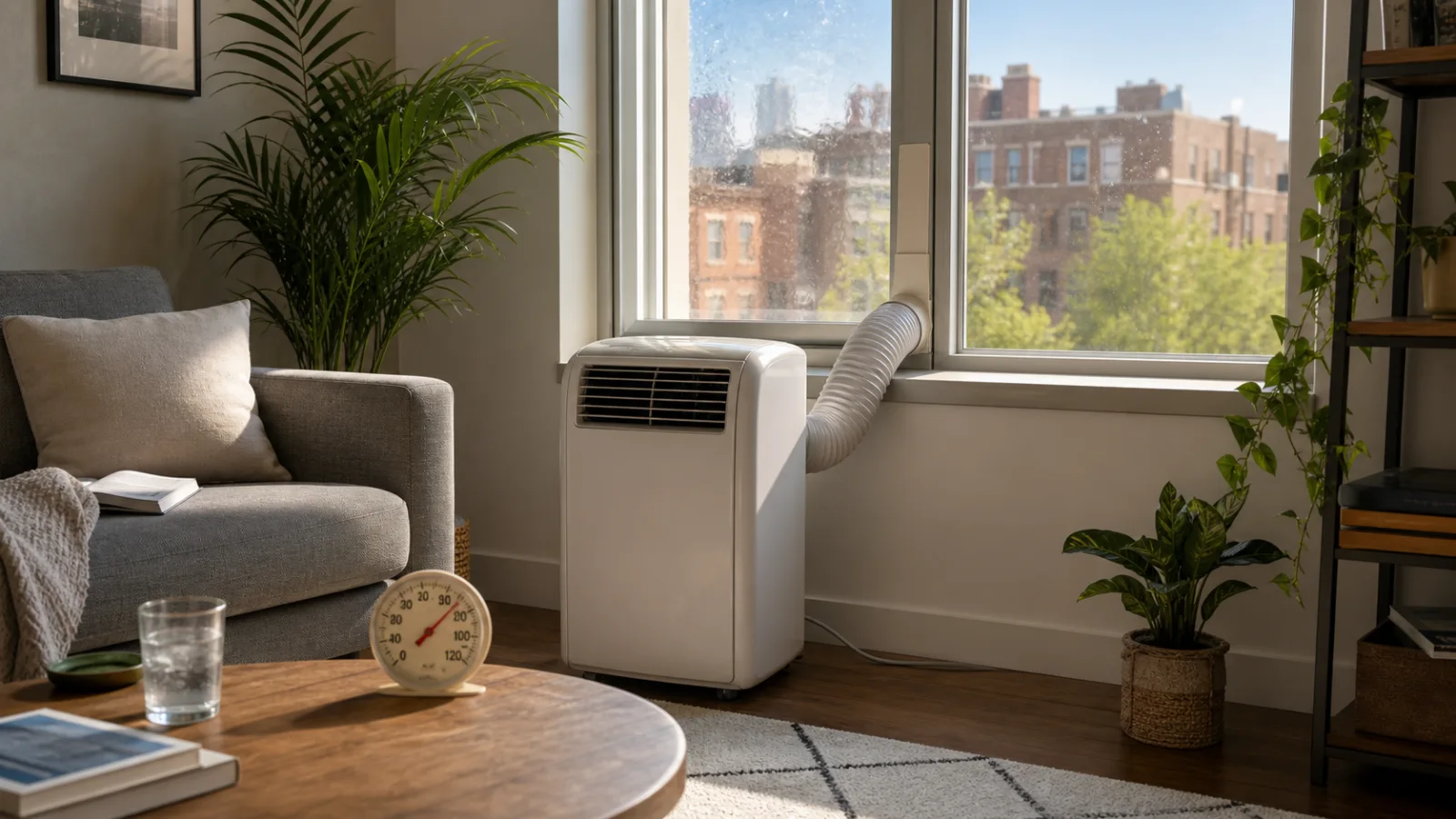
My short verdict: buy one if you need targeted cooling in a rental, a home office, a bedroom during heat waves, or a room where permanent installation is off the table. Skip it if you are trying to cool a whole apartment, if you can safely fit a good window unit, or if noise will make you stop using it. The honest question is not “does it cool?” It does. The question is whether the heat, noise, hose, condensate, window kit, and electricity bill still make sense after the first hot week.
The verdict before the shopping list
A portable AC is worth buying when three things are true. First, the room has a window or exterior opening where the exhaust hose can be sealed properly. Second, you are cooling one room with a door that can close, not an open plan space. Third, you accept that the machine is part appliance and part temporary installation. It has to move air, drain moisture, and reject heat outdoors. If any of those jobs is treated casually, performance falls fast.
It is not worth buying when you expect central-air comfort from a rolling box. Every portable AC has to sit inside the room it is cooling, which means the compressor and fan noise stay with you. Every model needs an exhaust hose, and that hose is a hot object crossing the room toward the window. Single-hose units can pull conditioned room air out of the house and create negative pressure, so warm outdoor air sneaks back in through cracks. Dual-hose and newer hose-in-hose designs reduce that problem, but they do not make the physics disappear.
The U.S. Department of Energy’s room-air-conditioner guidance is useful here because it pulls the conversation away from marketing BTU numbers. Cooling capacity has to match the room. DOE guidance commonly uses about 20 BTU per square foot as a starting point for room air conditioners, then adjusts for ceiling height, sun exposure, climate, and window area. It also warns that oversizing can cool the air quickly without removing enough humidity, which leaves the room clammy. That matters with portable units because buyers often overcorrect: they buy the biggest box they can lift, then discover that comfort is not only temperature.
Why portable AC ratings are confusing
The number printed largest on the front of the listing is often not the number you should use. Portable units have historically been sold with optimistic BTU claims that do not reflect the losses from hoses, infiltration, and heat remaining inside the room. The more useful rating is SACC, seasonally adjusted cooling capacity, and the efficiency number to watch is CEER, combined energy efficiency ratio. Wirecutter’s 2026 portable AC testing notes the same practical point: modern SACC and CEER labels are more helpful than old headline BTU claims, but product pages can still be confusing enough that the EnergyGuide label is worth checking directly.
For a normal bedroom or small office, an 8,000 to 10,000 SACC unit is often the sensible range. For a larger sunny room, you may need more, but “more” is not free. Bigger models are heavier, louder, more expensive, and more demanding at the outlet. If the room is badly exposed to afternoon sun or has poor insulation, you may be better off combining a correctly sized AC with blackout curtains, weatherstripping, and a fan than buying a giant portable unit and hoping raw capacity will fix the building.
Look for the SACC number, not just the old ASHRAE BTU number. A box might advertise 14,000 BTU while its realistic SACC figure is much lower. That gap is not fraud by itself; it is a difference in test methods. But it changes the buying decision. If two units have similar prices and one is clearer about SACC, CEER, amperage, and condensate handling, that clearer unit is usually the safer buy.
Single hose, dual hose, and the hose-in-hose compromise
The hose design matters most in hot rooms, smoky outdoor conditions, or homes with gas appliances. A single-hose portable AC exhausts hot air through one duct. The air it exhausts has to be replaced from somewhere, so outdoor air leaks into the home through gaps. In a mild climate this may be acceptable. In a heat wave, it can feel like cooling with one hand while opening the door with the other.
A dual-hose model uses one hose to pull outdoor air for the condenser and another to send hot air back out. That reduces negative pressure and can make performance steadier. Some newer designs combine intake and exhaust in a larger hose-in-hose assembly. The result is not magic, but it is cleaner than the old bargain single-hose boxes. If the price difference is reasonable and the room is used daily, I would usually choose the dual-hose or hose-in-hose design.
There is one caveat. A good single-hose model with an inverter compressor, careful installation, and a realistic SACC rating can beat a sloppy dual-hose unit with a bad window kit. Do not buy by hose count alone. Buy the whole system: compressor type, realistic capacity, window sealing, drainage, noise, warranty, and service access.
The room matters more than the machine
The room decides whether the purchase feels clever or disappointing. A small bedroom with a normal sliding window, a door that closes, and curtains can be cooled well by a portable AC. A loft with high ceilings, west-facing glass, an open staircase, and a leaky window kit will punish even an expensive model. Before buying, stand in the room at the hottest part of the day and answer a few unglamorous questions.
Where will the hose go? Can the window panel seal without tape sculptures? Will the hose be short and straight, or will it bend behind furniture? Is there a grounded outlet on a circuit that is not already carrying a heater, microwave, gaming PC, or other heavy load? Where will condensate go if the unit fills its tank during humid weather? Can you sleep or work with a fan and compressor cycling three meters away?
Those questions sound boring. They are the buying decision. A portable AC is one of those products where installation quality is half the performance. If you leave a thumb-sized gap around the window panel, hot air comes back. If the exhaust hose is stretched across the room in direct sun, it radiates heat. If the filter clogs, airflow drops. If the drain is awkward, you eventually stop running dehumidification properly. The box matters; the setup decides whether you keep liking it.
What to buy if you decide yes
Start with an inverter model if your budget allows it. Inverter compressors can vary their output instead of banging on and off at full power. In practice, that can mean smoother temperature control, less annoying noise, and better part-load efficiency. It does not make the unit silent. It just changes the sound from a harsher cycle to a steadier background hum.
Choose a realistic capacity. For a sealed bedroom, 8,000 SACC may be enough. For a medium living room, 10,000 to 12,000 SACC can make sense if the window kit and electrical circuit are suitable. Treat very large claims carefully. If the room needs more than a portable AC can comfortably provide, the right answer may be a window unit, a through-wall unit, a mini-split, or a building-level fix.
Check the window kit before you check the app. The kit should fit your window type, extend securely, and seal without heroic improvisation. Casement windows, tall balcony doors, and unusually wide sliders can turn a simple purchase into a weekend project. Some buyers end up using plexiglass inserts or custom panels. That can work, but it should be part of the budget and not a surprise after delivery.
Noise deserves more attention than smart features. If the unit will sit in a bedroom, read independent tests and owner comments about low-speed sound, compressor pitch, and rattles. Decibel numbers are useful only if measured consistently, which they often are not. A slightly less powerful unit that you can tolerate every night beats a stronger unit you turn off at midnight.
For humid climates, inspect drainage. Many models evaporate some condensate and exhaust it, but high humidity can still fill an internal tank. A continuous drain option helps if you can route it safely. If you cannot, make sure the tank alert, access point, and emptying process are not miserable. A machine that cools well but demands awkward draining every few hours is not a good bedroom appliance.
What not to overpay for
Do not pay much extra for Wi-Fi unless you know you will use it. Remote start can be convenient, but many rooms cool quickly enough that a timer or basic remote is fine. Smart-home integration is nice when reliable, not a substitute for capacity or sealing. A beautiful app cannot overcome a bad hose path.
Do not overpay for vague “rapid cooling” claims. Cold air at the grille is easy; comfortable room conditions are harder. Read the realistic rating, the efficiency label, and the physical design. Also be careful with heater modes. Heat-pump portable units can be useful in shoulder seasons, but they are not automatically a winter heating plan. Check the rated operating range and remember that the same hose/window compromises still apply.
Do not buy a no-name bargain model with unclear SACC, no accessible filter, weak warranty information, or replacement parts that seem impossible to find. Portable ACs are mechanical appliances. Fans, pumps, louvers, compressors, hoses, and window panels matter. Saving money upfront can get expensive if a cheap hose cracks or the drain plug breaks mid-summer.
When a window unit is simply better
If your window can safely take a window AC, that is often the better buy. The noisy and hot parts sit more outside than inside. There is no long exhaust hose radiating heat across the room. Efficiency is usually better for the same comfort. Installation can be less pretty, and some buildings forbid it, but from a cooling perspective the old-fashioned option still has a strong case.
Portable ACs win when the window unit is banned, unsafe, too hard to install, or impractical because you move often. They also make sense as backup cooling: one machine that can save a bedroom during a heat wave, protect a home office during a building outage, or cool a nursery at night. Backup use changes the value calculation. You may accept lower efficiency because the alternative is no cooling when you need it most.
The running cost nobody likes to calculate
A portable AC can draw serious power for hours. The exact bill depends on wattage, runtime, electricity price, climate, and room conditions, but the habit matters more than the brochure. Running one machine in one closed bedroom at night is a different expense from trying to cool the living room all day with doors open. DOE notes that air conditioning already represents a meaningful share of household electricity use in the United States, and inefficient room cooling can show up quickly on the bill.
Use it like a zone-cooling tool. Pre-cool the room before sleep, close doors, block direct sun, clean the filter, and use a fan to move air across people rather than forcing the AC to chill every cubic meter. Set the thermostat to a temperature you can live with, not the coldest number available. Each of these habits is small. Together they decide whether the appliance feels like a smart compromise or an expensive panic buy.
A practical buying checklist
Buy if you can answer yes to most of these: the room is under control, the window can be sealed, the outlet is appropriate, the SACC rating matches the space, the hose path is short, the noise is acceptable, and you understand drainage. Prefer inverter models, clear EnergyGuide information, dual-hose or hose-in-hose designs where practical, washable filters, and a window kit you can actually install.
Pause if any of these are true: you need to cool several rooms, the only window is awkward or far away, you are sensitive to compressor noise, the building has poor insulation and strong afternoon sun, or the unit would share a circuit with other heavy appliances. In those cases, a portable AC may still help, but it is no longer an easy yes. You are buying a workaround, and workarounds deserve stricter inspection.
Final verdict
A portable air conditioner is worth buying as a targeted solution, not as a fantasy version of central air. It is best for renters, bedrooms, home offices, and heat-wave backup. The good models have become more honest thanks to SACC and CEER ratings, and inverter designs have made the category less crude than it used to be. Still, the category has hard limits. If you can use a window unit or mini-split, look there first.
If you do buy, buy the boring stuff: realistic capacity, a good window seal, tolerable noise, simple drainage, and a design that does not fight the room. That is less exciting than the cold-air promise on the box, but it is the difference between a machine you recommend in August and one you drag into storage with a grudge.
Sources considered include the U.S. Department of Energy guidance on room air conditioners and air-conditioning efficiency, plus Wirecutter’s 2026 portable AC testing notes on SACC, CEER, hose design, and practical setup.
Related articles
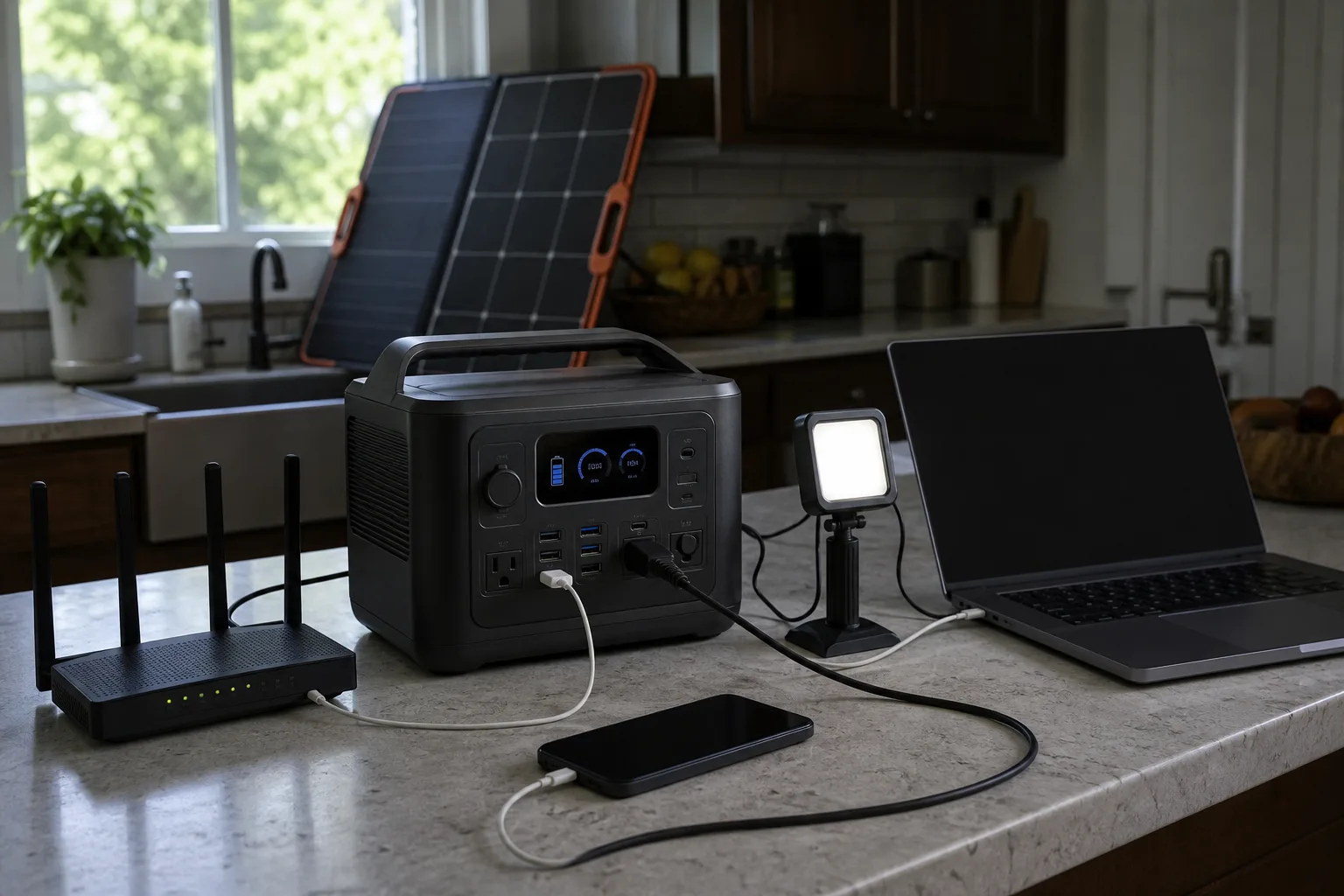
Should you buy a portable power station in 2026?
A practical verdict on portable power stations: when they help, when they disappoint, and what to check before spending money.
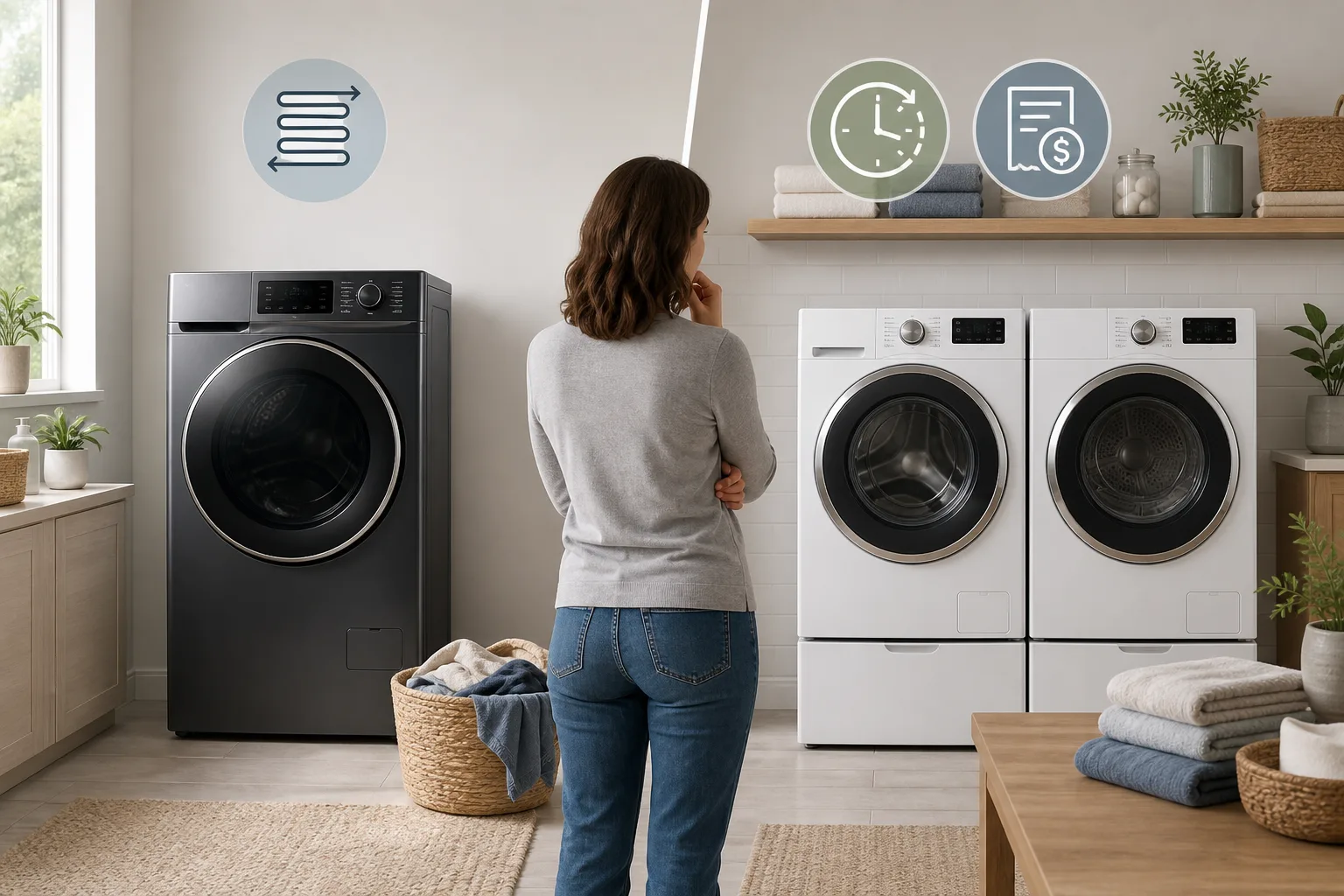
Should you buy a heat-pump washer-dryer combo in 2026?
All-in-one heat-pump laundry machines are finally useful for the right home, but the one-box promise can become a bottleneck for families and heavy laundry.
Should you buy a Mac mini for local AI? Only if the workload is real
A quiet Apple Silicon desktop can be a useful private AI server, but memory, model quality and cloud alternatives matter more than the local-AI hype.

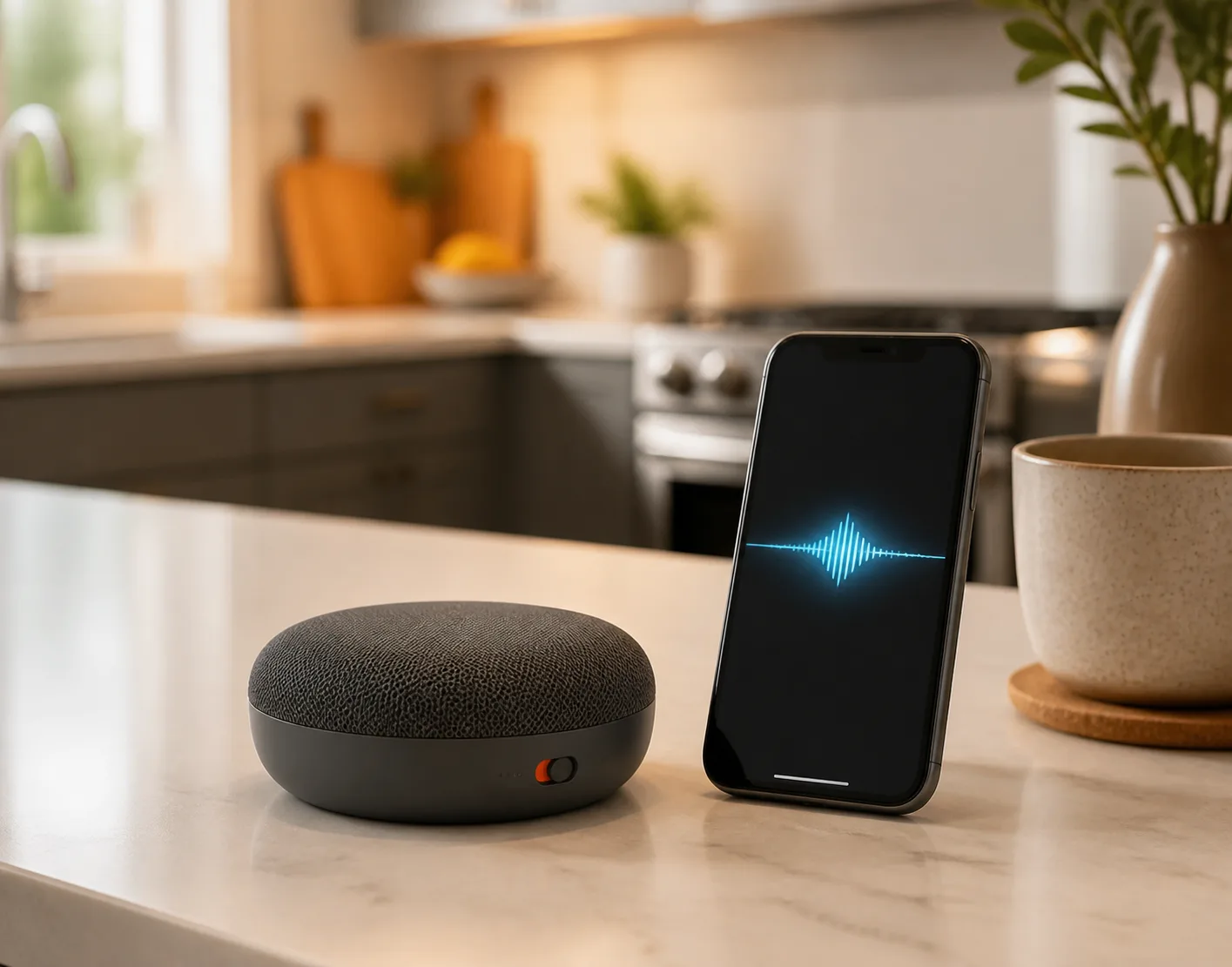
Should you wait for a screenless AI speaker? Only if it proves a daily job
Reported OpenAI and Jony Ive hardware makes the category tempting, but a smart buyer should wait for independent reviews, data rules and a proven use case.
Comments
Sign in to comment.
No comments yet.