

Cybersecurity Without Panic
Clear coverage of cyber threats, leaks, vulnerabilities, and defensive practices for people who need to understand risk without hysteria or technical fog.
Latest publications
CVE-2026-76461: Cisco Secure Email Gateway Users Need a Patch-and-Forensics Response
Cisco says an unauthenticated SQL injection flaw in Secure Email Gateway is being actively exploited. The right response is broader than upgrading: identify every appliance, install the fixed AsyncOS release, and inspect mail logs for evidence of compromise.

CVE-2026-75650 in Adobe Commerce and Magento: Patch the Store, Then Investigate It
Adobe says CVE-2026-75650 is being exploited in the wild. The emergency fix closes a critical unauthenticated code-execution path, but merchants must also determine whether attackers reached the store before the hotfix was available.

SAP’s September 2026 Kernel Flaws Demand an Inventory-and-Patch Response
Two critical SAP vulnerabilities disclosed on September 8 reach core communication paths and can threaten an entire ERP landscape. Here is what is known, what is not, and how defenders should verify exposure without waiting for exploit chatter.

SonicWall SMA1000 Bugs Are Being Exploited: Patch the Appliance, Then Check What It Exposed
Two newly disclosed SonicWall SMA1000 vulnerabilities are already in CISA’s exploited-vulnerability catalog. The urgent task is not only installing the vendor fix, but deciding whether an internet-facing remote-access appliance should be treated as a possible incident.

CVE-2026-9586 in Switchvox: Patch the PBX, Prove the Fix
Sangoma has fixed a Switchvox flaw that can lead from unauthenticated SQL injection to remote code execution. Here is how to identify exposed systems, update safely, check for prior compromise and communicate the risk without panic.

The Nexus ID-scan story shows why document verification became a cybersecurity risk
Reported sales of driver-license and ID scans are not just another data leak. They expose the hidden risk of storing the documents people use to prove who they are.

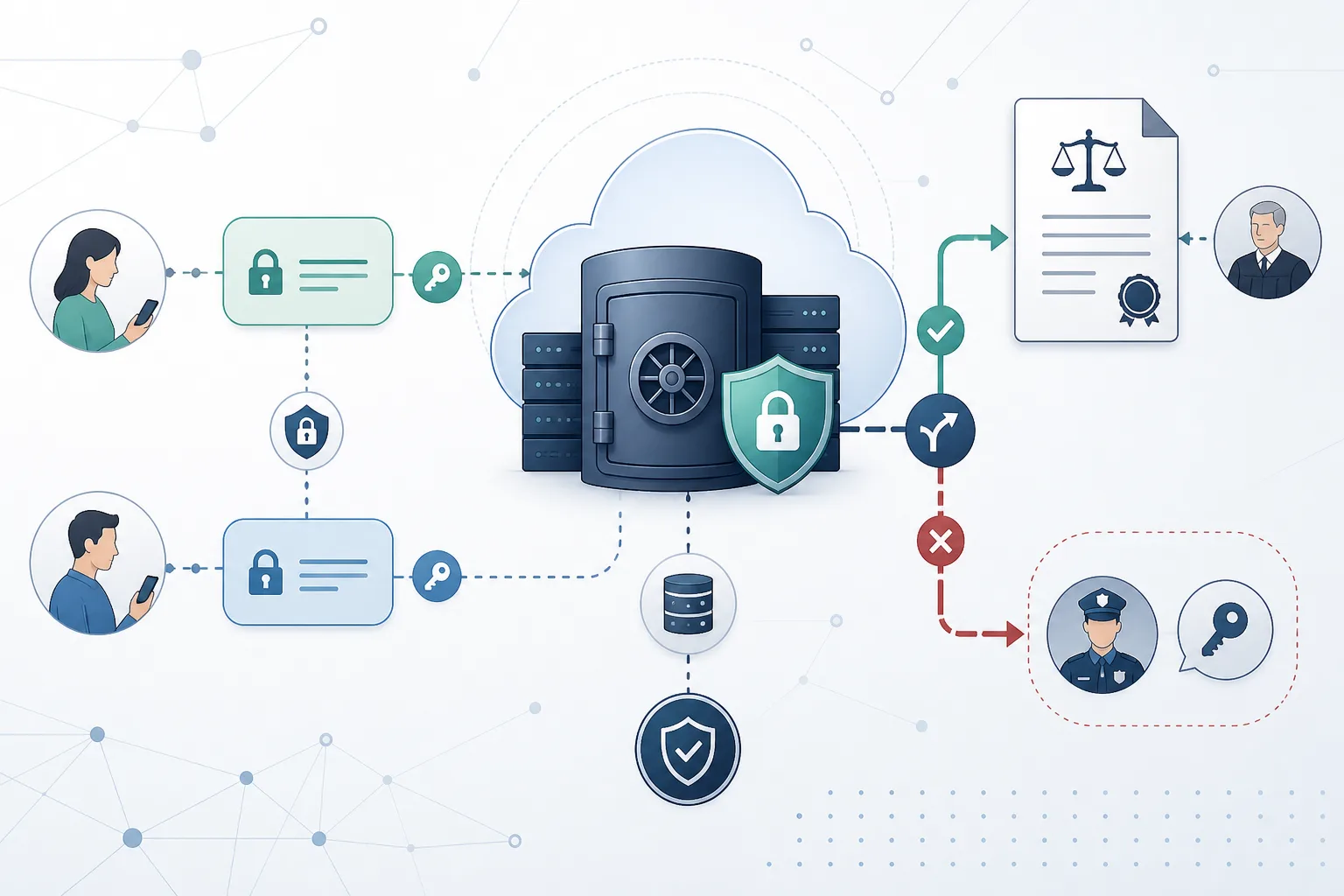
Europe’s lawful-access plan is a cybersecurity risk test
The hard question is not whether police need digital evidence. It is whether access to encrypted data can be built without creating a weakness everyone else can attack.
A rumour of a bug is becoming enough to start the exploit clock
AI agents do not make every vulnerability catastrophic, but they make public hints more valuable. Open-source security response now needs faster fixes, quieter pre-release clues and better defensive automation.

Cloud 3D printers need local control, not panic
The Bambu Lab AGPL dispute is a reminder that connected printers belong in a security plan: know the cloud path, test LAN mode, and keep control of files and firmware.

ToxicPanda 2.0 shows why Android permission prompts are security decisions
The new Android banking trojan abuses VPN, Accessibility and debugging trust, but the practical defenses are still within reach.

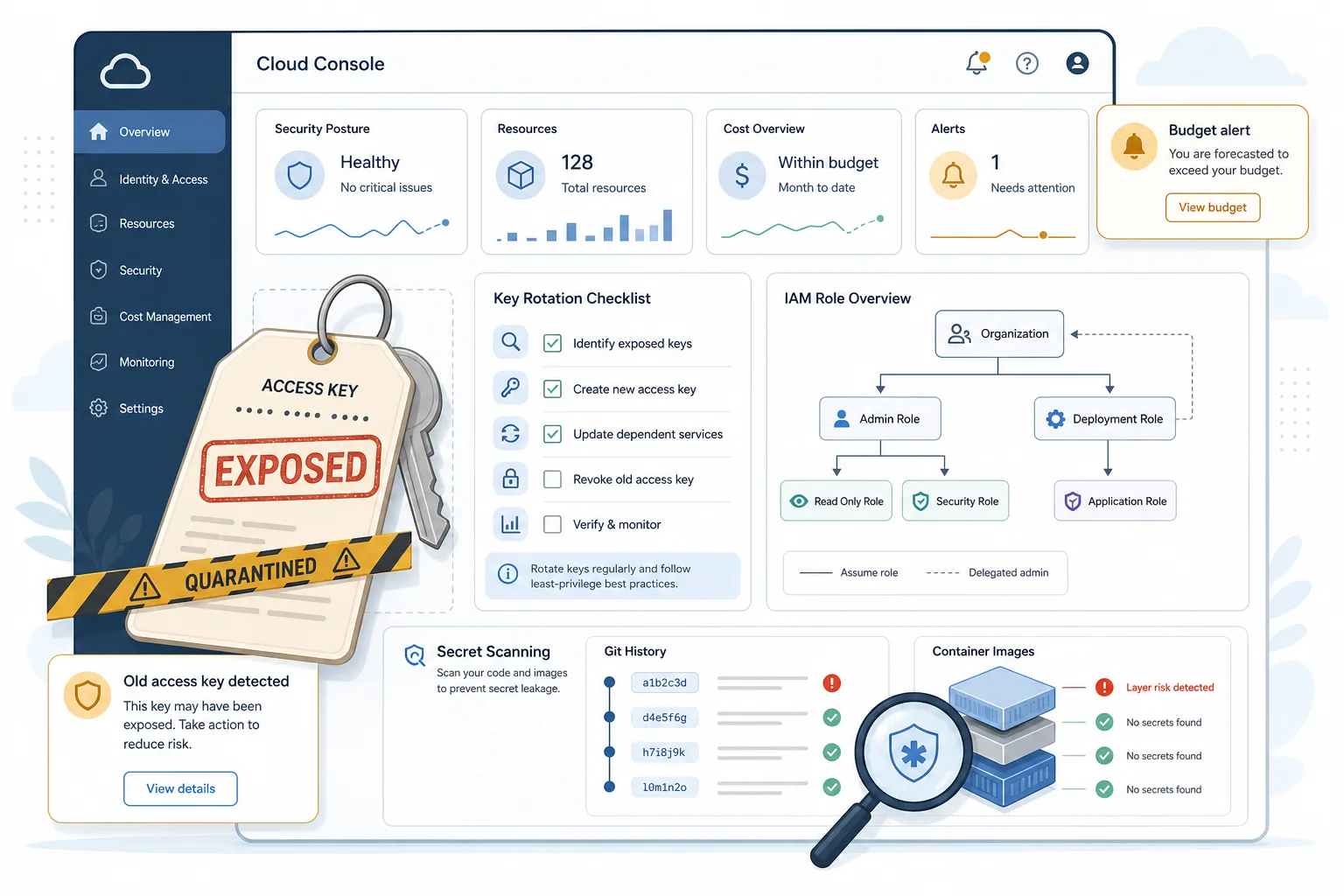
Leaked AWS keys are still working because rotation is the missing control
Truffle Security rechecked thousands of AWS keys that had already appeared in public artifacts. The worrying lesson is not that secrets leak; it is that many remain valid for years, including root and AdministratorAccess keys that should have been treated as emergencies.
AI mind viruses without panic: agent memory is now a security boundary
Recent Anthropic, EPFL and industry reports do not show a runaway AI outbreak. They do show a practical risk: writable agent memory, shared workspaces and persistent prompt files must be treated like privileged configuration.