Raw zucchini salad: a 10-minute no-cook side from summer squash
A practical late-summer bowl that turns firm zucchini, lemon, onion and a little cheese into a cold side or light meal base.

Late August zucchini often arrives in exactly the wrong mood for a big cooking project: it is still firm, the drawer is full, and nobody wants another pan on the stove. A raw salad is the useful middle path. Thin rounds of zucchini take a sharp lemon dressing quickly, onion gives bite, parmesan brings salt and savor, and the bowl can sit in the refrigerator while you fry an egg, open a can of beans, warm rice, or slice bread.

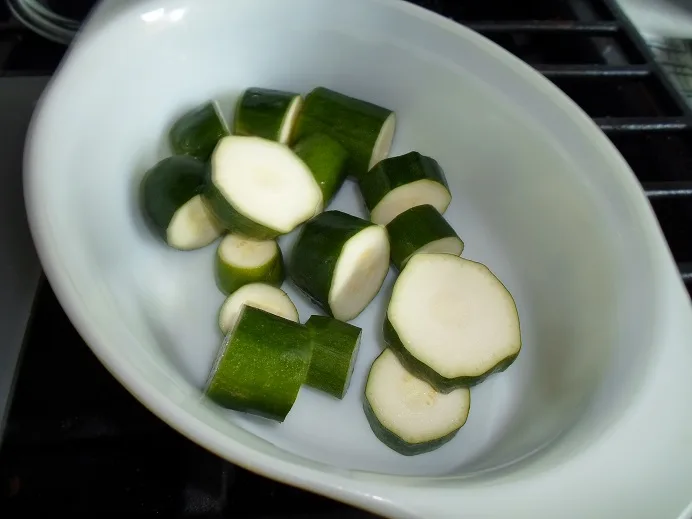
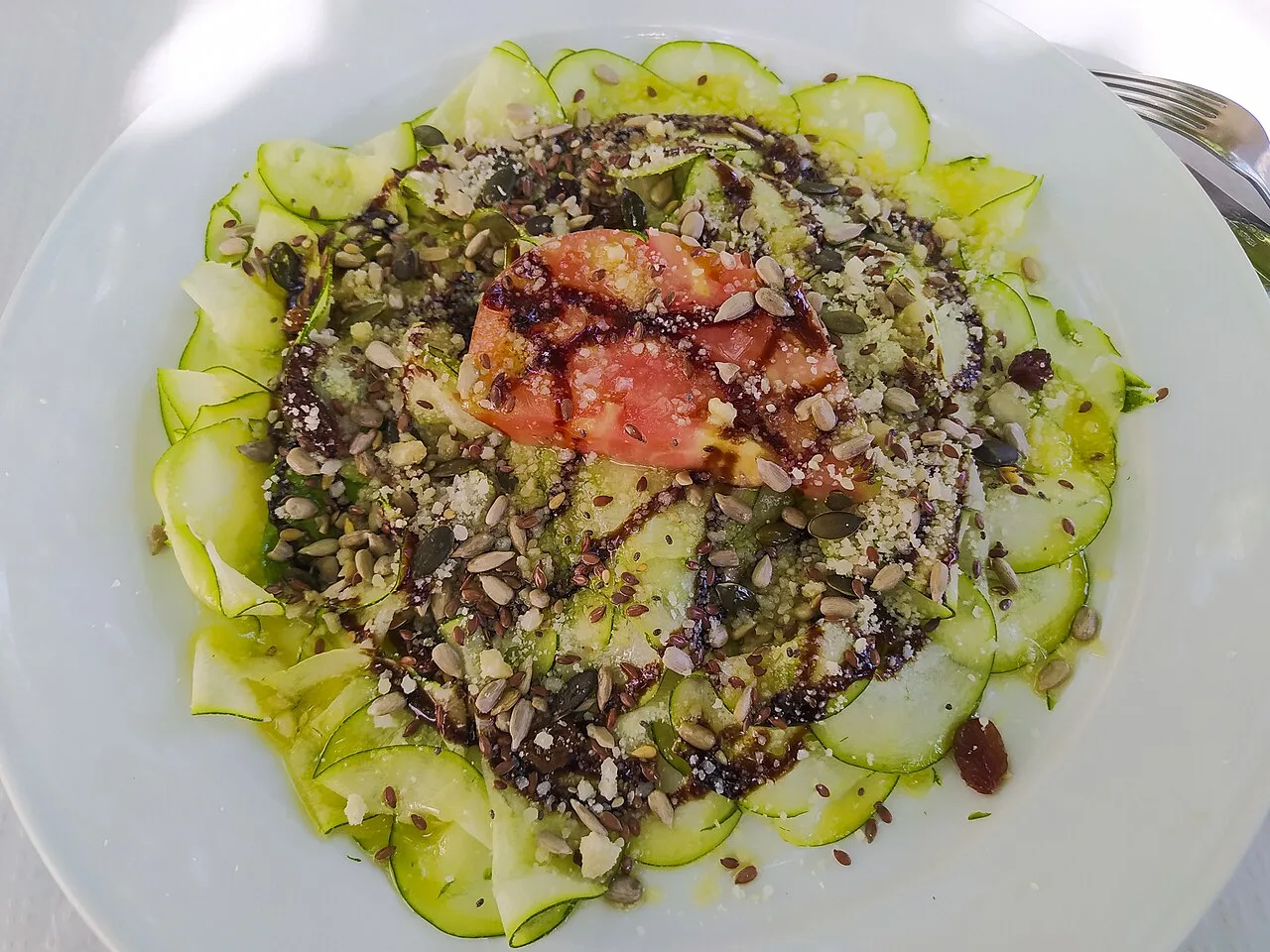
This version is built from Food Hero, Oregon State University Extension's practical Zucchini Salad recipe: about 10 minutes of prep, no cooking, and a yield of roughly 6 cups. In everyday portions that means 4 generous sides or 6 smaller spoonfuls next to something else. The official recipe uses vegetable oil, lemon juice, dried oregano or basil, salt, black pepper, zucchini rounds, thin onion and grated parmesan. The broader method matters more than any one brand of cheese or oil: slice the zucchini thin, season it boldly, chill it if dinner is not ready, and keep the bowl cold once dairy is in the mix.
Time, portions and the basic bowl
Prep time is about 10 minutes. Cook time is zero. The source yield is 6 cups, made from about 5 cups of zucchini rounds, which is usually four small zucchini, plus half a cup of onion and a quarter cup of grated parmesan. For a weekday table, count it as 4 to 6 portions: four if it is the main vegetable beside eggs, tuna, chicken or beans, and six if it is one of several sides.
For one bowl, use about 4 small firm zucchini, 1 teaspoon neutral vegetable oil or olive oil, 2 tablespoons lemon juice, 1/4 teaspoon dried oregano or dried basil, 1/4 teaspoon salt, 1/4 teaspoon black pepper, 1/2 cup thinly sliced red or sweet onion, and 1/4 cup grated parmesan. That oil amount is modest; if your zucchini are large or the salad will be served over rice, you can add another teaspoon after tasting. Lemon is the main flavor, so do not hide it. The point is not to drown the squash but to make every slice taste awake.
Why raw zucchini works when it is sliced thin
Raw zucchini is mild, wet and slightly grassy. In thick chunks it can taste unfinished, because the dressing only coats the outside. Thin rounds or half-moons change that. The cut surface catches lemon, salt and herbs, and the slices soften just enough while they chill. A mandoline makes very even slices, but a knife is fine. Aim for pieces thin enough to bend slightly, not paper-thin chips that fall apart when tossed.
Choose smaller zucchini when possible. They are usually firmer and less seedy than the oversized ones that hide under garden leaves. If you only have a large zucchini, cut it lengthwise and look at the center. A spongy, very seedy middle can be scraped out with a spoon before slicing the firmer outer flesh. That is still a fridge-saving move, not a failure.
Method: the 10-minute version
Wash your hands with soap and water. Rinse the zucchini and onion under running water before cutting. Trim the ends from the zucchini, then slice into rounds or half-moons. Slice the onion thinly; if it smells extremely sharp, put the slices in a cup of cold water while you mix the dressing, then drain well.
In a large bowl, whisk the oil, lemon juice, dried oregano or basil, salt and pepper. Add the zucchini, onion and parmesan. Toss gently with two spoons or clean hands until the slices are glossy and the cheese is distributed. Cover and chill until ready to serve. If dinner is happening immediately, give the salad five minutes on the counter while you set the table; if it will wait longer, put it in the refrigerator.
Do not overwork the bowl. Zucchini bruises less dramatically than lettuce, but rough stirring can make the pieces look tired and release more liquid. A gentle lift-and-fold motion keeps the rounds intact and coats them better than mashing them against the side of the bowl.
Substitutions from the fridge, not a shopping list
Oil can be neutral vegetable oil, olive oil, or a spoonful from a jar of marinated peppers or artichokes if that jar has been stored safely and still smells fresh. Lemon juice gives the cleanest flavor, but white wine vinegar, apple cider vinegar or rice vinegar can stand in. Start with a little less vinegar than lemon, then taste, because vinegar can feel sharper.
The herb can be oregano or basil, as in the source recipe. If you have dill, parsley, mint, chives or a few tired scallion tops, chop them and use them. Dill leans picnic-salad, mint makes the bowl cooler, parsley makes it greener, and chives soften the onion bite. Dried herbs need time in the dressing, so whisk them in before the zucchini. Fresh herbs are best added at the end so they do not turn dark.
Onion is flexible. Red onion looks pretty and has a clean bite. Sweet onion is gentler. Scallions are fastest. Shallot works if you use less. If all you have is a regular yellow onion, slice it thin, soak it in cold water for 5 to 10 minutes, drain and pat dry. That simple step keeps the salad from tasting like raw onion with zucchini in the background.
Cheese is the salty accent, not the whole point. Parmesan is excellent because a small amount spreads through the bowl. Pecorino, feta crumbs or a spoonful of finely grated cheddar can work. You can also skip cheese and add olives, capers, toasted seeds or a pinch more salt. If you skip the dairy, the salad feels lighter and is easier to serve with fish, beans or a sandwich.
Make it dinner without pretending it is a casserole
As a side, this salad is enough next to scrambled eggs, a tuna sandwich, grilled cheese, reheated chicken, rice and beans, a baked potato, or yesterday's soup. To make a light meal base, add chickpeas, white beans, canned tuna, chopped tomato, leftover corn, boiled egg or shredded chicken. Keep the add-ins practical: one protein, one starchy thing if needed, and the zucchini salad as the cold, lemony part.
If you add beans, rinse and drain them well so the dressing does not become cloudy. If you add tuna, taste before adding more salt because canned fish may already be salty. If you add chicken, keep it cold until serving and return leftovers to the refrigerator promptly. If you add tomato, fold it in at the very end so it does not water down the whole bowl.
Troubleshooting a watery salad
A little liquid in the bottom of the bowl is normal. Zucchini contains plenty of water, and salt plus lemon will draw some out. Trouble starts when the slices float in dressing. Use smaller firm zucchini, slice thin but not paper-thin, and toss close to serving time. If liquid collects after chilling, tilt the bowl and spoon off the excess, then refresh the salad with a small squeeze of lemon and a grind of pepper.
For very watery garden zucchini, you can salt the slices lightly in a colander for 10 minutes, then pat them dry before dressing. That adds a step, so save it for huge squash or for a bowl that needs to travel. Do not salt heavily unless you plan to rinse and dry, because parmesan and optional olives or capers bring salt too.
Troubleshooting a bland salad
Bland raw zucchini usually means the dressing was too shy. Add acid first: another teaspoon or two of lemon juice or vinegar. Then add pepper, herbs and a salty accent. A few shavings of parmesan, a small spoon of olive brine, crushed toasted seeds or chopped olives can change the whole bowl. Taste a zucchini slice, not the dressing alone, because the vegetable is what needs seasoning.
If the onion is too loud, do not fight it with more cheese. Remove some onion, soak the rest briefly in cold water, or add more zucchini and herbs. If the salad tastes oily, add lemon. If it tastes sour but flat, add salt in tiny pinches. This is a forgiving bowl as long as you taste after each change.
Storage and food safety
Food Hero's safety reminders are the right level for a home salad: wash hands, rinse fresh vegetables under running water before preparing, cover and chill until ready to serve, and refrigerate leftovers within 2 hours. Because parmesan is dairy, do not leave the bowl on a warm table all afternoon. If the salad has been sitting out during a long picnic or a hot kitchen cleanup, be conservative and discard what is questionable.
Leftovers are best within a day. The salad will be softer tomorrow, but it can still be useful on toast, beside an omelet, folded into cold pasta, or spooned over beans. If you know you need make-ahead lunches, keep the dressing and sliced zucchini separate until the morning, or dress half the bowl now and half later.
Allergen note: the basic version contains dairy because of parmesan. Optional add-ins can introduce fish, egg, soy, sesame, nuts or meat depending on what you choose. Label the bowl if you are feeding children, guests or anyone who did not watch you cook.
Source note without making the recipe fussy
Food Hero provides the practical 10-minute, 6-cup no-cook zucchini salad, and USDA SNAP-Ed pages support the seasonal point: zucchini and summer squash are worth using while firm. The photos here are real, legally reusable images chosen to show prep, sliced zucchini and a raw zucchini serving idea; one serving photo is carpaccio-style, so seeds and tomato are shown as optional add-ins rather than required ingredients.
The useful takeaway
Raw zucchini does not need a fancy treatment. It needs thin slices, enough lemon, a little onion, a salty accent and cold storage if it is not served right away. That makes it exactly the kind of Everyday Kitchen recipe that rescues firm summer squash before it turns soft: 10 minutes, no stove, and flexible enough to sit beside whatever dinner already is.
Photos: USDA cooking-demonstration prep photo, public domain via Wikimedia Commons; Zucchini slices photo by ParentingPatch, CC BY-SA 3.0 via Wikimedia Commons; Carpacho de calabacín photo by El Mono Español, CC BY-SA 4.0 via Wikimedia Commons.
Related articles
Dinner from one eggplant: 40-minute Norma-ish tomato pasta
A forgiving weeknight pasta that turns one eggplant, tomatoes and pantry staples into dinner without deep-frying.
Fridge ratatouille: the easy one-pot dinner for too many zucchini and tomatoes
A practical 45-minute vegetable pot that rescues softening summer produce and turns it into dinner, leftovers and sauce.
Pasta e Fagioli for Soup Season: A 35-Minute Pantry Dinner That Holds Up as Leftovers
A practical fall soup plan for the week pasta e fagioli started showing up again: canned beans, a little pasta, greens, tomato and careful leftover handling.
Veggie skillet eggs: a 15-minute meal from fridge odds and ends
A friendly one-pan recipe for turning eggs, a tomato and two cups of spare vegetables into hot wedges for breakfast, lunch or dinner.
Comments
Sign in to comment.
No comments yet.