Red lentil soup from the pantry: a 35-minute weekday bowl for 4–6
A flexible mercimek-style soup that turns one cup of red lentils, one onion and a paprika finish into a practical 4–6 serving dinner.

It is the kind of early-week evening when dinner has not become a plan yet. A bag of red lentils is in the cupboard, there is one onion in the basket, and the refrigerator may or may not have lemon, yogurt, parsley or a heel of bread. That is enough for a warm soup. This version is inspired by the Turkish red-lentil soup often called mercimek çorbası, especially the simple Konya-style formula published by Türkiye’s Culture Portal: red lentils, onion, butter or oil, water or stock, salt, pepper, and a paprika-butter finish.
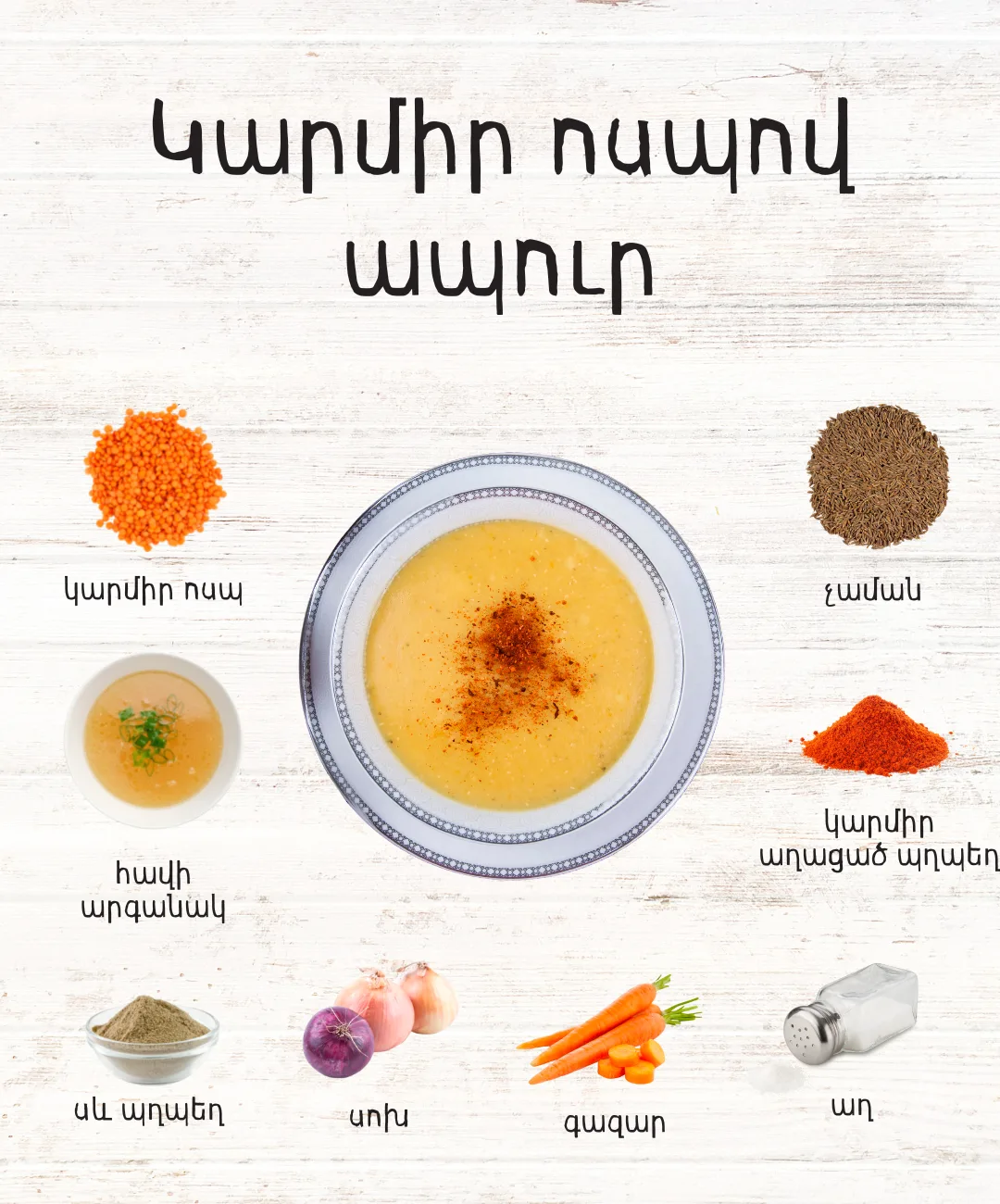
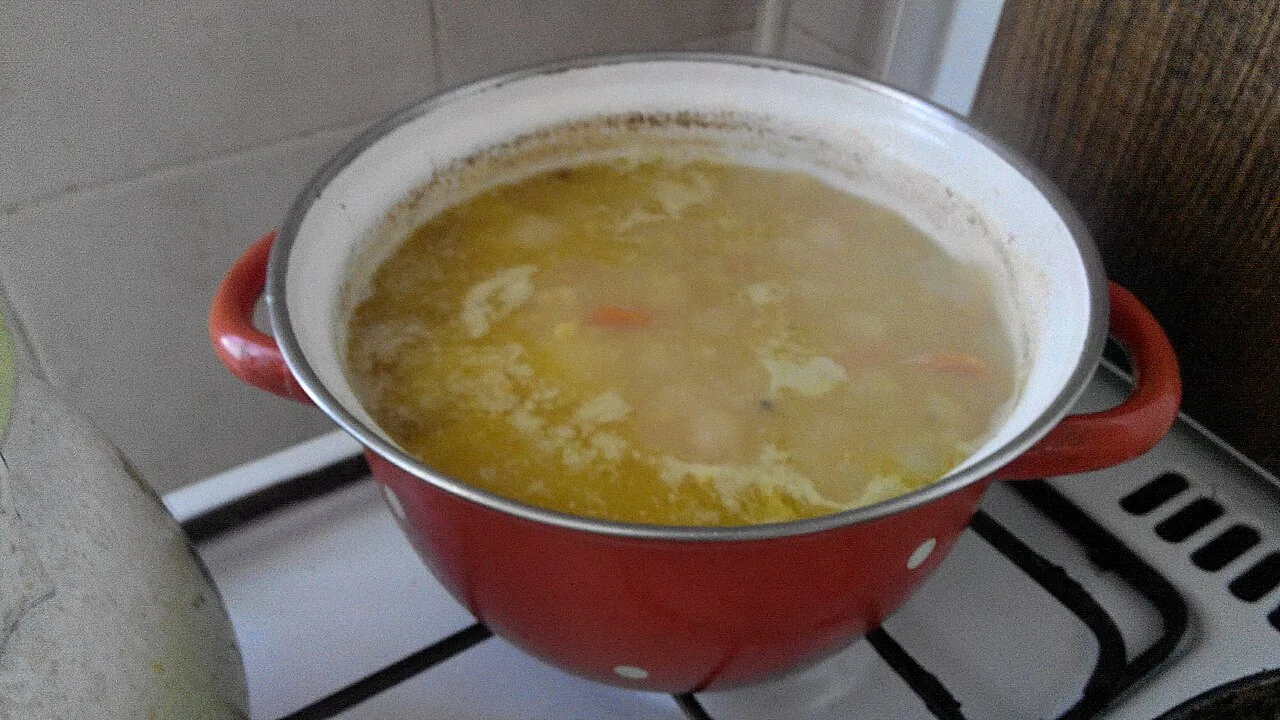


The everyday promise is deliberately modest: about 30 to 35 minutes total, roughly 10 minutes of active work, and 4 to 6 servings depending on bowl size and what you put on the table with it. It is not a restaurant copy, not a lesson in the only correct way to cook lentils, and not a soup that asks you to shop for twelve fresh ingredients. The point is to turn a pantry staple into dinner before everyone starts grazing on crackers.
Why this soup works on a weekday
Red lentils are the shortcut. Unlike brown or green lentils, they split and soften quickly; after 20 to 25 minutes of simmering they begin to collapse into the liquid and make their own body. That means you do not need flour, cream, or a long stock-pot afternoon to get a smooth bowl. If you have stock, use it. If you only have water, the soup can still taste complete when the onion is gently softened and the final spoonful of warm paprika fat is added at the end.
The official Konya recipe is useful because it stays close to what many kitchens actually have: one cup of red lentils, one medium onion, two tablespoons of butter with a little oil, six cups of water or meat stock, salt and black pepper, then butter warmed with red pepper for the top. It also notes practical restaurant-style details: rinse the lentils well, skim the foam after boiling if needed, cook until soft, blend, and optionally pass through a fine sieve if you want a very smooth texture. For an Everyday Kitchen dinner, the sieve is optional; a stick blender or even energetic whisking is enough.
There is also a live reader problem behind the recipe. Current food coverage in early September leans toward school-night dinners and fall soups, and cooking forums keep returning to questions such as how to make lentil soup taste full with few ingredients, whether water can replace stock, and why a red-lentil soup sometimes turns grainy or too thick. Those are not authorities on the recipe, but they are good reminders of what a tired cook needs answered.
The base recipe
For 4 to 6 servings, start with 1 cup red lentils, 1 medium onion, 2 tablespoons butter or 1 to 2 tablespoons oil, 6 cups water, vegetable stock, chicken stock, or meat stock, salt, black pepper, and 1 teaspoon sweet paprika or mild chili flakes. For the finish, warm 1 tablespoon butter or oil with another pinch of paprika. If you want to serve lemon, yogurt, dried mint, parsley, toast, flatbread or leftover rice alongside, set those out separately rather than loading the pot with every option.
Rinse the lentils in a sieve or bowl until the water is less cloudy. This does not need to become a ceremonial step; two or three changes of water are usually enough. Chop the onion roughly. In a soup pot, warm the butter or oil over medium heat and cook the onion until it smells sweet and looks translucent with a little color at the edges. Deep browning is not the goal, because the soup should stay gentle and quick.
Add the rinsed lentils and the liquid. Bring the pot to a boil, then lower to a lively simmer. Foam may rise at the beginning; skim it if it collects, or stir it down if there is only a little. Cook for about 20 to 25 minutes, stirring now and then, until the lentils no longer look like separate hard grains. They should look soft, swollen and ready to fall apart.
Blend carefully. An immersion blender is easiest because it keeps the soup in the pot. If you use a countertop blender, work in batches, do not fill the jar high, and vent the lid because hot soup expands and can splatter. For a rustic bowl, blend only partly or whisk hard. For a smoother bowl, blend longer and, if you enjoy the extra dishwashing, strain through a fine sieve.
Return the soup to low heat for about 5 minutes after blending. This short final simmer lets the texture settle and gives you a better moment to season. Add salt gradually, especially if your stock is already salty. Add black pepper. If the soup is thicker than you want, loosen it with hot water or stock, not cold liquid, then taste again.
In a small pan, warm butter or oil with paprika or mild chili flakes just until the color blooms and the fat smells fragrant. Do not burn the spice; it should foam gently, not turn brown and bitter. Spoon this over the bowls, or swirl it into the pot if everyone likes the same level of spice. Lemon on the side is a bright option, not an obligation.
Pantry substitutions that keep the idea intact
The fat can be butter, neutral oil, olive oil, or a mix. Butter gives the round flavor associated with many versions of mercimek çorbası; oil keeps the soup dairy-free if you also skip yogurt. If using olive oil, keep the heat moderate and do not chase a fried flavor. If you only have a small knob of butter, save it for the paprika finish and cook the onion in oil.
The liquid is flexible. Water gives the cleanest pantry version and lets the lentils and onion speak. Vegetable stock keeps the default recipe vegetarian. Chicken or meat stock makes a deeper bowl, but label it clearly if you are feeding vegetarians. Bouillon works too; dissolve less than the package suggests at first, because the soup reduces and the salt can concentrate.
The onion can be yellow, white, a shallot, or the white part of scallions. If you have no onion, a small clove of garlic can help, but add it late in the sauté so it does not burn. Carrot or a small potato can be added when the fridge needs clearing, but that is an adaptation: the simple Konya-style source specifically does not need carrot, potato or flour for body. Dice any add-in small so it softens in the same 20 to 25 minute window.
Spices should support the lentils rather than bury them. Sweet paprika is the safest default. Smoked paprika can be good, but use a small amount because it can make the soup taste like barbecue. Cumin is welcome in many home versions; add half a teaspoon with the onion or at the simmer. Dried mint, sumac or lemon can go at the table so each person can adjust the bowl.
How to make it taste full without making it complicated
First, do not skip the onion stage. A raw onion boiled with lentils will feed you, but a softened onion gives sweetness and depth. Second, give the lentils enough time. Red lentils cook quickly, yet they still need to fully soften before blending; otherwise the soup tastes sandy. Third, season in layers: a little salt during simmering if the liquid is plain, more after blending, and brightness from lemon only after the base tastes properly salted.
If the soup tastes flat, ask three questions before adding random spices. Is there enough salt for the amount of liquid? Has the soup simmered long enough for the lentils to break down? Is there a finishing note such as paprika butter, pepper, lemon, mint or yogurt? Most bland bowls are missing one of those three steps, not an exotic ingredient.
If you are watching sodium for personal reasons, use water or unsalted stock and keep salty toppings separate. The article is not making a medical claim; it is simply easier to control seasoning when the base liquid is not already loaded with salt. Put lemon, herbs, pepper and paprika oil on the table so the bowl still feels lively.
Texture troubleshooting
Too thick is the easiest problem. Red lentils continue to absorb liquid as they sit, so a perfect soup at 6:30 can become spoon-standing at 7:00. Add hot water or stock in small splashes, stir well, warm through, and taste again. If leftovers thicken overnight, loosen them the same way when reheating.
Too thin means the lentils have not given enough body yet or there is simply too much liquid. Simmer uncovered for a few minutes, then blend more thoroughly. Do not add flour by reflex; the source recipe does not need a roux, and flour can make a quick pantry soup taste pasty.
Grainy soup usually means undercooked lentils. Keep simmering until the grains smear easily against the side of the pot. A powerful blender can hide some texture, but cooking is what fixes it. If you used brown or green lentils by mistake, accept that you are making a different soup with a longer cooking time and a chunkier character.
Scorching happens after blending, when the soup is thick and smooth enough to stick to the bottom. Keep the heat low, stir often, and do not let a thick pot boil hard while you set the table. If you smell scorching, stop stirring the bottom aggressively; pour the good soup into another pot and leave the burned layer behind.
What to serve with it
Bread is the obvious partner: toast, flatbread, pita, a roll from yesterday, or crackers if that is what the cupboard offers. Leftover rice turns the soup into a fuller dinner without changing the pot. A boiled egg can sit alongside for people who want more food, but it is not part of the core recipe. A spoonful of yogurt is good if dairy works for your table; keep it cold until serving and do not stir it into boiling soup.
For freshness, lemon wedges are more useful than a complicated salad. A small bowl of chopped parsley, scallion tops or dried mint makes the table feel cared for without adding much work. If you have a cucumber or a tomato, slice it with salt and oil. The soup is doing the main work; the side should not turn a 35-minute dinner into a project.
Safety, storage and leftovers
Wash hands before cooking, and rinse any fresh vegetables, herbs or lemon before cutting. Be careful with hot soup around children: blended soup holds heat and can spill like sauce, so let bowls cool before serving. If using meat stock, cooked chicken, dairy toppings or yogurt, use ingredients that have been properly refrigerated and do not rely on uncertain leftovers.
Cool leftover soup promptly. Divide it into shallow containers rather than leaving a deep pot on the stove for hours, refrigerate it, and reheat until steaming hot. The texture will thicken in the fridge; add water or stock while reheating and stir often. If the soup smells off or has been left out too long, discard it. Pantry cooking is about being practical, not gambling with food safety.
Source note and photo credits
The recipe is adapted for weekday cooking from the Türkiye Culture Portal page “Mercimek Çorbası - Konya,” updated in 2026 and published by the Ministry of Culture and Tourism. Food-safety guidance follows ordinary home-kitchen advice from USDA FSIS on leftovers and FDA advice on washing produce. The photos are legally reusable Wikimedia Commons media: ingredient image by GeoO and soup process/serving photos by Dmitry Bagrov, licensed CC BY-SA 4.0. The adaptation keeps the simple lentil-onion-paprika base, while clearly marking water, vegetable stock, lemon, yogurt, carrot, potato and other fridge additions as practical home variations.
Related articles
Savory Canned Pumpkin Pasta: A 30-Minute Weeknight Dinner That Uses One Pantry Can
Canned pumpkin is having a fall moment beyond pie. Turn one plain can into a savory pasta sauce with onion, garlic, beans or sausage, and a sharp finish—without making dinner taste like dessert.
Leafy Greens After the Cyclospora Outbreak: How to Shop, Wash, Store and Use Them Safely
The recent U.S. Cyclospora outbreak linked to recalled iceberg lettuce is over, but the practical kitchen lessons remain. Here is a calm, useful system for checking greens, preventing cross-contamination and turning a sturdy head of lettuce into weekday meals.

The September Sheet-Pan Dinner: A Flexible Roast of Corn, Peppers, Chickpeas and Whatever Needs Using
A practical late-summer-to-early-fall dinner built around one hot tray: sweet corn, peppers, onions and chickpeas become a substantial meal with a crisp topping, a cool sauce and easy substitutions.


“App required” is the new gadget red flag
More devices now assume a charged modern smartphone, app store account and cloud login. Before buying, check whether the thing still works when the app does not.

Comments
Sign in to comment.
No comments yet.