Meta's Kylie AI glasses make the camera harder to see. That is the problem
Meta's Starfire Kylie Edition turns AI glasses into a fashion purchase. The harder part is deciding what rules should follow when a camera looks like ordinary eyewear.

Meta's new Starfire Kylie Edition glasses are not interesting because they look futuristic. They are interesting because they do not. The product page sells black frames, Transitions lenses, prescription eligibility, a Kylie Jenner voice for Meta AI and a price that starts at $399, or $479 for the Transitions Grey version. The pitch is fashion first. The camera is just part of the frame.
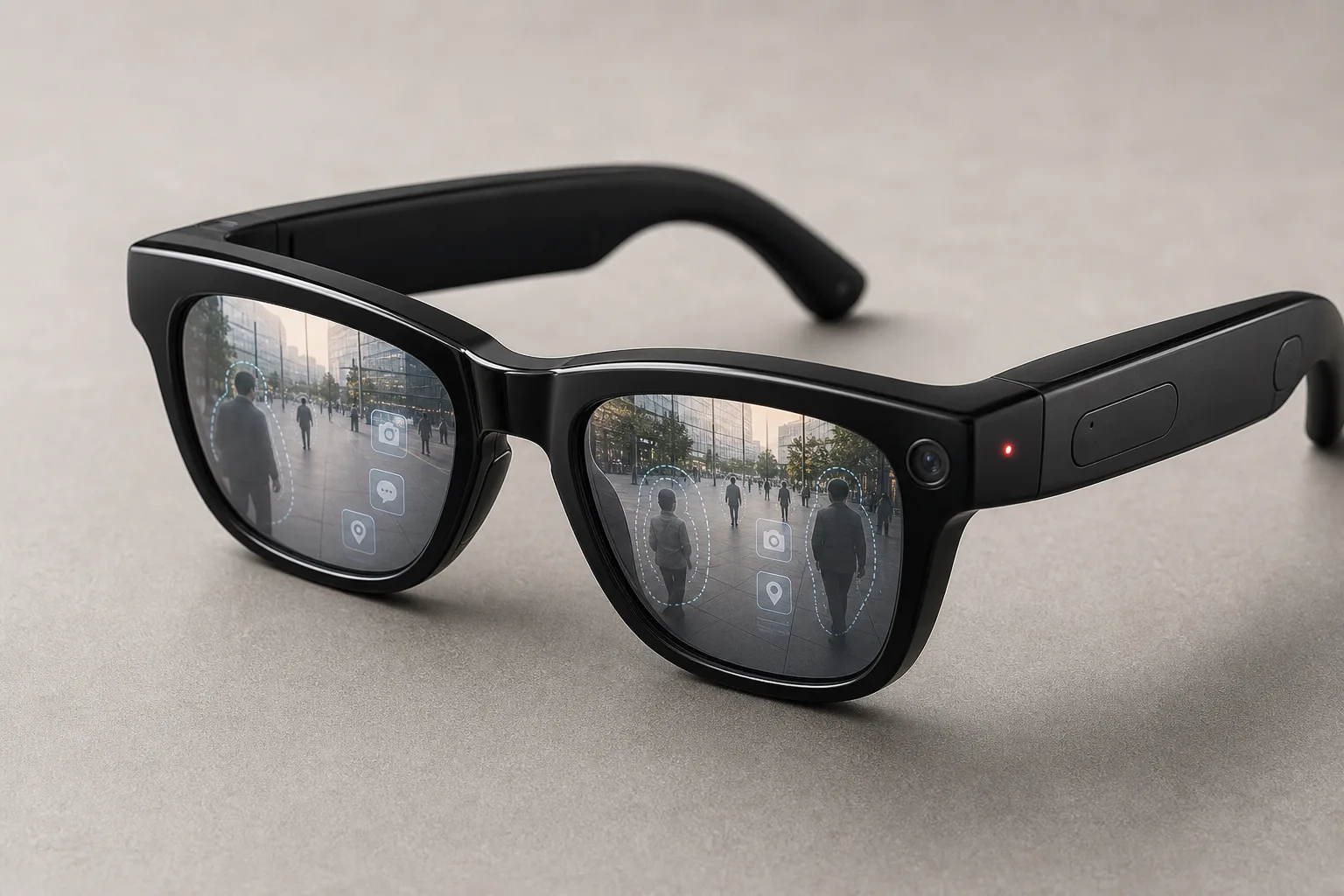
That is the gadget story. Smart glasses have spent years fighting the same problem: people notice when a device looks like a camera. Meta's latest push tries to make the wearable camera look like an ordinary accessory, sold through normal retail channels and celebrity language rather than developer-demo language. For buyers, that makes the device more usable. For everyone standing near the buyer, it makes the device harder to read.
The backlash around the Kylie edition is not just celebrity noise. Gadgets 360 described the broader Meta Glasses launch as a consumer product with a 12-megapixel camera, 3K video, built-in Meta AI and live translate. Afaqs framed the launch as a move from obvious tech wear into fashion and influence. Mandatory and Trusted Reviews focused on the immediate privacy reaction: people worried about non-consensual recording, especially in spaces where women, teenagers and children already deal with unwanted filming. Hacker News had already been arguing about Meta smart glasses and data privacy in a huge thread with more than 800 comments. The same fear keeps returning in different languages: a phone is visible when someone raises it. Glasses are not.
What Meta is selling
The official Meta pages are careful about the lifestyle angle. The Kylie page presents Starfire as AI glasses styled around Kylie Jenner, with Meta AI voiced by Kylie in the product experience. The product card for the black Starfire Kylie model with Transitions Grey lenses lists a higher price than the entry version and positions the glasses as prescription and HSA/FSA eligible in supported markets. In other words, this is not a weird prototype. It is meant to sit beside normal eyewear purchases.
The hardware story is familiar from the current smart-glasses wave. The glasses combine a camera, microphones, speakers, voice controls, Meta AI, capture features and translation. The exact retail configuration varies by lens and region, but the consumer promise is clear: record hands-free, ask questions about what you see, translate signs or conversations, and keep your phone in your pocket. For travel, accessibility, parenting, sports and quick point-of-view video, that is genuinely useful.
That usefulness is also the problem. A hands-free camera is better precisely because it takes less friction to use. A camera in glasses sees from the wearer's face. It points where the wearer looks. It can record in places where taking out a phone would change the room. When the design becomes stylish enough to pass as fashion, the old social cue, someone holding up a phone, disappears.
Why the recording light does not settle the argument
Meta glasses include a recording indicator. That matters. A visible LED is better than no signal at all, and many defenders of smart glasses point out that the device is not designed as a secret spy camera. In normal use, people nearby may see the light when a photo or video is being captured.
The weakness is the gap between a technical indicator and social consent. A small LED on a frame is easy to miss in daylight, reflections, crowds, bars, gyms, schools or public transport. Trusted Reviews argued that the indicator can look like a tiny reflection or scratch to someone who does not know the product. MS NOW and Hacker News discussions also pointed at a darker edge case: people talk online about covering or disabling indicators on wearable cameras. Even if that is not normal use, it shows why a tiny light alone cannot carry the whole privacy model.
There is a deeper issue too. A recording light tells you that capture may be happening now. It does not tell you where the file goes, whether AI processing is involved, what cloud service sees it, whether a human reviewer or labeling pipeline might touch it, or whether nearby faces become part of a dataset. The privacy question does not end when the wearer stops recording.
Why these glasses are different from a phone
The simple comparison is "phones have cameras too." True, but phones carry social signals. People lift them, hold them at a subject, frame a shot, and often make it obvious that recording is happening. That does not make phone filming polite or legal in every context, but it gives bystanders a chance to react.
Glasses change the geometry. The camera is aligned with the face. The wearer can keep walking, talking, shopping or sitting at a table. A bystander may not know whether the glasses are ordinary frames, prescription glasses, audio glasses, a camera, or an AI assistant. The act of recording becomes less visible, which makes the device better for the owner and worse for everyone trying to understand the room.
There are legitimate uses. A cyclist can record a dangerous road incident without reaching for a phone. A traveler can translate a sign. A person with a disability can use voice and vision tools in a way a phone interface may not support. Someone facing harassment may want hands-free evidence. Those uses are real. The mistake is pretending they erase the opposite scenario: a device that makes unwanted filming easier in gyms, schools, offices, clinics, bars or domestic settings.
The AI layer makes the data question bigger
Old action cameras mostly created files. AI glasses create a more complicated chain. The device can capture audio and video, send material to a companion app or cloud service, answer questions about the scene, translate speech, summarize what the wearer sees, and potentially connect capture to identity, location and account history.
That does not mean every pair of glasses is doing face recognition or building a secret dossier. It does mean buyers should read the privacy settings before treating the device like sunglasses. What happens when you use Meta AI with an image? Which content can be stored? What is used to improve services? Can you delete history? Are voice recordings retained? Are bystanders covered by any meaningful consent process? The answers matter because the people being captured are not the account holders who clicked through setup.
The NameTag controversy around smart glasses showed how quickly the public imagination jumps from camera to identification. Even when a company disables or avoids face recognition, the hardware invites the question. A camera on the face plus cloud AI plus social networks is a powerful combination. The burden is on vendors to prove that the limits are real, visible and hard to bypass.
What buyers should ask before buying
The first question is not whether the Starfire Kylie Edition looks good. It probably does, at least for the audience it is aimed at. The question is where you plan to wear it and what people around you can reasonably understand.
If the glasses are for travel clips, outdoor sports, language translation or accessibility, the purchase makes sense only with strict habits. Tell people when you record. Do not use the device in changing rooms, bathrooms, medical spaces, classrooms, private offices, gyms or anywhere people reasonably expect not to be filmed. Turn off capture around children unless there is clear consent from guardians. Do not treat a tiny LED as a replacement for asking.
Check the app before the first outing. Review cloud upload settings, AI data settings, voice history, storage, deletion controls and sharing defaults. If there is a way to separate the glasses from your main social account, consider it. If the device supports prescription lenses, remember that it may become something you wear all day, not only when you want to record. That raises the chance of accidental or casual capture.
The blunt rule is useful: if raising a phone camera would feel rude, wearing a camera in your glasses is not automatically better. It may be worse, because other people have less warning.
What venues and workplaces should do
Businesses should not wait for a dramatic incident. Cafes, gyms, salons, schools, coworking spaces and offices need a simple wearable-camera rule. It does not have to ban every device. It should say where recording is allowed, where it is not, and whether glasses with cameras must be removed, covered or switched off in sensitive areas.
Workplaces need a stricter version. Smart glasses should not enter meetings with confidential material, customer data, whiteboards, prototypes or employee records unless the company has approved the device and understands the data path. For developers and product teams, the same applies near private GitHub repositories, dashboards, support consoles and internal tools. A wearable camera should not be treated as harmless eyewear just because it has a fashionable frame.
Retailers also have a role. Selling AI glasses next to normal sunglasses without clear warnings is asking for confusion. Buyers should see plain language about recording laws, consent, indicator lights, AI processing and places where use may be banned. If a device is prescription eligible, the warning matters even more because the glasses can become part of daily life.
What regulators may focus on
The most likely early regulation is not a full ban. It is the indicator. Lawmakers can require a visible, non-disableable recording light, ban designs that let users cover it without detection, and require retailers to explain the recording function at sale. That is a modest step, but it would at least make the signal harder to hide.
The harder rules will involve data. Wearable cameras collect information about non-users. Existing privacy frameworks were mostly built around account holders, websites and apps, not bystanders in a coffee shop who never agreed to join a cloud-AI interaction. As AI glasses become more common, the question will move from "is it recording?" to "what did the system infer, store, label or share?"
The buying verdict
The Starfire Kylie Edition is a good example of the next phase of smart glasses. The hardware is moving from gadget to accessory. That is a commercial win for Meta and a useful direction for buyers who actually want the functions. It is also the point where society has to stop treating wearable cameras as a niche concern.
For now, the safest verdict is conditional. AI glasses can be useful if they are used like cameras, not like invisible clothing. They need obvious indicators, strict settings, clear social rules and places where they simply stay off. The more fashionable they become, the more those rules matter.
A phone in someone's hand at least tells the room what is happening. A camera in a stylish frame asks the room to trust the wearer, the vendor, the app and a small LED. That is a lot to ask for a $399 accessory.
Related articles
Smart glasses have a people problem, not just a privacy problem
Meta, Snap and Google can make camera glasses look normal. The harder question is whether bystanders will accept them.
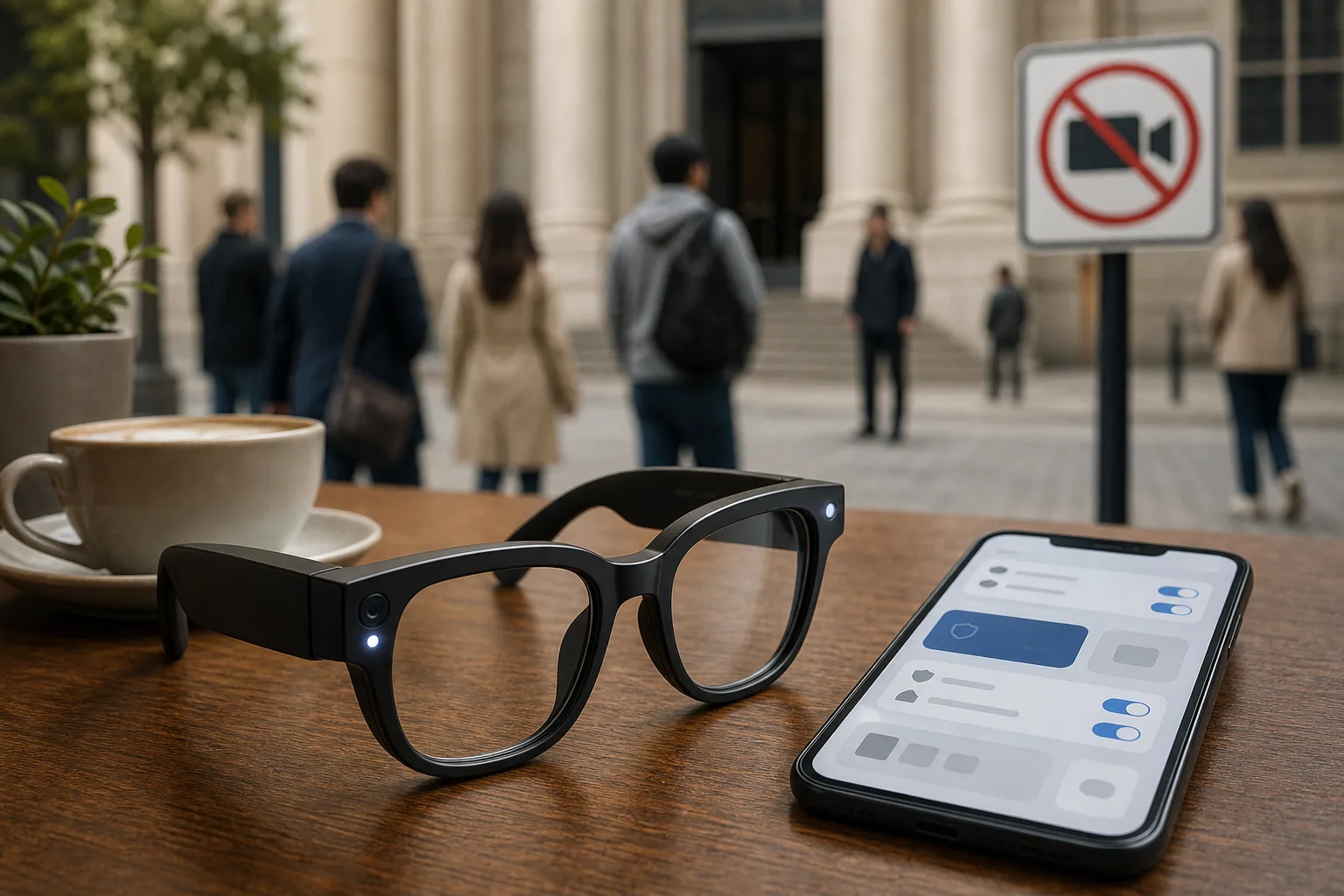
People are buying smart-glasses detectors. That is the real warning for face-worn AI gadgets
Antizuck is not a perfect way to find camera glasses, but its popularity shows that smart glasses now have to win the trust of bystanders, venues and buyers alike.
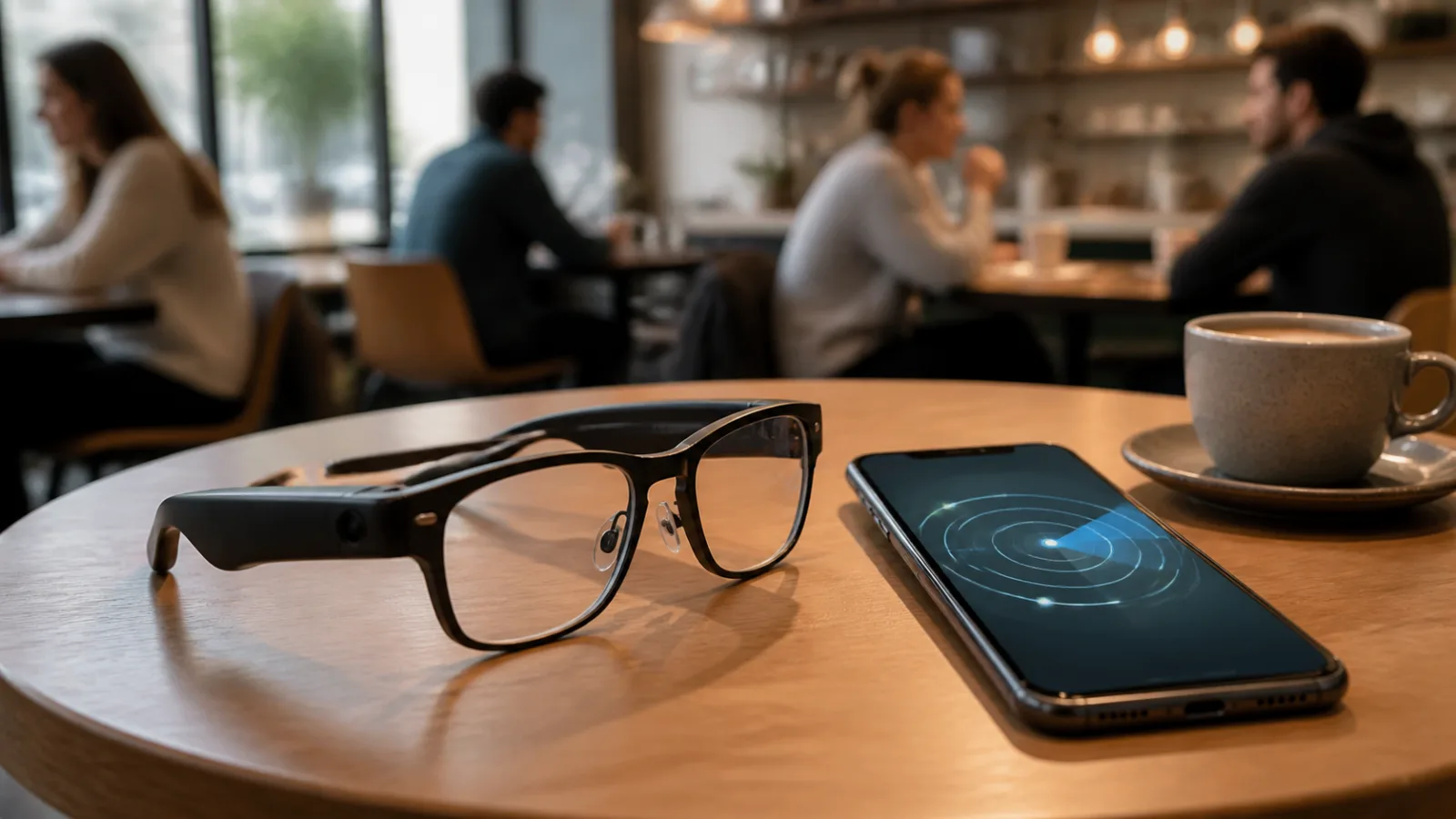

Should You Buy Meta’s Muse Charm? Wait for the Price, Privacy Terms, and a Reason to Carry Another Device
Meta’s Muse Charm is a keychain-sized voice device for its new personal AI agent, shipping in December with no price announced. The buying decision is less about the gadget’s novelty than whether it earns a permanent place beside your phone.
Should You Buy the Valve Steam Frame? Only If Wireless PC VR Is Already Your Main Use Case
Valve’s new headset is not a cheap way into VR. It is a premium Steam-first device with excellent streaming promise, a young standalone library, short battery limits, and a reservation system that rewards patience.
Comments
Sign in to comment.
No comments yet.