Smart glasses have a people problem, not just a privacy problem
Meta, Snap and Google can make camera glasses look normal. The harder question is whether bystanders will accept them.

Smart glasses are back, and this time they look much less like gadgets. That is the selling point. It is also the problem. A phone camera asks people to notice the phone. Smart glasses turn looking at someone into something that might also be recording them.
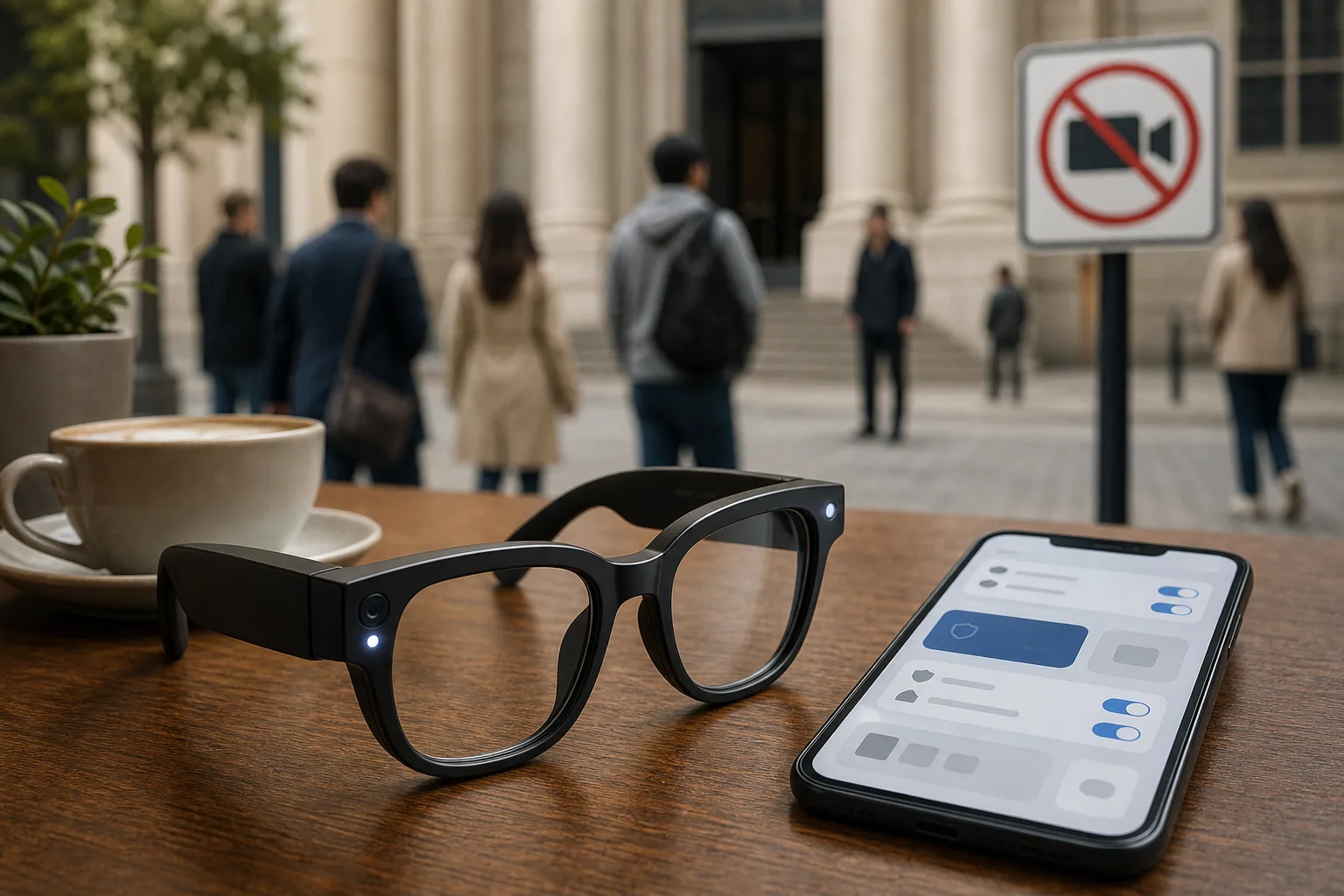
The week around July 7 made that tension hard to ignore. Meta published a privacy FAQ for its AI glasses, saying the capture LED has no off switch and that newer glasses disable the camera if the LED is blocked or tampered with. Vogue Business asked whether smart glasses have a surveillance problem. Engadget reported that the backlash is changing how some Meta glasses owners use them. Gizmodo, citing the Financial Times, wrote about internal Meta prototypes that could take photos every few seconds. New York courts, according to GovTech and syracuse.com coverage, will ban recording-capable smart glasses and headwear from Unified Court System facilities starting July 20.
None of that means smart glasses are doomed. The useful cases are real: hands-free calls, music, translation, point-of-view video, accessibility, travel, cycling, quick notes and AI help when your hands are busy. But the category has reached the point where the hardware review is not enough. The next smart glasses review has to ask a social question: can people wear this device in public without making everyone else feel recorded?
Why this is different from a phone camera
The easy defense is that everyone already carries a camera. That is true, but it misses the social signal.
When someone raises a phone, people understand what is happening. The gesture is visible. It is sometimes annoying, but it is legible. Smart glasses remove that gesture. The camera is on the face. The wearer may be looking, listening, recording, asking an AI question, taking a photo, livestreaming or doing nothing at all. Bystanders cannot reliably tell which one it is.
A small LED helps, but it does not solve the whole problem. People have to notice it, understand it, trust that it works and feel comfortable objecting. That is a lot to ask in a café, subway car, class, gym, hospital hallway or date.
This is the core design conflict. Smart glasses are useful because they disappear into ordinary life. They are socially awkward for the same reason.
Meta is trying to answer the privacy question
Meta's July 7 FAQ is a defensive document, but it is useful because it states the company's current position plainly. Meta says millions of people use its AI glasses every day. It says photos and videos captured for a user's gallery are stored privately on the glasses until the user imports them to the phone, while sharing or Meta AI use changes where data goes. It says every pair has a front capture LED that blinks during gallery capture and has no off switch.
The strongest claim is the tamper response. Meta says that beginning with second-generation glasses, the camera is disabled if the capture LED is blocked, and that it is updating glasses to disable the camera if they detect that the LED was physically tampered with or destroyed. Meta also says it removes ads, posts and listings for LED tampering services and may take legal action against businesses selling them.
That is better than pretending the issue is imaginary. It also shows how fragile the trust model is. If the public worry is "someone might secretly record me," then the product cannot rely only on the owner's honesty. The device needs visible, hard-to-defeat signals and behavior that protects people who did not buy it.
Fashion does not erase the camera
The current wave is not just a tech push. Meta works through Ray-Ban and Oakley-style frames. Vogue Business covered a Kylie Jenner-fronted campaign and a wider set of new styles. Snap has been pushing new Specs. Google has shown Intelligent Eyewear concepts with fashion partners. Apple is widely expected to be watching the category.
That strategy makes sense. Nobody wants to wear a strange computer on their face. Fashion partnerships make the product less embarrassing.
But they can also make the privacy problem sharper. The more ordinary the glasses look, the harder it is for bystanders to know that they contain a camera. In Vogue's reporting, public reactions to new smart glasses campaigns included lines such as "The people don't want this" and "surveillance technology disguised as fashion." That is a harsh response, but it captures the category's risk: if the device succeeds at blending in, some people will read that as concealment.
A gadget category can be hurt by a sticky nickname. "Pervert glasses" is crude and unfair to responsible users, but it is memorable. Week in Security used the phrase to describe the backlash around camera-equipped AI glasses. Engadget found creators and tech enthusiasts who still liked the hardware but were now worried about being seen as creepy. One owner told Engadget he had stopped using the glasses; another said he folds them and hangs them on his shirt in crowded places so people can see he is not using them.
That is not a normal review problem. It is a legitimacy problem.
The useful cases are not fake
It would be lazy to write off every smart glasses user as a creep. Many use cases are straightforward and benign.
For creators, glasses can capture a genuine point-of-view shot without a chest rig or handheld camera. For cyclists and travelers, they can record hands-free. For parents, they can catch a moment without putting a phone between them and the child. For people with accessibility needs, voice assistance, object description, translation or audio features can be more than a novelty. For ordinary buyers, using them as open-ear headphones plus quick camera plus assistant can be convenient.
That is why this debate is harder than the first Google Glass backlash. The product is better now. The frames look normal. Audio quality is better. AI features make more sense on a wearable than on a laptop. The camera is not always the only point.
Still, legitimate uses do not erase bystander consent. A device can be useful to the owner and uncomfortable for everyone around the owner at the same time.
The risk list is growing
The first risk is covert or unwanted recording: children, private conversations, vulnerable moments, harassment, gyms, schools, clinics, bathrooms, workplaces and public transport. The social fear is not abstract. Engadget's interviews show that even enthusiastic owners understand why strangers may react badly.
The second risk is data flow. EFF's March guide warns that smart glasses media and AI interactions can move through cloud services, apps, phone camera rolls, AI review systems and sometimes human review. Meta says captured gallery media stays on the glasses until imported, but AI features and sharing are different. For a buyer, the key question is not just "does the camera work?" It is "where does the footage go, who can review it, how long is it kept, and can I delete it?"
The third risk is identification. 404 Media's earlier I-XRAY reporting showed how students could combine commercially available Meta Ray-Ban glasses with facial recognition and public data lookup to identify strangers. WIRED reported that Meta had built substantial, unactivated face-recognition components into the Meta AI app and later removed them after publication. Meta described the feature as exploratory and not launched, but the direction is enough to unsettle people. Face recognition on glasses is not just a better feature. It changes the social contract.
The fourth risk is venue rules. GovTech reports that New York courts will ban eyewear and headwear with cameras, microphones or recording technology from all Unified Court System facilities starting July 20, covering more than 1,240 state and local courts. The stated reason is secret recording of court proceedings. That is a clue for other sensitive spaces. Schools, hospitals, gyms, bars, workplaces and events may not wait for perfect law before making their own rules.
What buyers should ask before buying
Do you need the camera, or do you mainly want audio and AI? If you mostly want calls and music, good earbuds may be simpler and less socially loaded. If you want action footage, an obvious action camera may be more honest. If you want display glasses, camera-free models may fit better.
Where will you wear them? Smart glasses make the most sense outdoors, while traveling, on a bike, in a studio where everyone knows the setup, or during personal tasks. They make the least sense in courts, schools, medical spaces, gyms, changing rooms, bars, dates, meetings with confidential material or any place where people reasonably expect not to be recorded.
Can you explain them without sounding defensive? If the product requires a speech every time someone notices it, it may not be ready for your use case.
Can you carry backup glasses? This sounds silly, but Engadget's interviews show why it matters. Prescription smart glasses create a new problem: if a venue bans them or a person feels uncomfortable, you still need to see.
Do you understand the app settings? Check import behavior, cloud upload, AI history, audio storage, deletion controls and regional privacy options. Do not assume "saved locally" means every feature stays local.
How to wear them without being the problem
Do not wear recording-capable glasses in intimate or sensitive spaces. Ask before recording in private homes, offices, classrooms, workshops, gyms and small gatherings. If you are filming for work, say so clearly and make the recording state obvious.
Do not rely on the LED as your only etiquette. The light is for bystanders, not a license for the wearer. If someone asks whether you are recording, answer plainly. If someone asks you to stop, stop.
Avoid always-on habits. A quick POV clip can be reasonable. Ambient capture of daily life turns everyone nearby into background material for someone else's device.
Keep the glasses folded or off your face when you do not need them in crowded spaces. That simple gesture may matter more than a privacy policy.
What vendors should build
The baseline should be higher than "there is a small light." Recording indicators need to be obvious, persistent and difficult to defeat. Hardware shutters would help because people understand a closed camera. A visible recording state on paired phones or venue scanners could help in controlled spaces, though it would raise its own privacy questions.
Face recognition should be off the table by default for consumer public use. If vendors think there is an accessibility case, they should build it with narrow consent rules, on-device processing where possible, strong transparency and external review. "We might launch it later" is not enough reassurance.
Apps should make data movement readable. Users should be able to see what was captured, what was uploaded, what AI processed, what was reviewed by humans, what was used for training and how to delete it. If vendors cannot explain that clearly, they should not ask for trust.
Venues need practical modes too. A court, school or workplace should not have to guess whether a pair of glasses is recording. Vendors could support enforceable venue policies, camera-off modes or easy verification that recording is disabled.
The verdict
Smart glasses may become a normal gadget category. They probably will, in some form. The combination of audio, camera, AI assistant, translation and hands-free capture is too useful to disappear.
But they cannot become normal by pretending they are just glasses. A phone camera changed behavior because people could see the phone. A face camera changes behavior because people cannot tell whether they are part of the scene or part of the recording.
That is the people problem. Until smart glasses solve it, the technical review will be incomplete. The most important spec may not be battery life, camera resolution or model quality. It may be whether strangers can trust the person wearing them.
Related articles
People are buying smart-glasses detectors. That is the real warning for face-worn AI gadgets
Antizuck is not a perfect way to find camera glasses, but its popularity shows that smart glasses now have to win the trust of bystanders, venues and buyers alike.
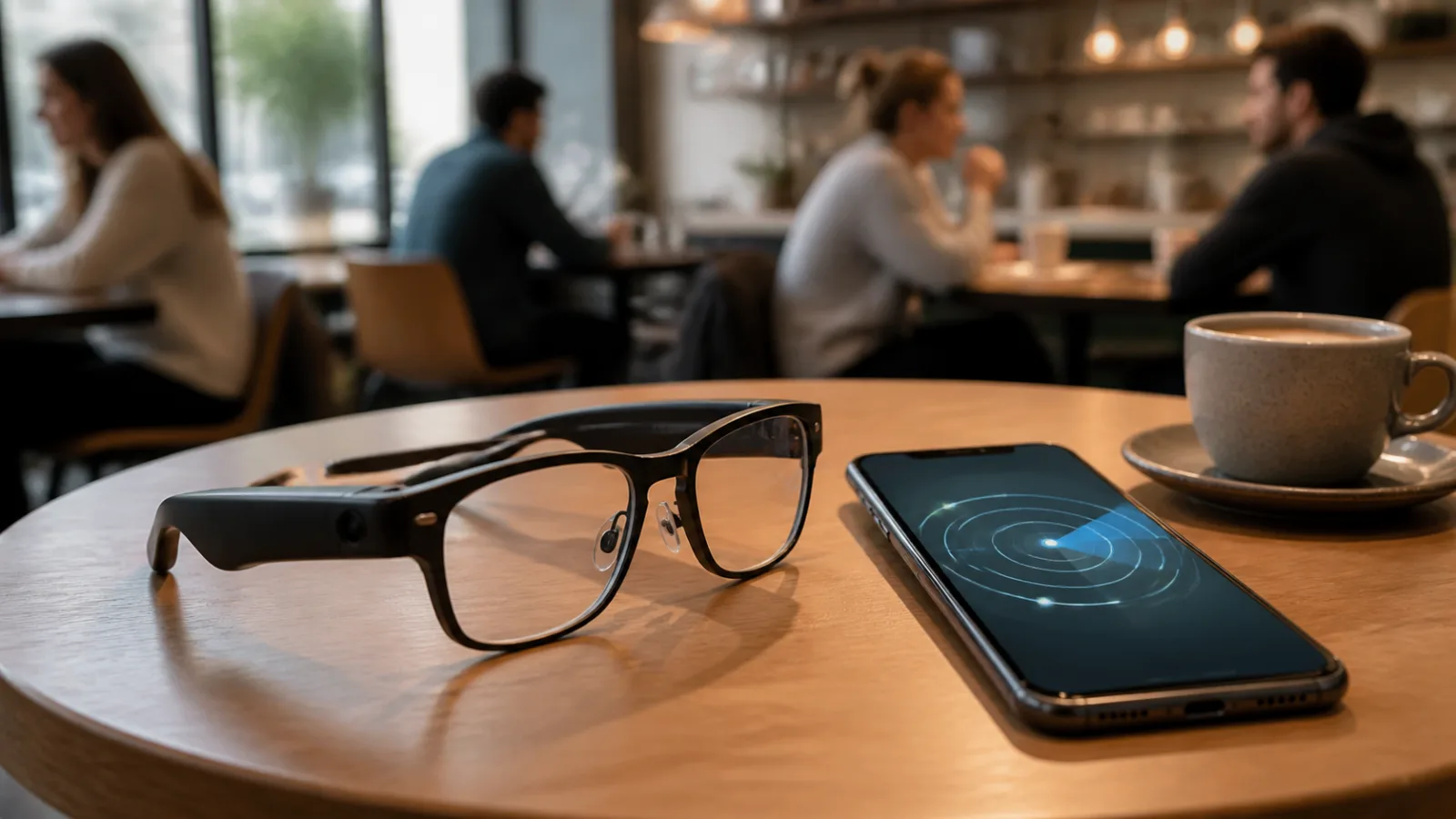
Meta's Kylie AI glasses make the camera harder to see. That is the problem
Meta's Starfire Kylie Edition turns AI glasses into a fashion purchase. The harder part is deciding what rules should follow when a camera looks like ordinary eyewear.
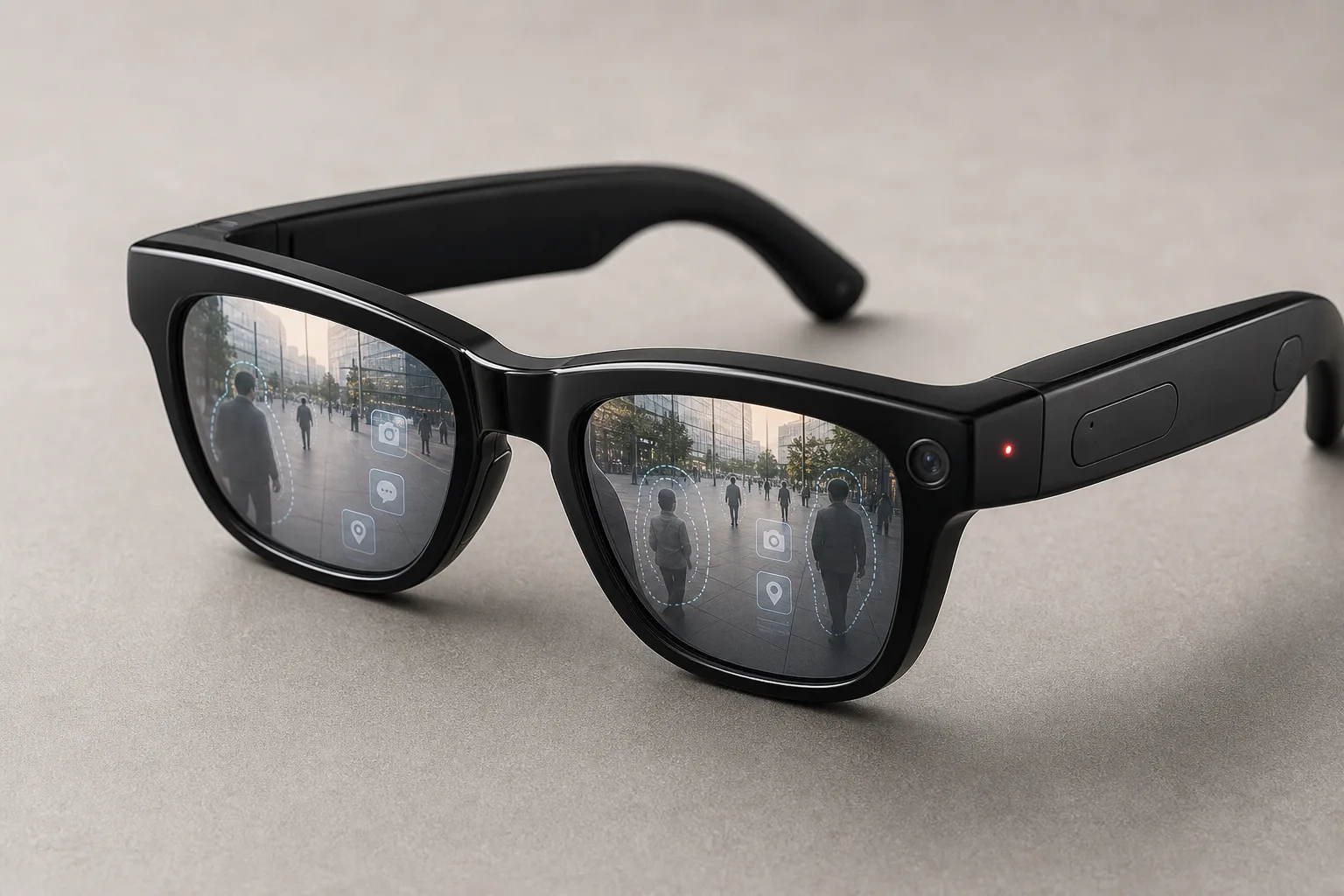
Snap Specs Put a Standalone AR Computer on Your Face. What the $2,195 Glasses Actually Change
Snap’s new Specs are a serious standalone augmented-reality computer, not a cheaper pair of camera glasses. Their value depends on whether you need hands-free spatial tools often enough to justify the price, weight, battery limits, and still-forming software ecosystem.
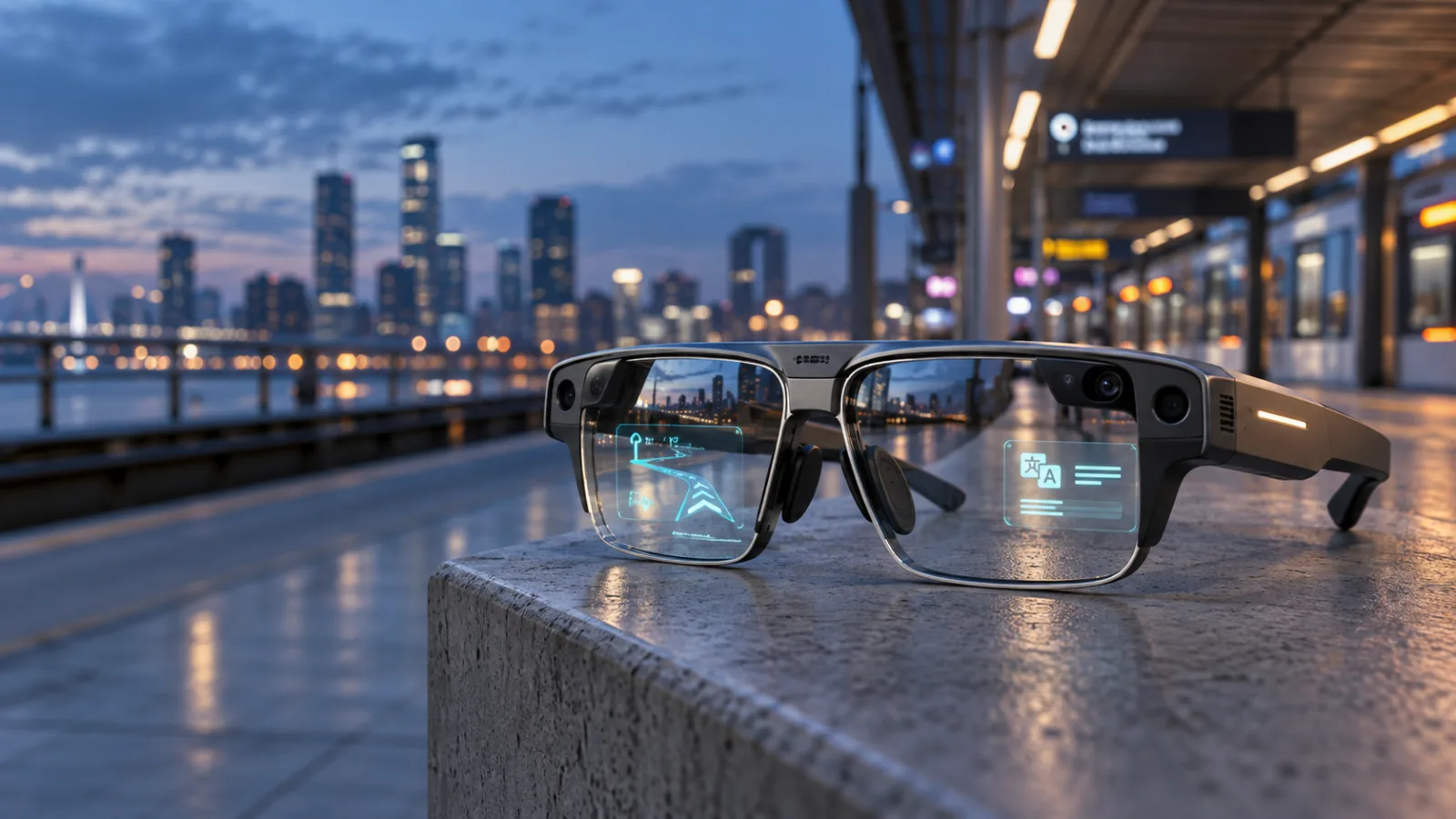
The September Android Drop’s Most Useful Changes Are a New Memory for Your Stuff and a Better Way to Read in Motion
Google’s September Android Drop adds remembered items to Find Hub, Motion Assist for passengers, Guided Vision, and new Messages tools. Here is what each feature does, which phones need Android 16 or 17, and what to check before trusting it.
Comments
Sign in to comment.
No comments yet.