Official phone cases are now gadgets, and they deserve gadget-level skepticism
Pixel case and Pixelsnap complaints show why a $50 official case is no longer a harmless checkout add-on. Treat phone accessories like devices, not decorations.

The most annoying gadget tax in 2026 may not be the phone. It is the second cart that appears around the phone: official case, clear case, magnetic ring stand, charging puck, wallet, screen protector, replacement cable and maybe a “perfectly aligned” ecosystem accessory. A $50 to $75 accessory no longer feels like a small add-on when it ages badly, slips in the hand, collects lint or depends on tiny screws.
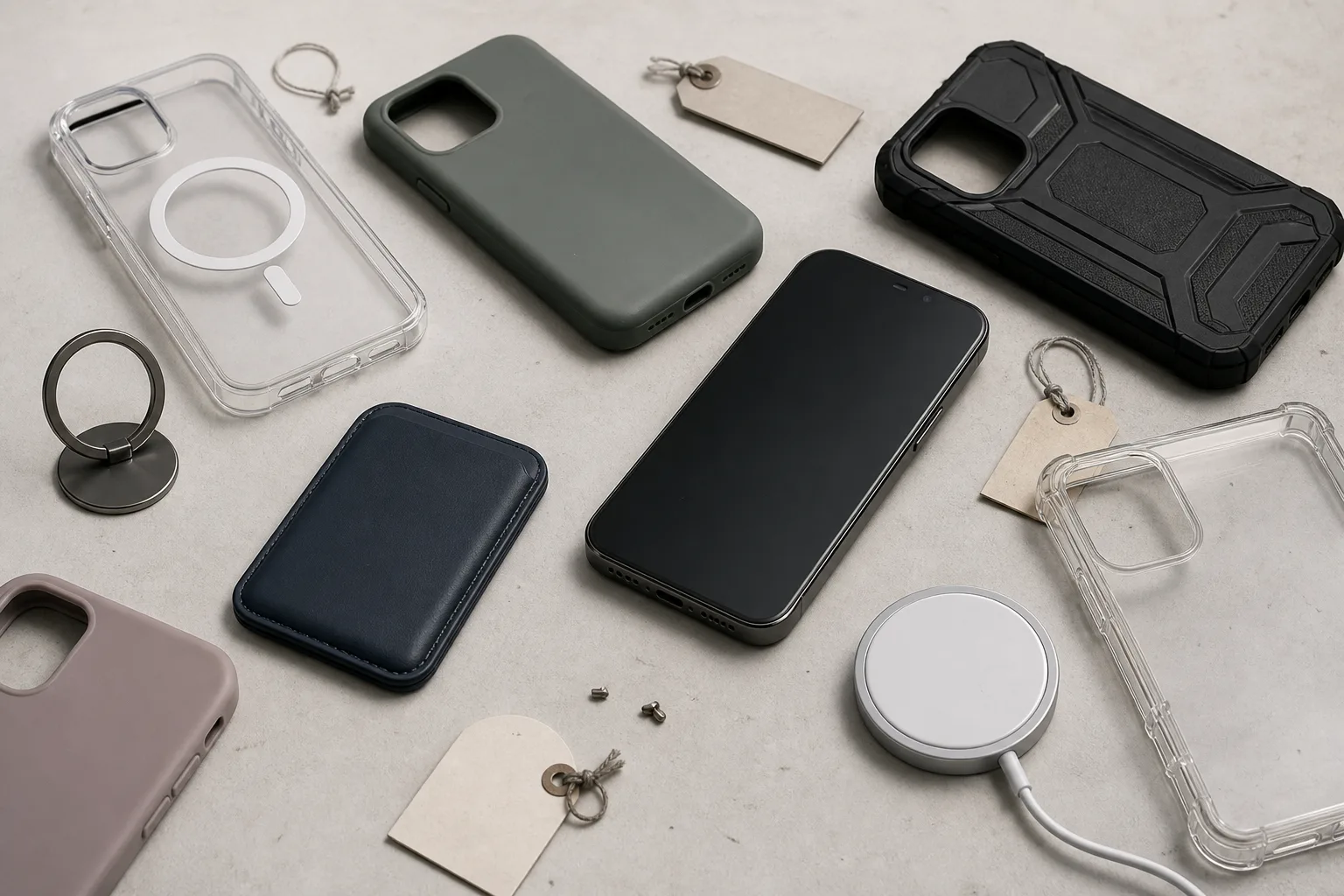
Google’s Pixel accessories are a useful current example because the backlash is specific. 9to5Google’s August 22, 2026 piece told readers not to buy Google’s Pixel 11 Clear Case at $50. Android Authority had already argued in 2025 that the official Pixel 10/Pixelsnap case did not justify its roughly $50 price, citing lint, a strange slippery-sticky feel, durability doubts and texture changes. 9to5Google also covered early complaints about the Pixelsnap Ring Stand, including reports of loose screws and a stand losing the ability to hold the phone confidently.
That does not prove every official case is bad. It does prove that “official” is not the same thing as “automatically best.” A case has become a small device in its own right: it affects grip, heat, charging, magnets, car mounts, wallets, pocket feel, camera protection, resale condition and the way a phone survives daily use. It deserves the same skepticism as any other gadget purchase.
Why official cases feel safe
The official accessory pitch is powerful because it removes decisions. The case should fit the camera bar. Buttons should click correctly. Wireless charging should line up. The color should match the phone. Store credit or a launch bundle can make the choice feel painless. For many buyers, adding the case during checkout is less stressful than searching through dozens of third-party listings.
There are real reasons to buy official. A first-party case may have clean cutouts, reliable dimensions, support for the brand’s magnetic alignment system, and easier warranty conversations if an accessory obviously fails. If the phone has an unusual camera layout or a new magnetic standard, early third-party options may be inconsistent.
But the premium only makes sense if the material and mechanics are good. A case that fits perfectly but becomes grimy, slick, loose or ugly after a few weeks is not a premium accessory. It is an expensive compromise wrapped in brand confidence.
The material problem: clear, silicone, leather, rugged
Clear cases sell because people want to see the phone color they paid for. The problem is that clear plastic can scratch, cloud or yellow. A good clear case can still be worth buying, but “transparent” is not a durability claim. If the case costs $50, ask whether you are paying for engineering or simply paying for the logo on a piece of plastic.
Silicone cases feel safer in the store because they suggest grip. In pockets, the same surface can attract lint, drag against fabric, become shiny, collect oils or feel oddly sticky and slippery at the same time. Android Authority’s Pixel 10 case critique is useful because it treats those annoyances as daily-use issues, not cosmetic nitpicks.
Rugged cases usually protect better but add bulk. Thin aramid-style cases feel premium and slim but may not protect corners or screens as well. Leather or leather-like cases can age beautifully or badly depending on finish, color and moisture. None of these categories is universally best. The right material depends on whether your priority is grip, drop protection, thinness, magnets, pocket feel, or long-term appearance.
The magnetic layer changes the stakes
Magnetic phone accessories are genuinely useful. A good magnetic system can make wireless charging easier, hold a phone on a car mount, attach a wallet, snap on a battery pack or turn the phone into a desk display. Apple’s MagSafe made this behavior familiar; Google’s Pixelsnap and Qi2-style accessories show the same idea moving deeper into Android.
The risk is that magnetic compatibility makes the case part of a larger mechanical system. The magnet has to be strong enough. The ring has to align correctly. The case must not interfere with charging or trap too much heat. A stand hinge must resist wear. Screws should not loosen during normal use. If a ring stand fails, it is not just a stand problem; it can become a phone-drop problem.
That is why the Pixelsnap Ring Stand reports matter even if they are early and limited. They remind buyers to judge magnetic accessories like hardware, not like decorative extras. A magnetic wallet, stand or mount should be checked for hinge stiffness, screw retention, heat, grip, charging compatibility and return policy.
What the Pixel backlash really says
The Pixel 11 Clear Case complaint is not important because one reviewer disliked a case. It is important because it captures a broader shift. Phone makers have learned that accessories can be high-margin ecosystem glue. Buyers have learned that the accessory is often necessary on day one. The tension appears when the official accessory feels priced like engineering but behaves like a disposable cover.
User discussions around Pixel cases and Pixelsnap accessories show the same pattern: lint, slipperiness, dirt, tabs breaking, questionable aging and loose hardware. Some of those complaints are subjective. Some may depend on color, pocket fabric, climate or how a person holds a phone. But the volume and repetition are enough to justify caution.
The correct response is not “never buy Google accessories.” It is “do not buy the official accessory automatically.” Treat it as a separate gadget with its own review cycle.
When an official case is still worth it
Buy official if you need guaranteed launch-day fit, exact button feel, clean camera cutouts, a matching color, or proven compatibility with a magnetic charger or stand you already own. Official can also make sense when a store credit covers most of the cost or when the phone shape is too new for trusted third-party reviews.
It may also be worth it for people who dislike research and will otherwise buy a random low-quality case. A first-party case can be the lower-risk default for the first month, especially if the return window is clear and the material has good early reviews.
But official should not mean unquestioned. If independent reviewers are already warning about price, feel or durability, wait. A case is not a launch-day emergency unless you are unusually rough on phones or have no temporary protection.
When third-party is the better move
Third-party cases are often better when your priority is drop protection, price, texture choice, color variety or a proven material. Brands such as Spigen, Ringke, Caseology, Mous, Peak Design, Dbrand and UAG compete on niches rather than simply matching the phone maker’s palette. Some make better rugged cases. Some make thinner magnetic cases. Some make cheaper clear cases that you can replace without feeling cheated.
The downside is inconsistency. A third-party magnetic ring may be misaligned. A cheap clear case may yellow quickly. A rugged case may block a charger or make the phone too bulky. A wallet may fall off a weak magnet. The answer is not to avoid third-party accessories; it is to buy from sellers with real photos, model-specific reviews and easy returns.
The checklist before buying a case or magnetic accessory
First, decide the job. Do you need drop protection, grip, a clear back, a car mount, wireless charging, a desk stand, a wallet, or pocket comfort? One accessory rarely does all of those well.
Second, check real-world aging. Search for reviews after three to six months, not just launch-day photos. Look for lint, yellowing, peeling, loose buttons, cracked corners, weak magnets, overheating during charging and hinge wear.
Third, check return policy. A case can feel wrong only after a day in your pocket. A stand can feel weak only after you use it on a train, in bed or at a desk. If the accessory costs as much as a good charger or earbuds discount, it deserves a proper return window.
Fourth, verify magnetic compatibility. “Magnetic” is not a single standard in practice. Check whether it works with your charger, car mount, wallet and battery pack. Also check whether the case raises temperature during wireless charging or makes alignment fussy.
Fifth, inspect the small mechanics. Hinges, screws, rings and fold-out stands are failure points. If a stand needs a tiny Torx driver to stay tight, that should be visible in reviews before you buy.
What not to buy impulsively
Do not buy a full-price official clear case just because it appears in the phone checkout. Clear cases are easy to replace, and the first-party premium should earn its place.
Do not buy a silicone case if lint or pocket drag already annoys you. It may feel grippy in the hand and irritating in daily carry.
Do not buy a magnetic ring stand without owner reports about hinge stiffness and screw durability. A stand that cannot hold the phone becomes clutter; a stand that drops the phone becomes risk.
Do not buy accessories only because a bundle makes them look cheap. Store credit is useful, but wasting credit on something you will replace in a month is still waste.
Bottom line
The modern phone case is no longer a $10 afterthought. It is part protection, part mount, part charging alignment tool, part wallet platform and part style choice. That makes it more useful, but also more failure-prone.
The Pixel 11 Clear Case backlash and Pixelsnap complaints are a reminder to slow down. Buy official when fit, magnets and launch-day certainty matter. Buy third-party when material, protection, price or long-term reviews matter more. Above all, do not let the phone purchase automatically drag a costly accessory ecosystem into your cart. The best case is not the one with the phone maker’s logo. It is the one that still feels good after months in your pocket.
Related articles
Amazon’s Alexa Tablets bring Google Play to Fire’s successor—but the price changes the bargain
Amazon’s new Alexa Tablets solve the Fire range’s biggest software limitation by adding full Android and Google Play. They also cost enough that storage, accessories, subscriptions, support, and competing tablets now deserve a careful comparison.
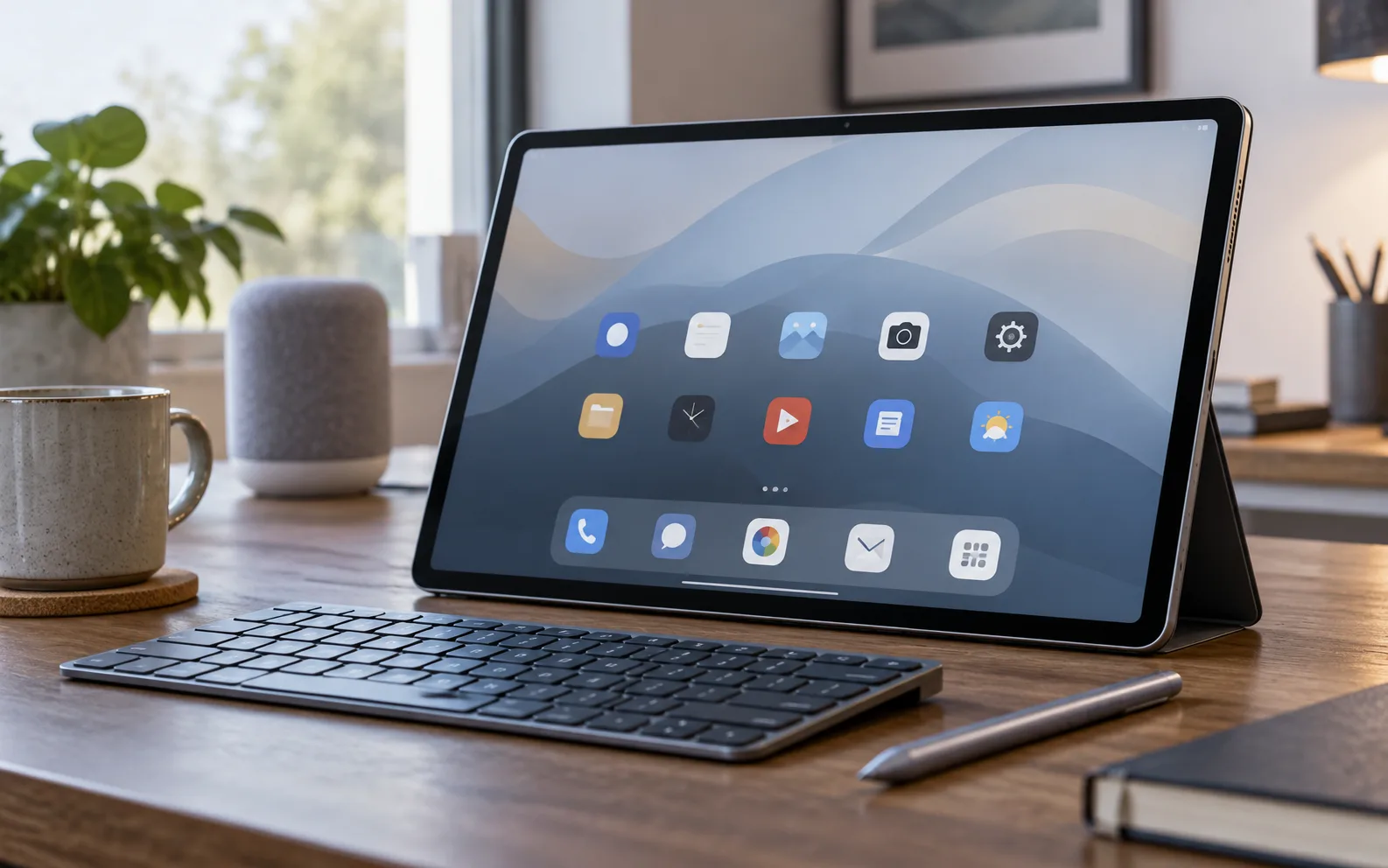
The iPhone 18 Pro’s variable-aperture camera is useful, but it is not a reason for everyone to upgrade
Apple’s iPhone 18 Pro adds a mechanical variable-aperture main camera, manual exposure controls, a new chip and better claimed battery life. Here is what those changes mean in ordinary photos, video, upgrades and buying decisions before full reviews arrive.
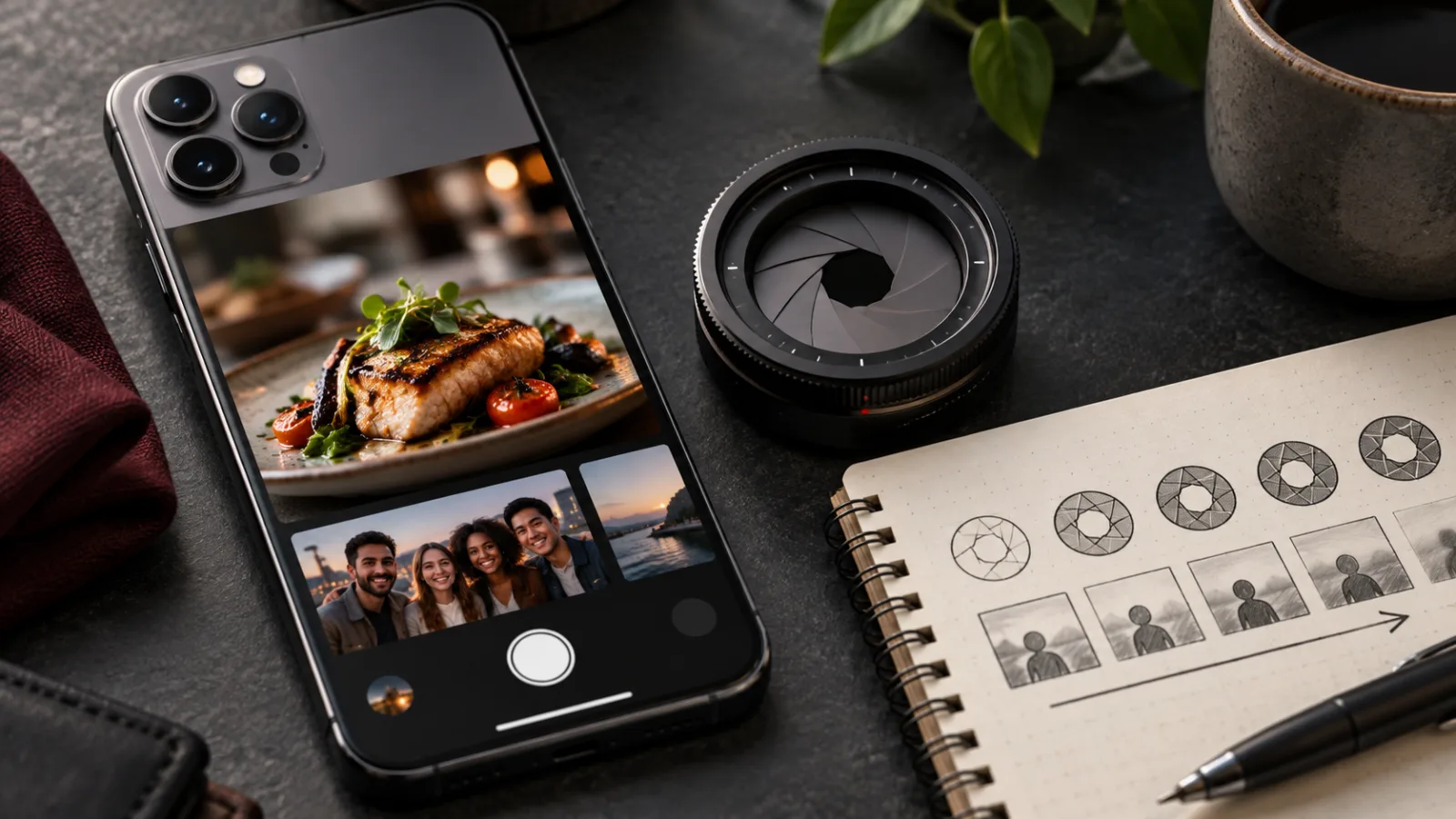
Googlebook’s Android Integration Has a Launch-Day Catch: What Samsung and Other Phone Owners Need to Check
Googlebook’s headline feature is continuity with an Android phone, but that promise depends on Android 17, manufacturer support and a stable cross-device setup. Here is what works now, what is delayed, and who should wait before buying.
Samsung Galaxy Buds On Put Open-Ear Listening Into a Clip-On Design: What Buyers Should Check
Samsung’s first clip-on Galaxy Buds are aimed at runners, commuters, and anyone who dislikes sealed earbuds. The useful question is not whether the design looks new, but whether open sound, leakage controls, battery life, and Galaxy-only features fit your routine.
Comments
Sign in to comment.
No comments yet.