Good Tech News
Positive and useful news from science, technology, medicine, ecology, and engineering. No naive optimism — only real improvements and meaningful achievements.
Latest publications
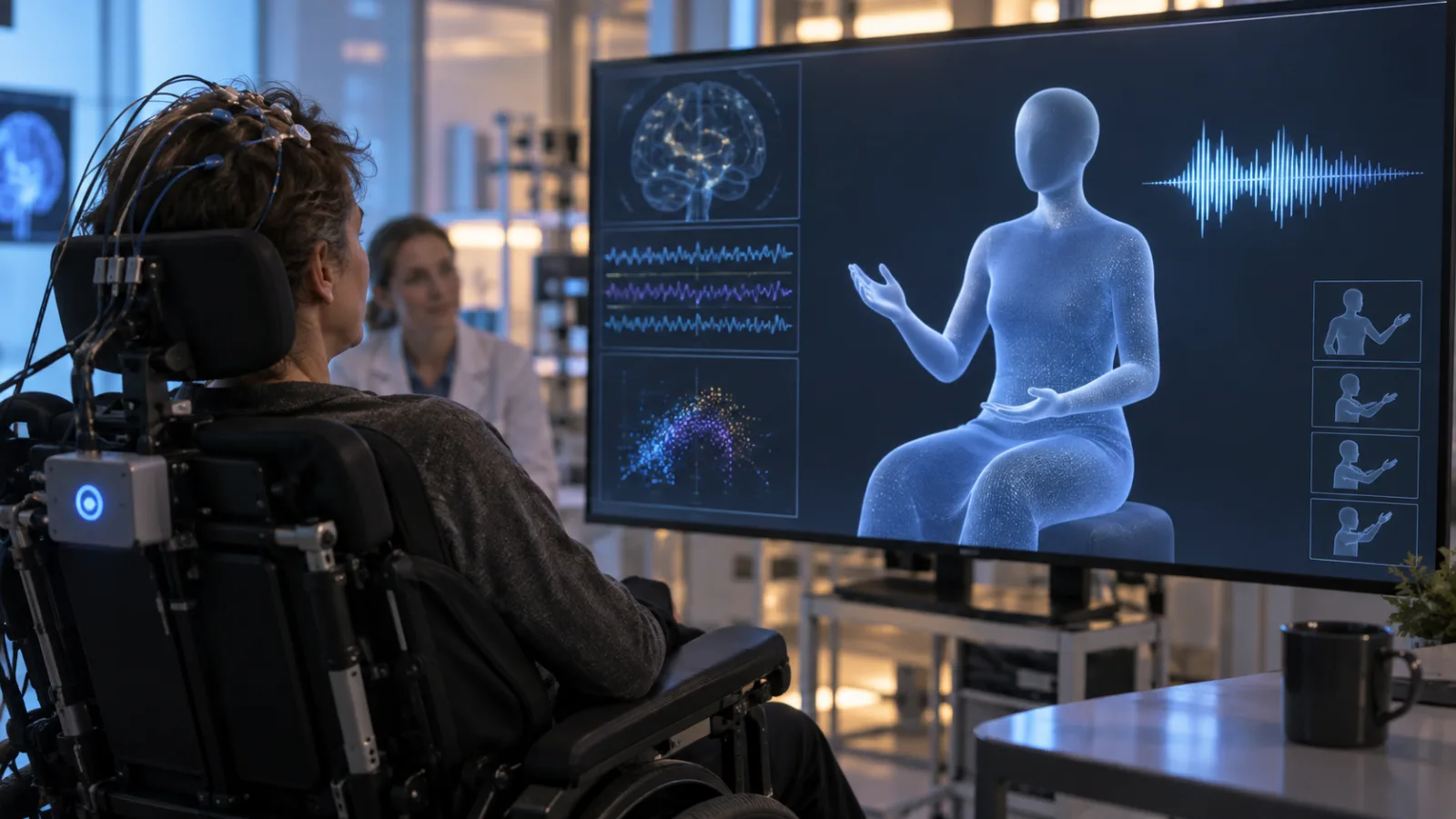
A brain-computer interface brings speech and gesture back into the same conversation
A UCSF-led study shows that implanted sensors can decode attempted speech and upper-body gestures at the same time, pointing toward richer communication for people with severe paralysis while leaving major clinical and engineering hurdles unresolved.
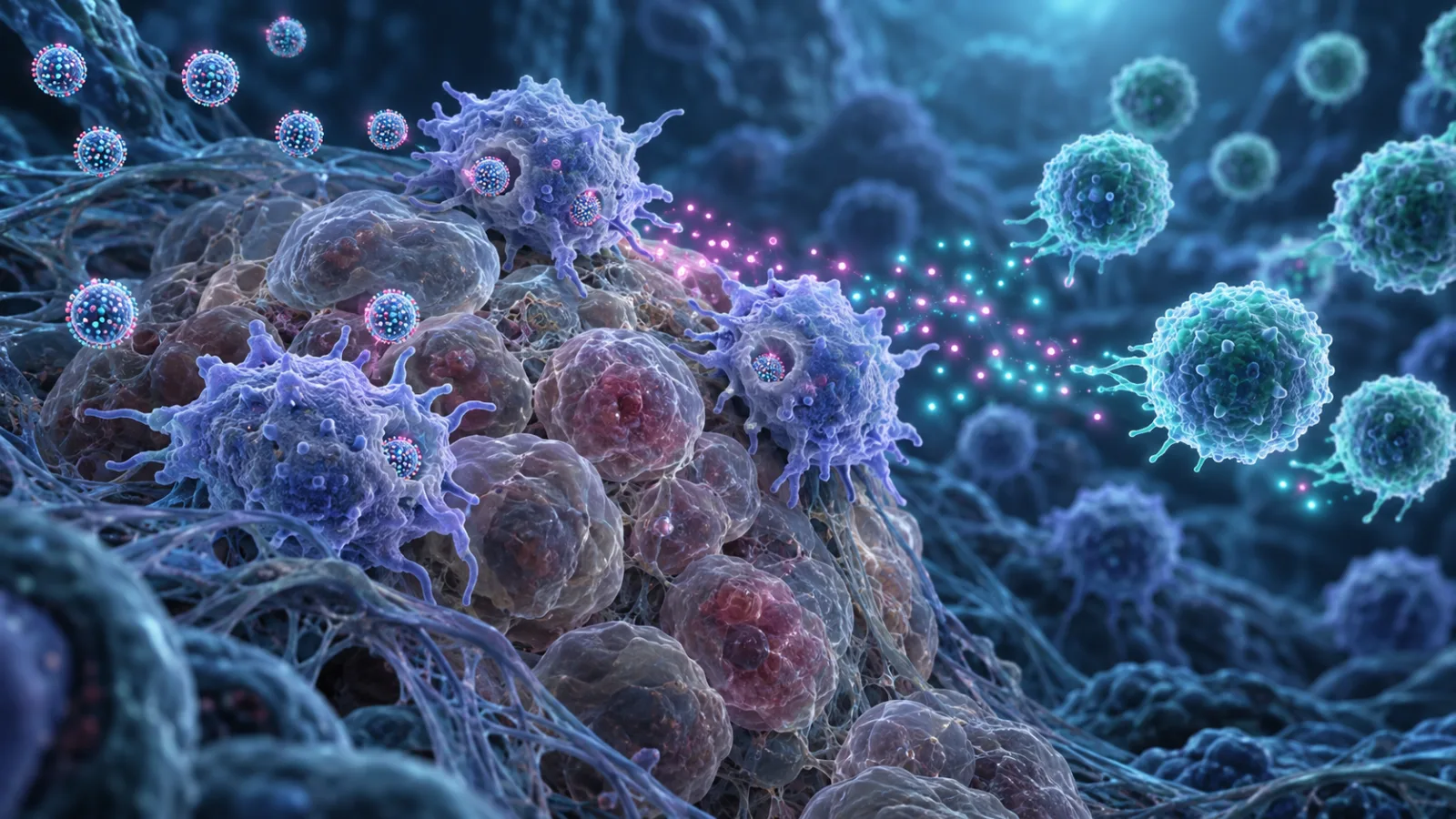
mRNA nanoparticles target tumor macrophages in a useful but early cancer immunotherapy study
A new mouse study uses antibody-coated lipid nanoparticles to make tumor-supporting macrophages send a T-cell-attracting signal. The result is not a cancer cure, but it is a careful proof of concept for changing the tumor environment from inside.
Sandia’s ETCRAM points to a quieter way to cut energy in sensor computing
Sandia researchers have demonstrated an analog memory that stores far more precise states across a wider range than earlier devices. The useful idea is not a faster server, but less raw sensor data moving between chips.
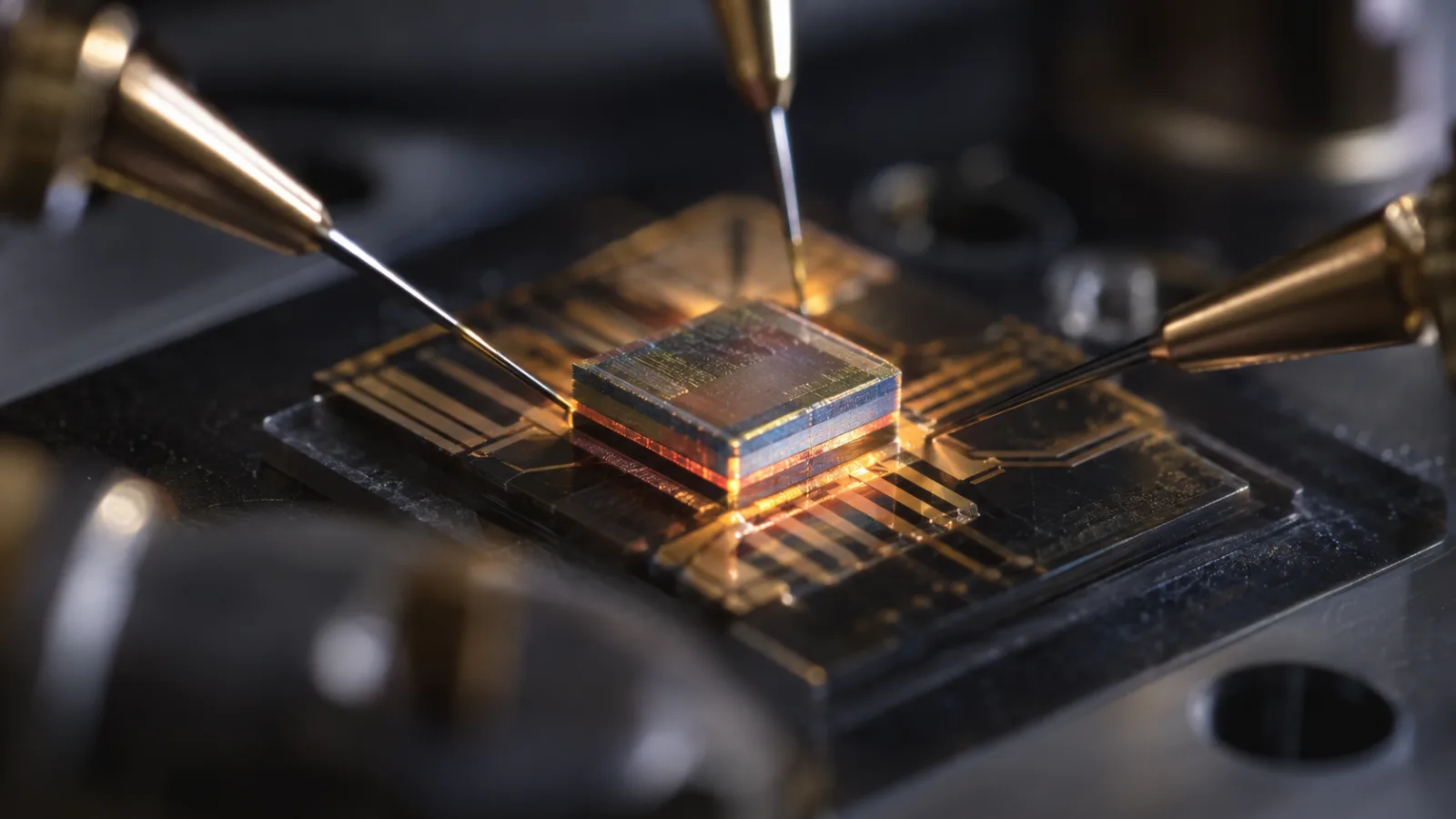
AlphaGenome Atlas turns nine billion possible DNA changes into a research map
Google DeepMind’s new AlphaGenome Atlas precomputes predicted molecular effects for every possible single-letter change in the human genome. Its value is practical: it helps researchers decide what to test next, while leaving diagnosis and clinical interpretation to experiments and genetics professionals.

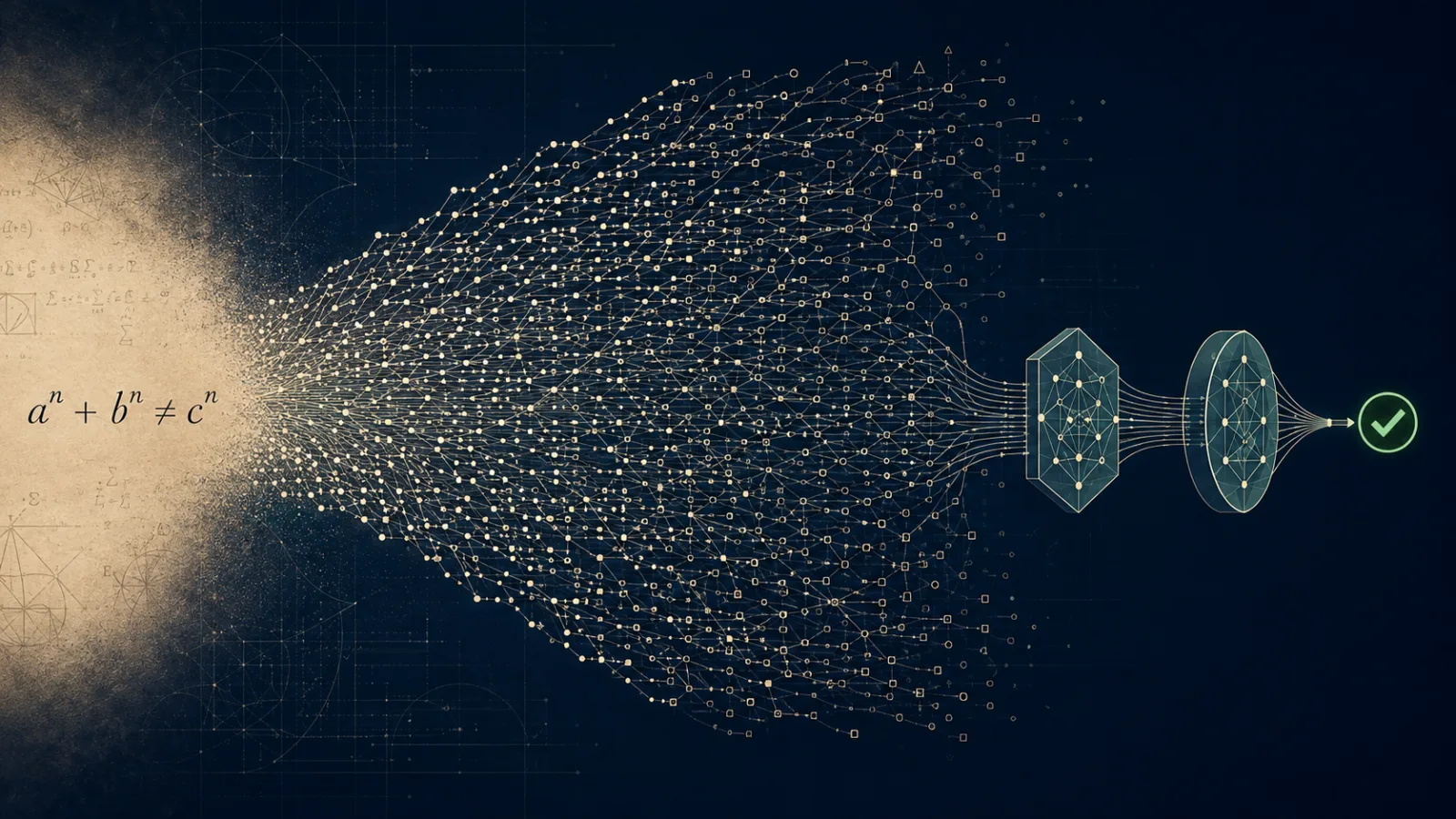
A 13-Million-Line Check of Fermat’s Last Theorem Tests AI at Proof Scale
Anthropic says Claude agents formalized the established proof of Fermat’s Last Theorem in Lean 4 during a largely autonomous 11-day run. The public artifact is a substantial advance in machine-checked mathematics, but its real value depends on reproducibility, expert review and maintainability—not headline scale alone.
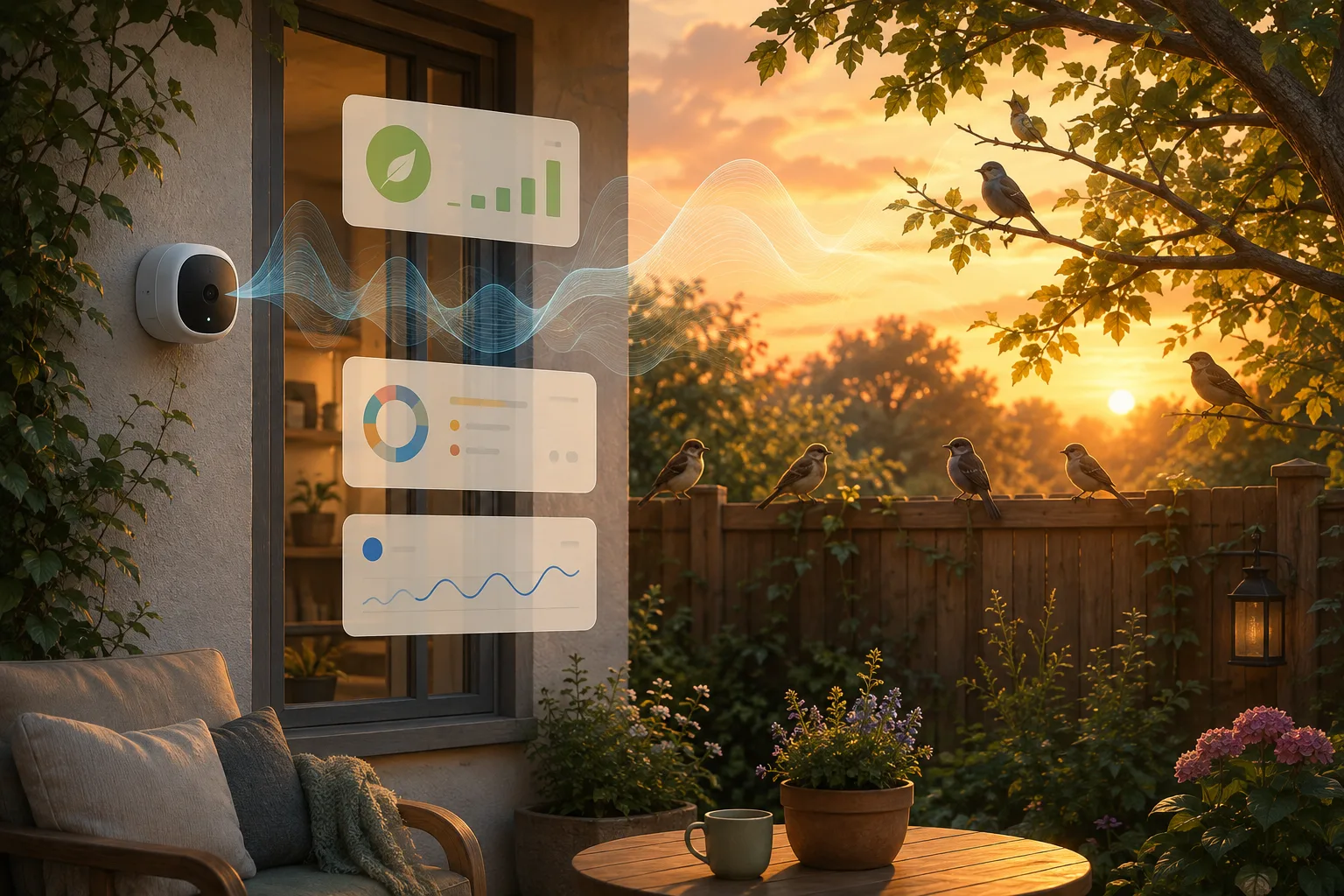
Your doorbell camera can become a local bird observatory
BirdNET-Go shows a gentler smart-home pattern: reuse existing cameras and small computers to hear local wildlife, learn from it, and keep most processing at home.
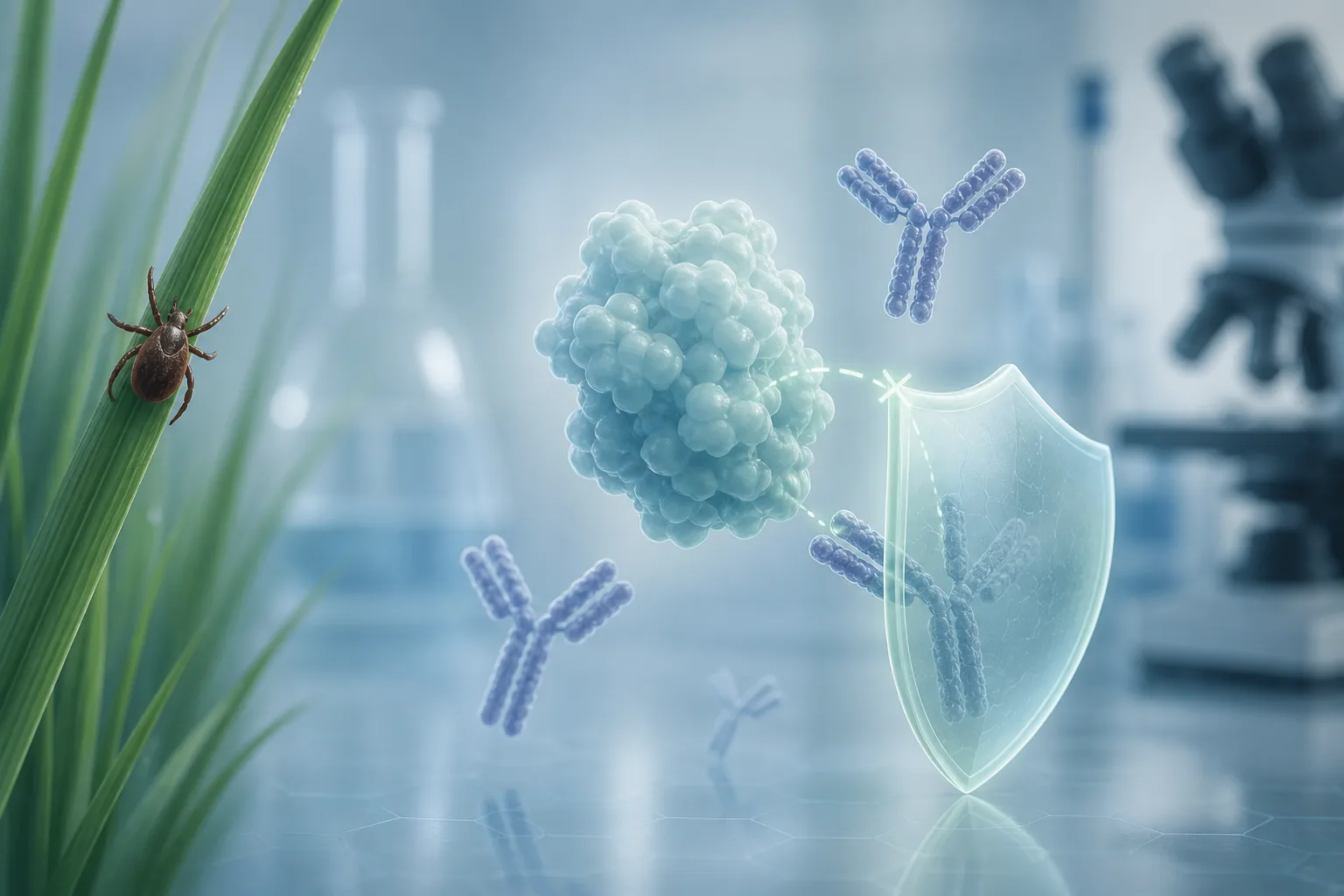
A tick-linked meat allergy just got a real therapy lead
NIH researchers found antibodies that block parts of the alpha-gal allergic pathway in lab tests. It is not a cure yet, but it is a concrete step beyond avoidance.
Cloudflare freed 100 TB of RAM by making DNS cache entries smaller
A careful Rust data-layout rewrite made 1.1.1.1’s DNS cache lighter and faster, showing why software efficiency is real infrastructure work.

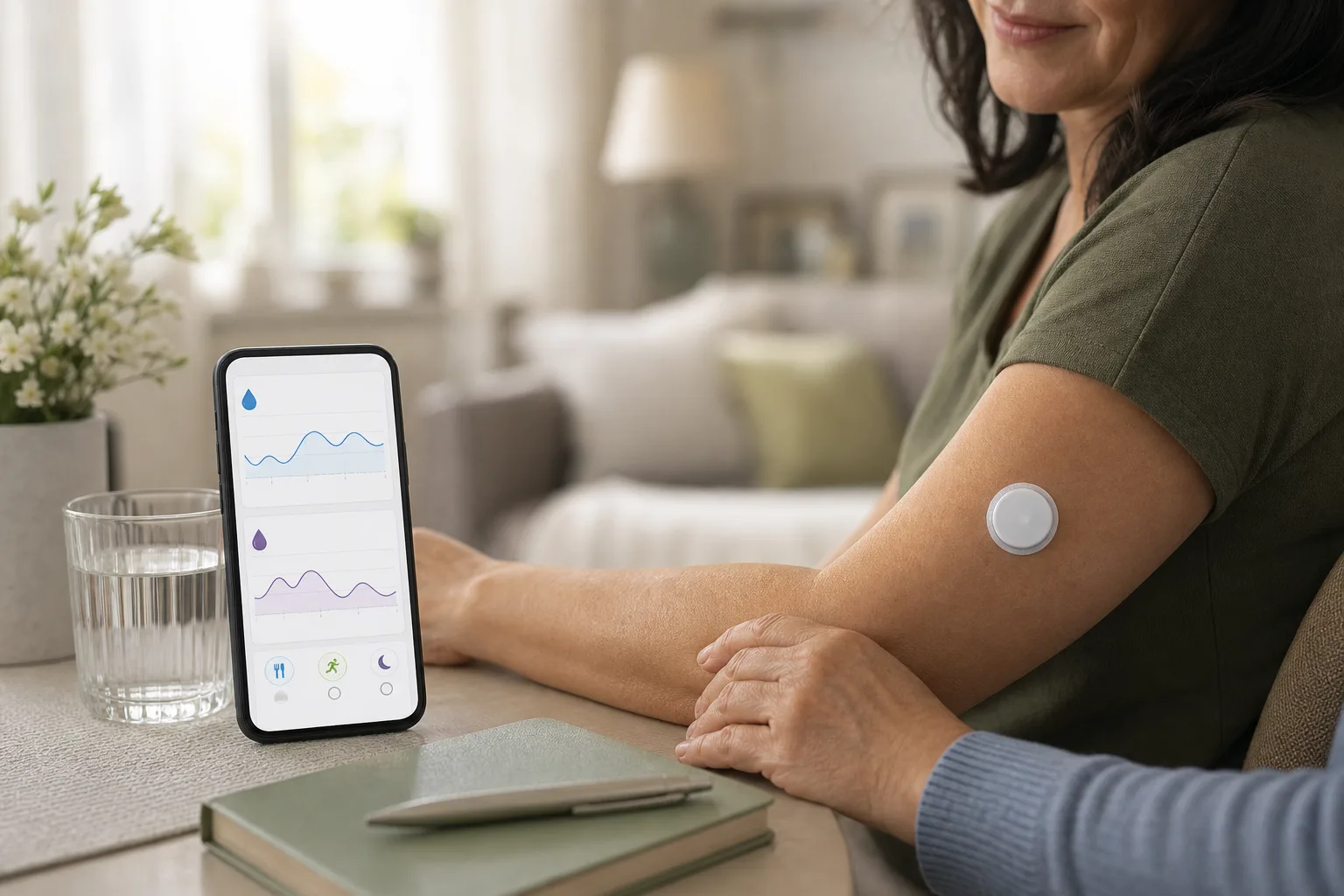
A wearable glucose-and-ketone sensor is good news with real caveats
FDA authorization for Abbott Libre Duo shows how home health monitoring can move from one number to earlier warning, especially for people at risk of DKA.
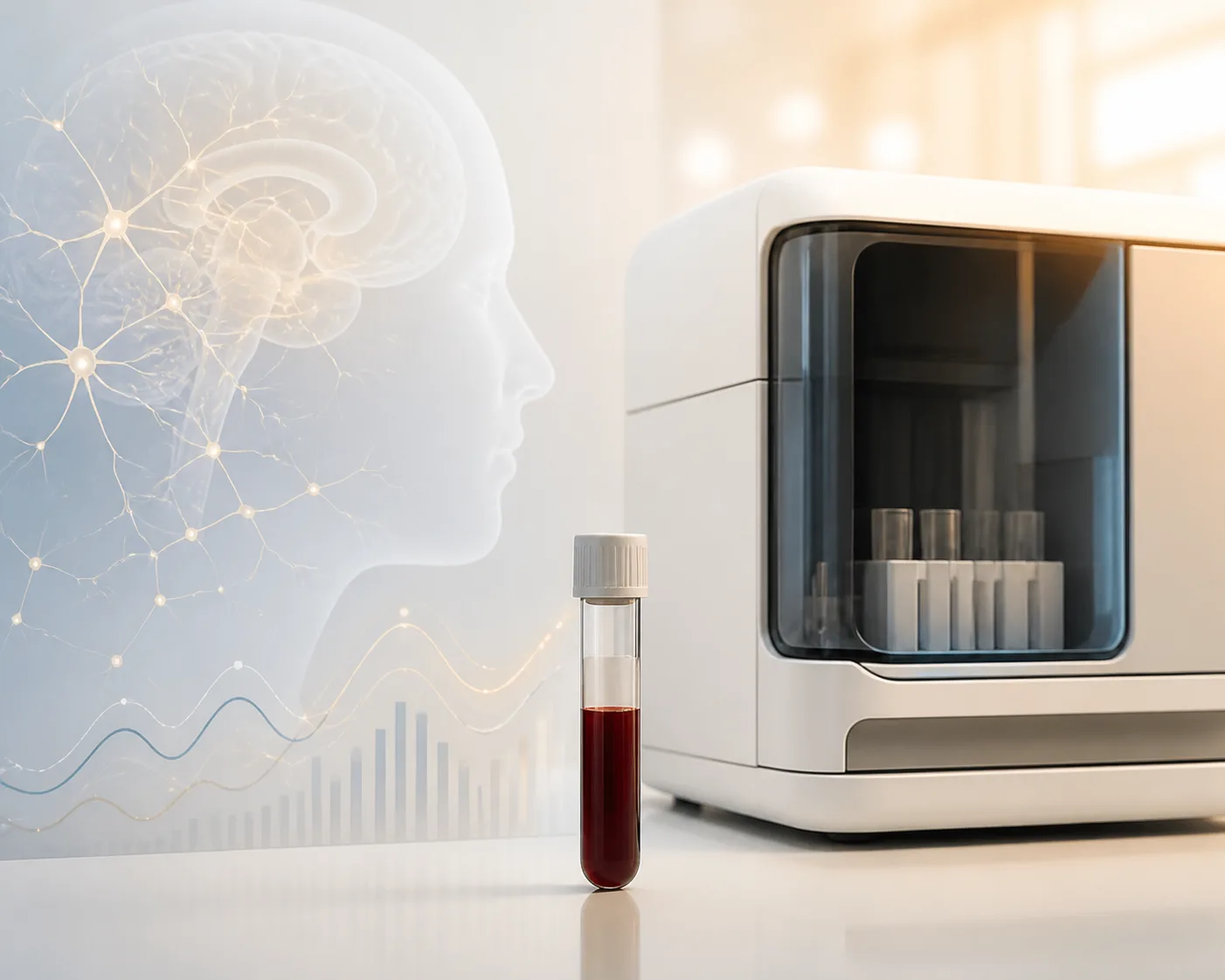
Alzheimer’s blood tests are good news when they stay inside the clinic
FDA-cleared blood biomarkers can make diagnosis less invasive for symptomatic patients, but they are not a wellness screen or a one-tube verdict.
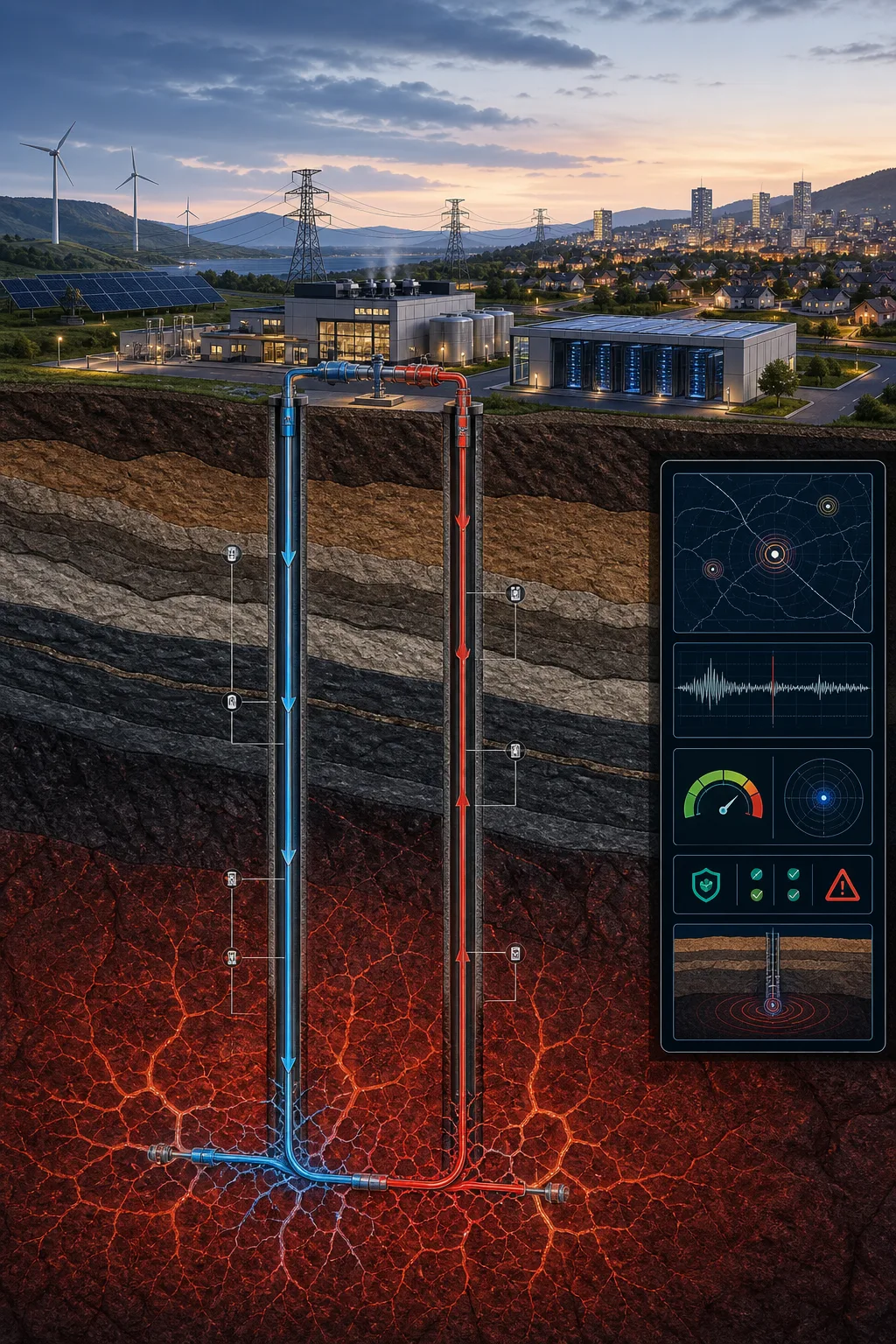
Geothermal energy is becoming good technology news because engineers made it harder
The hopeful part is not a miracle headline. New geothermal work is turning underground heat into a measurable engineering problem: drill better, model better, monitor better, and prove the economics plant by plant.
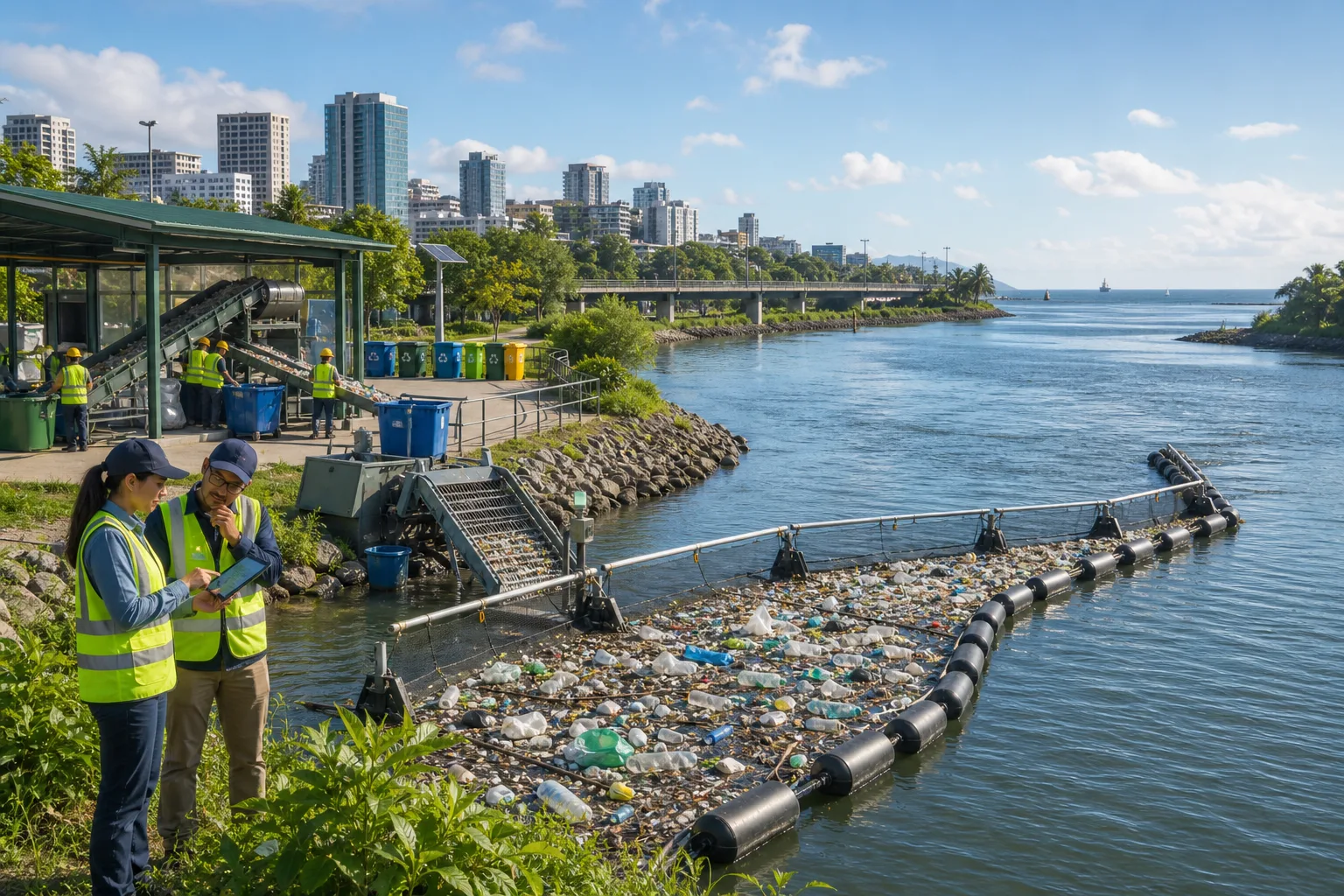
The Ocean Cleanup lesson: good technology gets better when it listens to evidence
The Ocean Cleanup did not make ocean plastic simple, and that may be its most useful lesson. Real environmental technology has to combine ambition with ecology, local waste systems, river prevention, transparent data and the humility to change course.