
Good Tech News
Latest publications
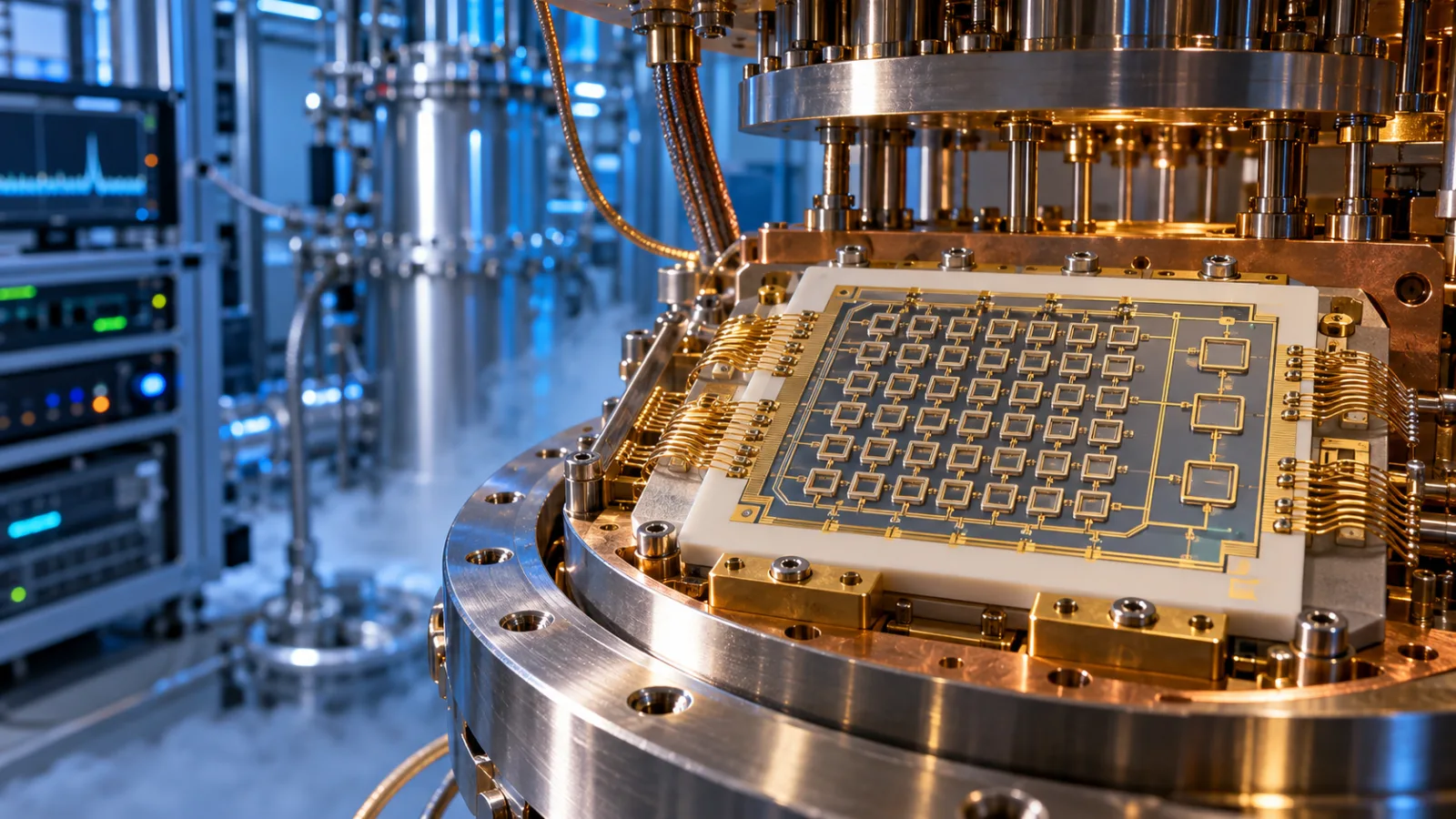
Bare Loops Give SQUID Arrays an Absolute Magnetic Reference Without Different-Sized Circuits
A University of Adelaide team has demonstrated a way to make superconducting SQUID arrays identify an absolute magnetic field while keeping their sensing loops the same physical size. The result could simplify fabrication, but it is still a cryogenic laboratory advance—not a ready-made medical scanner.
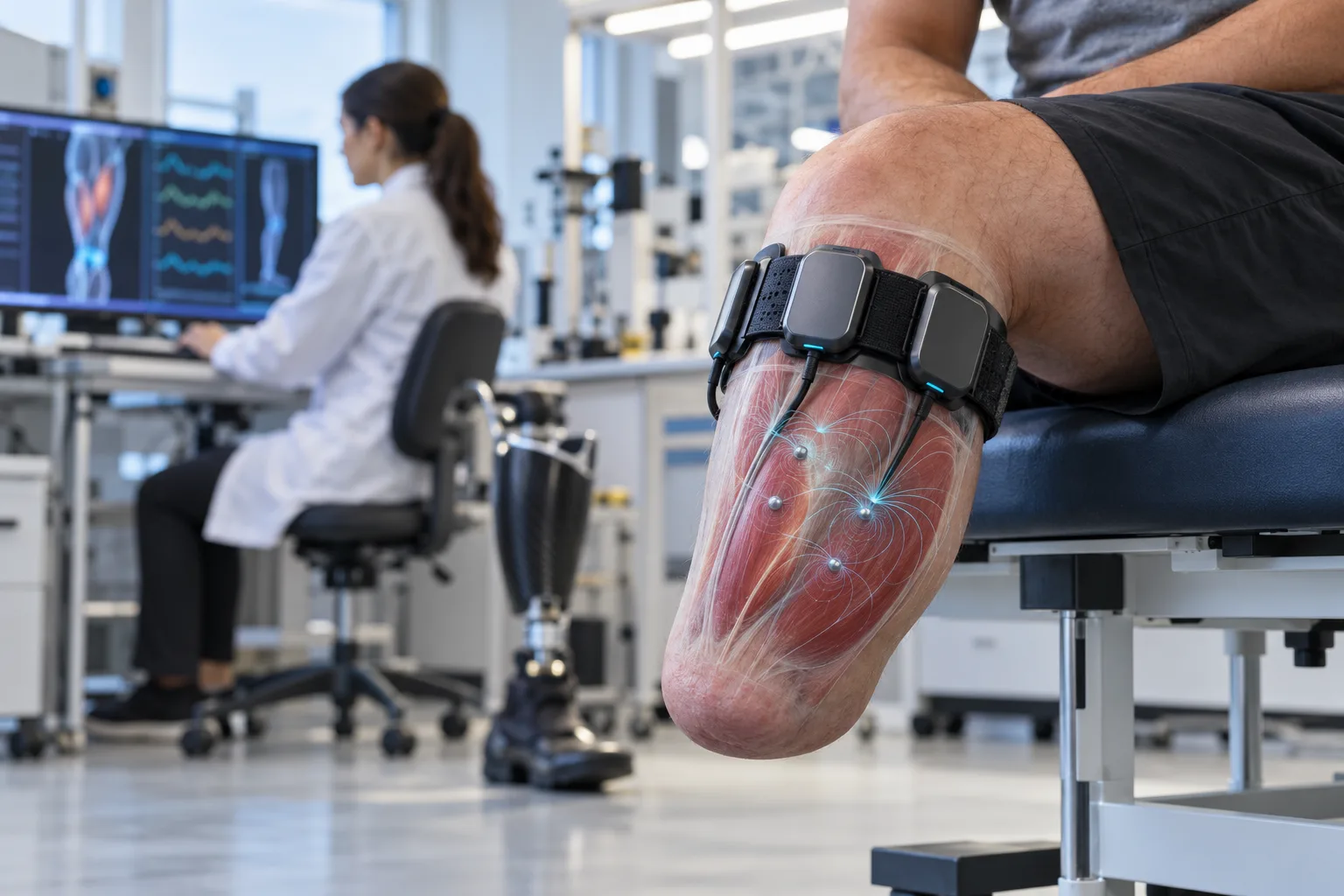
Tiny Implanted Magnets Give Prosthetic Research a Better Muscle Signal
A three-person MIT study suggests that tiny magnetic beads can measure residual-muscle movement more directly than skin electrodes, producing steadier control signals for future prosthetic limbs. The result is promising, but it is still an interface study—not a ready-made bionic leg.
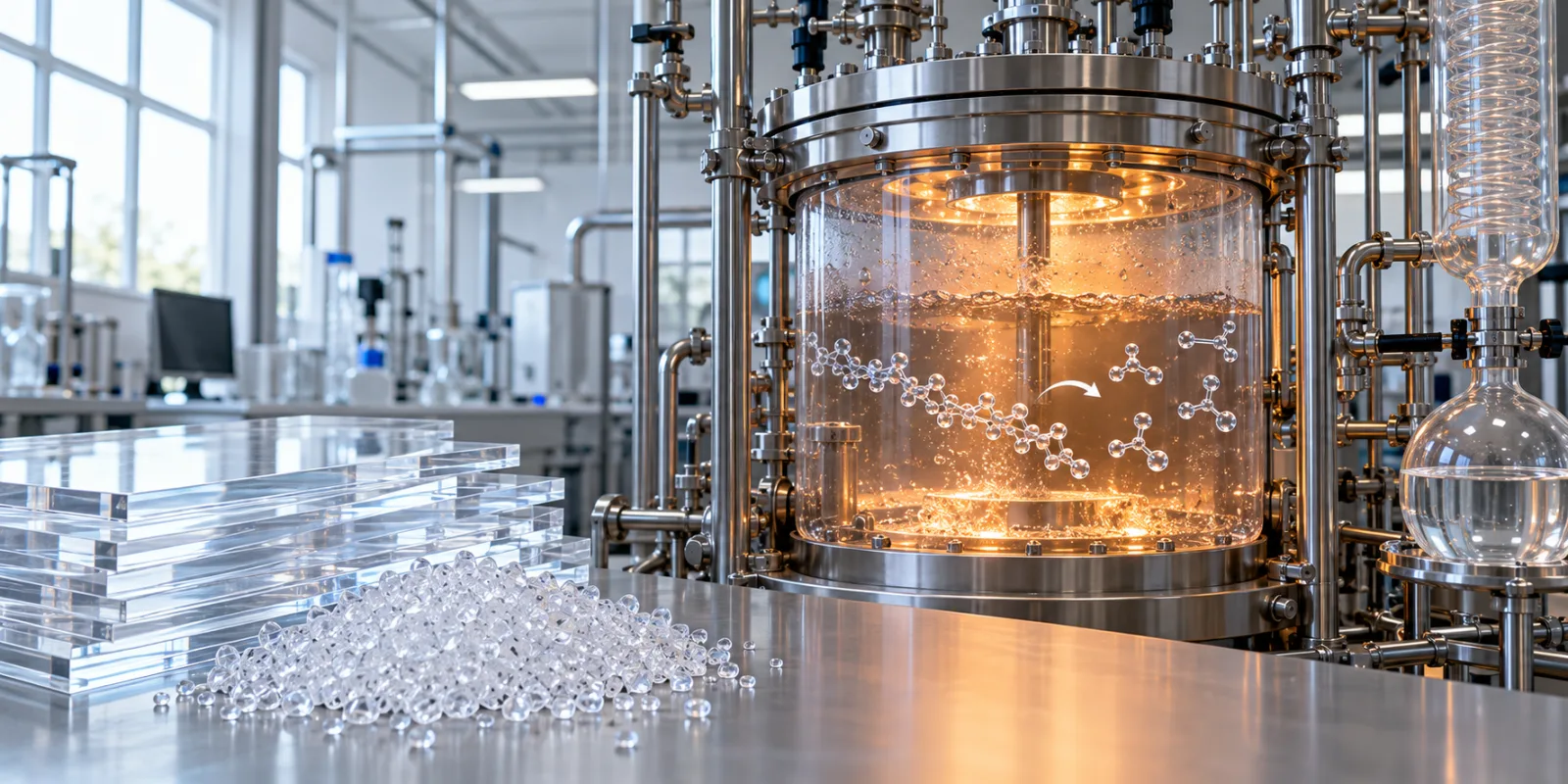
Acrylic Glass Recycling Gets a Practical Upgrade: More Monomer, Less Heat, No Solvent
A new ETH Zurich process breaks commercial acrylic glass back into high-purity chemical building blocks at just over 200°C, with reported yields up to 98%. The meaningful advance is not a recycling slogan but a simpler route that may fit existing industrial equipment.
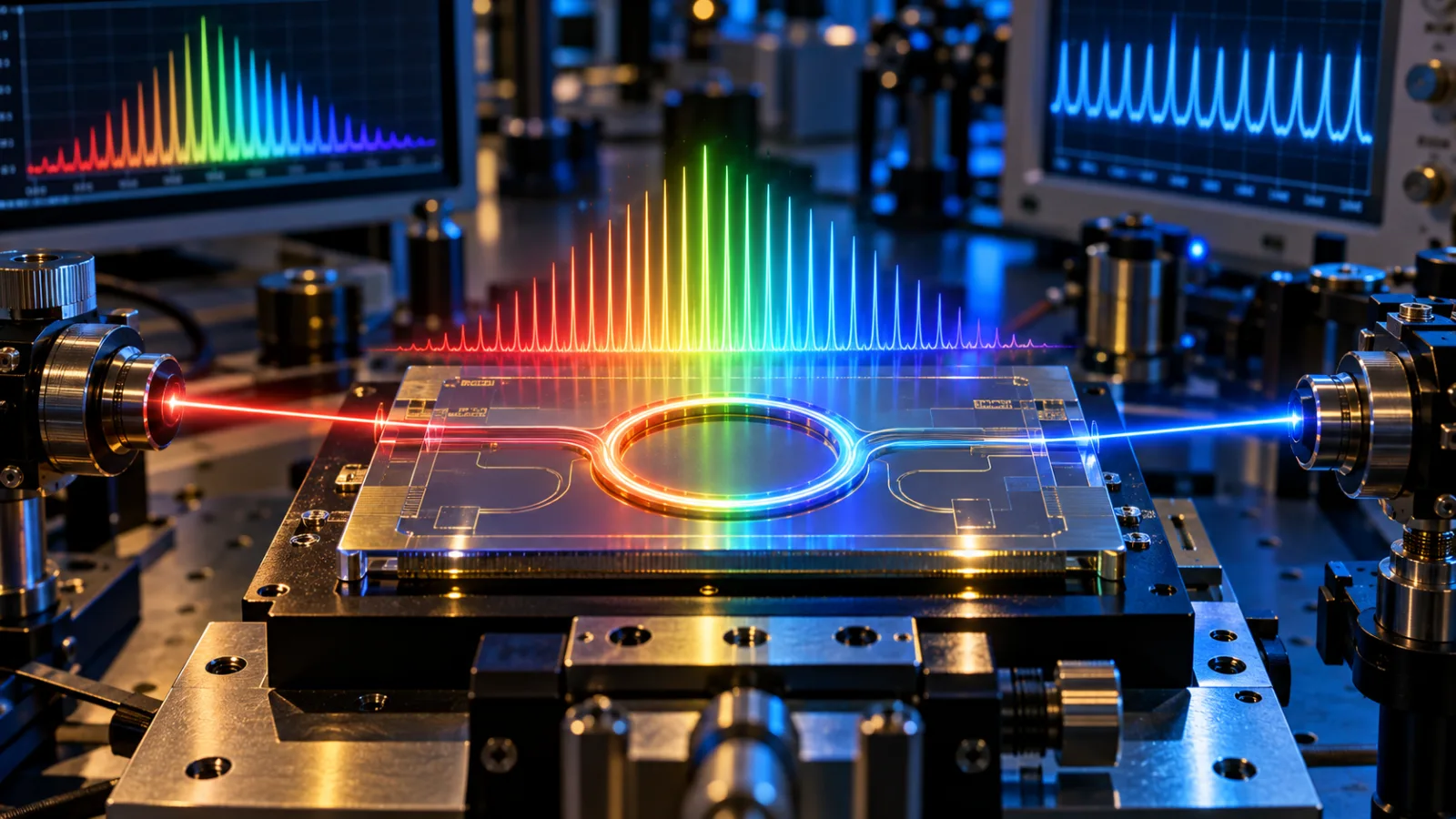
A Chip-Scale Optical Frequency Comb Brings Precision Timing Closer to the Field
A NIST-led team has demonstrated a self-aligned optical frequency comb that performs several precision-measurement tasks on a chip. The advance does not replace GPS or atomic clocks yet, but it removes a major obstacle to making optical timing hardware smaller and more deployable.
NASA’s X-59 Moves Quiet Supersonic Flight From Promise to Public Test
NASA’s X-59 has entered a sustained flight-test phase aimed at answering a practical question: can supersonic travel be made quiet enough for communities and measurable enough for regulators?

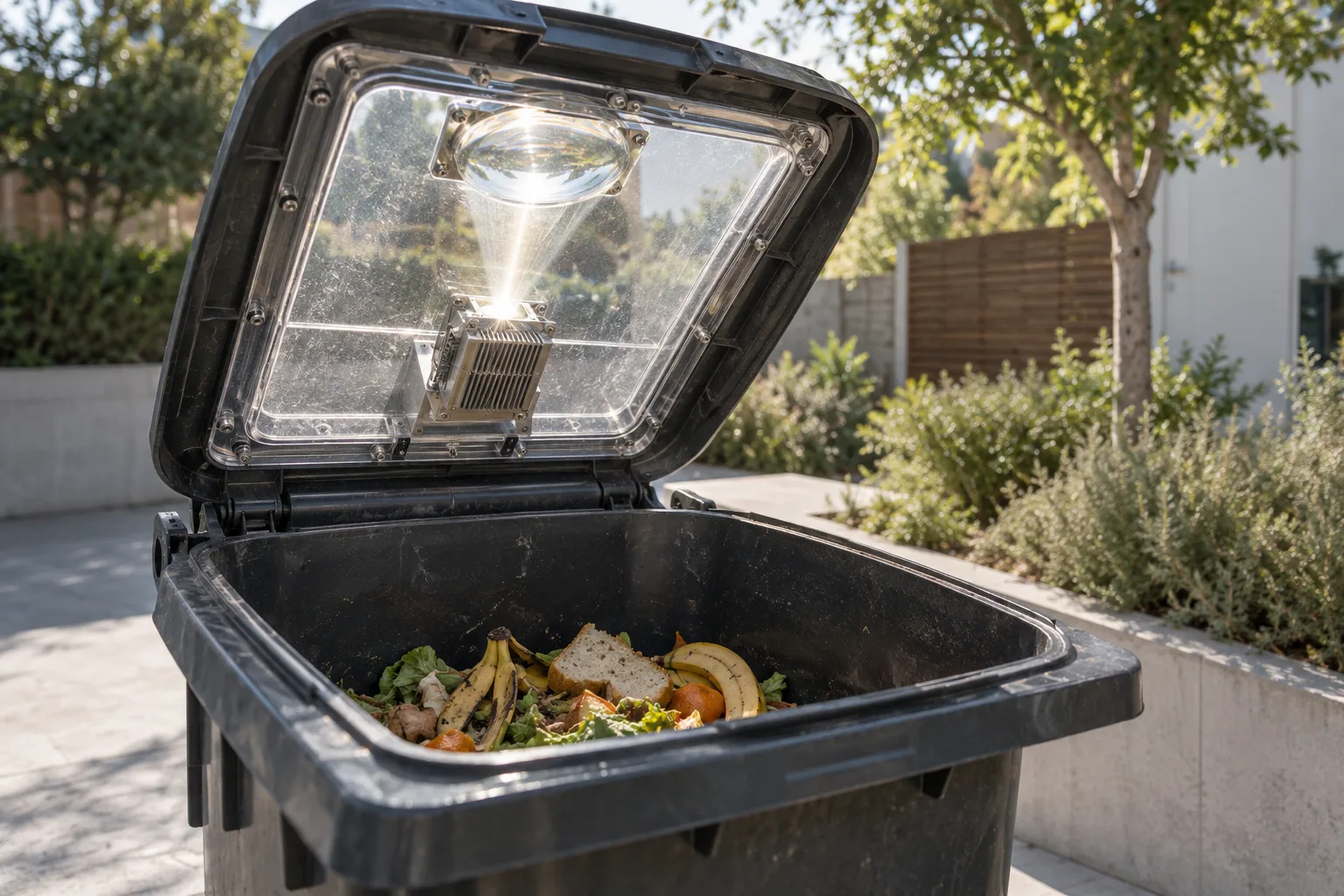
A Sunlit Trash-Bin Lid Targets the Chemistry of Food-Waste Odor
A research prototype uses a lens, sunlight, and lithium-modified manganese dioxide to break down acetic acid inside a wheeled trash bin. The result is promising engineering, but it is still a small outdoor demonstration—not a ready-made household product.
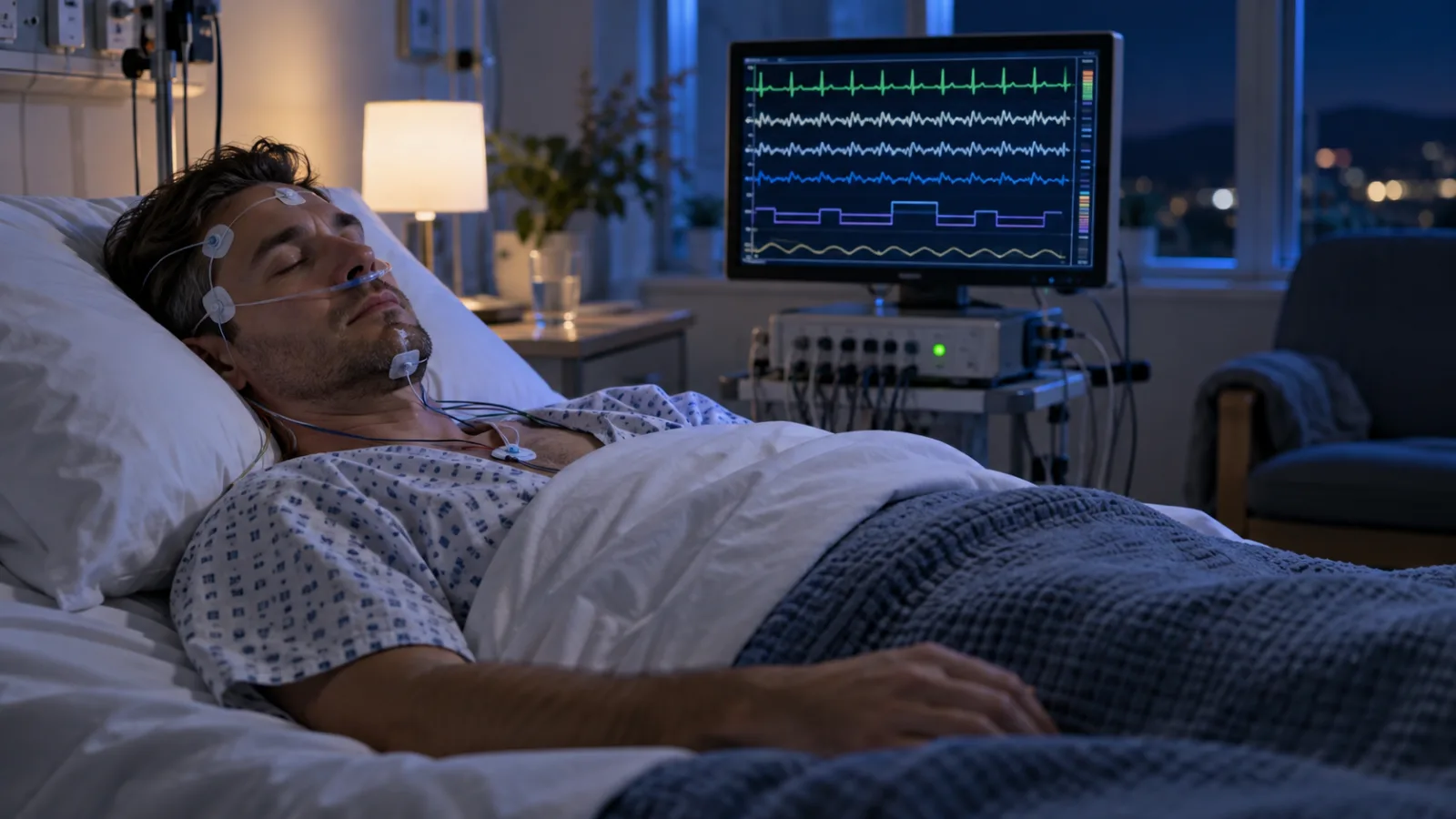
A Sleep Study’s Unused ECG Signal Can Reveal Cardiovascular Risk — With Important Limits
A new study finds that deep learning can use a single ECG channel already recorded during overnight sleep studies to identify long-term risk for atrial fibrillation, heart failure, and death. The result is promising, but it is not yet a clinical diagnosis or proven prevention tool.
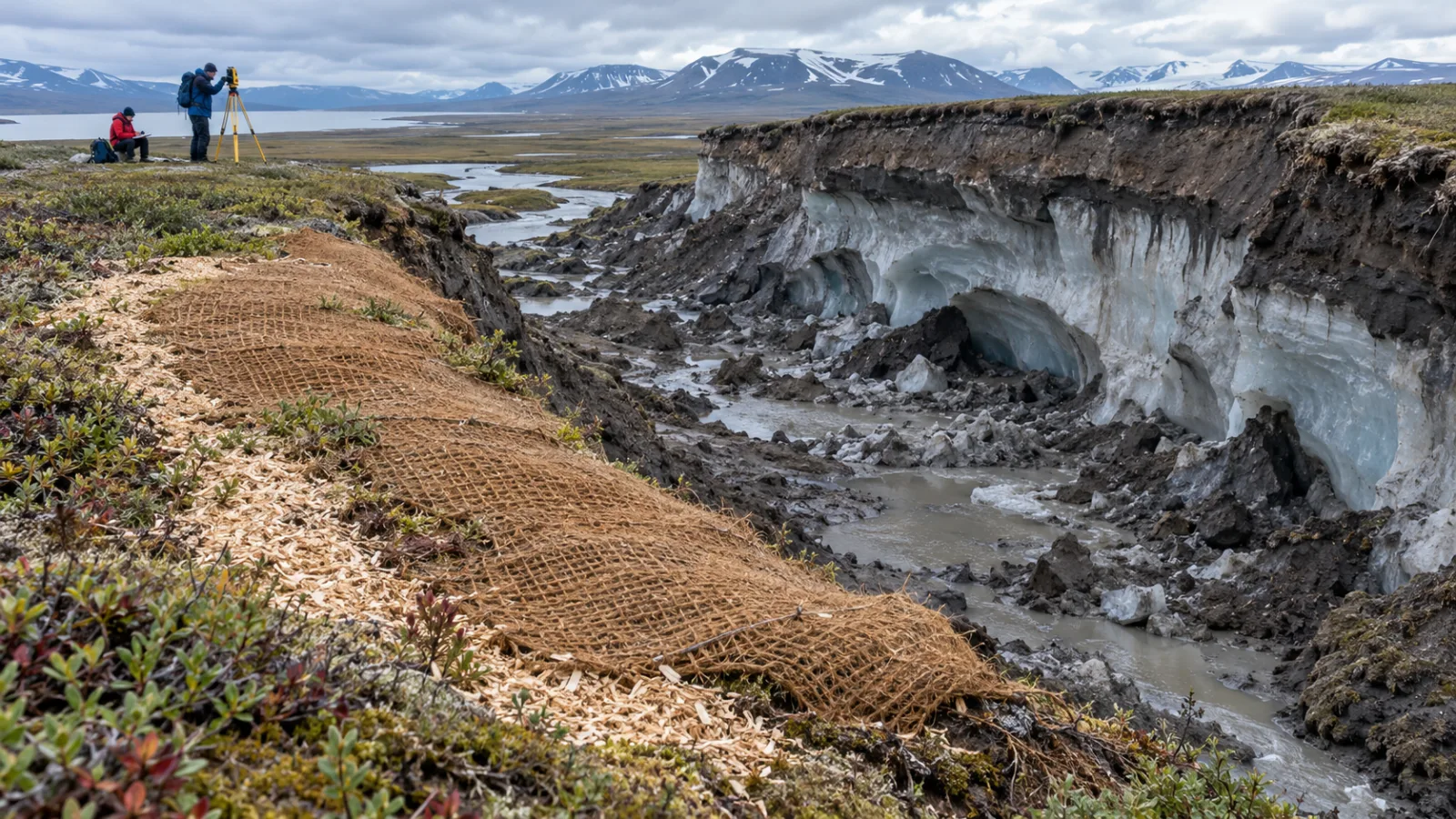
Arctic Permafrost Gets a Small, Testable Defense: Can Woody Blankets Stop Carbon-Rich Slumps?
A Canadian field trial is testing whether wood shavings, native seeds and coconut-fibre mats can slow the rapid erosion of thawing permafrost. The first result is encouraging, but it is one site, one summer and not yet a verified climate solution.
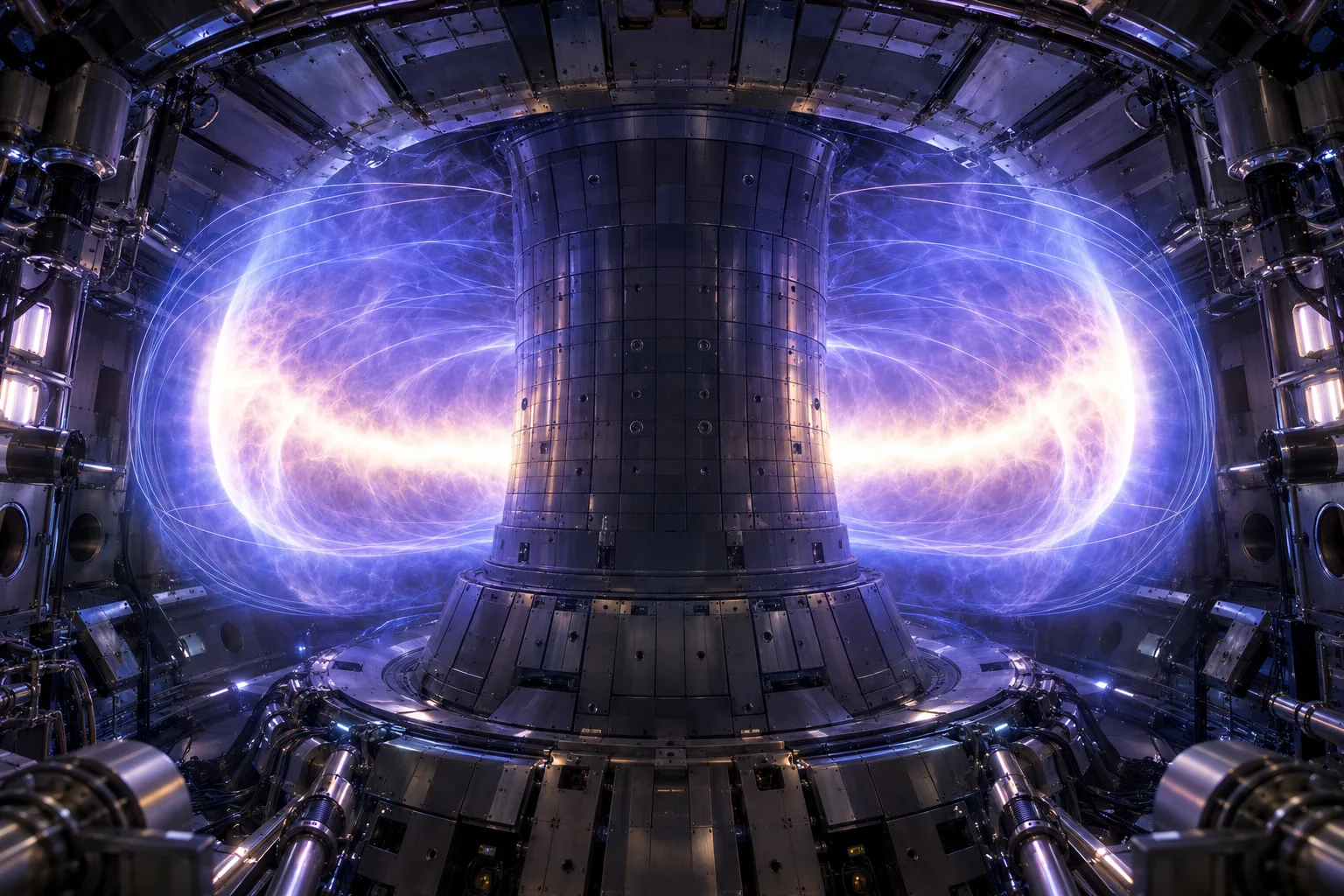
Fusion Ignition Is a Route, Not Just a Threshold: What Princeton’s New Model Shows
A Princeton Plasma Physics Laboratory study suggests that heating a fusion plasma before adding fuel and density may reduce the energy needed to reach self-sustaining burn. The result is a useful design clue, not a shortcut to a power plant: impurities, radiation, stability and engineering still set the limits.
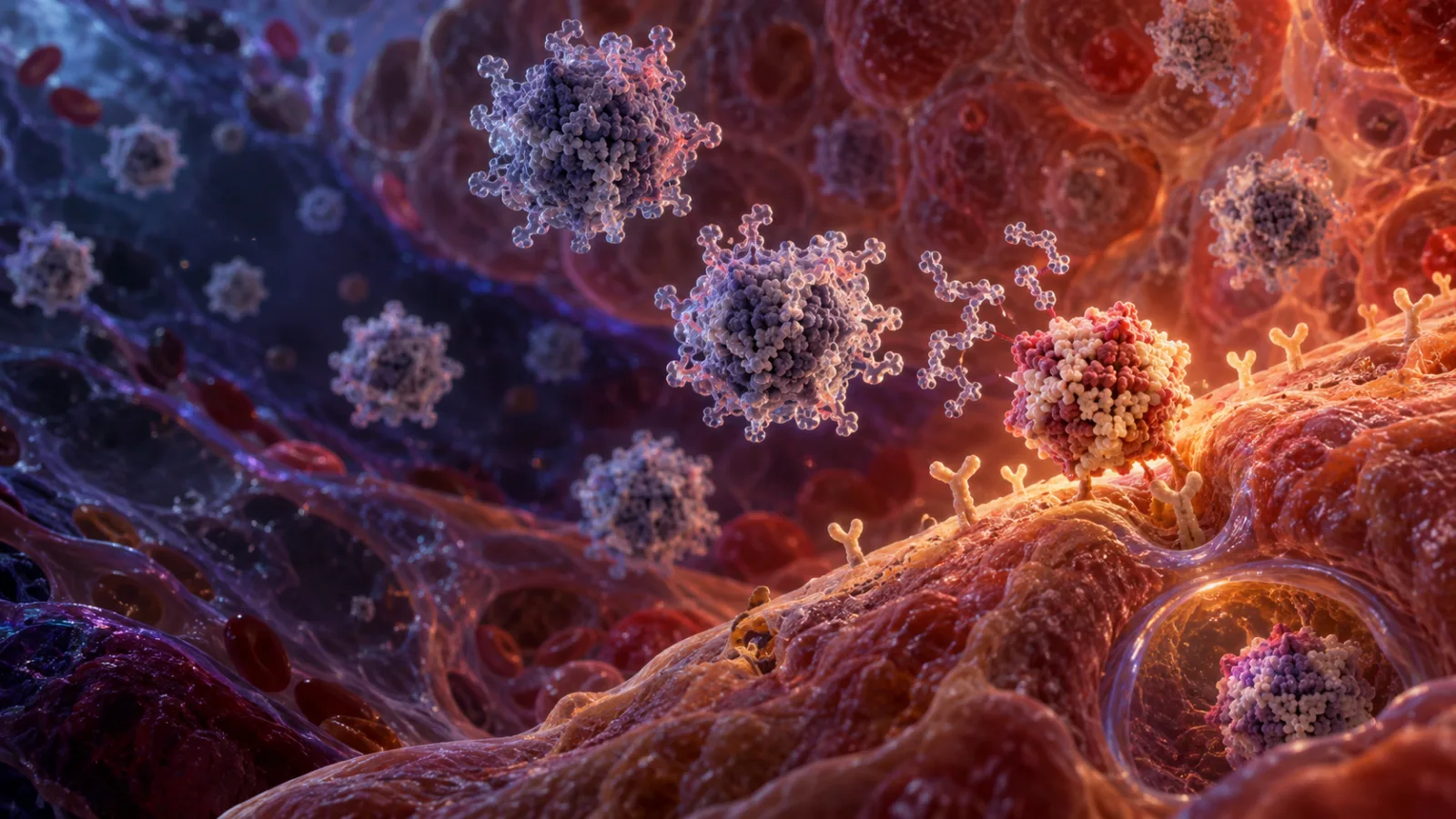
Masked AAV Vectors Make Gene Delivery Respond to Tissue, Light, or Injury
A Nature Materials study in mice adds an activation step to AAV gene delivery: the vector stays masked until a liver enzyme, near-infrared light, or injury-related chemistry removes the block. The result is promising targeting research, not a ready human treatment.
CHIME Detects the Universe’s Faint Hydrogen Glow Without Borrowing a Galaxy Survey
A Canadian radio telescope has demonstrated that it can recover the large-scale hydrogen signal from five billion years ago using its own observations. The result validates a cheaper route to mapping cosmic expansion, while leaving the hardest precision tests ahead.

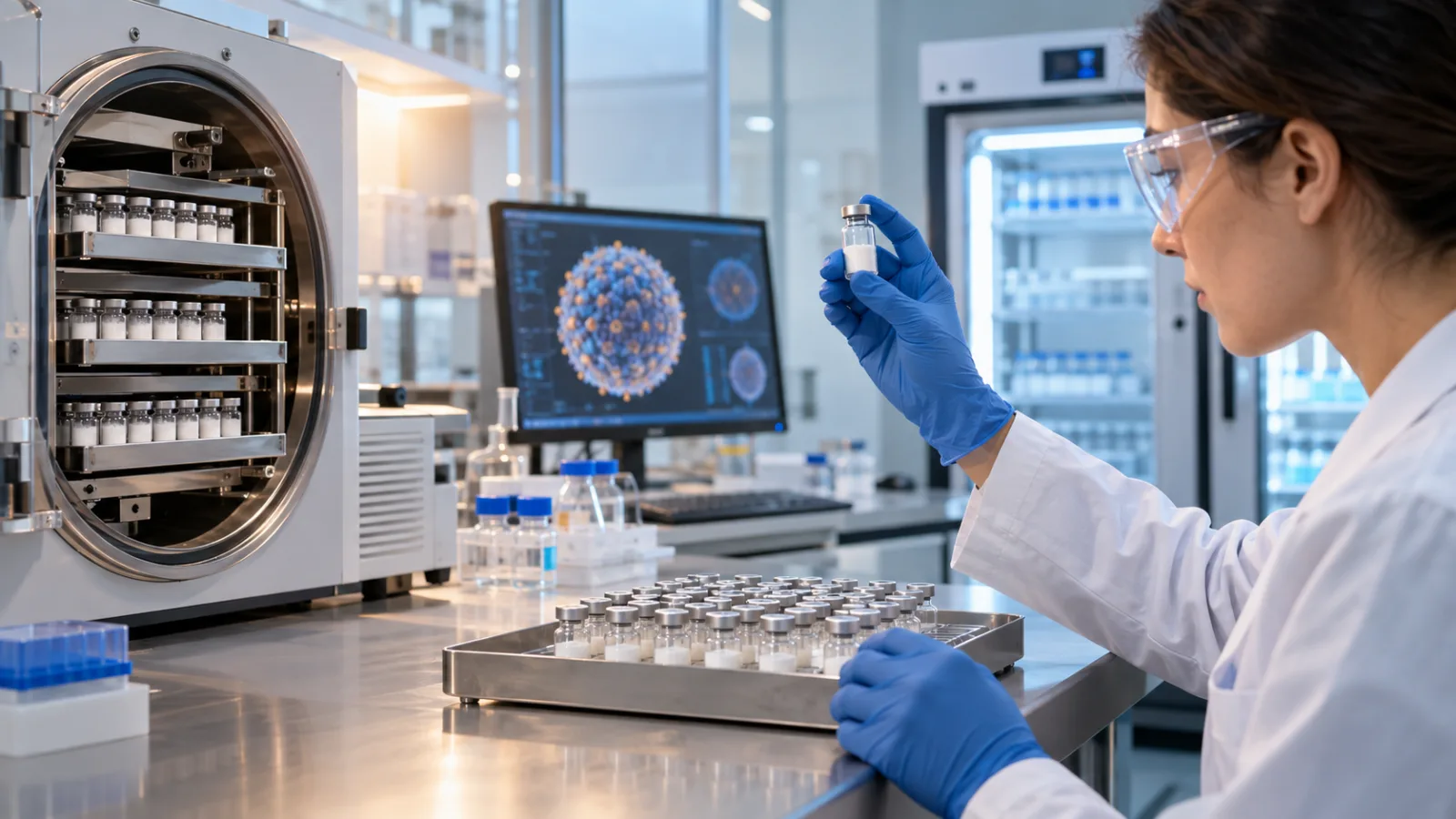
An AI-Guided Formulation Keeps mRNA Vaccine Particles Stable Through Heat — So the Cold Chain May Become Less Fragile
MIT researchers used a small-data machine-learning system to tune the additives around mRNA-carrying lipid nanoparticles. In mice, a vacuum-dried formulation retained activity after a year at room temperature or two months at 37°C, but it is still a preclinical result.