The best tech news this week is quieter than the hype
Climate tools, accessibility debates, and education platforms show technology doing useful work without asking for applause.

Good technology news rarely arrives with fireworks. This week’s constructive stories were quieter: Imperial College London highlighting a new cohort of climate tech ventures through EarthScale, public education resources from the United Nations system, and a serious argument in schools about reducing screens without cutting off students who rely on assistive technology. None of that is flashy. That is partly why it matters.

Climate tech grows up in small steps
A climate venture cohort is not a solved climate problem. It is a pipeline: teams testing materials, energy systems, measurement tools, adaptation ideas, and business models that may or may not survive contact with the market. The good news is not that startups will save everyone. It is that more of the work is moving from slogans into prototypes, customers, and measurement.
Accessibility complicates simple rules
The school screen debate is a useful reminder that “less technology” can be right for one student and harmful for another. Some children need devices for communication, reading support, vision assistance, or predictable routines. A blanket ban is easy to explain but often lazy to implement. Better policy distinguishes distraction from access.
Learning infrastructure still counts
Open course platforms and public learning resources do not get the attention given to consumer gadgets. They should. When a worker can retrain, a teacher can reuse material, or a student can study without paying for a private platform, the benefit is quiet but real.
The better standard for optimism
Optimism in technology should not mean pretending every product is noble. It means noticing the tools that reduce friction for people with less money, less time, or fewer choices. Those tools usually look ordinary. A course catalogue. A better sensor. A device exemption for a student who needs it.
That is a healthier kind of progress: specific, testable, and useful before it becomes fashionable.
Related articles
Useful technology is having a quiet week, and that is the good news
A grounded look at open-source maintenance, health AI, batteries and assistive tools where progress means fewer everyday failures.

Clean power is learning to work after sunset
New solar-plus-storage projects in Abu Dhabi, molten-salt storage in China and home batteries in Germany show the clean-energy story moving from megawatts to hours.

Your doorbell camera can become a local bird observatory
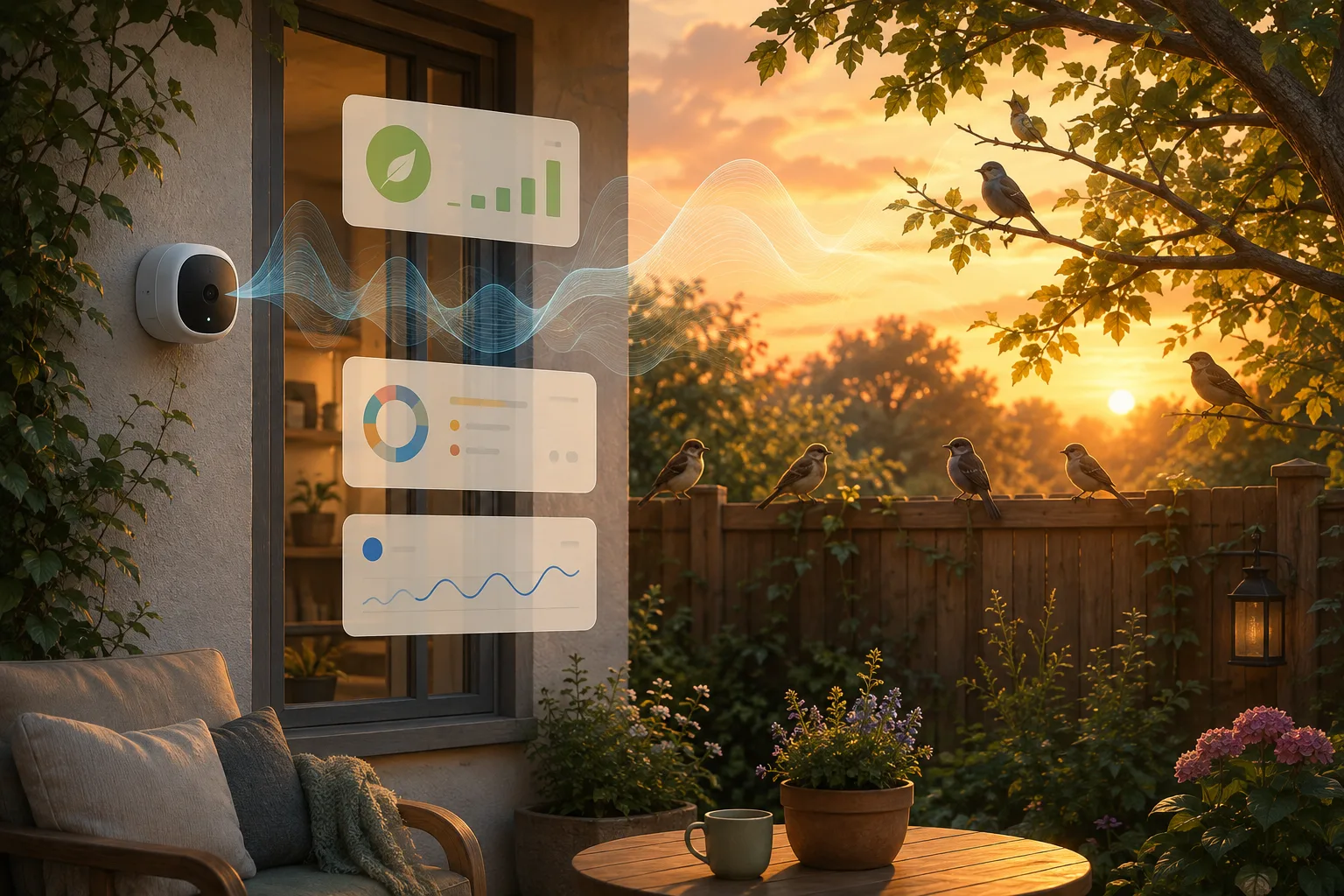
BirdNET-Go shows a gentler smart-home pattern: reuse existing cameras and small computers to hear local wildlife, learn from it, and keep most processing at home.
Quiet technology that actually helps
A constructive technology article about quiet improvements that help people without the launch-day noise.

Comments
Sign in to comment.
No comments yet.