Should you buy a robot vacuum with mopping and self-cleaning in 2026?

Robot vacuums have become smarter, but they are still not a magic replacement for cleaning. Here is who really benefits from an expensive self-cleaning model — and who should keep things simpler.
Robot vacuums have moved far beyond the novelty-gadget stage. In 2026, high-end models no longer just wander around collecting dust: they map rooms, avoid cables, mop floors, empty their own bins, wash mop pads and, in some docks, dry them with warm air.
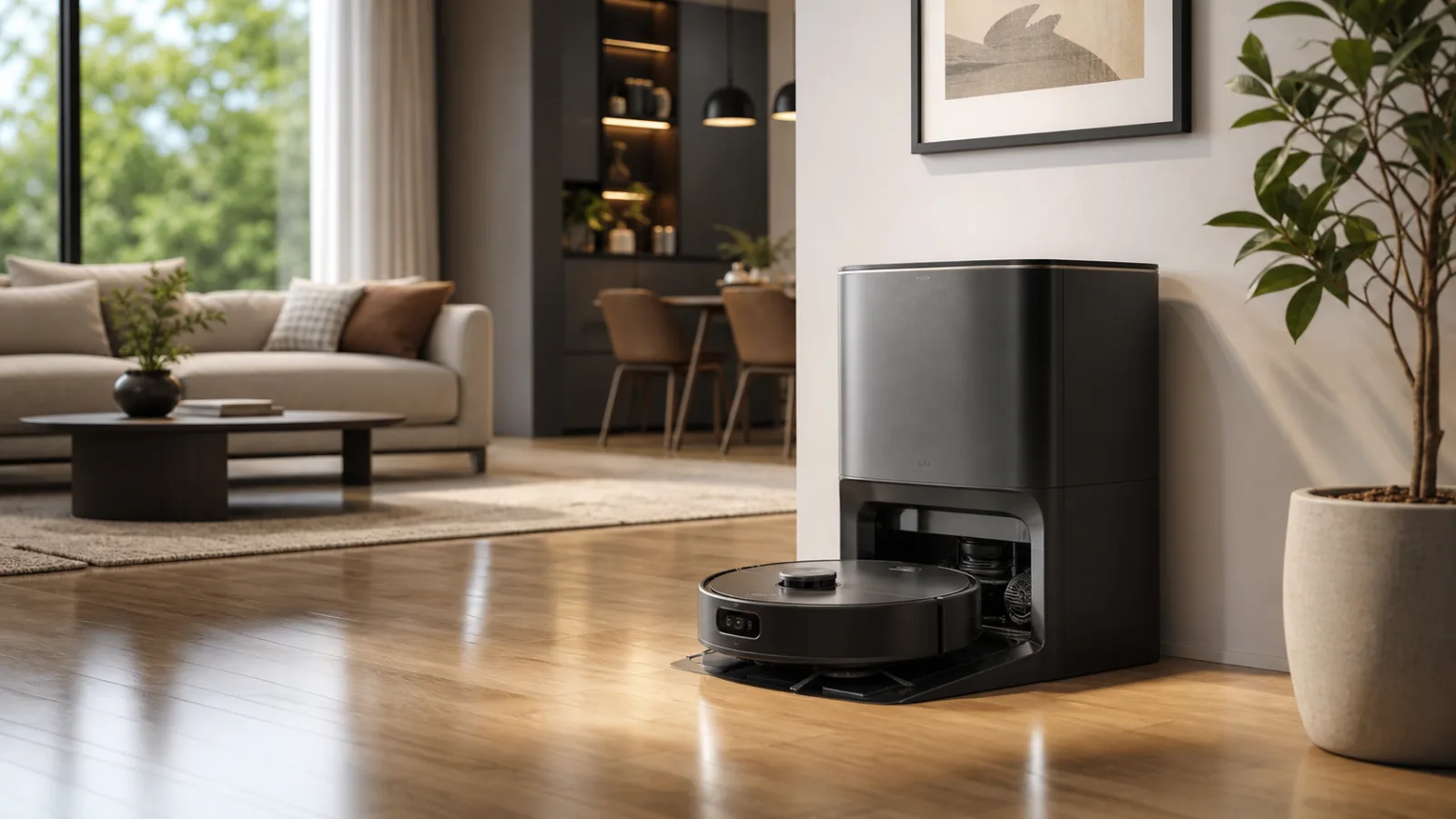
The real question for a household is still the same: is this a useful appliance or an expensive gadget that will end up in a corner? The short answer is that a robot vacuum with mopping and self-cleaning is not for everyone, but in the right home it can noticeably reduce everyday cleaning work.
What has changed in robot vacuums
The biggest improvement is not suction power, although that has increased too. The more important change is spatial awareness. Lidar, cameras, obstacle sensors and better apps now let good robots clean by room, zone and schedule instead of moving randomly across the floor.
The second change is the dock. Older robots still required frequent attention: empty the bin, rinse the mop cloth, refill the water. Many mid-range and premium models now return to a station where dust is transferred into a bag or container, mop pads are washed and, in some systems, dried. That is what turns the device from a toy into a daily floor-maintenance system.
The third change is combined cleaning. Better models no longer force a choice between vacuuming and wiping: they can do both in one run, lift mop pads over carpets or avoid areas that should stay dry. Reviews from Wirecutter, PCMag and Consumer Reports point to these hybrid systems as the main direction of the market.
Who will actually benefit
The best case is an apartment or house with hard floors, open paths and regular light mess. If you have laminate, tile, parquet or vinyl, and the main problems are dust, pet hair, crumbs and marks near the entrance, a robot can be useful almost every day.
The purchase makes particular sense for families with children or pets. A robot will not do a deep clean after renovation work, but it can collect hair, sand near the door and small kitchen debris every day. Its strength is not perfect weekly cleaning; it is consistency, the thing people often skip.
Another strong scenario is for older people or anyone who finds frequent vacuuming and floor washing physically difficult. In that case the robot is not a toy but a practical assistant. It does not remove the need for manual cleaning, but it can reduce bending, carrying water and daily routine work.
When the purchase will disappoint
A robot vacuum does not like chaos. If the floor is often covered with cables, socks, toys, bags and chargers, even a smart model will make mistakes. Before buying, look honestly at your home: are you willing to keep the floor at least reasonably clear?
The second poor fit is a home with many high thresholds, stairs, narrow passages and difficult carpets. Modern robots are better at obstacle avoidance and small height differences, but they cannot override physics. Long pile, black rugs, fringes and cables can still cause trouble.
The third issue is mopping. Even good robot mops do not replace proper floor washing after spilled sauce, dried mud or greasy stains. Wirecutter describes the key point well: these devices are good at maintaining cleanliness, not at performing miracles.
Hidden costs and small annoyances
The robot itself is not the whole price. Self-cleaning models need consumables: dust bags, filters, brushes, mop pads and sometimes cleaning solution. Costs differ by brand, so check whether supplies are available in your country and how much they cost.
Space is another cost. A self-cleaning and mop-washing dock is much larger than a simple charging base. It needs a power outlet, clear space in front and a location where it will not get in the way. In a small apartment this can be a real drawback.
Self-cleaning also does not mean zero maintenance. You still have to add clean water, empty dirty water, change filters, check the bag or container and remove hair from brushes. You simply do it less often than with a basic robot.
What to check before buying
Start with navigation. For anything more complex than one room, choose a model with room maps, cleaning zones and a reliable app. Random-navigation budget robots can still help, but they miss areas more often and are weaker on schedules.
Then look at the dock. Automatic dust emptying matters most for pet owners and allergy sufferers. Mop washing and drying matter if you want genuine light wet cleaning rather than a symbolic wipe.
Carpet handling is crucial if you have rugs. Look beyond suction numbers and check whether the robot can lift mop pads, recognize carpets and avoid dragging wet cloth across pile.
Finally, check repairability and consumables. A beautiful robot is not useful if filters or side brushes become impossible to buy after a year. Prefer brands with support, spare parts and a clear warranty.
Verdict: buy or wait?
Buy if you have hard floors, children or pets, want daily maintenance cleaning and can make room for a dock. In that setting a robot vacuum with mopping and self-cleaning can be one of the most noticeable home upgrades — not because it cleans perfectly, but because it cleans regularly.
Wait, or buy a simpler model, if your home is small and cluttered, full of carpets, high thresholds or objects left on the floor. In those conditions an expensive robot will keep asking for help and may become irritating quickly.
The key is expectation. A 2026 robot vacuum is not a replacement for a person and not a button that makes a home clean. It is a helper for keeping order between normal cleaning sessions. If that is exactly what you lack, the purchase makes sense.
Sources: Wirecutter, PCMag, Consumer Reports, The Verge.
Comments
Sign in to comment.
No comments yet.