Buy now, pay later: the return-and-autopay checklist before you split a purchase
A practical checklist for reading BNPL checkout offers without treating them as discounts or financial advice.

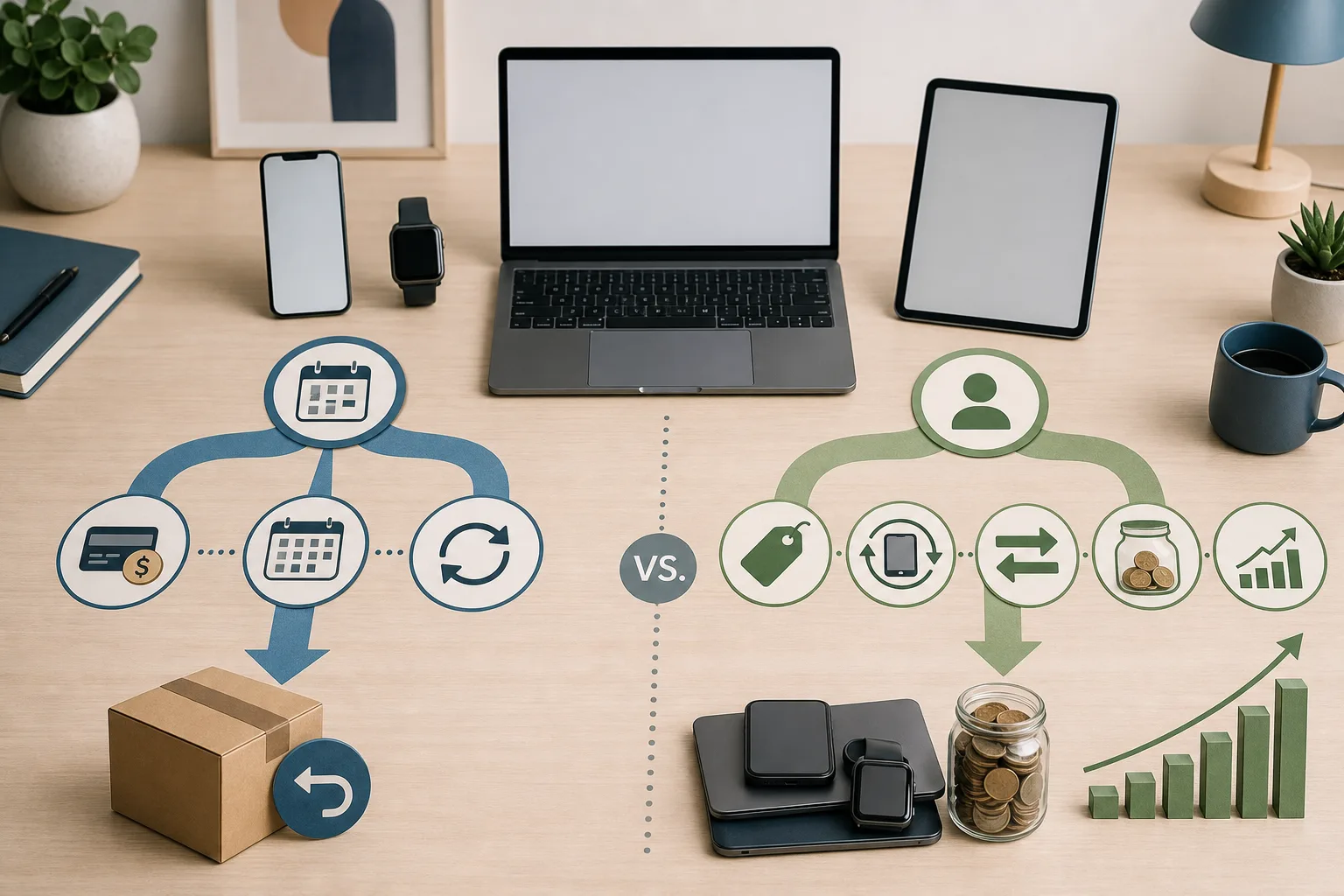
A buy-now-pay-later button can make an ordinary cart feel less heavy: the full price is still there, but the screen highlights four smaller payments and the first one may be due today. That can be a useful timing tool for a purchase already planned and affordable. It can also turn a single decision into several automatic withdrawals, a refund puzzle and a set of dates that compete with rent, bills or payday. The practical question is not whether BNPL is good or bad in general; it is whether this specific split-payment offer stays clear when you write down the total price, the repayment dates, the fees, the return route and every other open plan.
What the checkout button is really changing
BNPL usually changes cash flow, not the price of the item. A $160 order shown as four $40 payments is still a $160 order before tax, shipping, return postage or other merchant charges. The smaller number can be convenient when the purchase was already in the budget, but it can also make a discretionary purchase feel like a smaller commitment than it is. The first money hack is therefore boring and powerful: write down the total payable amount before looking at the installment amount.
Short pay-in-four plans and longer financing plans should not be treated as the same product. Some offers are advertised as interest-free if every payment is made on time. Others can include interest, account-specific terms, late fees, returned-payment charges or different dispute routes. Eligibility can depend on country, merchant, provider, account history, purchase size and repayment record. A checkout message is only a preview; the current provider terms are the source that matters.
Regulation is also moving. The UK government announced new BNPL rules intended to bring clearer information, affordability checks and access to the Financial Ombudsman Service for covered products. In the United States, CFPB materials have described BNPL as a credit-like product with consumer-finance implications, though rules and supervisory positions can change. The safe reader takeaway is simple: protections vary by country and date, so do not assume the same rights follow you across providers or borders.
The refund trap: returning the package is not always the end of the payment schedule
Returns are where many neat checkout promises become messy. Sending an item back to the merchant does not automatically prove to the BNPL provider that the loan or installment plan should stop today. The merchant may need to receive the goods, inspect them, approve the return and send a refund record to the provider. Until that record is processed, the provider account may still show scheduled payments.
Official help pages from large BNPL providers describe different refund flows. Afterpay tells customers that refunds depend on the merchant and that payments may be adjusted after the merchant processes the return. Klarna and Affirm also direct customers to follow merchant return rules and check provider account status for refund handling. These pages are useful not because one provider is better, but because they show the same practical lesson: the merchant return and the payment-plan adjustment are related, but they are not always simultaneous.
Partial refunds deserve special attention. If you return one item from a multi-item order, keep an item that was discounted as part of a bundle, pay non-refundable shipping, accept store credit, miss a return window or exchange for a different item, the balance may not become zero. The installment schedule can be recalculated rather than cancelled. Before using BNPL for anything likely to be returned — clothes in uncertain sizes, gifts, electronics with compatibility questions — check exactly how partial refunds are applied.
Autopay dates are a budget issue, not a small detail
Many split-payment plans rely on automatic payments. Autopay is convenient when the card or bank account has enough money on each date. It becomes expensive or stressful when a withdrawal lands one day before salary, during a travel week, after a card replacement or alongside rent, utilities, insurance and subscriptions. A plan that looks harmless in the store can become a failed payment if the due dates do not match real cash flow.
The useful check is a calendar check, not a feeling check. Put every installment date into the same calendar or budget app where you track bills. Include the first payment, because it may happen immediately. If more than one BNPL plan is open, add the dates together by week and by pay period. Three separate $25 payments from three merchants can feel unrelated at checkout but behave like a $75 bill when they hit the same account.
Also check the backup payment method. Some providers may retry a failed payment, use another saved card, restrict future purchases, charge late fees where permitted, report certain loans or interact with credit files in ways that vary by product and country. The article cannot tell every reader what will happen in their account; the safe move is to read the current failed-payment terms before approving the plan.
When BNPL can be a reasonable timing tool
A split-payment offer is easiest to defend when five things are already true. The purchase was planned before the button appeared. The full price is affordable today even if paying all at once is inconvenient. The repayment dates fit the next pay periods without crowding essential bills. The return policy is clear and unlikely to be used casually. The reader has no stack of existing installment plans that hides the real monthly total.
That is a narrow use case, but it exists. A household may replace a broken appliance, buy school supplies, book necessary travel or spread a known expense while preserving checking-account cushion. Even then, BNPL is not a discount, not income and not an emergency fund. It is a payment schedule. If the schedule is the only reason the purchase feels affordable, the split price may be masking the problem rather than solving it.
The most important warning applies to necessities. Some news coverage has tracked BNPL offers moving into bills, rent, utilities and groceries. When an essential expense must be split because cash is short, the safer first step is to look for bill-assistance options, hardship programs, payment-plan terms directly from the provider, community help or a budget review. Adding another third-party payment obligation can reduce flexibility exactly when flexibility is needed.
The five-minute checklist before tapping the button
-
Total cost: write the full amount, including tax, shipping, service charges, optional warranty, return postage risk and any merchant fees. Do not make the decision from the installment number alone.
-
Payment calendar: list every due date, the first payment, the card or account used, and whether the provider can retry or use backup methods. Compare those dates with salary, rent, subscriptions and other bills.
-
Fee and failed-payment rules: read the provider’s current terms for late fees, returned payments, interest, account restrictions, collection steps and credit-reporting possibilities. The rules vary by provider, plan, account and country.
-
Return and refund route: find the merchant’s return deadline, proof required, refund method and any exclusions. Then find the BNPL provider’s refund page and check whether payments continue until the merchant confirms the return.
-
Existing commitments: count every open BNPL plan, not just this one. If the combined due dates are hard to remember without a spreadsheet, the cash-flow benefit is probably turning into tracking risk.
A neutral decision rule
Use BNPL only if the written version of the deal still looks boring: the total price is acceptable, the repayment dates fit, the refund process is understood, and the purchase would make sense even if the button disappeared. Pause if the split amount is what makes the cart feel cheap, if the item is likely to be returned, if several plans are already open, or if the payment dates collide with essentials.
Offers, fees, eligibility, dispute rights and refund handling change by provider, country, merchant and date. Treat provider examples such as Klarna, Afterpay or Affirm as reminders to verify your own current terms, not as recommendations. The money-saving part is not the BNPL button itself. It is slowing the checkout moment long enough to see the full price, the paperwork and the calendar before the purchase becomes automatic.
Small scenarios that reveal the real cost
A useful stress test is to imagine the purchase one week later. If the item arrived damaged, the size was wrong or the merchant issued only a partial refund, would the payment plan still be easy to understand? If the answer requires opening three apps and guessing which company has processed which step, the deal is not as simple as the checkout banner made it look.
Another test is to remove the BNPL button from the page. If the item would still be bought at the full price today, the split schedule may be a timing choice. If the item would be abandoned without the smaller number, the payment design is probably changing the purchase decision rather than merely helping with cash flow.
Recordkeeping that makes disputes less painful
Save the order confirmation, the payment schedule, the merchant return page and the BNPL terms visible on the day of purchase. This is not paperwork for its own sake. If a return is delayed, a partial refund is issued, or a payment is taken after the item has gone back, those records help separate what the merchant promised from what the payment provider has processed. Without them, the customer is often left comparing memory, emails and app notifications under time pressure.
Keep the plan in a bill tracker until the balance is actually zero in the provider account. Do not remove it from the budget when the package is dropped at a carrier or when the store says a refund is pending. The plan is finished only when the account shows no remaining balance and no future automatic payment.
Related articles

Cheap flight to Madeira? Check the PR1 trail slot, fee and return ride first
A practical 2026 budget plan for Madeira hiking: official trail booking, PR1 one-way rules, transport choices, safer timing and realistic costs.


Should you use Apple Upgrade or buy your next iPhone? Read the lease first
Apple’s new Klarna-backed program lowers the monthly number, but it changes the ownership question. It works for frequent upgraders, not long-term owners.
Should You Buy the Sonos Beam Ultra? A Strong Compact Atmos Bar With a Narrow Upgrade Case
The Sonos Beam Ultra adds real up-firing Atmos drivers, stronger bass, and clearer dialogue to Sonos’s compact soundbar line. It is a compelling first soundbar, but existing Beam owners should buy only if height effects and room-filling sound solve a specific problem.

Should You Buy Meta’s Muse Charm? Wait for the Price, Privacy Terms, and a Reason to Carry Another Device
Meta’s Muse Charm is a keychain-sized voice device for its new personal AI agent, shipping in December with no price announced. The buying decision is less about the gadget’s novelty than whether it earns a permanent place beside your phone.
Comments
Sign in to comment.
No comments yet.