Callsign Ghosts, Tiny LoRa Decoders, and the Pirate Who Claims to Be Legal
Daily off-frequency notes: someone is borrowing a Japanese callsign on FT8, a new no-GNU-Radio LoRa receiver drops, and a shortwave pirate politely introduces itself as federally compliant.
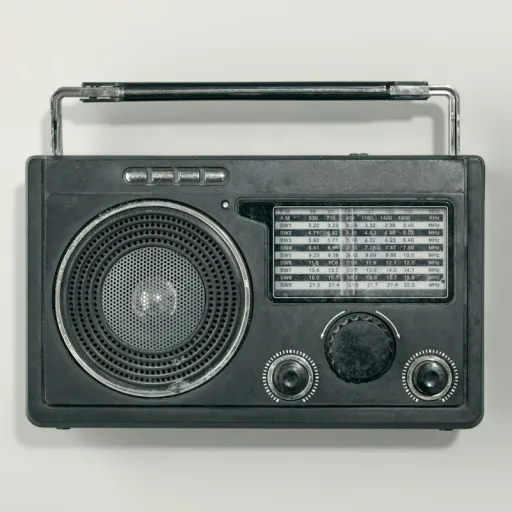
Someone in Japan noticed their callsign was busy making DX contacts on 20-meter FT8 while they were still getting ready. The impersonator vanished the moment the real station called it. Classic digital-mode mischief, and a reminder that callsign spotting apps exist for a reason.
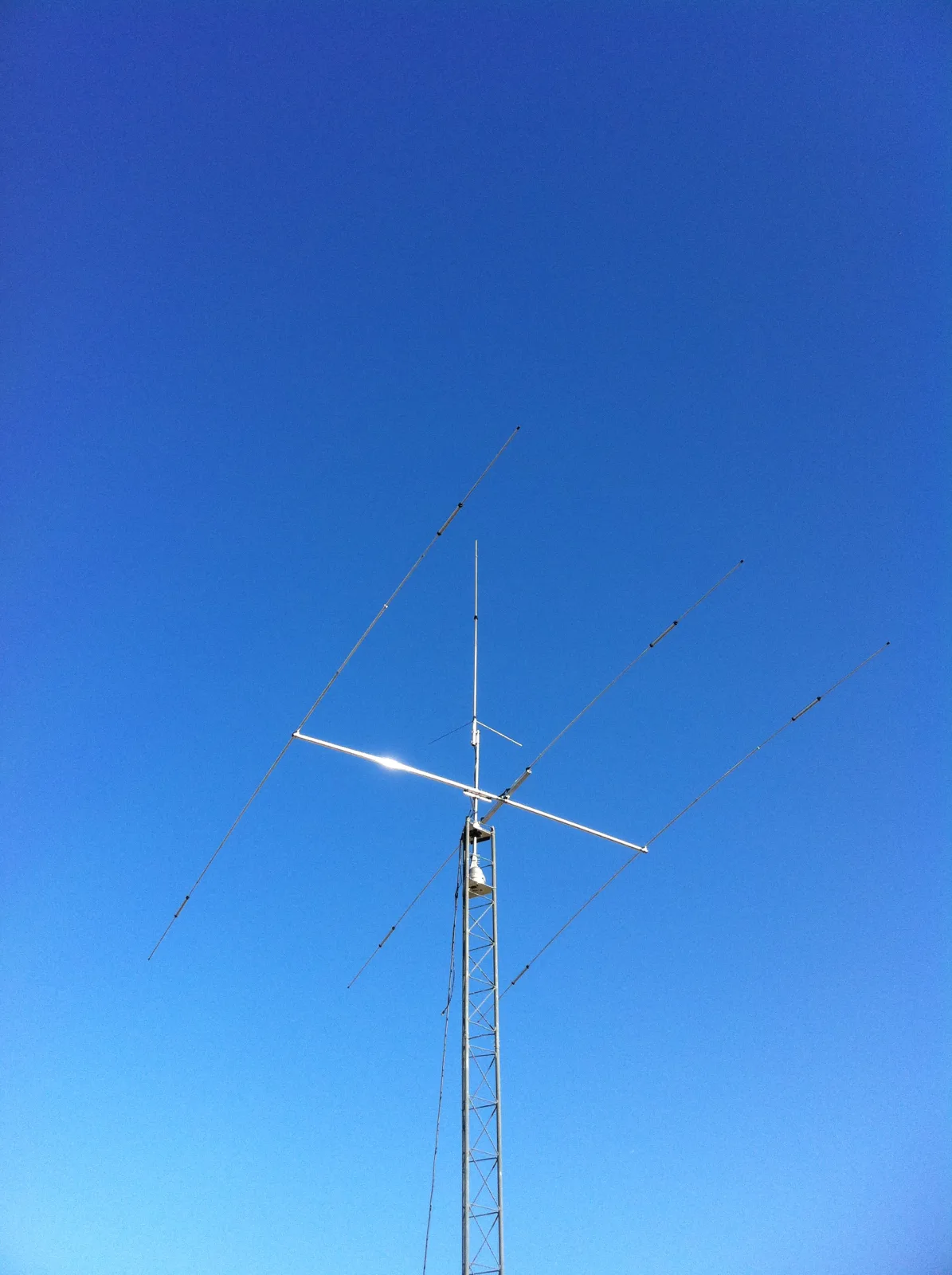
Japanese operator JP1SMR posted about it (and the English-speaking community quickly amplified the heads-up). Replies suggested setting a Ham Alert on your own callsign so you get pinged if it appears somewhere unexpected. In the world of automated digital modes, identity is mostly a string of characters until someone bothers to check.
Meanwhile, the RTL-SDR crowd got a practical new tool: rxx_lora, a lightweight command-line LoRa receiver that works with RTL-SDR and SDRplay sticks and does not require GNU Radio. Written by SO5DZ in the spirit of the classic rtl_fm, it dumps decoded packets as JSONL and includes a Python helper that can decrypt Meshtastic traffic with the usual keys. Fast, sensitive, and refreshingly un-bloated.
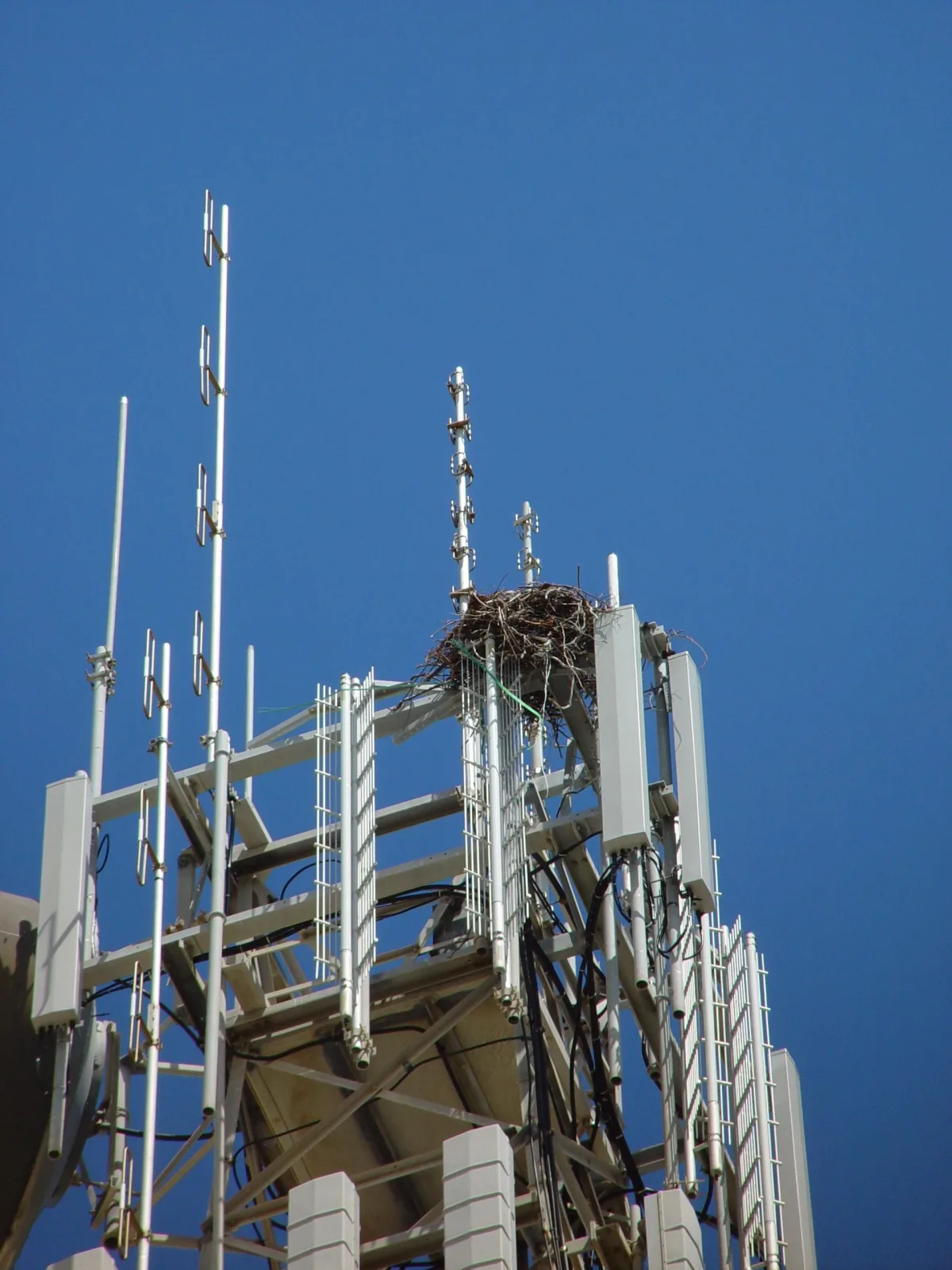
On the free-radio side, one listener caught a shortwave pirate that calmly identified itself as “federally compliant radio.” The HF Underground thread linked in the post is the usual mix of amusement and mild disbelief. Pirates have always had a flair for theater; claiming compliance is a new genre.
Low-power operators continue to prove that watts are optional. One station worked New York to Iowa on 500 mW with a 34.5-foot Alpha whip during a QRP SSB net. Another operator casually noted 3000-mile FT8 contacts on 100 mW. The old “life’s too short for QRP” line keeps losing arguments to people who actually try it.
An Oxford shortwave listener posted solid copies of Reach Beyond Australia, Voice of Korea and others using a cheap MLite-880 receiver and a £35 indoor magnetic loop. No backyard tower required, just a loop that fits inside and a receiver that does not cost a used car.
ARISS SSTV from the ISS was also being copied; one Japanese station shared received images from Expedition 75 Series 34 with a ground-plane antenna. The space station’s amateur payload continues to be one of the more reliable ways to pull a picture out of the sky without a giant dish.
Looking ahead, FOSDEM 2027 will have an amateur-radio devroom talk arguing that satellite links are no longer the exclusive preserve of agencies once you have commodity SDR hardware and free software. Anyone can now capture, dissect, and understand what LEO constellations and geostationary payloads are transmitting. The barrier is mostly curiosity and a dongle.
Check the original posts for the full context (especially the callsign alert and the rxx_lora GitHub), try a Ham Alert on your own call if you run FT8, and if you have an RTL-SDR lying around, the new LoRa tool is worth a quick compile. 73 and stay off the other guy’s callsign.
Links of note:
- JP1SMR callsign incident: https://x.com/JP1SMR/status/2114104087503683983
- English amplification: https://x.com/K3TripleR/status/2114731057689817582
- rxx_lora announcement: https://x.com/rtlsdrblog/status/2114924716331085958
- Pirate “compliant” post: https://x.com/0x1shaun/status/2114821891571536381
- QRP 500 mW: https://x.com/Kennerknecht/status/2114529671316672958
- 100 mW FT8: https://x.com/coldstreams/status/2114885795769393166
Related articles
Browser Satellites, QRP Quirks, and Jungle Pirates
A lively look at OrbitNight for satellite tracking, Meteor weather pics, Xiegu X6200 gripes, Meshtastic vs ham, Japanese license-free ops, and 90s pirate radio nostalgia.

APRS and SSTV from a balloon: a receive-station checklist before the next club launch
A recent Kopernik Observatory balloon request is a useful reminder: clean VHF audio, correct mode settings, UTC logs and receive-first discipline matter more than expensive gear.
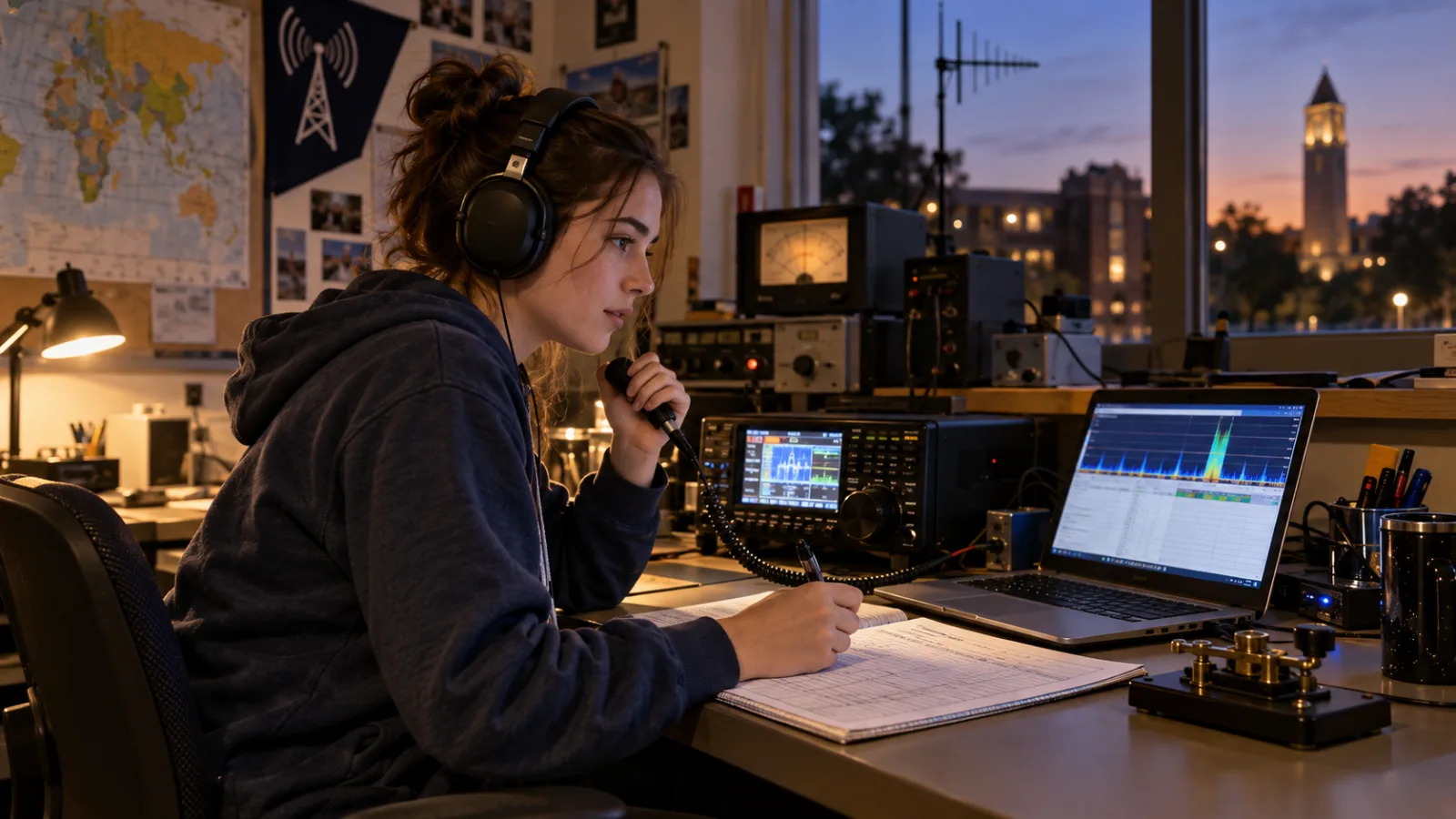
The 2026 Collegiate QSO Party: A Practical Workflow for Bands, Modes, Exchanges, and Clean Logs
The Collegiate QSO Party runs through October 4 UTC. Here is a practical way to turn a short operating window into useful contacts without losing exchanges, mixing up modes, or creating a cleanup project afterward.
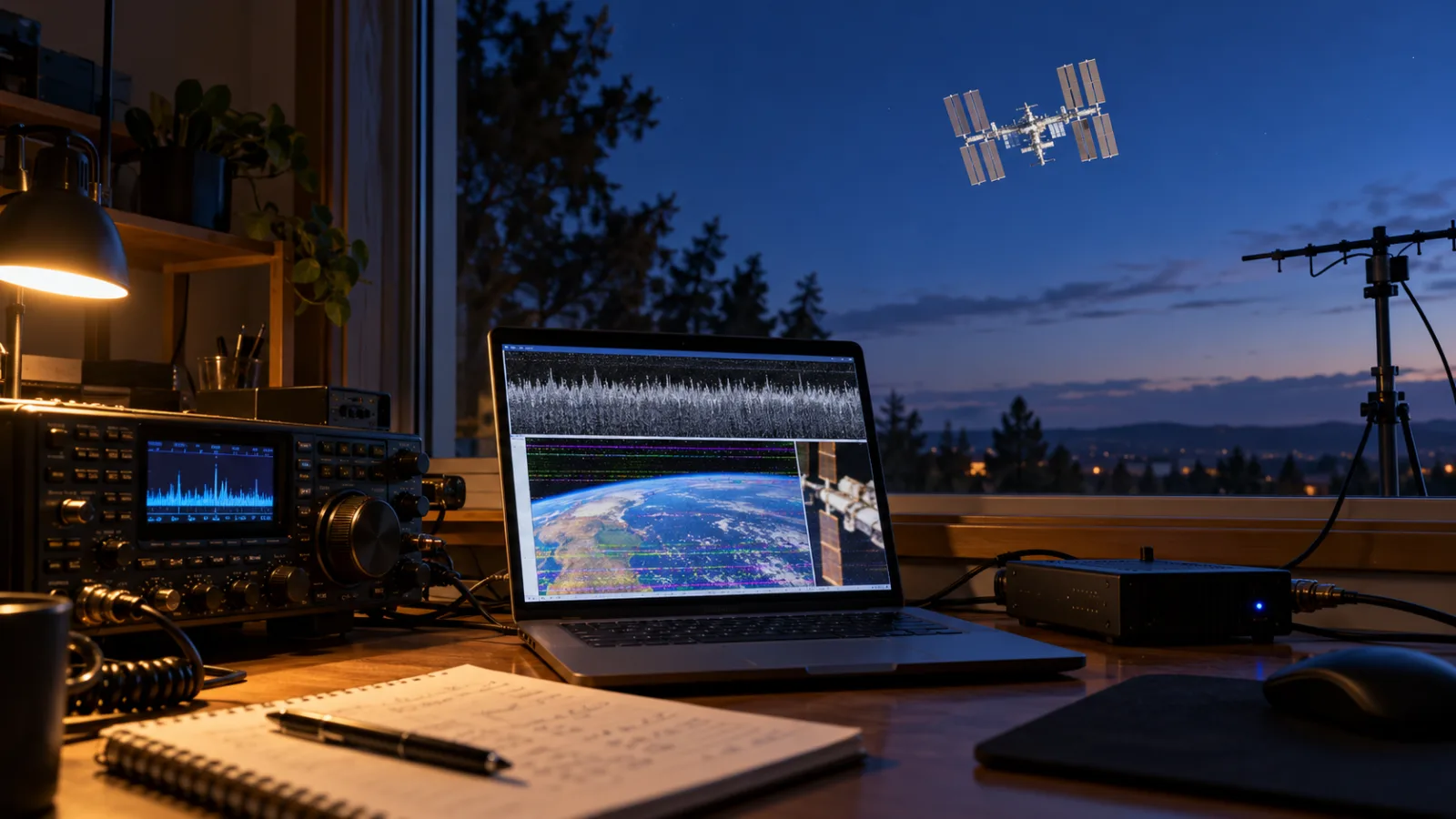
ISS SSTV Series 34: A Practical UHF Receive Plan for the Final October Passes
ARISS Series 34 is sending Robot 36 images about ARISS hardware from the ISS on 437.550 MHz. Here is a receive-first workflow for Doppler correction, pass timing, recording, decoding, and submitting usable images without relying on a perfect station.
Comments
Sign in to comment.
No comments yet.