
Ham Radio & DIY Electronics
Amateur radio, propagation, FT8/JTDX, antennas and electronics projects for a technical hobby audience.
Latest publications
ORARI’s September EMCOMM activation: how to build a disciplined receive station for 7.110 MHz, JS8Call and satellite watch
Indonesia’s ORARI has asked amateurs to support a 11–24 September emergency-communications operation. Here is how to monitor the announced channels responsibly, separate useful traffic from noise, and prepare a receive-first station without creating interference.
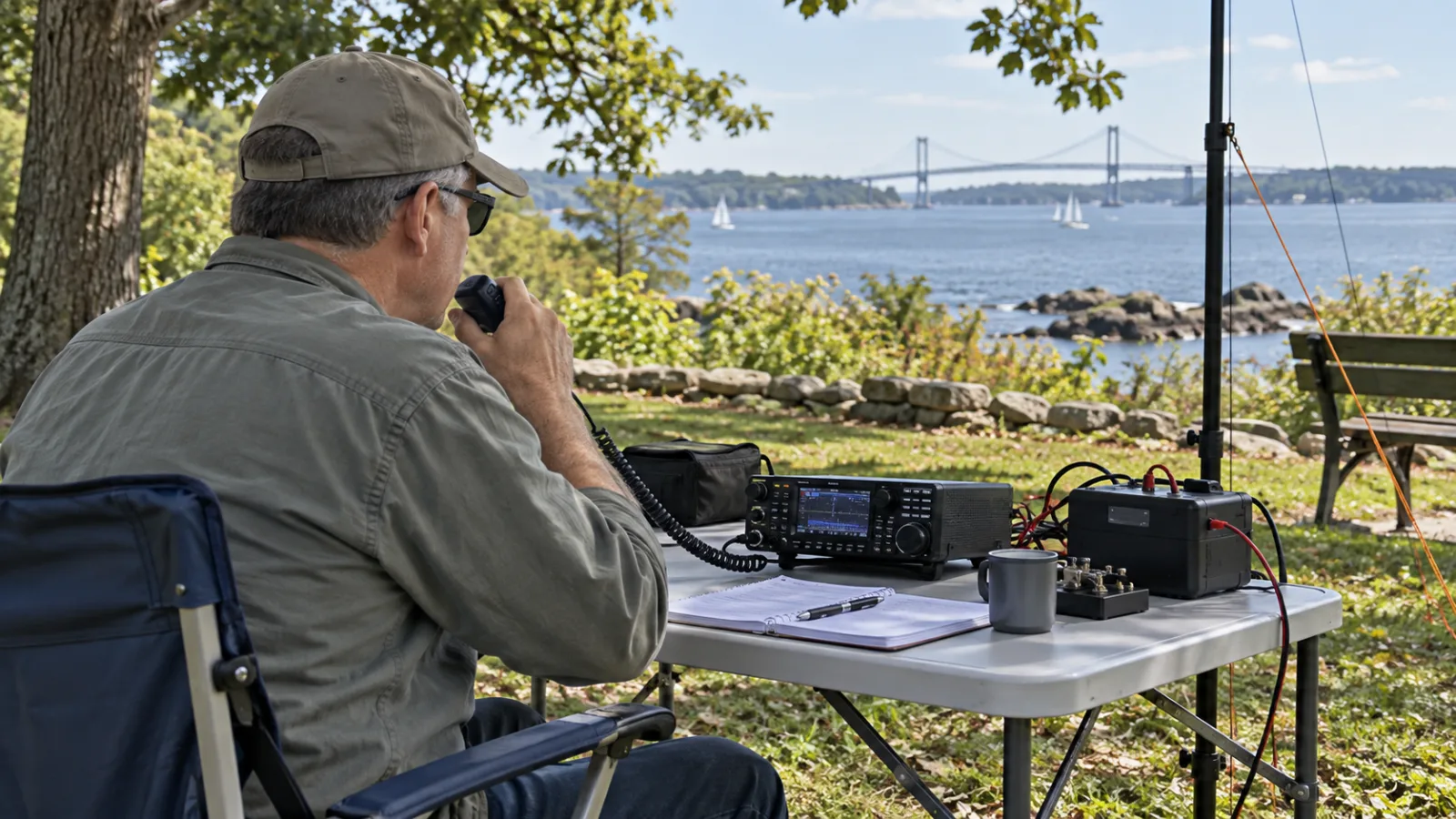
Activate All RI 2026: a practical plan for chasing or activating all 61 Rhode Island parks
Rhode Island’s Activate All RI weekend runs September 11–13, 2026. Here is how to use the schedule, live spots, portable station, band changes and ADIF logging workflow without treating a planned activation as a guaranteed contact.
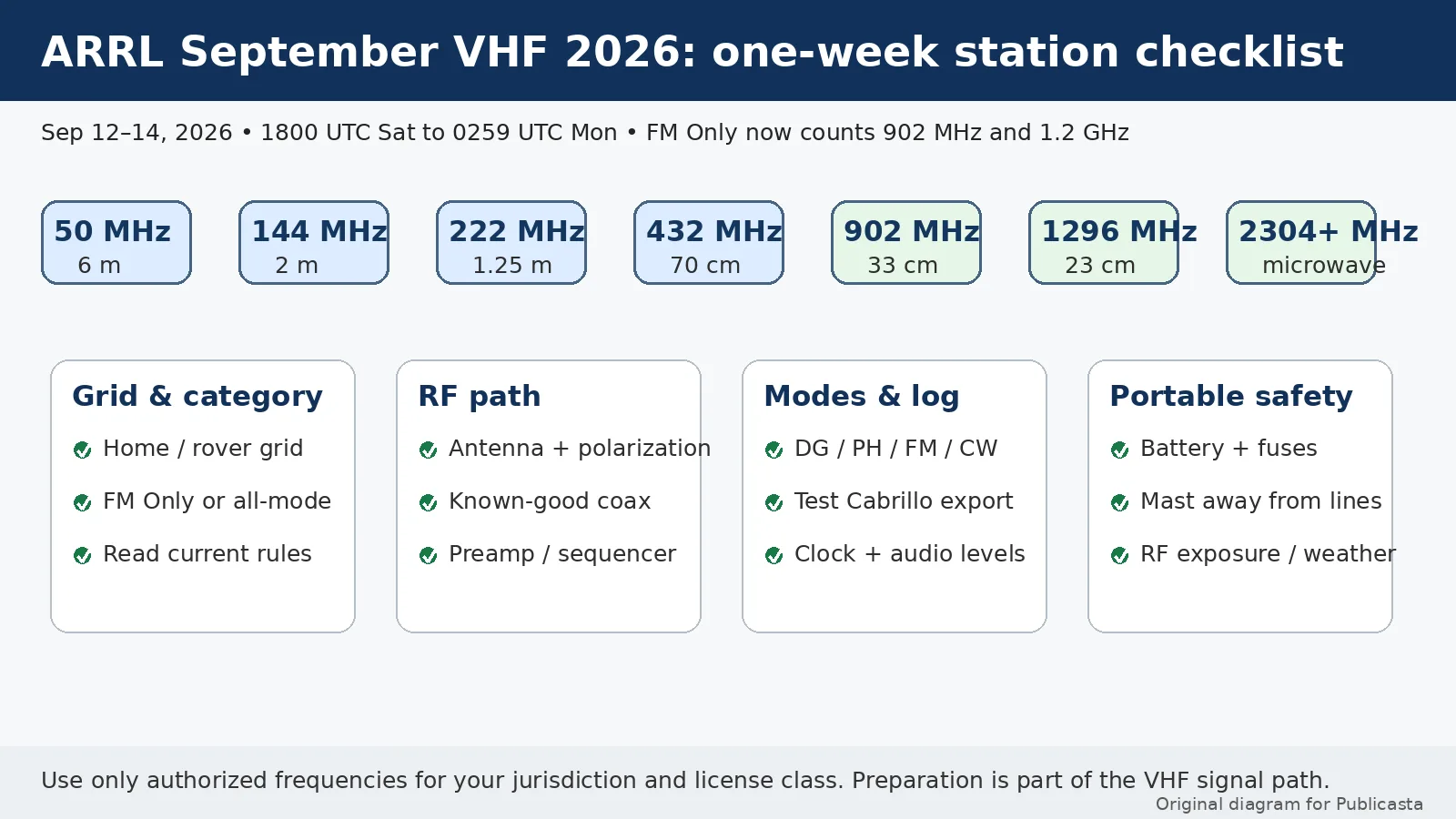
ARRL September VHF 2026: prep bands, grids and logs before contest weekend
A practical one-week station checklist for the September VHF Contest, including the FM Only 902 MHz and 1.2 GHz scoring change.
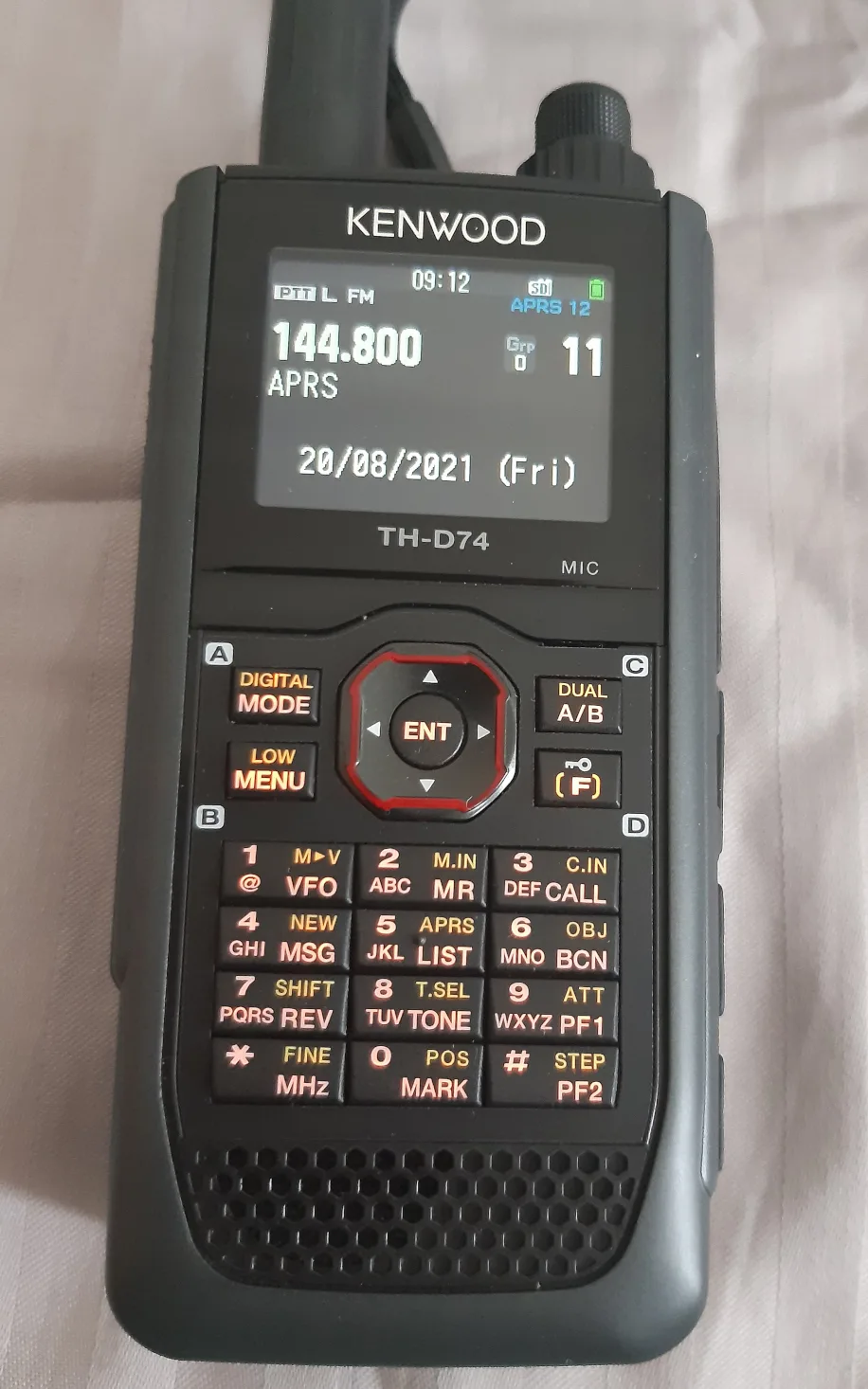
APRS and SSTV from a balloon: a receive-station checklist before the next club launch
A recent Kopernik Observatory balloon request is a useful reminder: clean VHF audio, correct mode settings, UTC logs and receive-first discipline matter more than expensive gear.
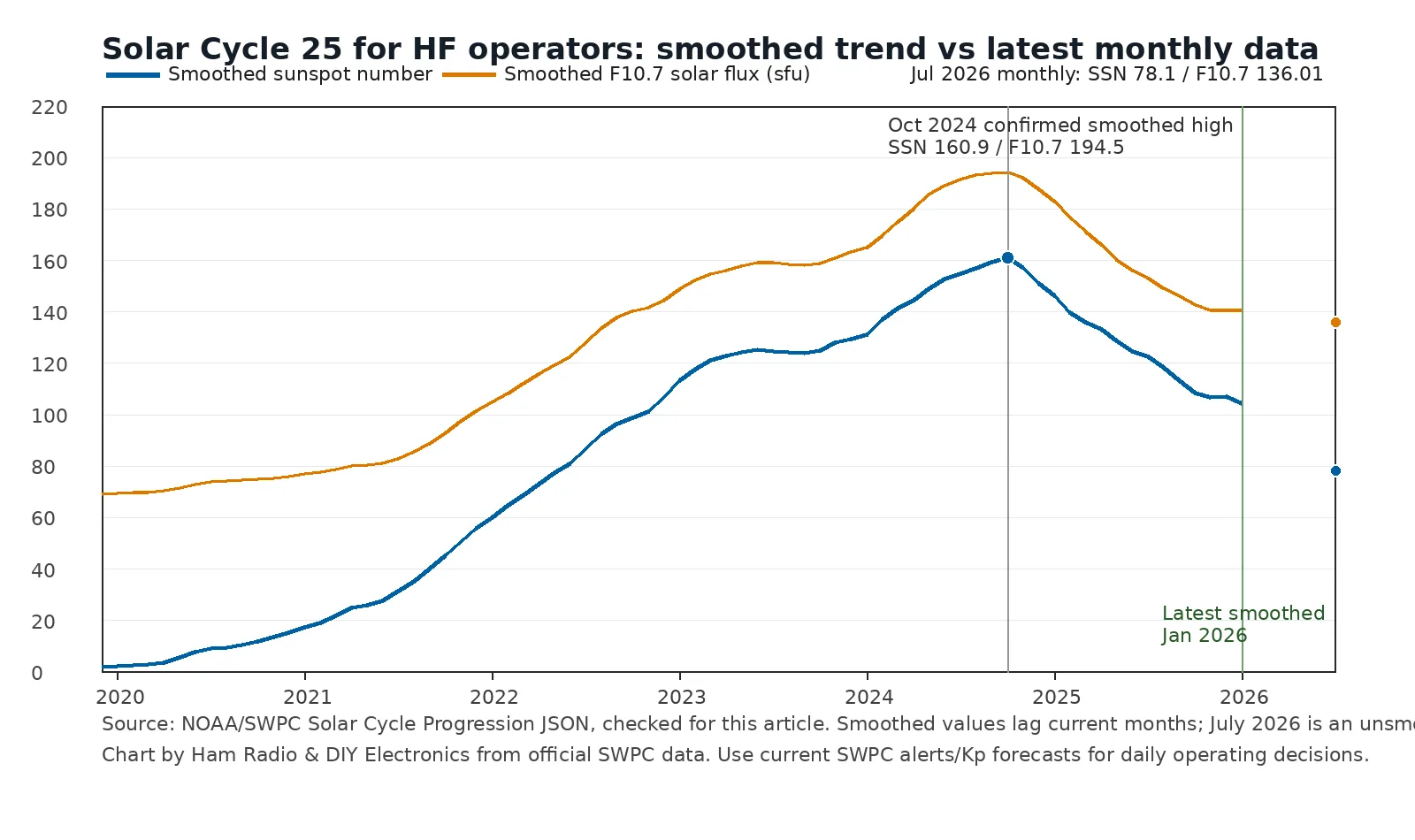
Solar Cycle 25 after the peak: how FT8 and JTDX operators should read SWPC data before blaming the antenna
A practical HF guide for August 2026: separate solar-cycle trend, daily space weather and station evidence before retuning hardware.
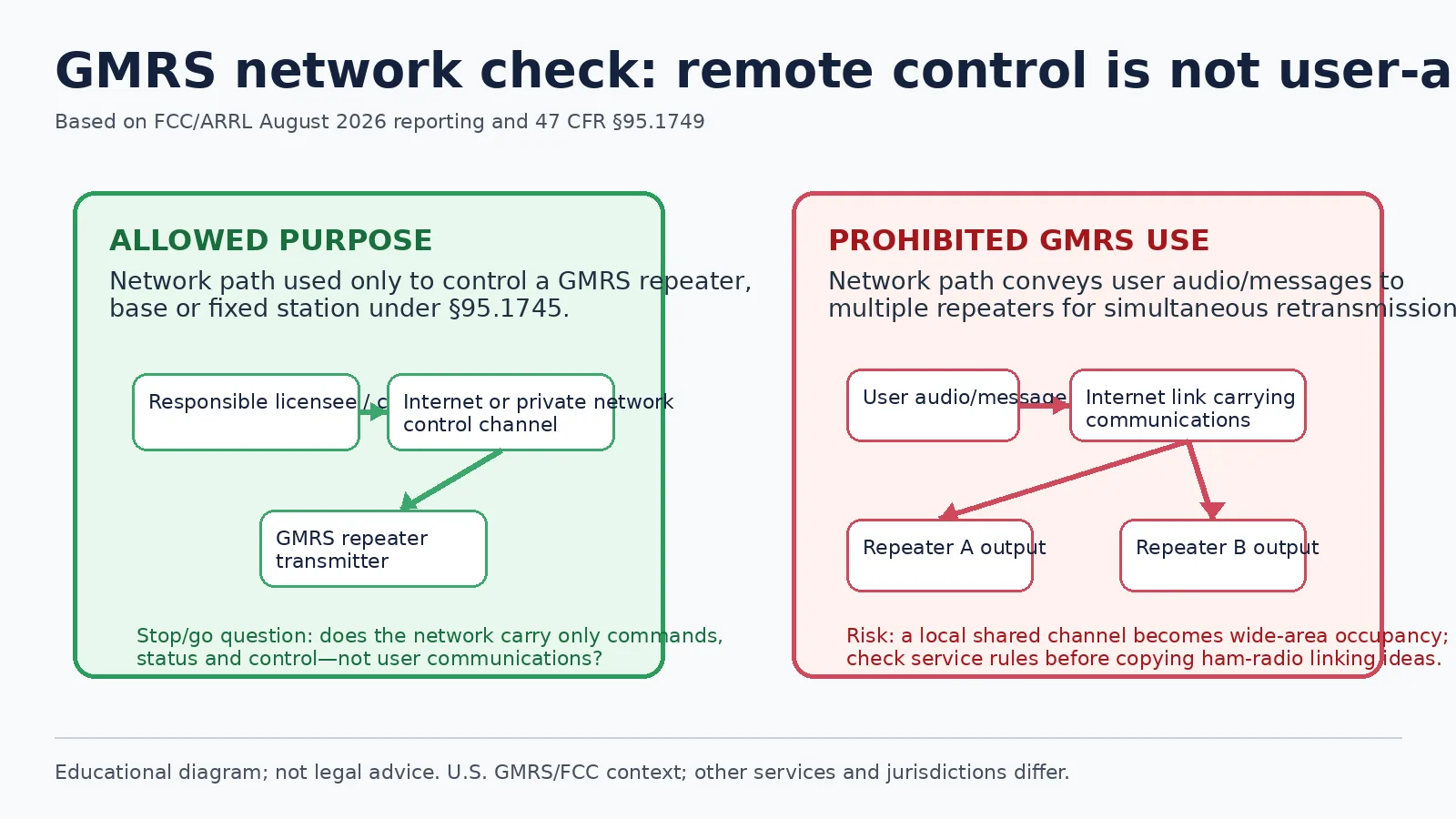
Remote control is not repeater linking: the FCC GMRS warning ham builders should read
An FCC notice over a linked GMRS repeater network turns into a practical service-first checklist for operators planning IP links, gateways or remote control paths.
Solar flux 101, low Kp: what August 7 space weather means for FT8 and JTDX operators
A practical HF diagnostic workflow for a quiet but not high-margin propagation day: read the NOAA numbers, check spots, then decide whether the antenna or software really needs attention.