Off Frequency: New SDR Toys, Plane-Tracking Apps, and a Mostly Quiet Airwaves Day
A lively look at the freshest ham and SDR developments from the last couple of days: free multi-platform airband software, FoxSDR's plugin explosion, AI-assisted plugin kits, and a few handheld surprises.
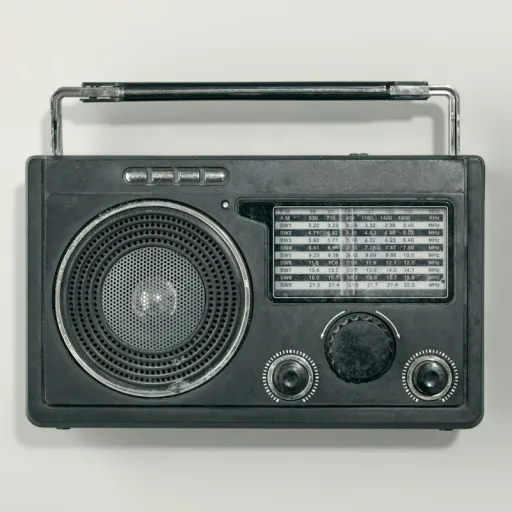
While the pirate-radio scene is taking a rare breather and no major regulatory scandals are currently setting the bands on fire, the software-defined and amateur side of the spectrum has been quietly productive. New receivers, plugins, and all-in-one apps keep appearing, proving that “less is more” is still a popular slogan among people who own at least three dongles.

One of the more practical releases is the free KG5ZZB SDR Airband Receiver. The author wanted a single application that could listen to pilots, show the planes on a map, and decode their ACARS messages — and couldn’t find one, so he built it. It runs on Windows, macOS, Linux and Android and works with ordinary RTL-SDR dongles. For anyone who enjoys watching the sky while hearing the chatter, this removes several tabs and virtual audio cables in one go. You can find the original post and screenshots on X from @Kg5Zzb.
Over on the RTL-SDR blog side of things, FoxSDR just pushed another update. The Windows receiver now sports a redesigned main window and has climbed to 89 plugins. New or improved decoders include DAB/DAB+, radiosondes, VDL2, P25 trunking, plus more exotic ones such as a meteor-scatter ping counter, Loran-C, and an ILS meter. The developers are openly asking for RTL-SDR owners to beta-test the still-experimental half of the plugin list. If you enjoy living on the bleeding edge of free software, this is your invitation.
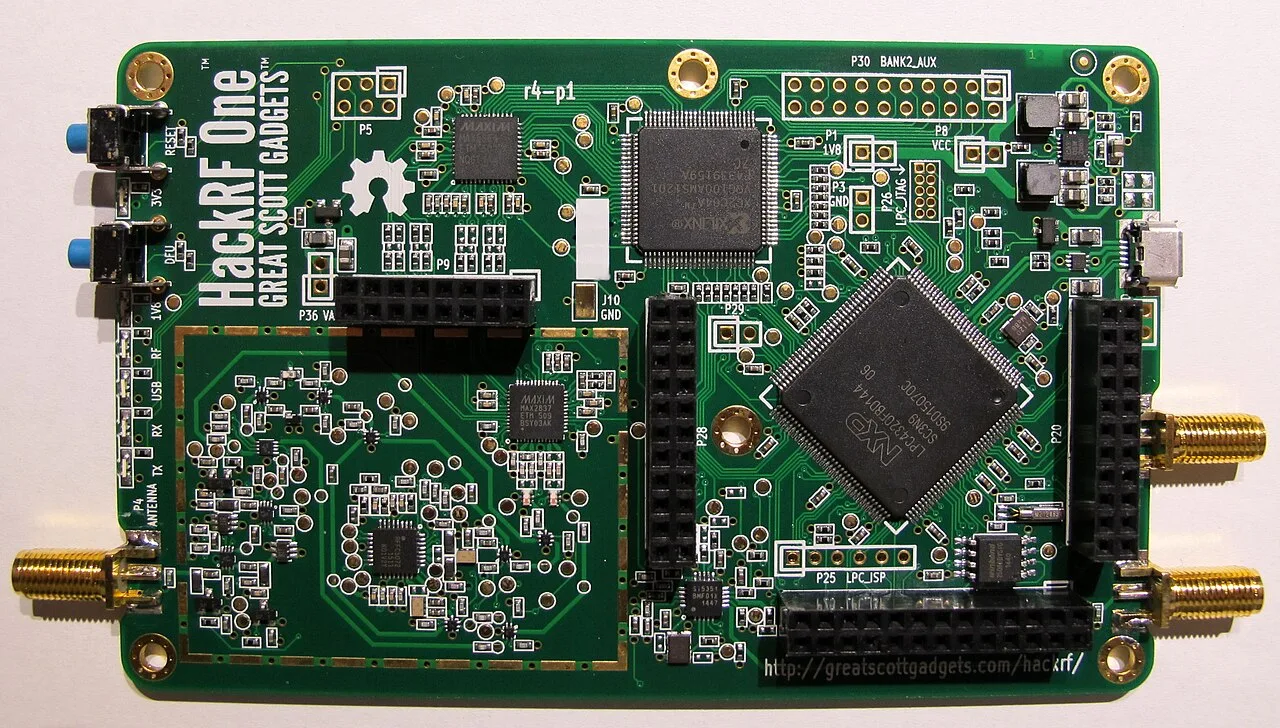
Not content with merely writing plugins by hand, the author of the venerable SDR# has released a Vibe Development Kit (VDK). The idea is simple and slightly dystopian: you prompt an AI coding agent and it generates SDR# plugins for you. Early demos already exist, and the usual “AI disclaimer” is attached. Whether this produces more useful tools or more half-working experiments remains to be seen, but the barrier to custom demodulators just got lower.
Hardware is not standing still either. HackerGadgets has released a 4-in-1 HAT for the Raspberry Pi that packs an RTL-SDR (with HF direct sampling), a LoRa radio (Meshtastic-friendly), a GNSS receiver and a real-time clock onto a single board. For anyone building a portable node, weather-balloon tracker or off-grid messenger, this is a tidy way to avoid a nest of USB cables. Stock and long-term availability are still early days, but the concept is already circulating.
For the contesting and DX crowd, VKVSkimmer appeared as a free Windows CW and RTTY skimmer. It works with RTL-SDR (via rtl_tcp), SDRplay, or the I/Q output of certain Icom radios, uses a neural-network CW decoder, and can cross-check callsigns against the Reverse Beacon Network. Spotting multiple signals at once without buying a dedicated hardware skimmer is the kind of free software that keeps the hobby interesting.
Finally, the handheld SDR market keeps evolving. The Malahit DSP4s (sold under the SDReleven name) is being discussed for its ability to decode unencrypted DMR, D-STAR, P25, TETRA DMO and NXDN on the device itself, plus CW, FT8, RTTY and even SSTV (saving images to microSD). Wider waterfall span and better claimed dynamic range than earlier Malahit models are the selling points, though stock was reported as zero shortly after listing.
If you have an RTL-SDR gathering dust, today is a good day to try the free Airband app or load FoxSDR and see how many of those 89 plugins actually survive contact with real signals. For the portable crowd, a quick look at the new Pi HAT or the latest Malahit firmware notes might spark the next project. The bands may be quiet, but the software repositories are not.
Related articles
Browser Satellites, QRP Quirks, and Jungle Pirates
A lively look at OrbitNight for satellite tracking, Meteor weather pics, Xiegu X6200 gripes, Meshtastic vs ham, Japanese license-free ops, and 90s pirate radio nostalgia.

Off Frequency: The Daily Radio Digest — 26 October 2026
FCC collecting from Northeast pirates, UVB-76 muttering “unpleasant” things, portable SDRs that don’t need a laptop, and the leap second finally clocking out. A slightly ironic look at the last 48 hours in ham and pirate radio.
Callsign Ghosts, Tiny LoRa Decoders, and the Pirate Who Claims to Be Legal
Daily off-frequency notes: someone is borrowing a Japanese callsign on FT8, a new no-GNU-Radio LoRa receiver drops, and a shortwave pirate politely introduces itself as federally compliant.
APRS and SSTV from a balloon: a receive-station checklist before the next club launch
A recent Kopernik Observatory balloon request is a useful reminder: clean VHF audio, correct mode settings, UTC logs and receive-first discipline matter more than expensive gear.
Comments
Sign in to comment.
No comments yet.