
Parenting & Kids Stuff
Latest publications
The November Clock Change and Children’s Sleep: A Practical Plan for the Week After
The extra hour on the clock does not always feel like extra sleep for children. Here is an age-aware way to handle early waking, bedtime resistance, naps, morning light and screens after the autumn time change.

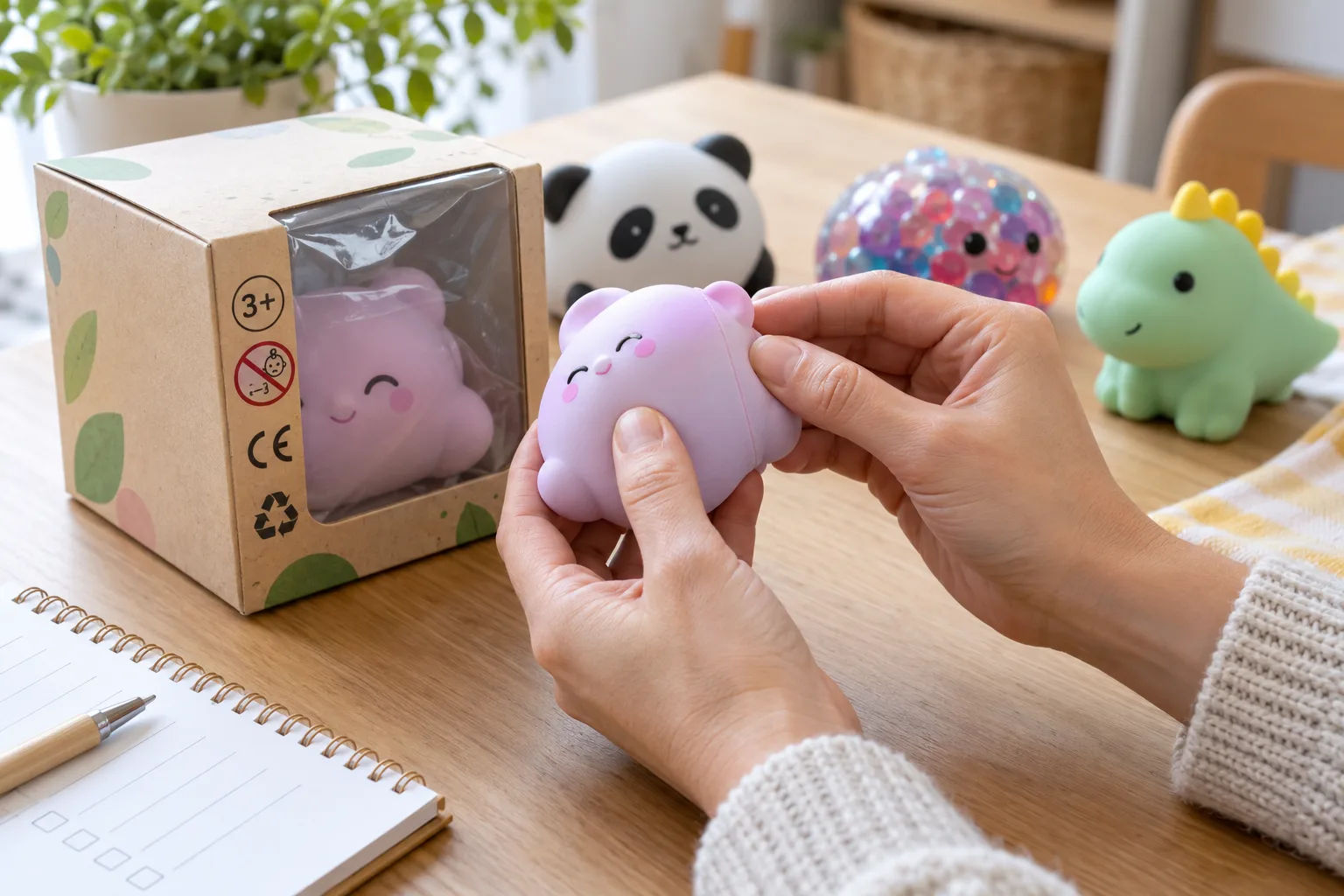
Squishy Toys Are Trending Again: What Parents Should Check Before Buying One for a Child
Soft dumplings, buns and animal-shaped fidgets are easy impulse buys, but recent safety warnings show why a quick smell, label and damage check matters. Here is a practical guide to choosing and using squishy toys by age.
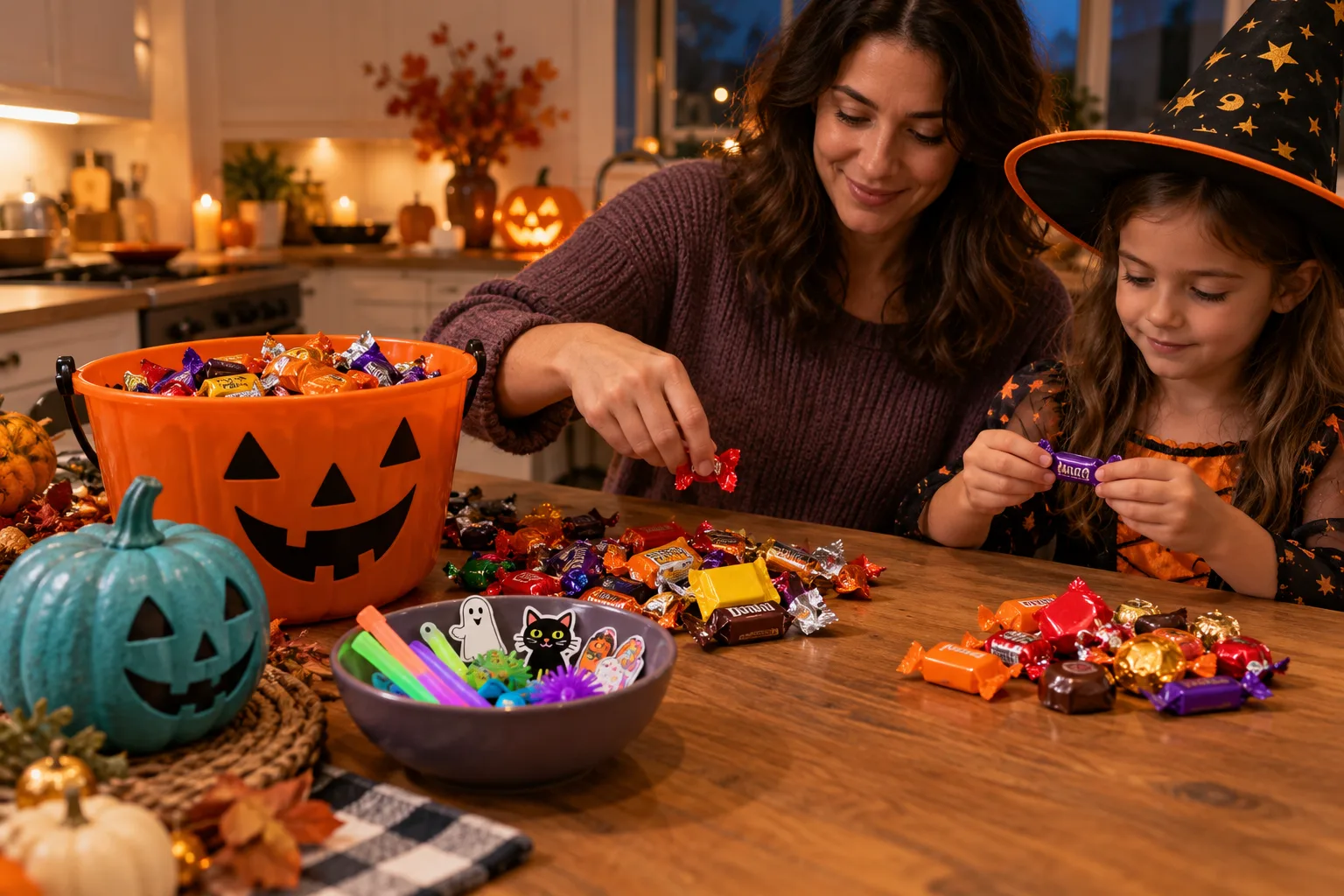
Halloween Candy in 2026: A Practical Parent Plan for Treats, Allergies and the Switch Witch
The Switch Witch is back in family conversations, but trading away a child’s Halloween haul is not the only option. Here is a calmer plan for candy, food allergies, toddlers, dental care and the social side of trick-or-treating.
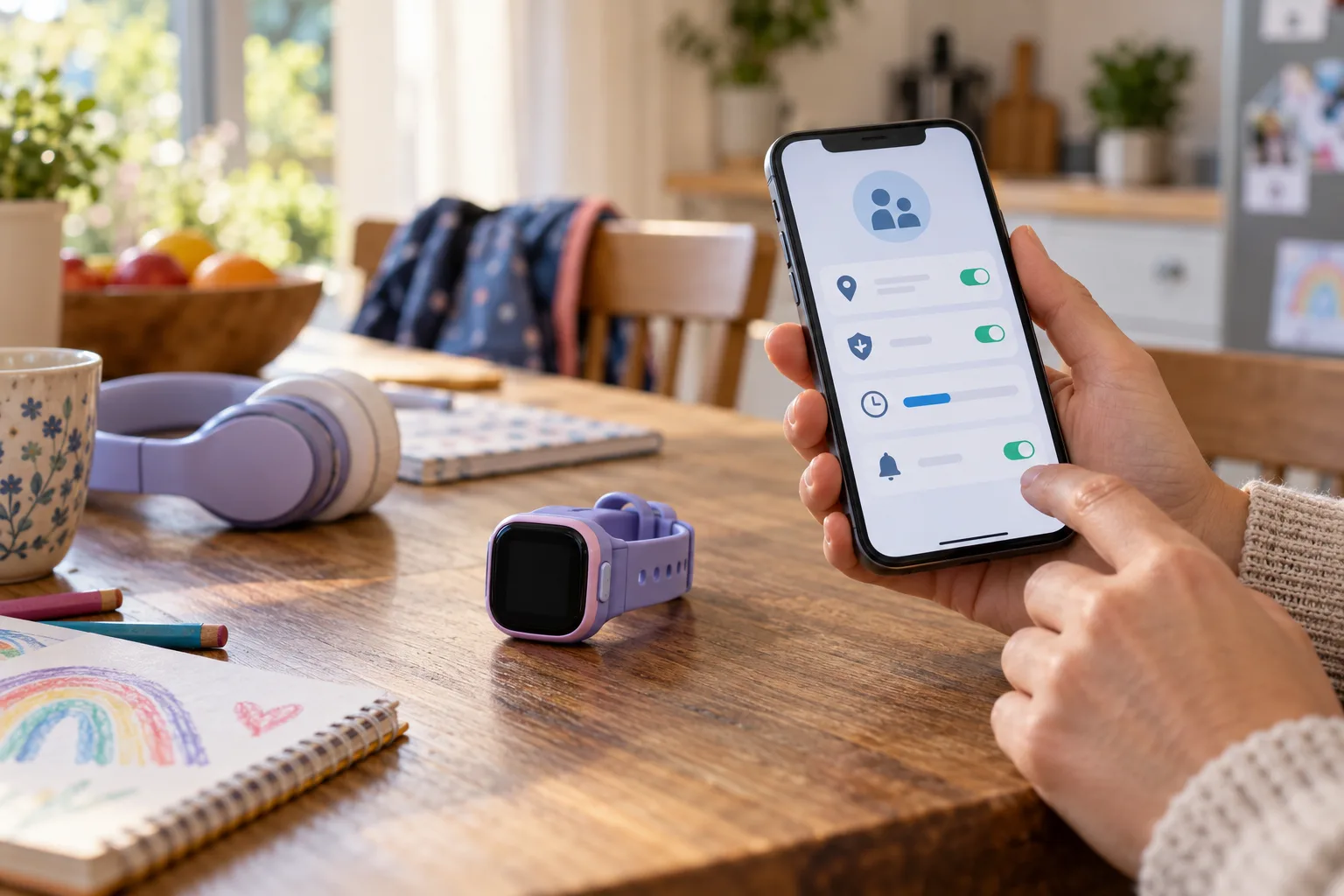
TickTalk Radio on the TickTalk 6: What Parents Should Check Before Paying for a Kids’ Music Watch
TickTalk 6 adds a parent-controlled music and wellness service to a connected watch for children ages 3–12. Here is what the feature changes, what it does not solve, and how to test the subscription, privacy and listening controls before relying on it.
Movement videos for kids: how to use them without confusing screen time with active play
A new GoNoodle challenge puts movement videos back in the parenting news. Here is what these short routines can realistically do, where they fall short, and how to choose a safe, age-appropriate setup at home.

When Educational Screen Time Isn’t Learning: A Parent Audit for Ages 5–12
A practical way to judge children’s learning apps and videos by what they help a child do afterward—not by bright badges, minutes logged or the word educational on the label.

Preschool Shared Reading Is Still Recoverable: A Practical Plan for Bringing Books Back Into Family Life
A recent national study found that shared book reading with preschoolers remained below pre-pandemic levels through 2024. The useful response is not a stricter reading quota, but a low-friction routine built around access, choice and conversation.

School-Issued Devices: The Parent Questions That Reveal Whether Screen Time Is Helping Learning
A new teacher survey shows that classroom devices are nearly universal, but many educators want less time on them. Here is a practical way for parents to ask what the device is doing, who is supervising it, and whether the learning survives when the screen is gone.

School AI tools for children: what parents should ask before the classroom chatbot arrives
New school AI rules are arriving faster than parent handbooks can explain them. Here is a practical way to judge classroom AI by age, privacy, supervision and real learning value.

AI toys for children: the privacy and play checklist before buying a talking companion
A calm, practical checklist for deciding whether a talking plush, robot or AI companion belongs in your home, and under what limits.
Kids’ headphones for school and travel: volume limits are only the first check
A practical, no-guilt checklist for choosing children’s headphones by age, fit, volume, breaks and real family routines.

Back-to-school tablet for a child: the setup checklist before you buy
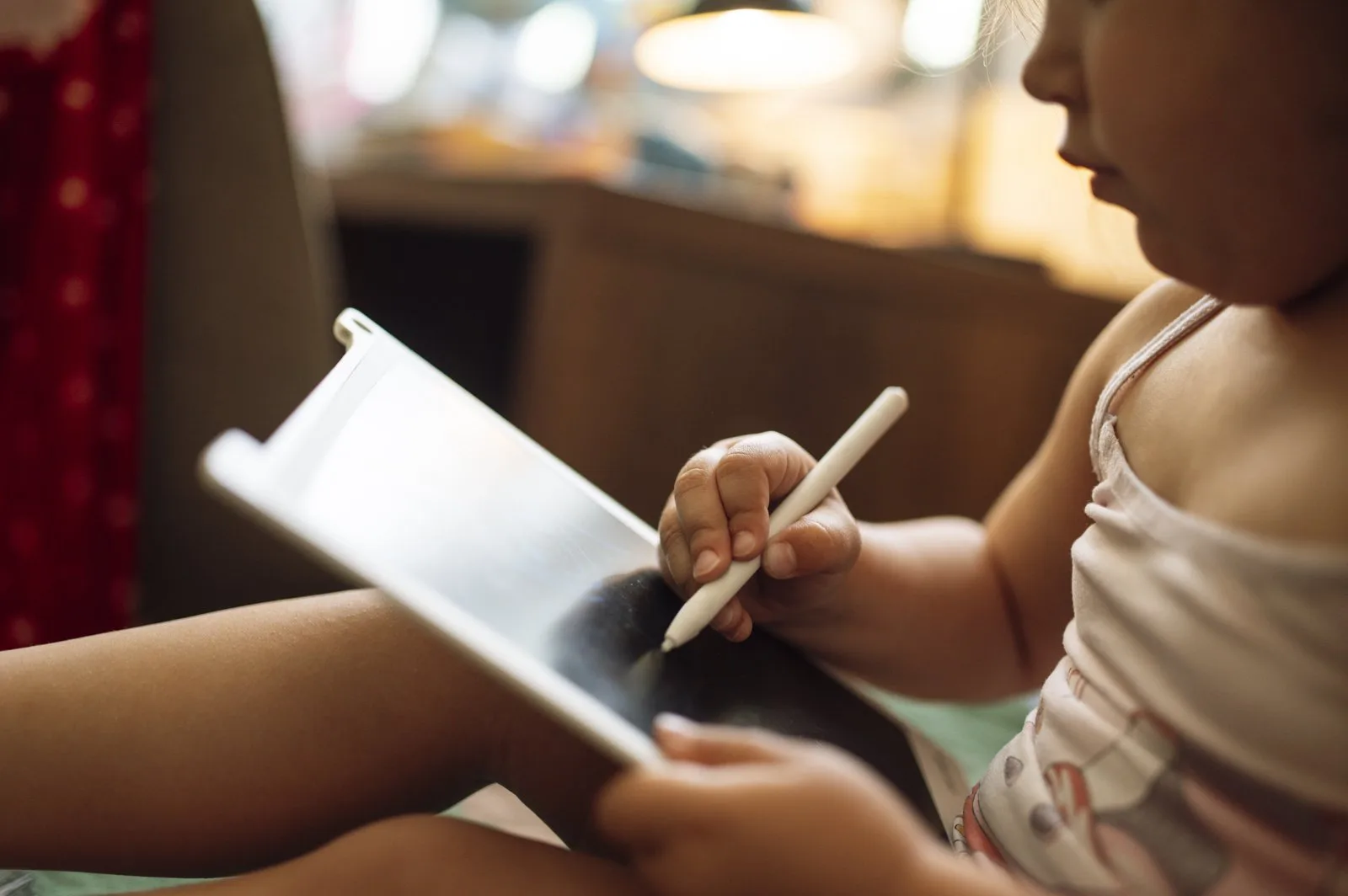
A calm, practical way to choose and prepare a child’s tablet, e-reader or shared device before school apps, travel and bedtime routines turn it into a daily argument.