Kids’ headphones for school and travel: volume limits are only the first check
A practical, no-guilt checklist for choosing children’s headphones by age, fit, volume, breaks and real family routines.

A pair of children’s headphones can make a school tablet less noisy, turn a long car ride into audiobook time, or help one child hear a lesson while another sibling is doing something completely different. That does not make headphones a parenting failure, and it does not make them a magic safety switch. The practical question is simpler: what problem are these headphones meant to solve, and what rules still need to sit around volume, fit, duration and communication?

The safest way to shop is to start with the situation, not the product ranking. A child who needs occasional audio for a school app has different needs from a child listening to audiobooks on a flight, a preteen using a gaming headset, or a preschooler borrowing a tablet for a few supervised minutes. A model advertised as volume limited may be a useful default, but the World Health Organization’s safe-listening advice still frames risk as a combination of sound intensity and duration. The U.S. NIDCD makes the same point in everyday terms: lower levels are less likely to cause harm over long periods, while repeated exposure around or above 85 dBA can become risky. The label on the box is only one part of the routine.
Start with age and use context
For toddlers and preschoolers, headphones should be treated as short, supervised gear rather than a way to stretch quiet time. Large over-ear designs are easier to see, easier to remove, and less likely than tiny earbuds to disappear under furniture or become a problem for younger siblings. Check for detachable cushions, small adapters, charging-port covers and cables that can be pulled or mouthed. At this age, comfort matters because a loose or scratchy fit often leads to louder volume, repeated adjusting and frustration. If a child cannot reliably answer when spoken to, the session is probably too private for the setting.
Around ages five to seven, headphones often enter real family logistics: school videos, reading apps, language practice, airplane entertainment, car audio or a shared bedroom. This is the age when parents usually discover that the same pair is not equally good for everything. A sturdy wired pair may be best for a classroom Chromebook because it does not need charging. A Bluetooth pair may be calmer for a tablet on the sofa but annoying when pairing fails before a flight. A soft headband may feel nicer for a short video and still be too warm for an hour. The useful test is the actual device, app and seating position, not a store shelf promise.
For children roughly eight to ten, independence grows. They may charge their own devices, pack headphones for school, start a lesson without help or move between educational audio and entertainment. That is a good time to make rules visible rather than vague: where the headphones live, which device volume setting is acceptable, when breaks happen, whether headphones come off when an adult enters the room, and what happens if the charger or adapter is missing. This is also when microphone quality, mute buttons, school permissions and online privacy begin to matter. A headset used for class calls is not just a listening product.
Preteens and teenagers may prefer earbuds or regular adult headphones, especially with phones. A “kids” over-ear model may no longer fit physically or socially. The parenting task changes from choosing a cute durable pair to building awareness: if people nearby can hear the audio, if normal conversation is hard to notice, if listening continues through bedtime, or if volume climbs in every noisy place, the habit needs adjustment. The tone can stay respectful. Older children are more likely to cooperate when the rule is about hearing, sleep and being reachable, not about proving that their music, game or video is bad.
What the main product categories really change
Volume-limited over-ear headphones are attractive because they give families a safety-oriented default. Many children’s models advertise caps around the level commonly discussed in safe-listening guidance, often 85 dB, and some offer lower or travel modes. The limitation is that real output depends on the source device, the recording, the fit, wired versus wireless mode and how the manufacturer measures the claim. Parents do not need a laboratory, but they should avoid treating the printed number as permission for unlimited listening. Try the pair on the real tablet, set the device volume below maximum, and listen from nearby: if the sound leaks clearly across a quiet room, it is probably too loud.
Wired headphones are still useful for children. They do not need charging, they connect easily to many school laptops, and they are harder to lose than small earbuds. The trade-off is durability and snagging. Look at the plug, the cable strain relief, whether the cable is replaceable, and whether the school device still has a headphone jack. A right-angle plug may survive a backpack better than a straight plug in some cases. For younger children, long dangling cables are not ideal around car seats, strollers, playground movement or bedtime. Wired can be the calmest choice at a desk and the wrong choice while moving.
Bluetooth headphones remove cable mess and work well with many tablets, phones and newer travel devices. They also add chores: charging, pairing, battery aging, firmware behavior and sometimes confusing multifunction buttons. A pair that seems perfect at home can become useless when it is dead at airport security or paired to the wrong parent’s phone. Bluetooth also makes private listening easier to extend. That convenience is not bad; it simply means families may need clearer stopping points. For school, check whether wireless headphones are allowed, whether a microphone is needed, and whether the child can reconnect without handing over a password or opening settings they should not change.
Noise-isolating, noise-reducing and noise-cancelling designs are often misunderstood. Reducing background noise can help a child keep media volume lower in a plane cabin or busy household. It can also make the child harder to reach. Active noise cancellation is not the same as certified hearing protection for concerts, fireworks or power tools, and ordinary media headphones should not be sold to a family as a substitute for proper protective earmuffs. In traffic, at school pickup, near water, on a bike or scooter, or anywhere instructions matter, hearing the world is part of safety. Sometimes the right rule is one ear uncovered; sometimes it is headphones off.
Earbuds are convenient, discreet and familiar to older children, but they are usually a poor first choice for younger ones. Ear tips are small, easy to lose, harder to clean and more private than over-ear headphones. A child can raise the volume without adults noticing as easily. Earbuds may be reasonable for a responsible older child who already manages a phone and understands volume limits, but they still need cleaning, storage and break rules. Families with toddlers or pets should think about loose silicone tips and charging cases as small objects, not just electronics.
A practical parent checklist before buying
First, name the main job. “For a school Chromebook twice a week,” “for audiobooks on a flight,” “for a language app in a shared room,” and “for gaming with friends” point to different features. If the main job is school, durability, label space, wired compatibility, a simple microphone and a low price may beat premium sound. If the main job is travel, folding hinges, a case, battery life, airplane adapters and offline audio matter. If the main job is bedtime, headphones may be the wrong solution if they keep a child awake or hide the fact that the device is still on.
Second, test fit before trusting volume. A loose cup lets in background noise and tempts a child to turn sound up. A clamp that is too tight causes headaches and makes the child remove the pair after five minutes. Glasses, hairstyles, hats and sensory preferences can change the fit. If possible, let the child wear the headphones for a short real session before a school day or trip. Ask whether speech sounds clear at a comfortable setting. A child who says “it is too quiet” may be reacting to a poor seal, a noisy room, a quiet recording or an actual volume cap; the fix is not automatically louder audio.
Third, set the source device too. Many tablets, phones and computers have system volume limits, headphone safety notifications, parental controls or profile settings. Use them where they fit your household, but remember that children may switch apps, devices or browsers. The strongest routine is layered: a sensible headphone, a device volume setting, a visible break plan, and a rule for pausing when someone speaks. If a school manages the device, ask what settings are already locked. If the device belongs to the family, avoid leaving the volume slider at maximum as the normal starting point.
Fourth, decide the communication rule. Parents in forums often complain less about audio quality than about the child not hearing them in the car, at dinner, in a classroom pickup line or when it is time to leave. Solve that before it becomes a daily argument. The rule can be simple: pause or remove headphones when an adult speaks; no headphones while crossing streets; one ear free in the car if the child must answer quickly; headphones away during meals if family conversation is expected. A visual cue, such as tapping the table or pausing the device, can help younger children more than repeated shouting from another room.
Fifth, plan breaks by situation. Safe listening is not only about the peak volume. Duration matters, especially in noisy places where children ask for louder sound. For homework videos, breaks can follow assignments. For flights, breaks can happen around meals, announcements and movement. For gaming, they can be tied to match endings rather than arbitrary interruptions. For bedtime, an audio story may be calming for one child and a sleep delay for another. The goal is not to make every family follow the same timer; it is to avoid turning headphones into an unnoticed all-evening habit.
Sixth, look at cleaning and sharing. Over-ear cushions collect sweat, sunscreen, crumbs and hair products. Earbuds collect wax and are not great for casual sharing. School headphones may sit in cubbies, backpacks and classroom bins. Choose materials that can be wiped, label the pair clearly, and consider whether replacement cushions or cables exist. If siblings share, decide whether that is really practical. A cheaper sturdy pair that can be cleaned and found may serve a child better than a delicate model with excellent reviews.
Convenience, safety, education and entertainment trade-offs
The convenience case is real. Headphones can reduce household noise, make a reading app audible in a shared room, help a child focus on a lesson, or make travel less stressful for everyone nearby. They can also create small pockets of privacy that parents forget to supervise. A supportive rule is to treat headphones as a tool for a named situation. When the situation ends, the headphones come off or the device changes mode. That keeps convenience from quietly expanding every screen or audio session.
The safety case is mixed in a practical way. A volume-limited pair, good fit and lower background noise can all help. None of them cancels out duration, unsafe locations or a child who cannot hear instructions. Watch for simple warning signs: sound is clearly audible to others in a quiet room, the child does not hear normal speech, the child asks for louder audio in every setting, or listening continues after ear discomfort, ringing or headaches. Ear pain, sudden hearing changes, persistent ringing or unusual sound distress are reasons to ask a qualified clinician, not reasons to buy a different gadget and hope.
The education case deserves honesty. Audiobooks, language lessons, phonics practice, accessibility tools and school videos can be valuable. Headphones can make those experiences easier in a noisy household. But not every audio session is learning just because it happens on a school device, and not every entertainment session is harmful because it uses headphones. Families can separate content from hardware: what is the child listening to, why now, for how long, and can they stop or respond when needed? That framing avoids guilt while keeping adults in the loop.
The entertainment case is also real. Games, videos and music feel more immersive through headphones. That can be wonderful on a long flight and difficult at bedtime. It can prevent sibling fights over noise and also make it harder to notice what is playing. If a child uses headphones for entertainment, build in ordinary family media rules: public areas for younger children, age-appropriate content, device-off routines, and no headphones when supervision or conversation is the point of the moment. The American Academy of Pediatrics’ media guidance encourages family plans and context-aware choices rather than one universal rule for every child.
When headphones are the wrong tool
Skip headphones when the child needs environmental awareness: walking near traffic, biking, scootering, playground transitions, parking lots, public transport boarding, school pickup, water play or any situation where adults may need a quick response. Avoid using corded headphones during sleep or unsupervised toddler time. Do not use ordinary media headphones as hearing protection at loud events. If the real problem is overwhelming noise, consider properly rated hearing-protection earmuffs and professional advice for children with significant sound sensitivity, rather than turning up calming audio.
Headphones can also be the wrong tool for family conflict. If the purpose is to stop every argument about screens, bedtime, homework or sibling noise, the product will disappoint. A better purchase question is concrete: will this pair help with a known routine, on a known device, for a realistic length of time, while the child can still be safe and reachable? If yes, choose the simplest model that fits the job. If no, start with the routine before buying another accessory.
The bottom line
Buy children’s headphones for a specific use case, then manage the parts the box cannot manage: fit, source-device volume, listening breaks, cleaning, school rules, charging, small parts and communication. Volume limits are useful, especially as a default for younger listeners, but they are not a guarantee of safe unlimited listening. A calm family rule beats a guilt lecture: comfortable sound, reasonable duration, headphones off when safety or conversation matters, and professional help if a child has pain, ringing, sudden hearing changes or persistent sound distress.
Related articles
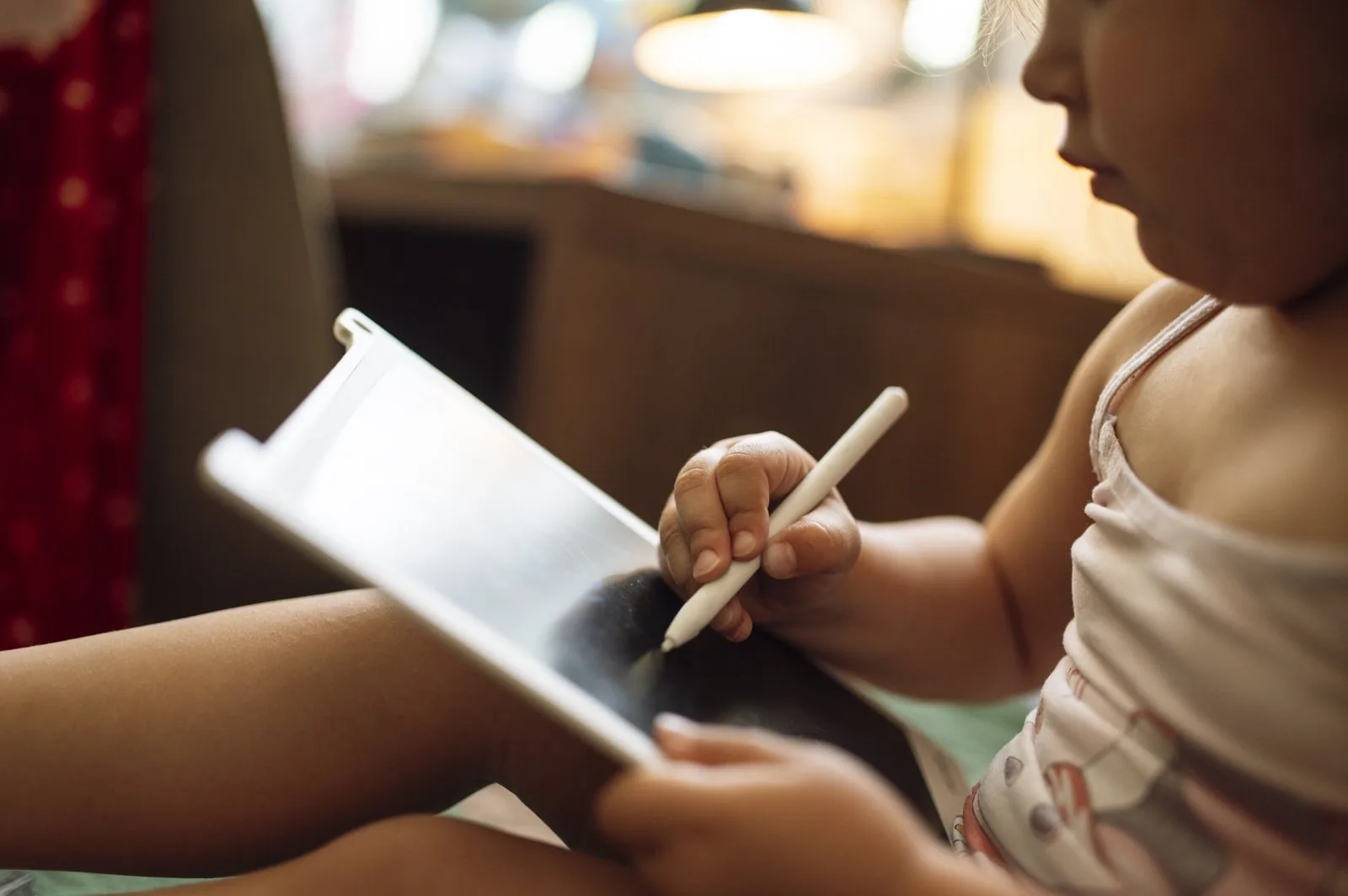
Back-to-school tablet for a child: the setup checklist before you buy
A calm, practical way to choose and prepare a child’s tablet, e-reader or shared device before school apps, travel and bedtime routines turn it into a daily argument.
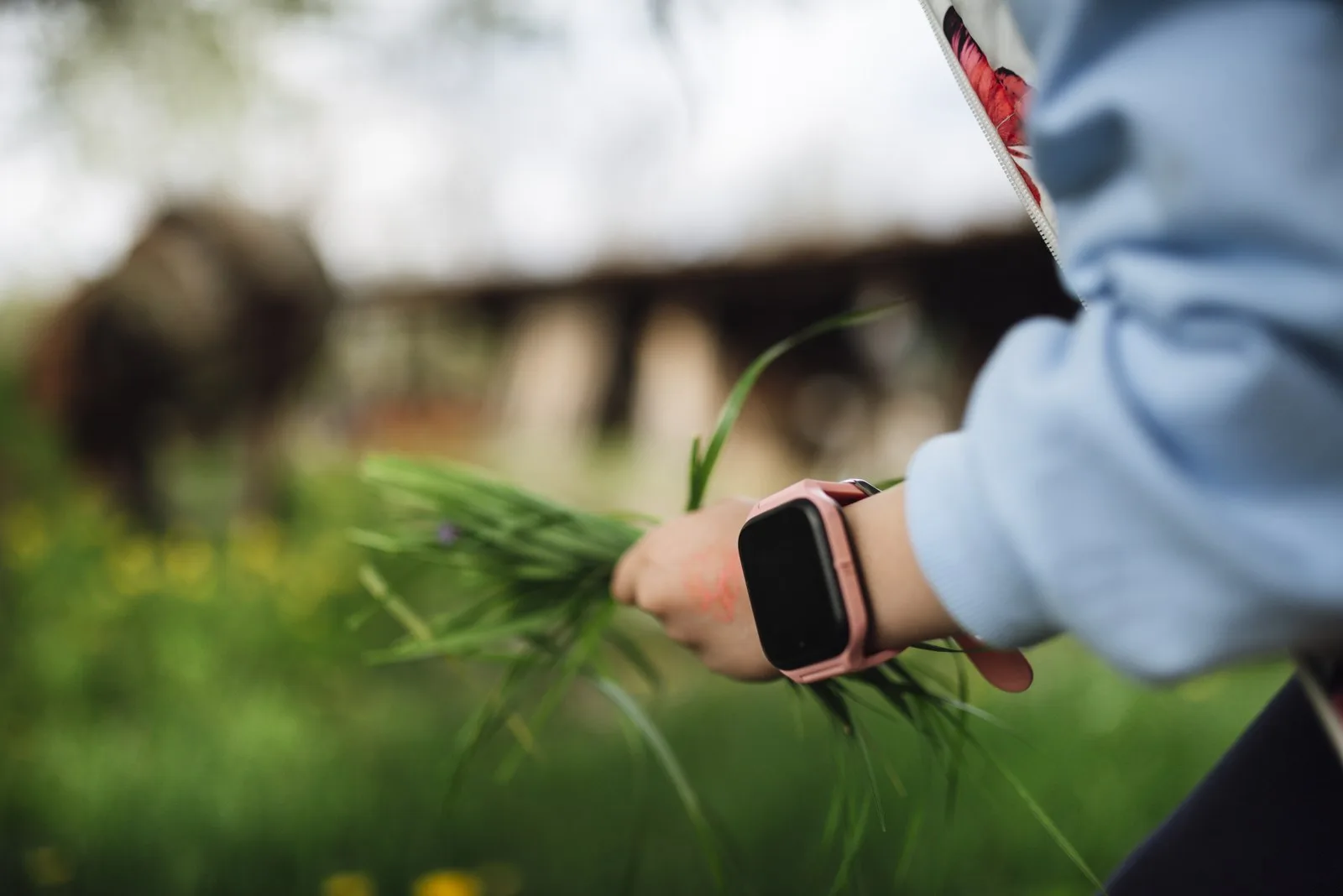
Kids’ GPS smartwatch before a first phone: a parent checklist before buying
A practical, non-guilt guide to deciding whether a connected watch really helps with school, walks, clubs or camp before a child gets a phone.
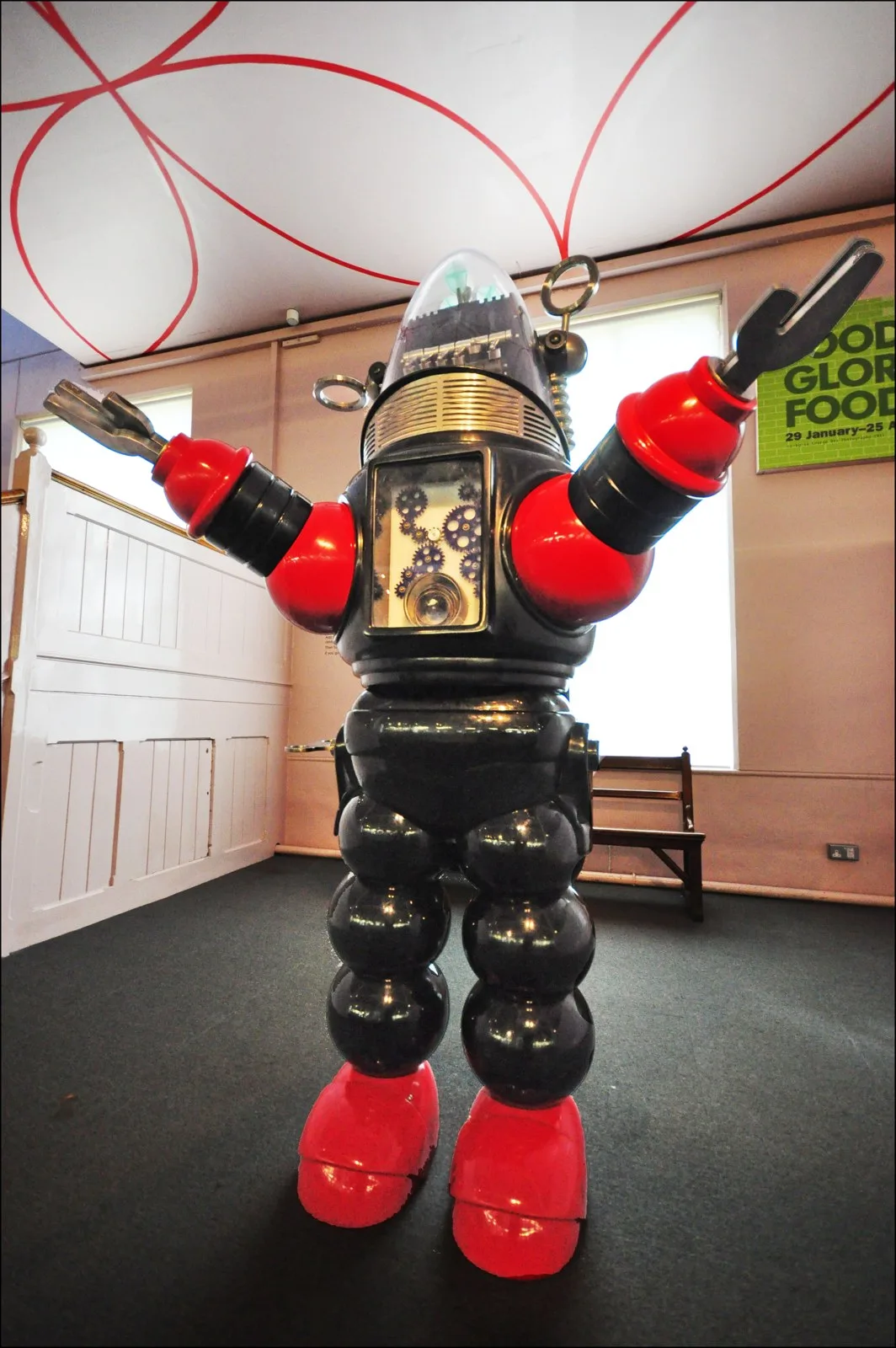
AI toys for children: the privacy and play checklist before buying a talking companion
A calm, practical checklist for deciding whether a talking plush, robot or AI companion belongs in your home, and under what limits.
Reloj GPS infantil antes del primer móvil: lista para decidir antes de comprar
Una guía práctica y sin culpabilizar para valorar si un reloj conectado ayuda de verdad con escuela, trayectos, actividades o campamento.
Comments
Sign in to comment.
No comments yet.