Should You Buy the Apple Watch Series 12? The Health Sensors Are New, but the Upgrade Case Is Narrow
Apple’s Series 12 adds higher-frequency heart sensing and a readiness score, but its everyday case remains familiar. Here is who should buy now, who should wait, and when an older or cheaper Apple Watch makes more sense.
Apple Watch Series 12 arrives at a familiar starting price and with a less familiar question: is its new health-sensing hardware useful enough to justify buying immediately? Apple says the watch measures heart rate every five seconds, adds higher-frequency heart-rate-variability data, and uses those measurements for a new readiness score. Those are meaningful changes on paper. They are also features that need time, repeated use, and independent testing before they can be treated as reasons for everyone to upgrade.
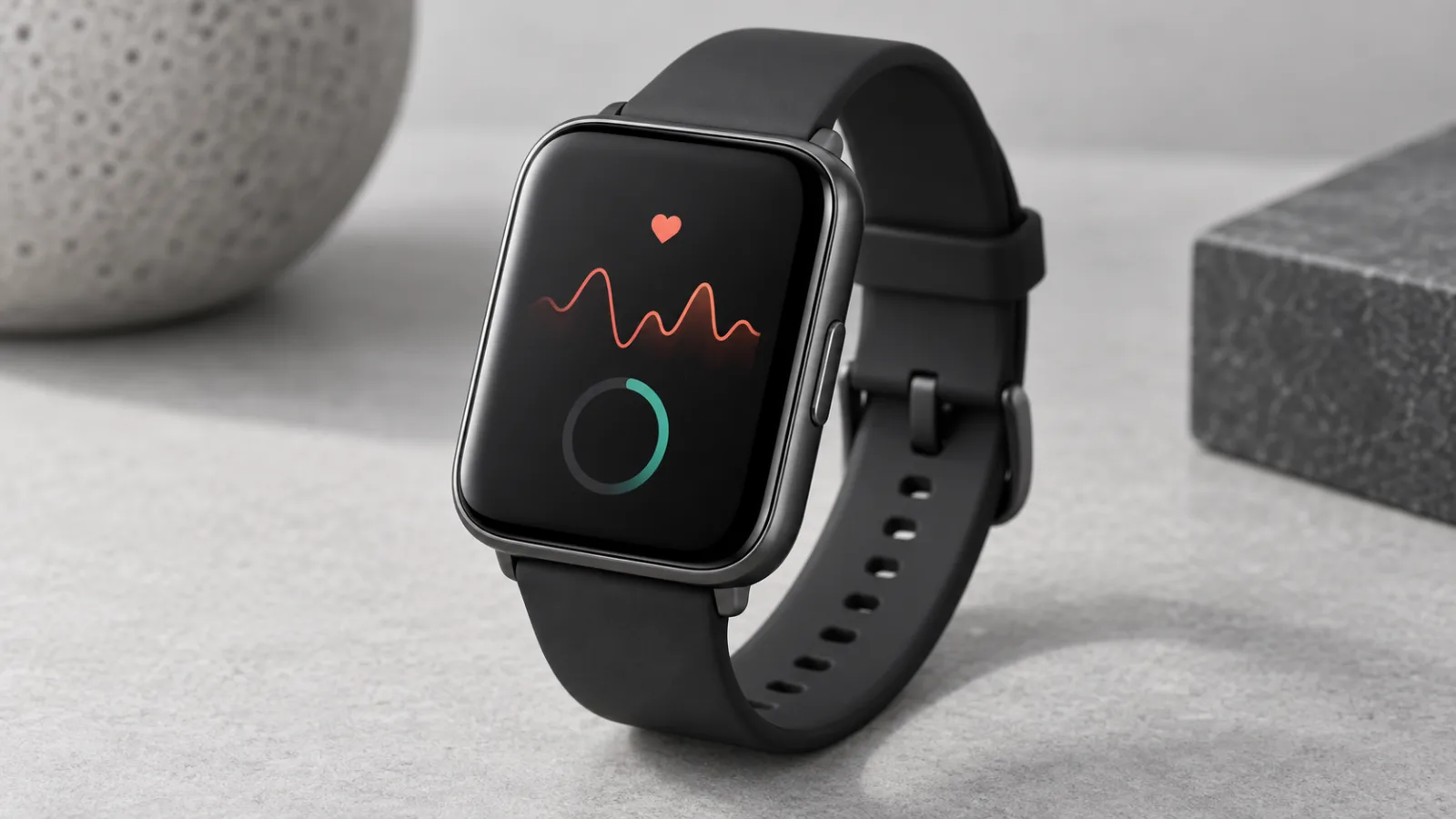
The Series 12 is available to preorder from September 9, 2026, and reaches stores on September 18. The 42mm aluminum GPS model starts at $399 in the United States. The larger 46mm aluminum version starts at $449, a detail that is easy to miss because the smaller case retains the previous entry price. The decision is therefore less about whether Apple made a better watch. It did. The useful question is whether the improvements solve a problem you actually have.
My buying advice is straightforward: buy the Series 12 if you have an older Apple Watch with poor battery health, want the new health features specifically, or are replacing a watch that no longer receives the capabilities you need. If you already own a Series 10 or Series 11 that comfortably lasts through your day, wait for full reviews and early discounts. If you mainly want notifications, workouts, sleep tracking, and safety features, the SE 3 or a discounted previous-generation model may be better value.
What Apple Watch Series 12 changes
The headline feature is the new Health Sensing System. Apple describes it as a combination of optical and electrical heart sensors, updated processing, and software that can use a denser stream of measurements. The company says the Series 12 records heart rate every five seconds throughout the day, compared with once a minute on earlier models. More frequent readings can improve the amount of information available for heart-rate-variability analysis, recovery estimates, and the watch’s new readiness score.
That does not mean the watch becomes a medical monitor. A higher sampling frequency is an input, not a guarantee that every output is more accurate or more useful. Readiness is an interpretation of signals such as sleep, activity, and heart-rate variability. It may help someone notice a pattern, but it should not turn a single score into a prescription to train, rest, or change treatment. Apple’s own health features are designed to support personal decisions and conversations with clinicians, not replace them.
The Series 12 also uses Apple’s S11 chip. Apple calls it its most powerful wearable chip and says it enables the new sensing system as well as Audio Intelligence features that are scheduled to arrive later in the year. watchOS 27 adds Siri AI capabilities and other software changes, but many watchOS features are not exclusive to the Series 12. Apple says watchOS 27 will support Apple Watch Series 9 or later, the SE 3, and the Ultra 2 or later, provided the connected iPhone meets the software requirements.
That distinction matters. A new operating system can make a new watch feel current, but software availability reduces the value of paying for new hardware unless the hardware feature is the reason for the purchase. In the Series 12’s case, the strongest hardware argument is the sensing system, not a redesigned interface.
The price is not as simple as the headline
The $399 starting price applies to the 42mm Series 12 in aluminum with GPS. Cellular connectivity, a larger case, premium materials, and replacement bands raise the real purchase price quickly. MacRumors reports that the 46mm aluminum model now starts at $449, $20 higher than the comparable previous starting point. Choosing the larger case therefore costs $50 more than the 42mm model rather than the $30 difference many buyers may expect from older pricing.
This is more than a trivia point. The larger watch is often recommended for easier reading and longer-lasting battery capacity, but the price gap can push a buyer toward cellular or a more expensive band package. Compare the complete configuration you would actually wear, not the lowest number in an announcement. A $399 watch is not necessarily a $399 purchase once the size, connectivity, protection, and band you need are included.
Apple has not made the Series 12 a low-cost health device. The cheaper Apple Watch SE 3 remains the more sensible entry point for basic activity, notifications, safety tools, and the wider Apple Watch experience. It does not offer every sensor or feature found in the Series line, so it is not a substitute for someone who specifically wants the new heart-sensing capabilities. It is, however, a reminder that the Series 12’s premium is paying for a narrower set of upgrades.
The health features are promising, not yet a reason to ignore testing
Apple’s announcement makes several claims that sound substantial: the company calls the Series 12 its most accurate wearable for heart-rate sensing, says its sensors collect readings more frequently, and introduces a readiness score based on those measurements. These claims deserve attention, but they come from Apple’s launch material and preproduction testing. They do not tell us how the watch performs across different skin contact conditions, workout types, tattoos, wrist movement, sleep positions, or users with very different baseline data.
A readiness score also has to earn trust in daily life. Does it respond sensibly after a poor night of sleep? Does it distinguish hard exercise from an unusually stressful day? Is it stable enough that a user can understand why it changed? Does it provide information beyond what a good sleep and training log already shows? Those questions cannot be answered by a keynote demonstration. They require weeks of use and comparisons with established devices and, where relevant, validated measurements.
There is an important difference between a watch detecting a pattern and diagnosing a condition. Hypertension notifications, irregular rhythm warnings, and similar features can encourage a user to seek medical advice, but they are not a cuff reading or a clinical diagnosis. Availability can also vary by country, age, setup, and regulatory approval. Buyers should check the health feature list for their region instead of assuming that every advertised capability works everywhere.
The timing creates another wrinkle. MacRumors reports that some users upgrading to the Series 12 or Ultra 4 may temporarily lose access to hypertension notifications while migrating to the new devices. That is a software transition issue rather than evidence that the watch is unsafe, but it matters to anyone buying specifically for a health alert. If that feature is central to your decision, confirm its current availability and migration behavior before trading in an older watch.
The battery question remains more important than the chip
A faster processor and more frequent sensing are attractive, but the daily experience of an Apple Watch still depends heavily on charging. The Series 12 is not a different category of endurance device. It is still designed around regular charging, and frequent sleep tracking creates a scheduling problem for people who charge overnight. A watch that collects more health data is useful only when it is on the wrist.
Before upgrading, describe your actual battery problem precisely. If your Series 6, 7, or 8 no longer reaches bedtime, a new watch can feel transformational even if its visible design is similar. If your Series 10 or 11 still has enough reserve for a full day and a night of sleep tracking, the Series 12’s new sensor stream may not justify replacing it immediately. The difference between a watch that is technically faster and a watch that changes your routine is smaller than the launch coverage may suggest.
Battery health also changes the value calculation for older watches. An out-of-warranty battery replacement, a trade-in credit, and the price of a new Series 12 should be compared together. For a lightly used recent model, replacing the battery or waiting for a sale may preserve most of the experience at a lower cost. For a much older model with a worn battery, outdated sensors, and limited software support, the new hardware is easier to justify.
Who should buy the Series 12 now
The best early buyers are people with a specific, identifiable need.
First, consider it if your current Apple Watch cannot reliably last through the day. A watch that dies before a workout, commute, or sleep session is already failing at its main job. The Series 12’s new sensors and current processor are secondary benefits in this case; the main benefit is restoring dependable use.
Second, buy if you want to experiment with the new readiness and higher-frequency heart data and accept that the software may mature over time. This is a reasonable purchase for someone who already uses sleep, training, and health trends consistently. It is less compelling for someone hoping that a score will create healthy habits automatically. A readiness metric cannot compensate for wearing the watch irregularly or ignoring the underlying data.
Third, the Series 12 makes sense for a first-time Apple Watch buyer who wants the standard model rather than the least expensive one and plans to keep it for several years. The starting price is not a bargain, but a longer ownership period spreads the cost. The buyer should still check whether the SE 3 supplies everything needed, especially if the watch will be used mostly for messages, timers, workouts, fall detection, and basic sleep tracking.
Fourth, it may be a practical choice if you need an Apple Watch for safety features and are replacing a much older model. Current hardware, current software support, and the updated sensor package reduce the risk of buying into an aging platform. This is a replacement decision, not necessarily an upgrade decision.
Who should wait
Wait if your existing watch is recent, healthy, and unremarkable in the best possible way. The Series 10 and Series 11 already cover the core Apple Watch routine, and watchOS 27 extends software support to recent models. Unless the new health features are your main reason for shopping, the practical improvements may be too small to notice every day.
Wait if you are interested in the readiness score but do not yet know whether you will use it. Let independent reviews examine its behavior before treating it as a decisive feature. Early buyers pay the launch price and supply the first round of real-world feedback. Waiting can produce a better choice, a clearer understanding of the feature, or a discount on the outgoing model.
Wait if you are buying mainly for battery life. The Series 12 is not the obvious answer for someone who wants to charge once a week or wear a watch for several days away from a charger. Apple’s standard watch remains an everyday companion that expects a charging routine. If endurance is the dominant requirement, compare it with watches designed around multi-day battery life, even if their iPhone integration and app ecosystems are weaker.
Wait if you are buying because an advertisement implies medical certainty. No consumer wearable should be purchased as a replacement for clinical testing. If you have symptoms, a diagnosis, or a clinician’s recommendation for monitoring, follow that advice and treat the watch as an additional source of information only.
Series 12 versus the cheaper alternatives
The Apple Watch SE 3 is the value option for an iPhone owner who wants the basic Apple Watch experience. It is likely to be enough for notifications, activity rings, workout recording, sleep tracking, safety features, and everyday convenience. Choose it when the feature list you actually use does not include the Series 12’s new sensing system, premium display and material options, or other Series-specific capabilities.
A discounted Series 11 may be the awkwardly strong alternative. It should retain the familiar design and much of the current software experience, while its lower price can make the missing Series 12 health hardware easier to accept. The question is not whether the Series 12 is technically newer; it is whether the price difference buys a feature you will use. If a sale puts the Series 11 close to SE 3 pricing while retaining features you care about, it may be the rational middle ground.
The Apple Watch Ultra 4 belongs to a different buyer profile. It starts at $799 and emphasizes a larger rugged design, outdoor use, and additional connectivity and endurance features. It is not a sensible alternative merely because the Series 12 has a higher price than expected. Choose the Ultra for its outdoor and durability requirements, not as an automatic upgrade from the standard watch. If you do not need those capabilities, its extra size and cost are disadvantages.
A non-Apple smartwatch can be a better fit for Android users or people who prioritize long battery life, sleep trends, or platform flexibility. The trade-off is Apple’s tight integration with the iPhone, including notifications, health data, safety features, and the wider watchOS app environment. Switching ecosystems for a single sensor feature rarely makes sense unless the rest of the device fits your routine better.
A practical buying checklist
Use this order when making the decision:
- Check your current battery health and whether the watch completes the day you actually have.
- Write down the two or three features you use weekly, not the features that sound impressive in a product announcement.
- Decide whether the new Health Sensing System is a requirement or merely interesting.
- Check regional availability for hypertension notifications, Apple Intelligence, ECG, and other health tools.
- Price the exact case size, GPS or cellular model, band, and protection you would buy.
- Compare the total price with a discounted Series 11 and the SE 3.
- If the purchase is not urgent, wait for independent reviews and the first credible discounts.
This process prevents a common mistake: paying for a premium watch to solve an unspecified problem. If the problem is a dead battery, replace an old watch. If the problem is a desire to understand recovery, investigate whether the new score is credible and useful for your routine. If the problem is simply wanting the newest Apple product, waiting is optional—but it is not a value argument.
What early reviews should answer
The most useful reviews will go beyond launch specifications. Look for sustained battery testing with sleep tracking enabled, workout sessions using GPS, and a comparison with the reviewer’s previous Apple Watch. A one-day impression can identify comfort and speed, but it cannot establish whether the denser sensor readings materially change battery life or health insights.
Pay attention to the readiness score’s explanation, not just its number. A useful feature should show what changed and give the user enough context to make sense of it. Reviews should also test whether the sensor maintains readings during movement and whether the new heart-rate behavior improves workout data rather than merely increasing the volume of background measurements.
Sizing deserves attention because the Series 12 reportedly has slightly different case and display dimensions. MacRumors reports a 46mm case measuring 46mm by 40mm by 9.7mm, compared with 46mm by 39mm by 9.7mm for the Series 10 and Series 11. A small change on paper can affect comfort, band alignment, screen perception, and whether an old case or protector fits. Do not assume accessories from the previous generation are interchangeable without checking.
Finally, reviewers should explain which features are available at launch and which are planned for later. Apple says Audio Intelligence features are arriving later in the year, and some Apple Intelligence capabilities depend on a compatible iPhone, supported language, and region. A promised feature is part of the product’s potential, not its present value.
The verdict
Apple Watch Series 12 is a credible new standard model, but it is not an automatic upgrade. Its strongest argument is the Health Sensing System: heart-rate readings every five seconds, higher-frequency HRV data, and a readiness score could matter to committed health and fitness users. The rest of the package is evolutionary, and the larger 46mm model costs more than the headline price suggests.
Buy now if your old watch is failing, if you specifically want the new sensing features, or if you are starting a long ownership cycle and have budgeted for the standard Series model. Wait if your Series 10 or 11 is working well, if you are unsure whether readiness will become part of your routine, or if battery endurance is your main concern. In those cases, watchOS 27, a discounted previous generation, or the SE 3 may deliver the better purchase.
The sensible default for most current Apple Watch owners is to wait for independent testing and real pricing. The Series 12 does not need to be a bad watch for waiting to be the better decision.
Sources and further reading
- Apple: Introducing Apple Watch Series 12 — official specifications, feature claims, pricing, availability, and software compatibility.
- Apple: Health and fitness capabilities using Apple Intelligence — official explanation of the new sensors, HRV measurements, readiness score, and related health features.
- MacRumors: Apple Watch Series 12 price increase — reporting on the $449 starting price for the 46mm aluminum model.
- MacRumors: Apple Watch Series 12 case and display dimensions — comparison of the new case footprint and display area.
- MacRumors: hypertension notifications during upgrades — reporting on a temporary feature-availability issue some upgraders may encounter.
- Tom’s Guide: Apple Watch Series 12 hands-on — early hands-on context for the sensor and readiness features.
- Tom’s Guide: best cheap smartwatches in 2026 — current value context for the Apple Watch SE 3 and competing budget watches.
Related articles
Should you buy Sennheiser MOMENTUM True Wireless 5 before the reviews?
Sennheiser’s new $299.95 earbuds make a rare promise: user-replaceable batteries in the buds and case. That could change the ownership math, but most buyers should wait for reviews and battery-part details before paying launch price.
Should you pay for Prime Video Ultra?
Amazon’s $4.99 add-on removes most ads and puts 4K/UHD and Dolby Atmos behind a new tier. It is worth it for some home-theater users, not casual Prime viewers.
Should You Buy Apple’s First Foldable iPhone? Wait for the Hinge, Repair Terms, and Real-World Reviews
Apple’s September 9 event may introduce its first foldable iPhone. The sensible buying question is not whether the screen folds, but whether the premium buys a reliable daily tool with clear repair coverage.
Should you keep Peacock after the 2026 price hike?
Peacock’s new prices make the old “just keep it” habit harder to defend. Keep it for regular sports and NBC/Bravo viewing; cancel or subscribe seasonally if you only open it for one show.
Comments
Sign in to comment.
No comments yet.