AI coding agents are useful. That is why teams need a policy for expertise
The real risk is not that developers use AI, but that companies measure speed while letting review, training and system understanding fall behind.

The argument that AI coding will prevent expertise has a useful quality: it is uncomfortable for both camps. It does not say coding agents are useless, and it does not say every developer should return to typing boilerplate by hand. It asks a more practical question for companies that are already adopting Claude Code, Cursor, Codex, Copilot-style tools, Gemini CLI, OpenCode and similar agents: what happens to engineering judgment when the work that used to train that judgment is increasingly delegated?
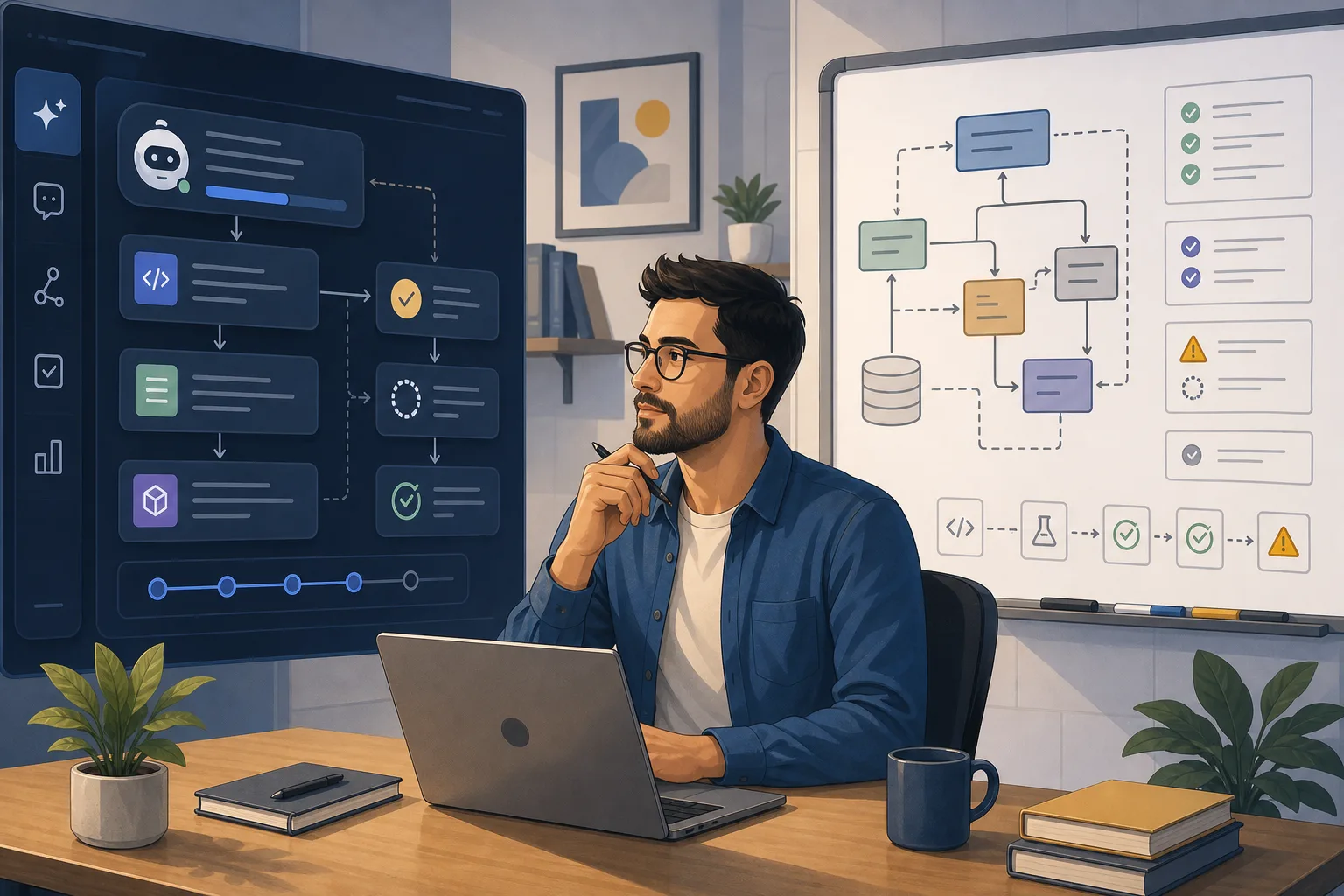
The latest spark came from a Hacker News discussion around Lars Faye's essay “AI Coding will Prevent Expertise,” which frames the risk as a long-term loss of cognitive friction. The thread became lively because it matched what many teams now feel at work. AI can produce more code, more Jira text, more design notes and more review comments than the same team could create manually. The bottleneck moves from writing to understanding, testing, reviewing and owning the consequences.
What the essay gets right
Faye's strongest idea is the “skilled orchestrator paradox.” The people who get the most from coding agents are usually experienced engineers. They know when an agent is making a poor architectural choice, using the wrong abstraction, inventing an API, hiding a migration cost or producing a change that will be painful to maintain. They can ask better questions because they already know what a good answer should roughly look like.
That creates a training problem. New developers are being handed tools that reward expert steering before they have built expert instincts. The agent may make them appear productive sooner, but the appearance can hide missing mental models: how data flows through the system, why a boundary exists, how a failure propagates, what a test actually proves, and why a simple patch may be safer than a broad refactor.
This is not nostalgia for suffering. Developers learned through friction because debugging, reading documentation, deleting wrong code and arguing with constraints forced them to build internal models. Some of that friction was wasteful. Some of it was the apprenticeship. Removing both kinds at once is the risk.
Why Hacker News reacted
The Hacker News discussion split into familiar but useful positions. One side compared AI coding to compilers, IDEs, autocomplete and Stack Overflow. Every generation of tools removes manual effort, and the profession adapts. Nobody demands that application developers write assembly or memorize every library call before using documentation.
The other side argued that AI is different because it can remove the process of reasoning itself. A compiler does not usually hand you a finished architecture. Stack Overflow gave fragments that still had to be understood and integrated. A coding agent can produce a coherent-looking diff, a plausible explanation and a test suite in one pass. That makes acceptance easier even when the engineer's understanding is thin.
Both sides have a point. Tools that remove low-value work are good. Tools that remove feedback loops can be dangerous. The practical question is not whether AI belongs in development. It is which feedback loops a team must preserve so speed does not turn into unreadable output.
The business trap: measuring output instead of understanding
Many companies are tempted to measure AI adoption through visible throughput: more pull requests, faster ticket closure, more generated tests, shorter cycle time. Those numbers can be useful, but only if paired with quality signals. A team can easily generate more code than it can review. The result is a growing surface of code that compiles but is not understood by enough people.
The risk is especially high when leadership treats manual coding as failure. If the message becomes “using AI less means you are slow,” engineers may stop doing the very work that protects the product: reading the diff, questioning requirements, tracing edge cases, rejecting a broad change, or asking why a feature should exist at all.
AI also expands the amount of surrounding work. Product managers can generate longer tickets. Engineers can generate longer design notes. Review tools can generate more comments. The team then spends more time filtering artifacts that sound precise but may not reflect a real decision. Productivity is not the same as artifact volume.
Junior engineers need more than finished answers
The hardest group to protect is junior developers. A senior engineer can use a coding agent as a tireless pair programmer because the senior can challenge it. A novice may use the same tool as an answer machine. The difference is not moral discipline; it is background knowledge.
A healthy AI-assisted learning workflow should make the model expose reasoning, alternatives and tradeoffs before it writes code. Ask it to summarize the current codebase, identify constraints, propose a plan, list risks, and name the tests it expects to fail or pass. Then let the human implement part of the change or at least predict the diff before accepting it. The goal is to turn the agent into a tutor and reviewer, not a vending machine for patches.
Teams should also preserve moments of direct practice. Debugging without AI, reading unfamiliar code, writing a small feature from scratch, and explaining a design in a review meeting are not rituals. They are how developers learn what the agent's answer should be checked against.
The counterargument: AI can be an excellent teacher
It would be wrong to describe AI coding tools only as a threat to expertise. Used well, they can accelerate learning. A developer can ask for a map of a legacy module, examples of an unfamiliar framework, a comparison between two database approaches, or a critique of a proposed test strategy. That is valuable, especially when the alternative is silent confusion.
The difference is in posture. “Write the feature” produces a result. “Explain the system, ask what is ambiguous, propose options, and tell me what could go wrong” produces learning. A team that rewards the second pattern will get more durable value from AI than a team that only counts lines produced.
This also applies outside software. Analysts, lawyers, marketers and support teams face the same pattern: AI can produce drafts faster than people can evaluate them. The question is whether the organization keeps enough domain knowledge to reject a polished but wrong answer.
Do engineers still need to read AI code?
Adam Tornhill's related argument about controlling the “uncertainty machine” adds a useful counterweight. Maybe the goal is not to read every generated line with equal intensity. Mature engineering already relies on abstraction. We trust libraries, compilers, databases and operating systems without reading all of them.
But selective trust requires boundaries. An engineer can choose not to inspect every line only when the system has clear contracts, strong tests, observable behavior, limited blast radius and known architectural invariants. Someone still has to know which invariants matter. If nobody can explain why the change is safe, green tests alone are a weak comfort.
A sensible policy is risk-based review. Small, isolated UI changes can be reviewed differently from authentication logic, payment flows, data migrations, concurrency changes or security-sensitive code. AI-generated code does not need magical suspicion, but it does need ownership.
Auto mode raises the stakes
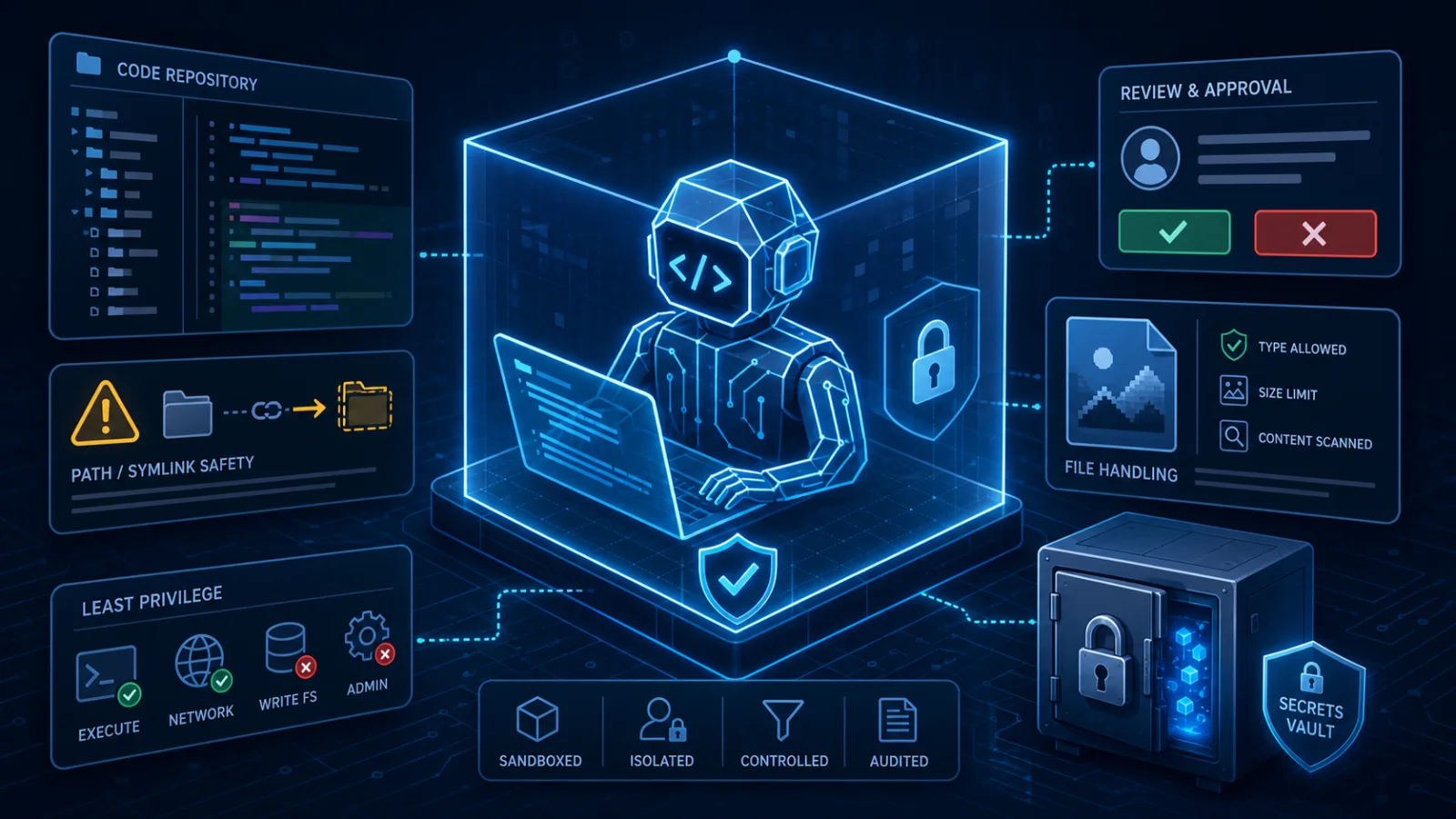
The discussion around Claude Code auto mode shows why this matters now. Lower prompt friction is convenient. Developers do not want to approve every harmless tool call. At the same time, the fewer interruptions an agent creates, the more important it becomes to define the sandbox before work begins.
Teams need explicit boundaries: which directories an agent may edit, which commands it may run, whether it can install packages, whether it can touch migrations, whether it can change CI, whether it can update generated files, and when a human must approve a plan. Autonomy without a policy becomes trust by exhaustion.
The best agent workflows front-load control. The agent investigates first, writes a plan, asks questions, waits for approval on risky actions, then implements in small diffs. That preserves useful friction while removing repetitive typing.
A practical policy for teams
Every AI-assisted change should have a human owner who can explain the intent, risks and rollback plan. The owner may use an agent heavily, but cannot outsource accountability. Pull request descriptions should say what was AI-assisted when that helps reviewers choose depth and risk.
Agents should plan before they code. For non-trivial work, require a short design note or ADR: what changes, what stays out of scope, what tests cover it, what migration or operational risk exists. Large invisible refactors should be discouraged unless the business goal and review strategy are clear.
Tests are mandatory but not sufficient. They should include negative cases, integration behavior and regression checks for the code paths that matter. Reviewers should look for hallucinated APIs, unnecessary abstractions, broad rewrites, hidden state changes, dependency additions and code the author cannot explain.
Training should include no-AI drills. That sounds backward only if AI is treated as a religion rather than a tool. Pilots still train for manual procedures; engineers should occasionally debug, read and design without an agent so the underlying skills stay alive.
Metrics should change too. Measure escaped defects, rollback rate, review load, maintainability, incident causes and time-to-understanding, not only pull-request throughput. If AI makes the graph of shipped code rise while review debt and incidents rise with it, the organization has not become more productive.
The mature position
The right conclusion is not “ban coding agents.” The right conclusion is that AI adoption in software development is an engineering-management problem, not merely a tooling rollout. Agents are powerful when they reduce mechanical work and expand exploration. They become dangerous when they replace the team's ability to judge architecture, risk and maintainability.
The future developer may write less raw code. That can be fine. But the future developer must still understand systems, failures, tradeoffs and responsibility. A team that cannot say “this is the wrong solution even though it compiles” has not gained an AI advantage. It has automated the loss of judgment.
Related articles
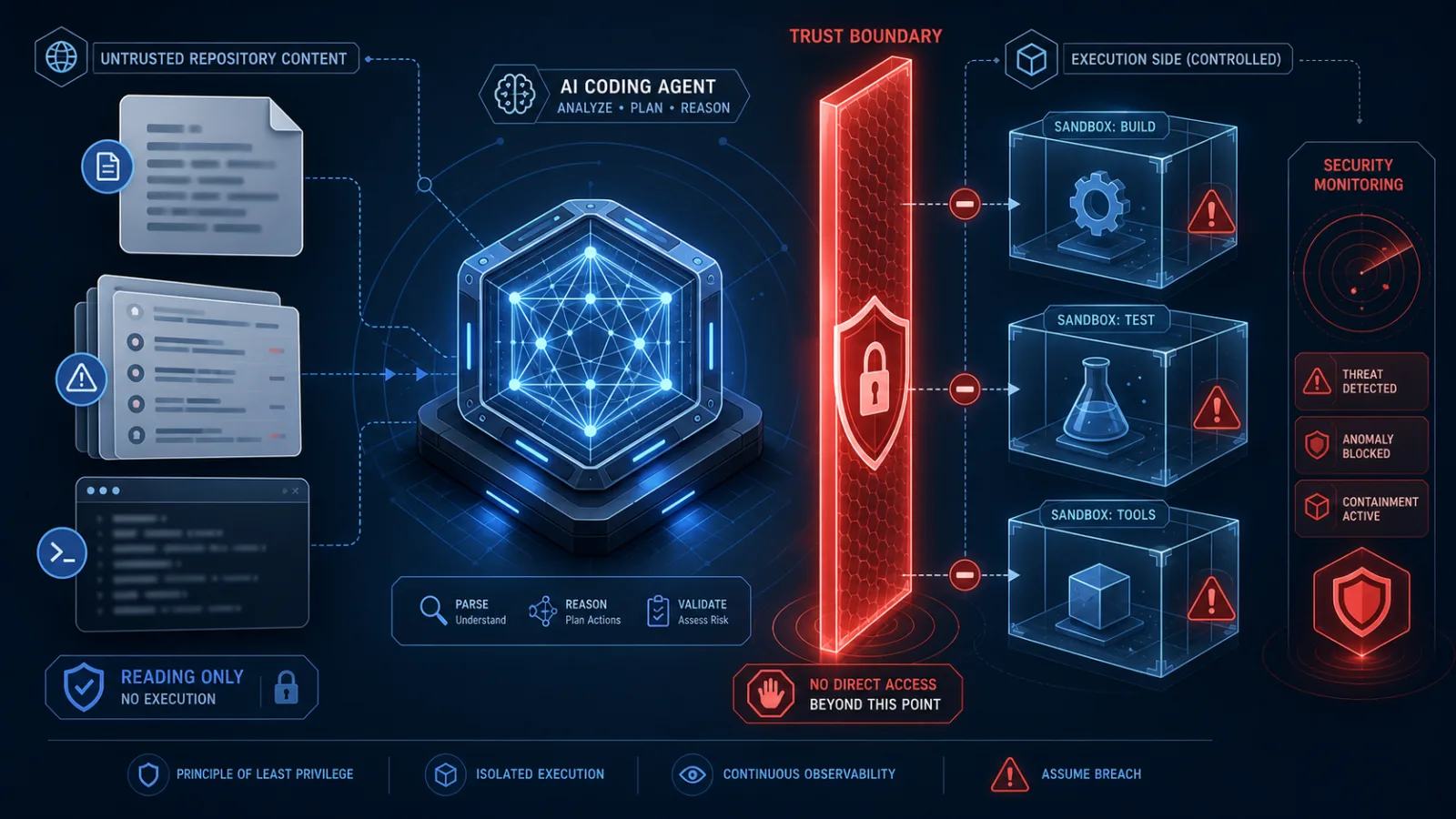
AI agents need trust boundaries before they get a shell
Friendly Fire shows why companies should treat autonomous coding agents as privileged automation, not just smarter chat tools.
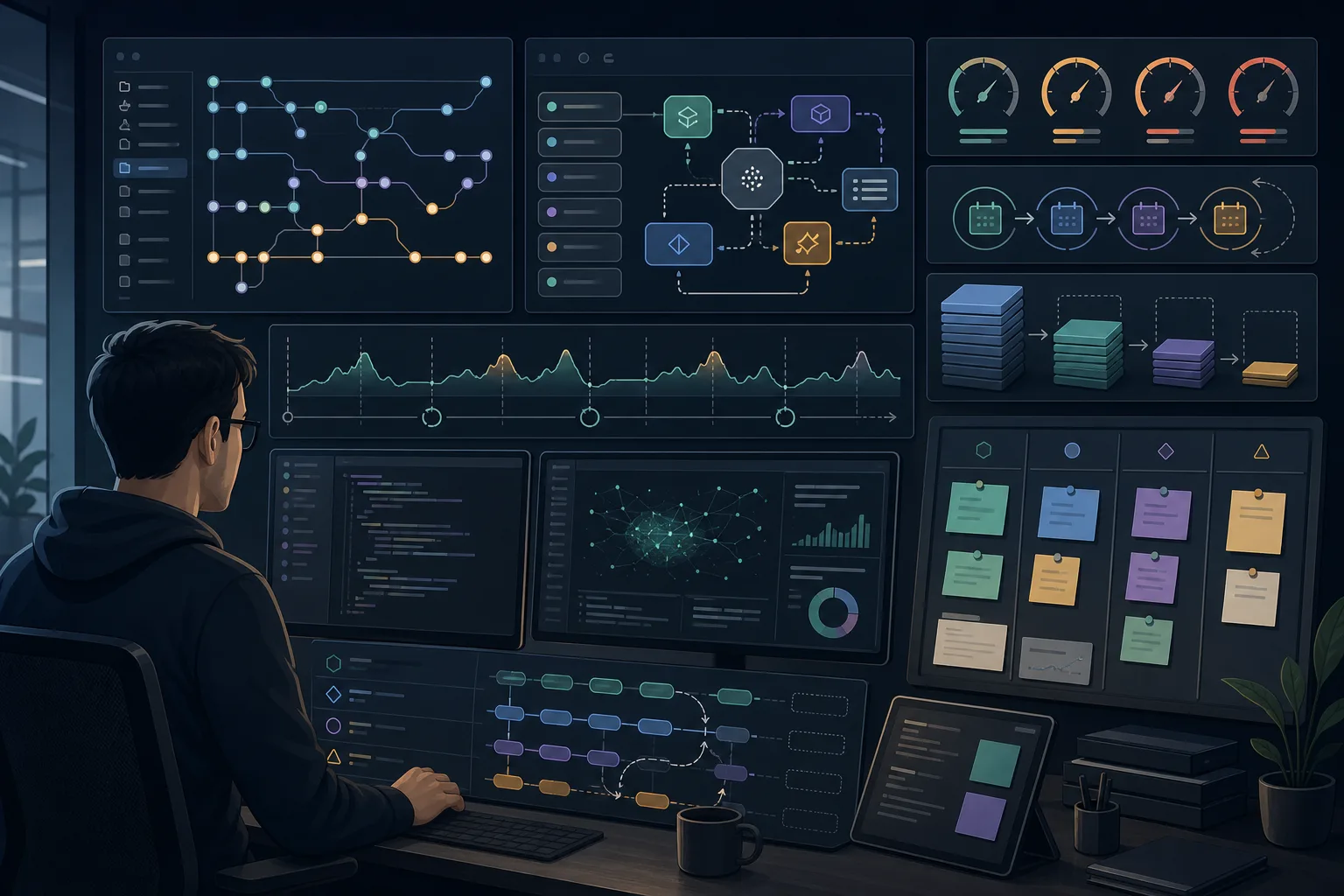
AI coding agents need capacity planning, not surprise quota resets
Codex and Claude Code are becoming engineering infrastructure, but context cuts, 5-hour windows and random resets make teams rethink how they budget and schedule AI-assisted work.
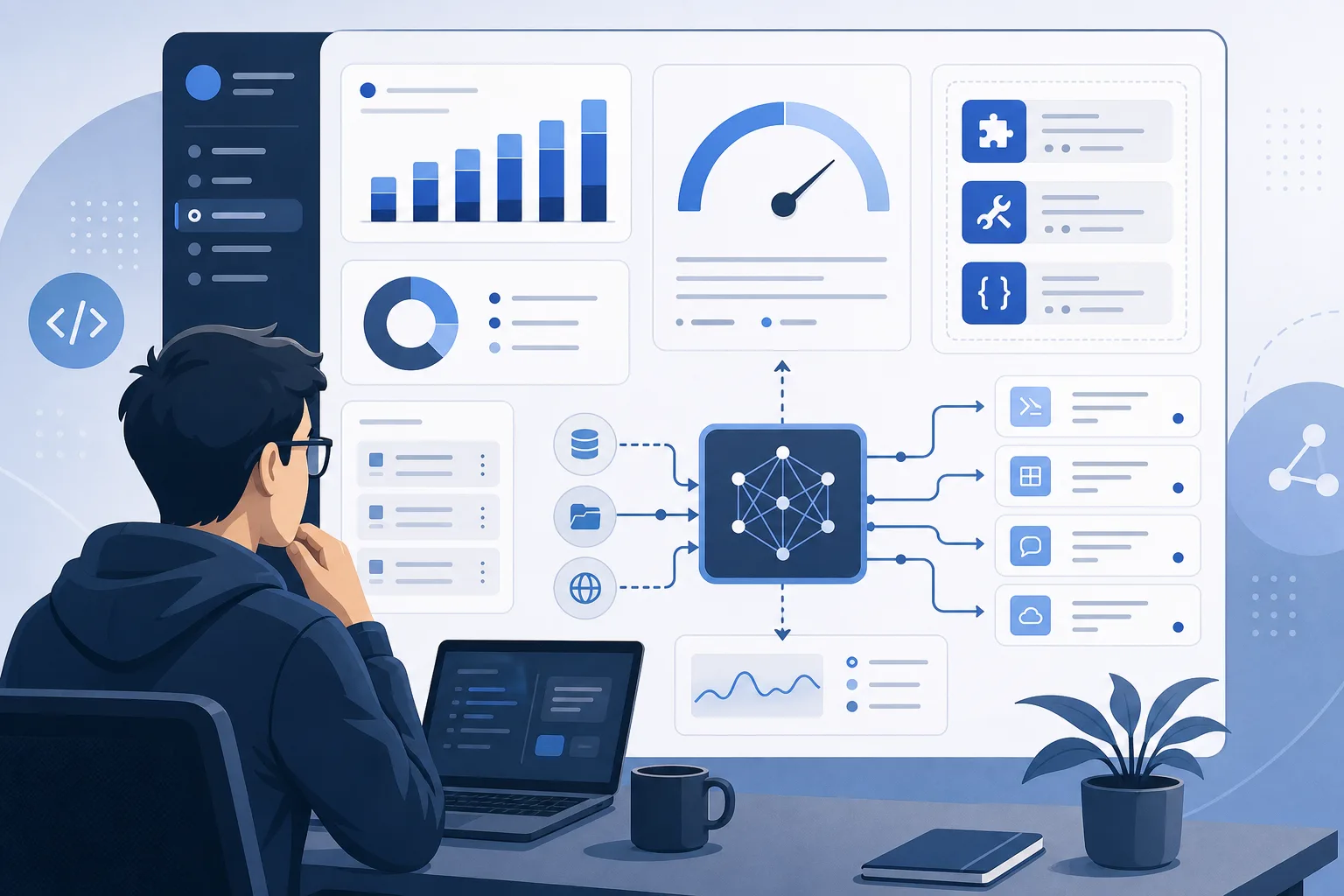
The hidden token tax of AI coding agents
A viral Claude Code versus OpenCode measurement is less about picking a winner and more about making AI development cost visible before it surprises teams.
AI coding agents are useful now. That is why they need security rules
GhostApproval, Friendly Fire and Ghostcommit show that coding agents have become privileged automation, not just smarter autocomplete.
Comments
Sign in to comment.
No comments yet.