Electric Lunch Boxes on AliExpress: What to Check Before You Trust the Heating Claim
Electric lunch boxes are appearing in autumn marketplace trend lists, but the useful question is not whether a listing says “rapid heating.” Check the power system, food-contact materials, heating method and realistic use time before buying.

Electric lunch boxes are having a moment on marketplace trend lists. They promise a warm meal at a desk, in a van or on a work site without needing a microwave. That sounds practical, especially in places where packed food normally has to be eaten cold.
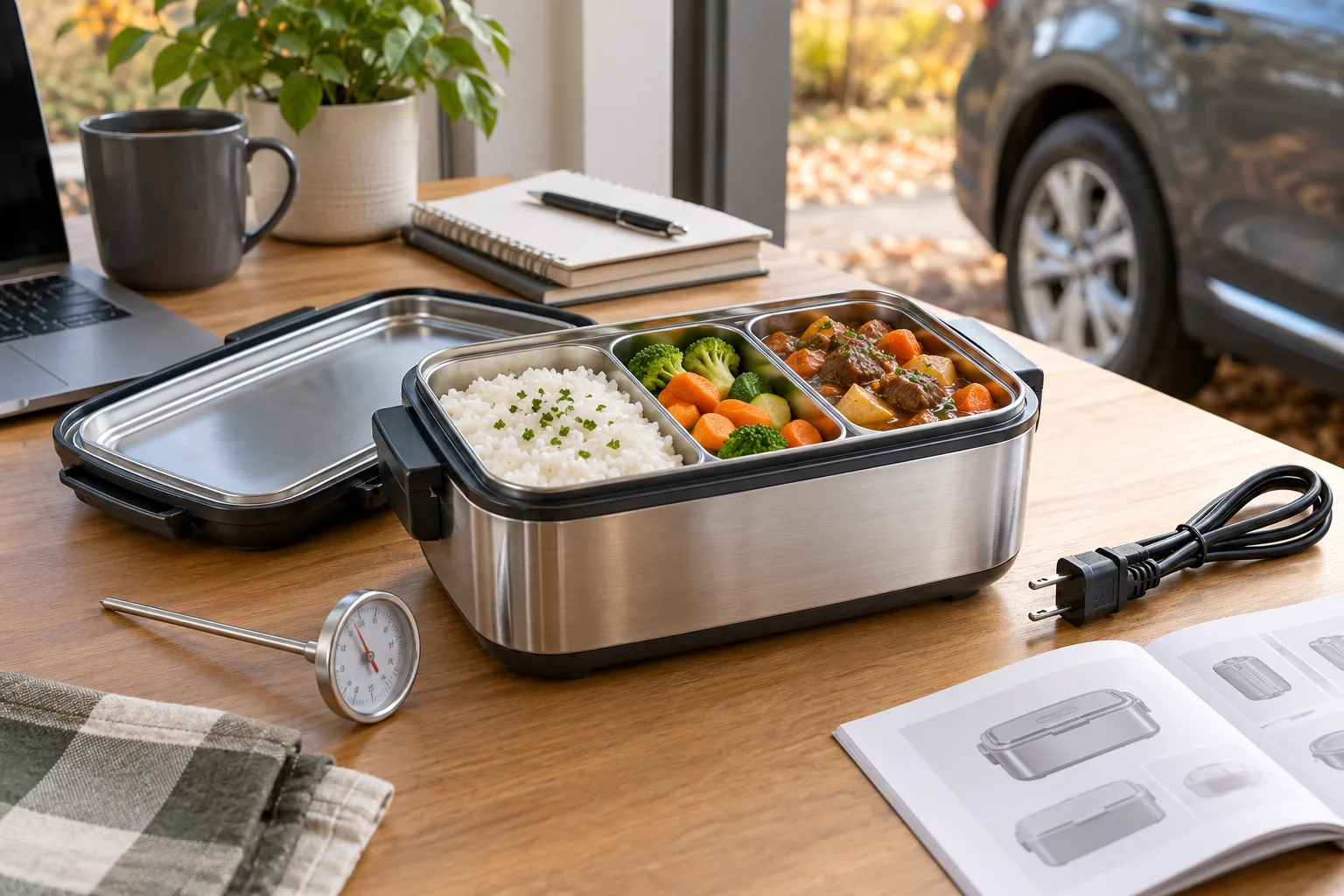
The catch is that this is not just another plastic storage container. It combines a food-contact vessel, a heating element, a mains or vehicle power supply and, in many designs, a lid that traps steam. A weak listing can therefore fail in several different ways: it may heat slowly, warm unevenly, use an unsuitable plug, provide vague information about the inner container or imply that it cooks food when it is really only a low-power warmer.
The category is showing up in seasonal AliExpress product roundups alongside electric lunch boxes and other autumn or winter household items. That makes it worth examining, but not as an automatic bargain. A search result or sales badge does not tell you whether the product fits your outlet, your commute or your food-safety routine.
First decide whether you need warming or cooking
Most inexpensive electric lunch boxes are better understood as warmers. Their job is to raise the temperature of already cooked food. They are not necessarily designed to boil water, cook raw meat, thaw frozen meals quickly or replace a microwave.
That distinction is often hidden behind words such as “steam heating,” “fast cooking” or “portable cooker.” Read the manual or the technical section for the actual operating instructions. One marketplace manual for an electric lunch box tells the user to place food in the container, add water to the base and avoid running the unit empty. It also specifically warns that the appliance is for heating food and not for boiling water. Those details matter more than a headline claiming rapid heating. The product manual
A proper use case is cooked rice, pasta, stew or vegetables placed in the supplied container and warmed while the appliance is plugged in. A poor use case is a frozen block of food that needs to be safely cooked through during a short lunch break. Low-power devices can take much longer than the listing photographs suggest, especially when the food starts cold and dense.
The power specification is the first serious filter
Do not buy until the listing makes the power arrangement clear. Look for four separate details:
- input voltage for the wall version;
- whether the package includes a compatible plug or only an adapter;
- whether the car cable is 12V, 24V or both;
- rated power in watts for each operating mode.
A product advertised as “12V/24V/220V” may be a family of variants rather than one universal appliance. Some listings let the buyer choose a cable or voltage option from a drop-down menu. Others show several cables in the product photos but include only one in the selected package. Save a screenshot of the exact variant and its included accessories before ordering.
The car claim also needs a reality check. A 12V lunch box designed for a vehicle socket is not automatically suitable for a USB power bank, a USB-C charger or a domestic outlet. An 80W load at 12V draws roughly 6.7 amps before accounting for losses. That may be acceptable for a suitable vehicle socket, but it is not something to connect through an unknown adapter or a thin multi-socket accessory.
For mains use, inspect the plug rather than assuming that an adapter makes the product safe. A serious safety report published by the UK Office for Product Safety and Standards concerned an electric heated lunch box whose plug and earthing arrangement created a fire risk. The product was rejected at the border and destroyed. That report concerned a specific model, not every lunch box on a marketplace, but it shows why a cheap heating appliance deserves more scrutiny than a passive food container. UK product safety report
A separate European alert described an electric heating lunch box with a socket design that could leave a live part accessible if the wrong cable was used. The listed corrective action was to stop using the product and contact the seller. Again, this is not proof that an entire product category is unsafe. It is a reminder to avoid units with loose cables, unexplained connector types or instructions that do not match the photographs. French recall notice
“Stainless steel” is not enough information
Many listings lead with a stainless-steel inner tray. That is useful, but it does not answer every food-contact question. Check whether the steel container is removable, whether the lid is intended to touch food, whether the plastic insert is marked for hot food and whether the parts can actually be washed without wetting the electrical base.
A product manual should explain which parts may be immersed, whether the container is dishwasher-safe and whether food must be heated only in the supplied vessel. If the listing says “food grade” without identifying the material or providing care instructions, treat that as incomplete information rather than a certification.
The same applies to microwave claims. A removable plastic tray may be microwave-safe, but the complete electric lunch box is not a microwave appliance. Never put the powered base in a microwave, and do not assume that an unmarked plastic container can be heated simply because it fits inside one. Food-safety guidance from Singapore’s Food Agency and the U.S. Department of Agriculture both warn that containers intended for cold storage are not automatically suitable for heating; unsuitable plastics can warp and may allow chemicals to migrate into food. Singapore Food Agency guidance USDA guidance
Look for a clear temperature or use statement, not just a close-up photograph of a metal tray. A removable stainless-steel container is a positive sign, but it does not replace a complete manual or a traceable manufacturer specification.
Heating time is where the bargain often changes character
The most useful buyer question is not “How hot does it get?” but “How long will my usual meal take?” Heating time depends on the starting temperature, portion size, water level, container shape and whether the food is stirred. Thick food warms more slowly than soup. A dense portion from the refrigerator may remain cool in the centre while the edges become hot.
Some manuals for comparable products quote roughly 25 to 40 minutes for heating, with longer times for chilled food. User reports for other low-power electric lunch boxes describe much longer sessions for frozen or dense meals, sometimes several hours. That does not mean every model performs badly. It does mean that a listing photo showing a steaming meal should not be treated as a timing guarantee. Example instruction manual User discussion
Before buying, match the device to your routine:
- If you have an outlet at your desk and can plug in before lunch, a slow warmer may be adequate.
- If you have only 15 minutes, a low-wattage box is probably the wrong tool.
- If you want to heat frozen food, look for explicit instructions and a reliable way to check the centre temperature.
- If you need to warm food in a moving vehicle, confirm that the vehicle socket can supply the stated load and that the unit is stable while operating.
A timer, thermostat or automatic shut-off is useful, but do not interpret it as proof that the food has reached a safe temperature. It controls the appliance; it does not measure every part of the meal.
Food safety still starts before the lunch box is switched on
Heating cannot repair every storage mistake. Perishable food should be kept cold until it is time to reheat it, or kept properly hot. Guidance from the Government of Quebec recommends keeping chilled food at 4°C or below and reheating leftovers to an internal temperature of 74°C. It also recommends using a thermometer rather than relying on the outside of the container. Quebec food-safety guidance
That is important because an electric lunch box may spend hours warming gradually. A device that turns a cold meal lukewarm is not necessarily making it safe to eat. If you are packing meat, eggs, dairy or rice, keep the food refrigerated until departure where possible, use an insulated cold bag when the journey is long and reheat it thoroughly when you have access to power.
Do not seal a steaming meal in a container that the manual describes as non-hermetic. Steam needs a controlled outlet, and pressure can build if the lid is locked too tightly. Follow the fill line, keep vents clear and open the lid away from your face. Let the appliance cool before cleaning, and keep the cord, plug and heating base away from water.
Reviews are useful for the right questions
Photo reviews can reveal things that the specification table hides: the actual plug, the thickness of the inner tray, the size of the portion, the cable length and whether the lid leaks. They can also reveal a mismatch between the listing title and the delivered variant.
Use reviews to test a shortlist, not to replace the manual. Look for several independent buyers who show the product in use and mention the food starting temperature and heating duration. A review saying “works great” is weak evidence unless it explains what was heated, how long it took and where the appliance was plugged in.
Be cautious with ratings that combine different capacities, colours or voltage versions. A 1.5-litre domestic model and a smaller 12V travel version may share one review score even though their cables and performance differ. Read the low and middle ratings first: those often identify loose lids, weak hinges, poor seals, inaccessible cleaning areas or a cable that becomes hot.
Who should consider one, and who should skip it?
An electric lunch box can make sense for someone with a reliable outlet, a predictable meal routine and enough time to warm food slowly. It may also suit a driver who has a compatible 12V socket and wants to warm food rather than cook it. The strongest reason to buy is convenience in a location without a microwave.
Skip it if you need fast reheating, precise temperature control, easy one-handed cleaning or dependable cooking from raw ingredients. Also skip listings that hide the voltage, show several plugs without identifying the package contents, use vague “food-grade” language without care instructions or provide no readable manual.
For many people, a well-insulated food flask is the simpler alternative. It has no electrical cord, no plug compatibility problem and no heating base to clean. If you can access a microwave, a clearly marked microwave-safe container may be more flexible. The electric lunch box earns its place only when the outlet problem is real and the slower heating process fits your day.
A practical checkout checklist
Before pressing the order button, confirm the exact variant and save the product page. Then check:
- The appliance is described as a warmer or cooker in terms you can verify in the manual.
- Wall voltage, vehicle voltage, wattage and included cables are all explicit.
- The plug and connector match your intended outlet without relying on an improvised adapter.
- The food container is removable, washable and identified for hot-food use.
- The listing explains water, fill level, ventilation and cleaning requirements.
- Reviews show the real product and report heating time for food similar to yours.
- The seller provides a readable manual and a clear method for handling a faulty unit.
If several of those answers are missing, the low listing price is not the main issue. You are buying an appliance whose limitations are unknown. A modest, clearly specified warmer is usually a better marketplace find than a cheaper box decorated with claims about rapid cooking, smart temperature control and universal power support.
Related articles
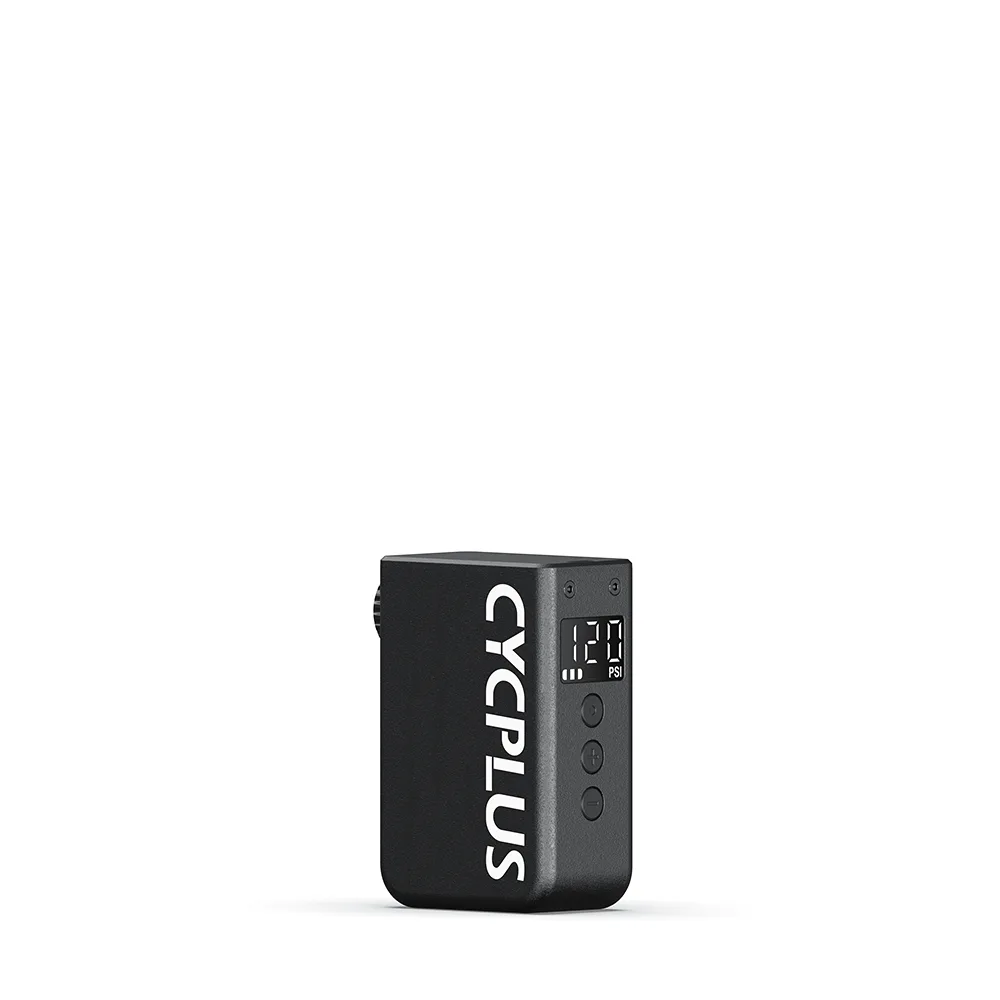
Tiny electric bike pumps from AliExpress: useful ride backup or rechargeable gimmick?
A practical buyer check for 120–150 PSI mini inflators, with valve, battery, heat and backup-plan caveats before you trust one on a ride.

Plitvice Lakes after 3 p.m.: when the cheaper September ticket saves money and when it costs more
Use the €25 September entry only after checking the entrance, boats, panoramic vehicles and ride home; otherwise the €40 morning ticket may be the cheaper trip.


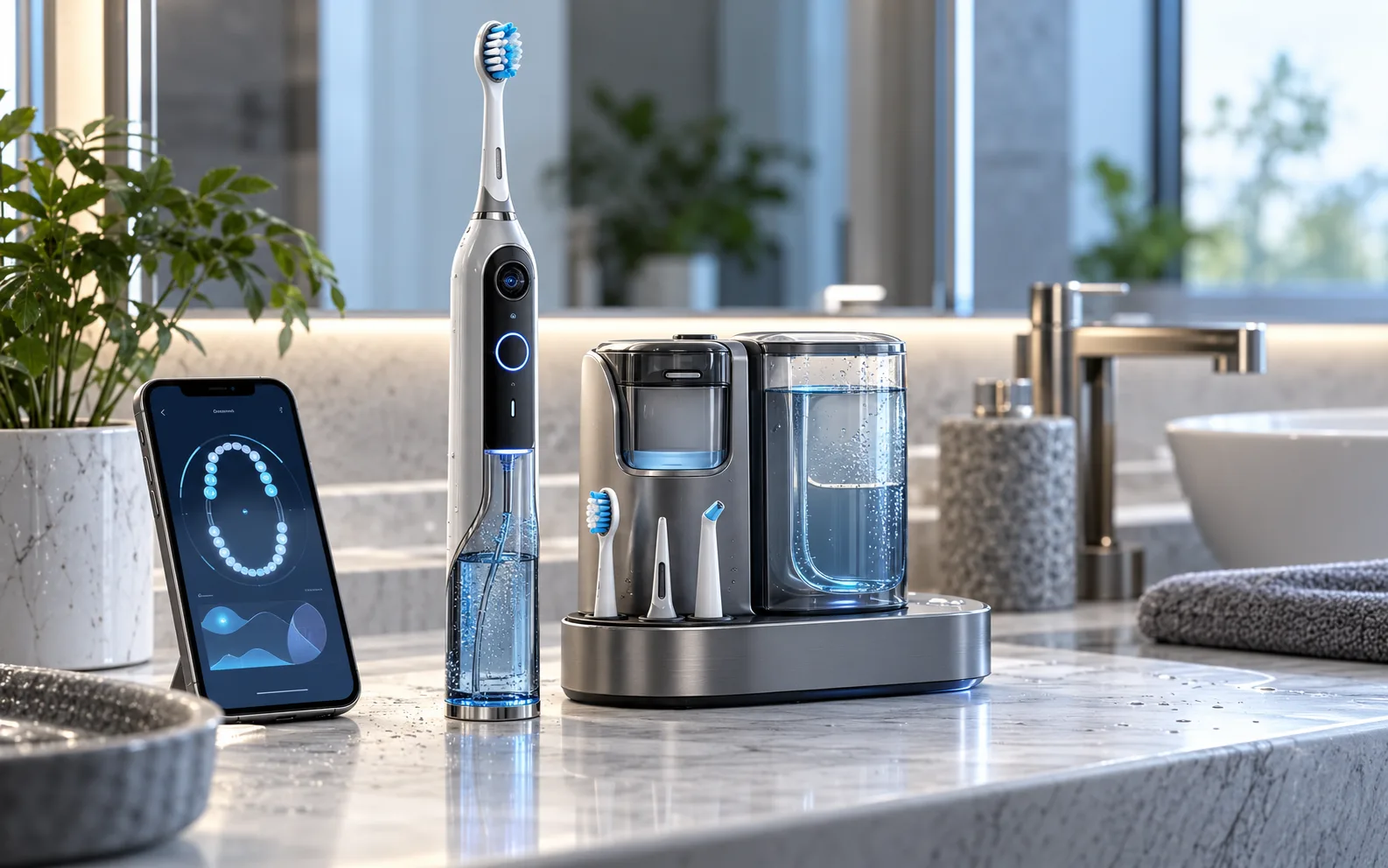
Should You Buy the Dyson CameraJet? The $500 Toothbrush Needs a Reliability Pause
Dyson’s CameraJet combines sonic brushing, mouthwash jets, a camera and app guidance, but early component failures and a temporary supply interruption change the buying decision. Here is who should wait, who might still consider it, and what to check first.

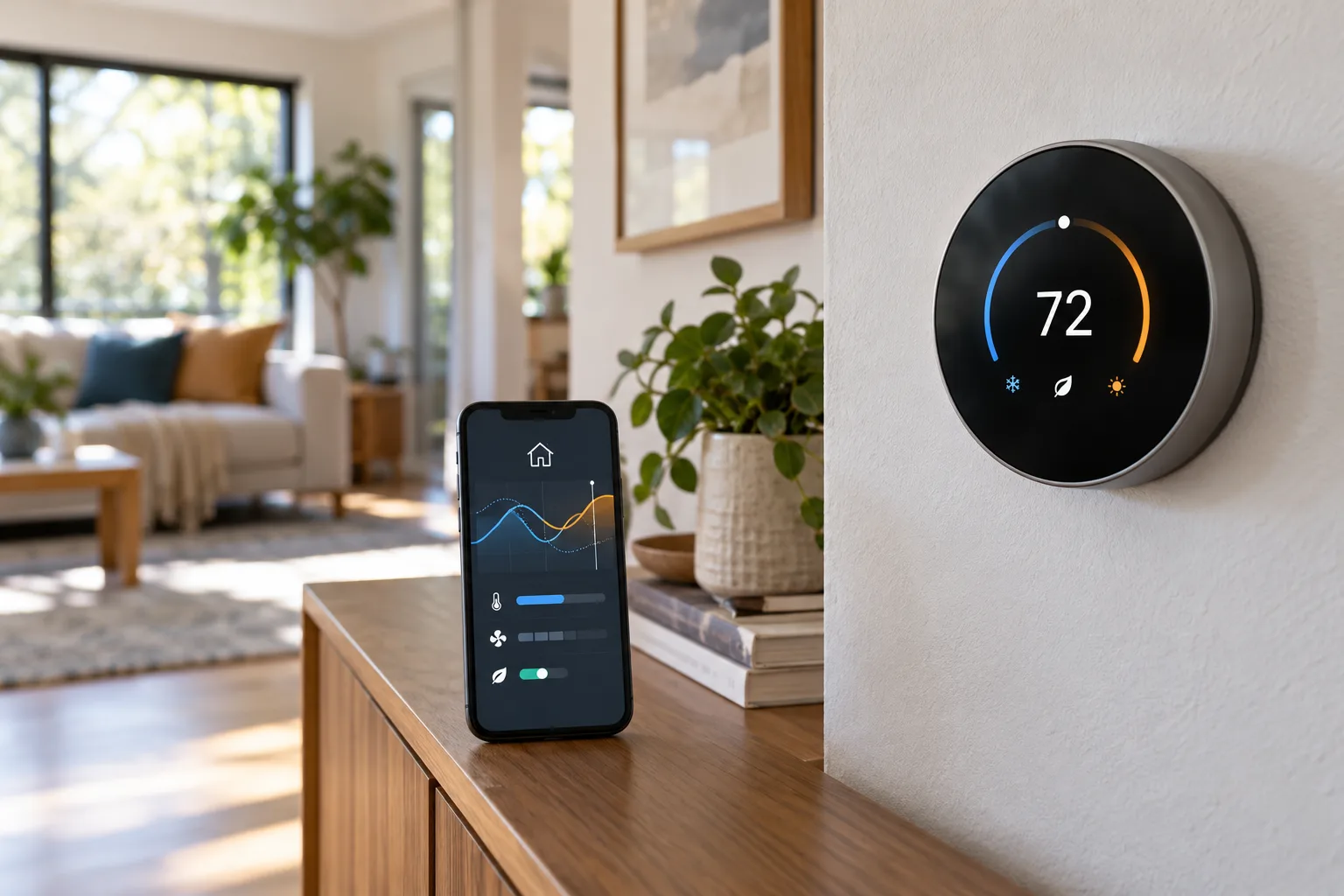
Honeywell’s Apple Home Update Is a Thermostat Compatibility Check, Not a Reason to Replace It
Resideo plans a Q1 2027 update for selected Honeywell Home thermostats, adding Apple Home’s Adaptive Temperature and Clean Energy Guidance features. Before buying new hardware, owners should verify model, HVAC compatibility, Matter support, and regional limits.
Comments
Sign in to comment.
No comments yet.