Smarter Home
Latest publications
Home Assistant’s New Marketplace Replaces HACS: What to Audit Before You Install More Community Code
Home Assistant 2026.11 moves HACS into the built-in Marketplace. The migration is designed to be automatic, but the security boundary has not changed: community code still runs inside your home system. Here is what to check before treating the new catalog like an app store.
Home Assistant 2026.11 Changes How Devices Are Named: What to Audit After Updating
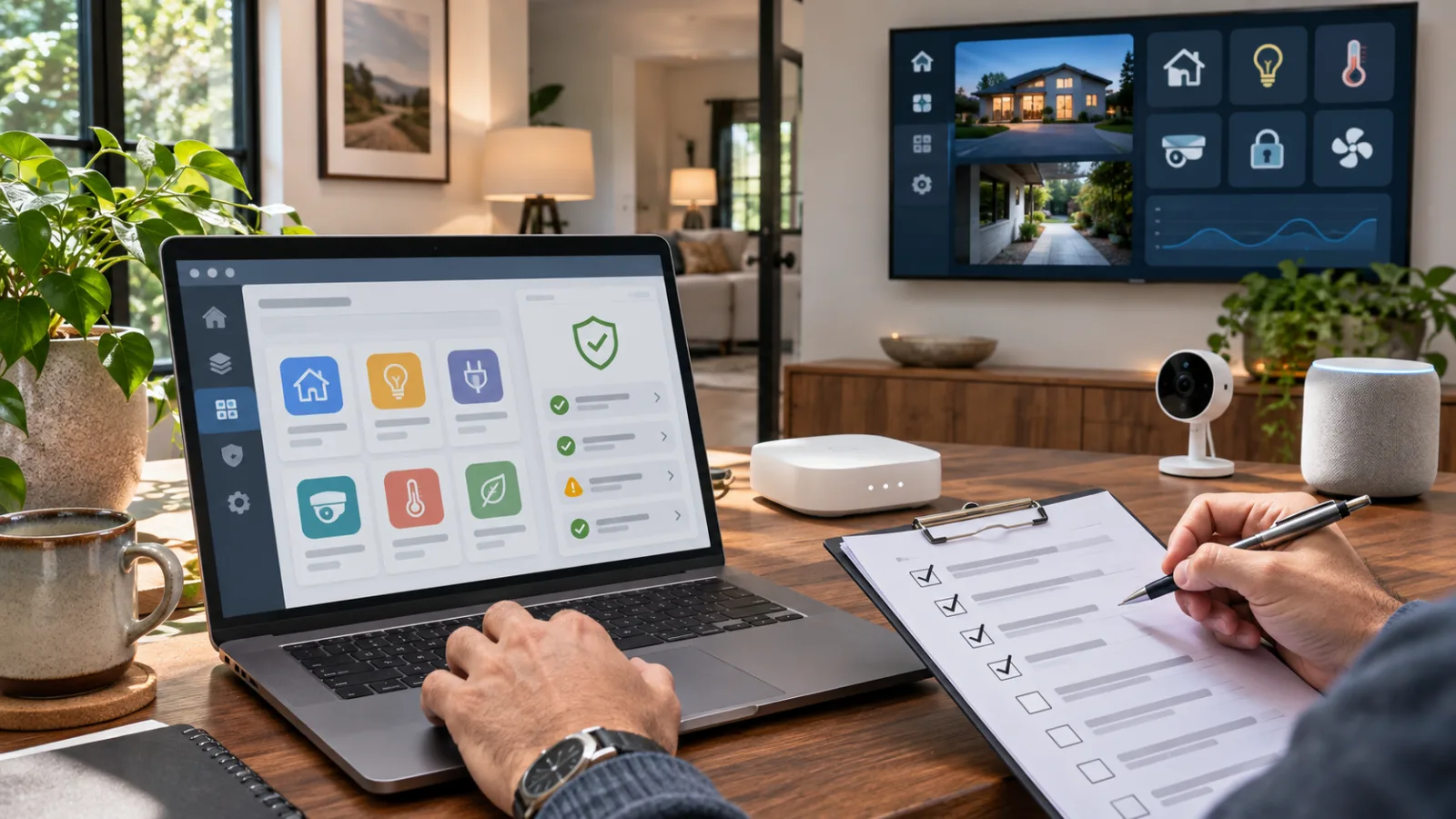
Home Assistant 2026.11 keeps entity IDs and automations intact while changing displayed names, child-device structure, custom-card behavior, and template guidance. This practical audit explains what households should check before assuming everything migrated cleanly.
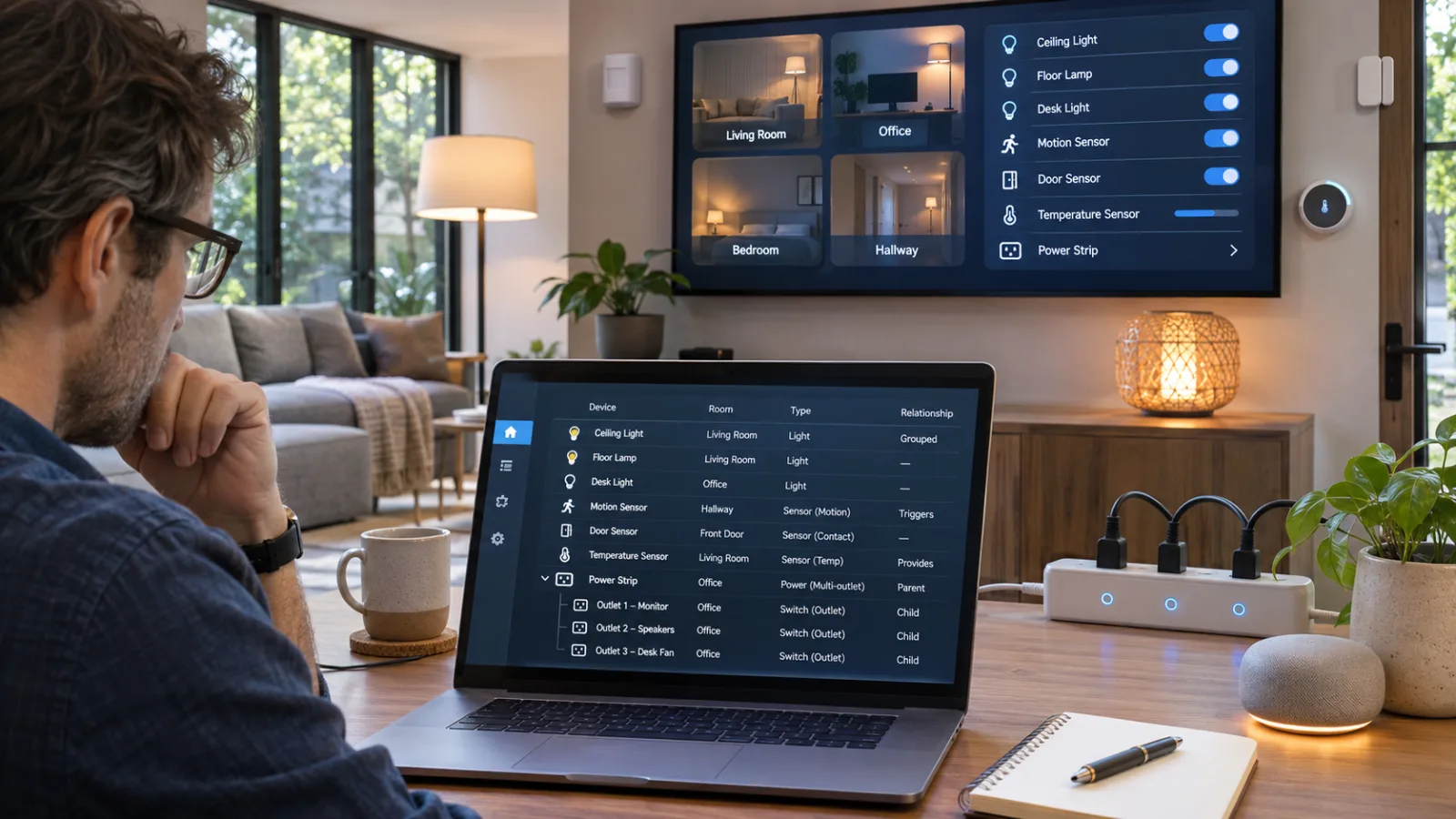
Google Home’s Matter Energy Update Is Useful for Monitoring, Not Yet a Whole-Home Energy System
Google Home can now show power and cumulative energy for compatible Matter plugs and monitors on Android. The practical question is what the update can measure, automate, and replace—and where a dedicated energy system is still necessary.
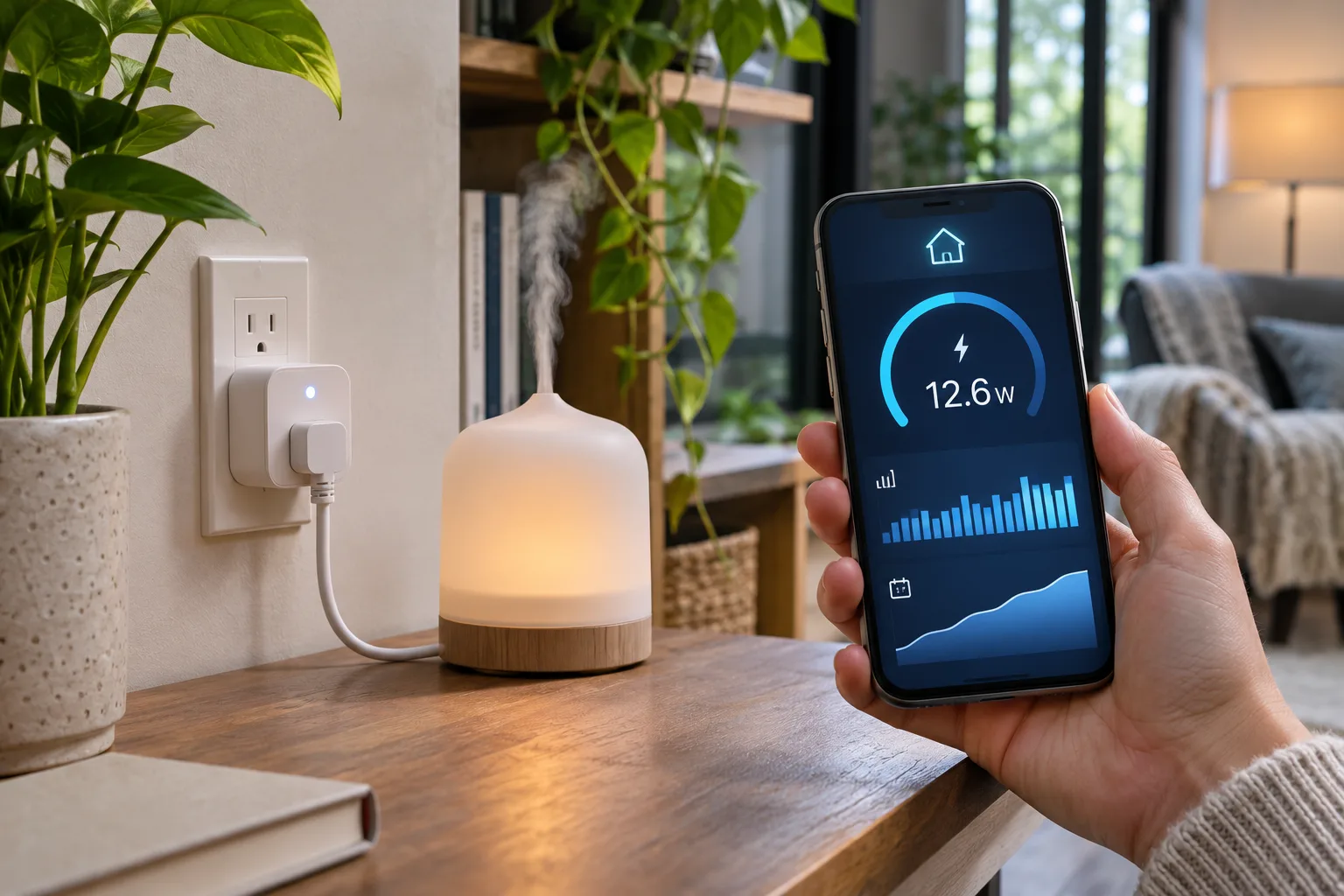
Amazon’s New Echo Dot Is a Smart-Home Hub and Eero Extender—Audit the Trade-Offs Before You Buy
Amazon’s 2026 Echo Dot combines Alexa, Zigbee, Matter, Thread, and eero Wi-Fi extension in a $99.99 speaker. The useful question is not whether it replaces a hub, but which parts of your existing setup it can safely simplify.
Apple HomeView Needs a Household Privacy and Compatibility Audit Before It Becomes Your Home Dashboard
Apple HomeView’s appeal is a shared screen that knows who is standing in front of it. The practical question is whether your household, devices, network, and privacy expectations fit its authentication model before the $299 display arrives.

Honeywell’s Apple Home Update Is a Thermostat Compatibility Check, Not a Reason to Replace It
Resideo plans a Q1 2027 update for selected Honeywell Home thermostats, adding Apple Home’s Adaptive Temperature and Clean Energy Guidance features. Before buying new hardware, owners should verify model, HVAC compatibility, Matter support, and regional limits.
Shelly Presence Gen4 Is a Room Trial, Not a Matter Shortcut
Shelly’s Presence Gen4 brings mmWave occupancy sensing, Matter over Wi‑Fi, Zigbee, and ten configurable zones to a small USB-powered device. The useful buying question is not whether it says Matter, but whether your room, network, and automation platform can use its presence data reliably.

Matter over Thread Is Local by Design, but Not Automatically Internet-Free
Matter over Thread can keep many commands on the home network, yet the Thread Border Router also connects that mesh to Wi-Fi, Ethernet, and potentially the internet. Here is how to check what your devices can reach before assuming “local” means private.
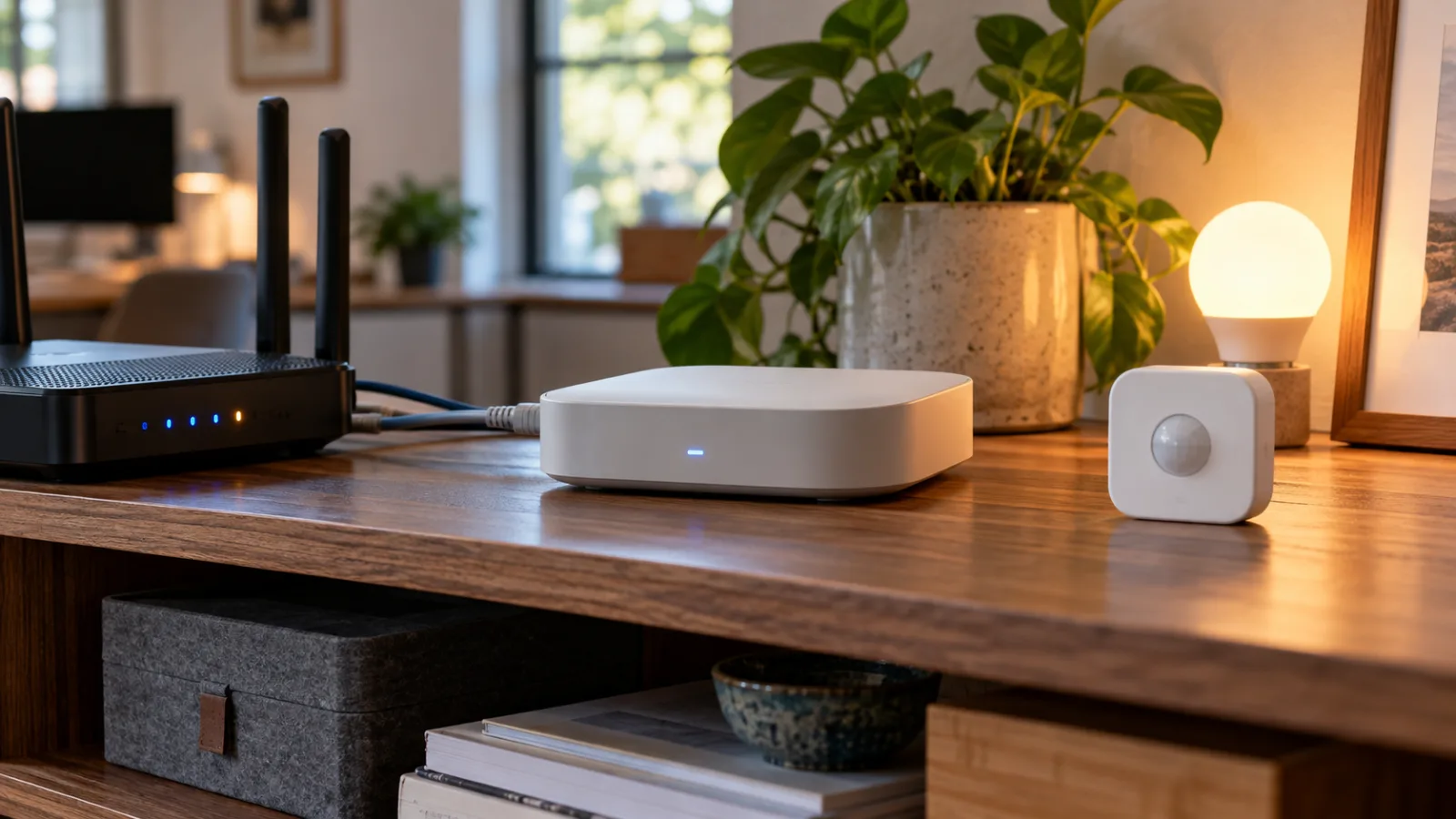
Google’s Old Home and Nest Speakers Are Getting a Firmware Test: What Owners Should Check
Google is testing firmware 3.79.550760 for several older Home and Nest speakers. Here is what the build covers, who should wait, how to check eligibility, and how to test an updated speaker without putting essential routines at risk.
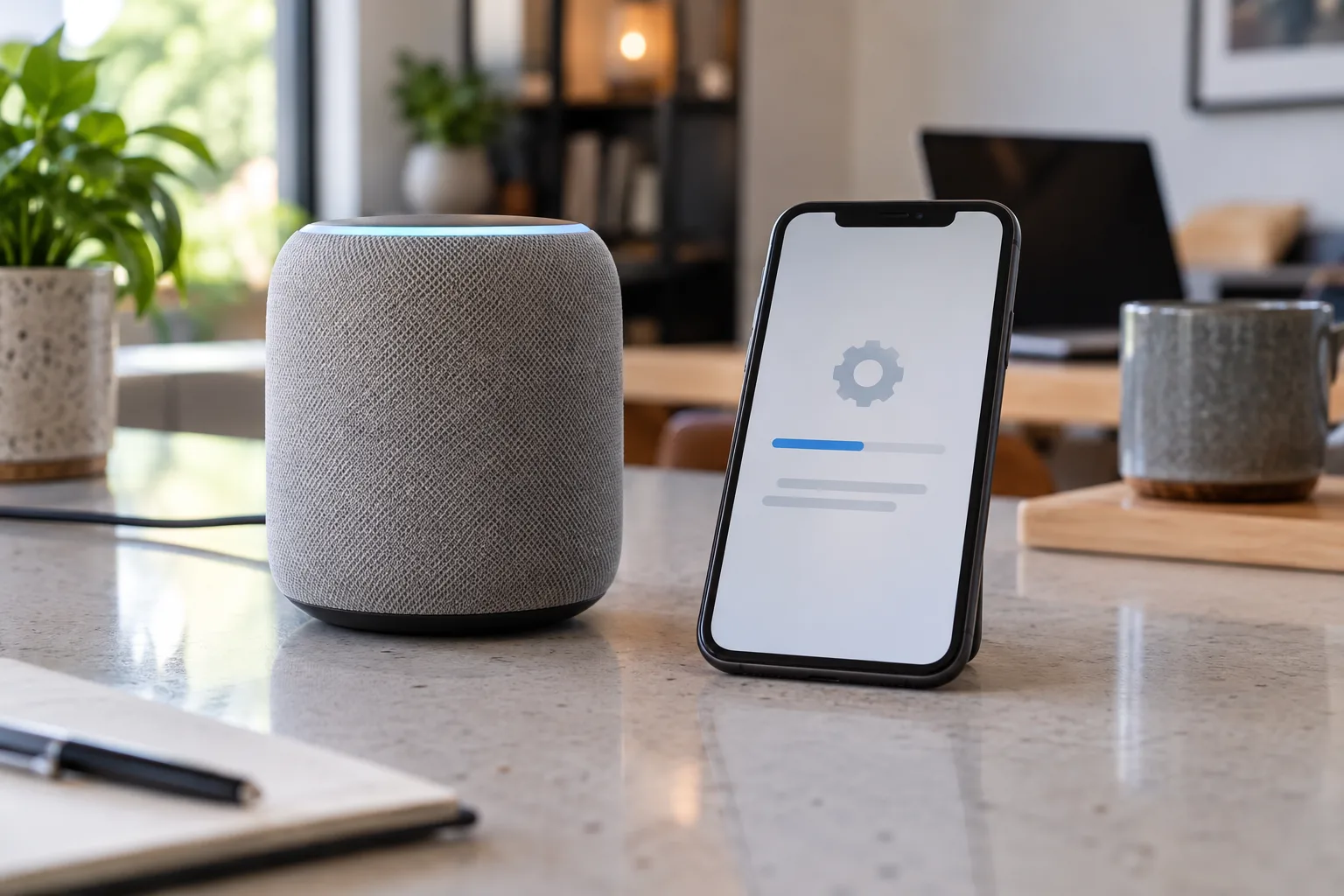
Google Home’s Philips Hue Matter Upgrade Improves Local Control—But It Does Not Replace the Hue Bridge
Google Home is beginning to move Philips Hue control from cloud-linked commands to local Matter control. Here is what changes, what still depends on your network and bridge, and how to check the upgrade without rebuilding your lighting setup.

Apple HomeView Is a $299 Smart-Home Hub, Not a Reason to Rebuild Your House
Apple’s new HomeView brings a 7-inch display, Siri AI, cameras, and Apple Home controls to a $299 household hub. The practical buying decision depends on compatibility, privacy, network reliability, and whether a shared screen solves a real problem.
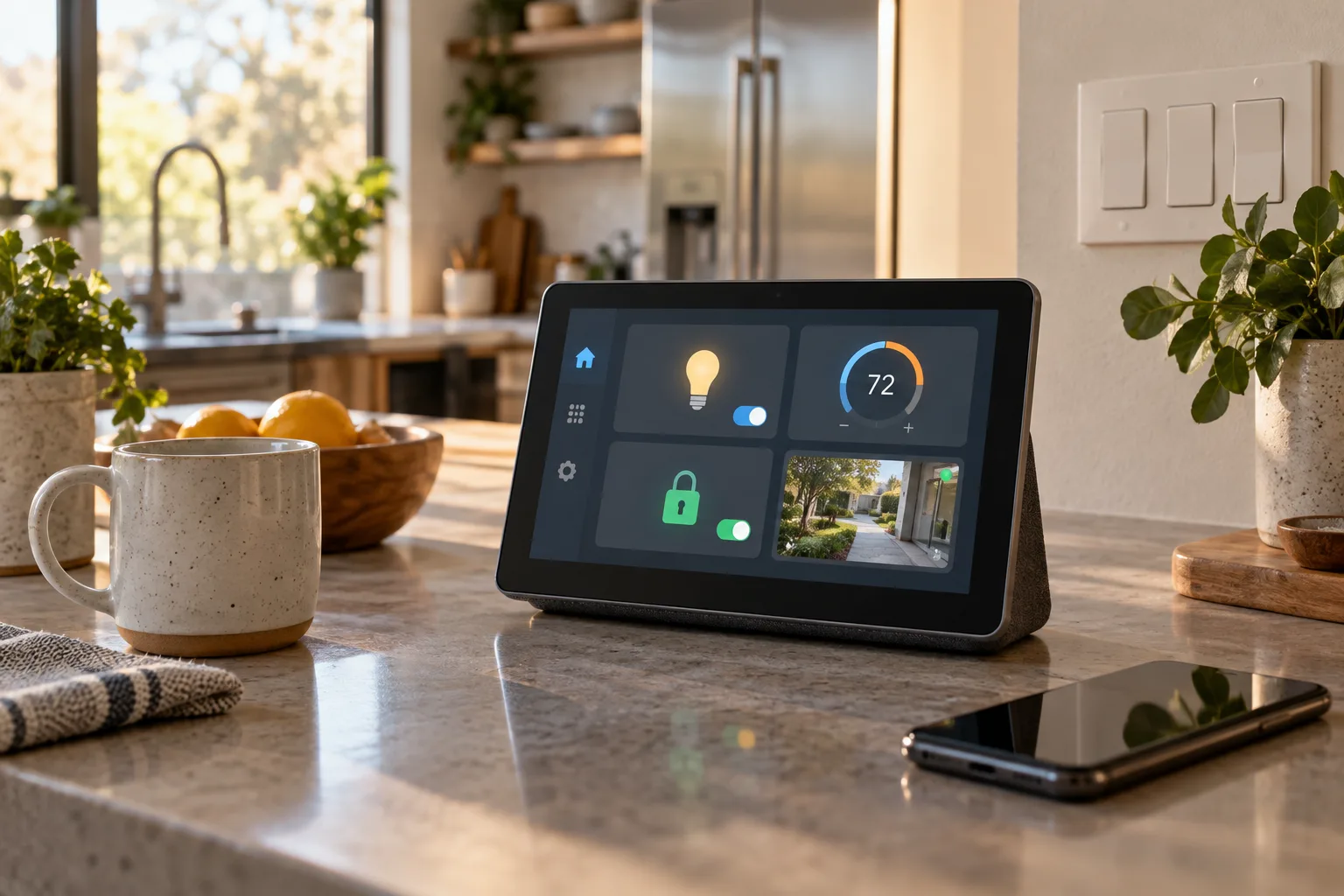
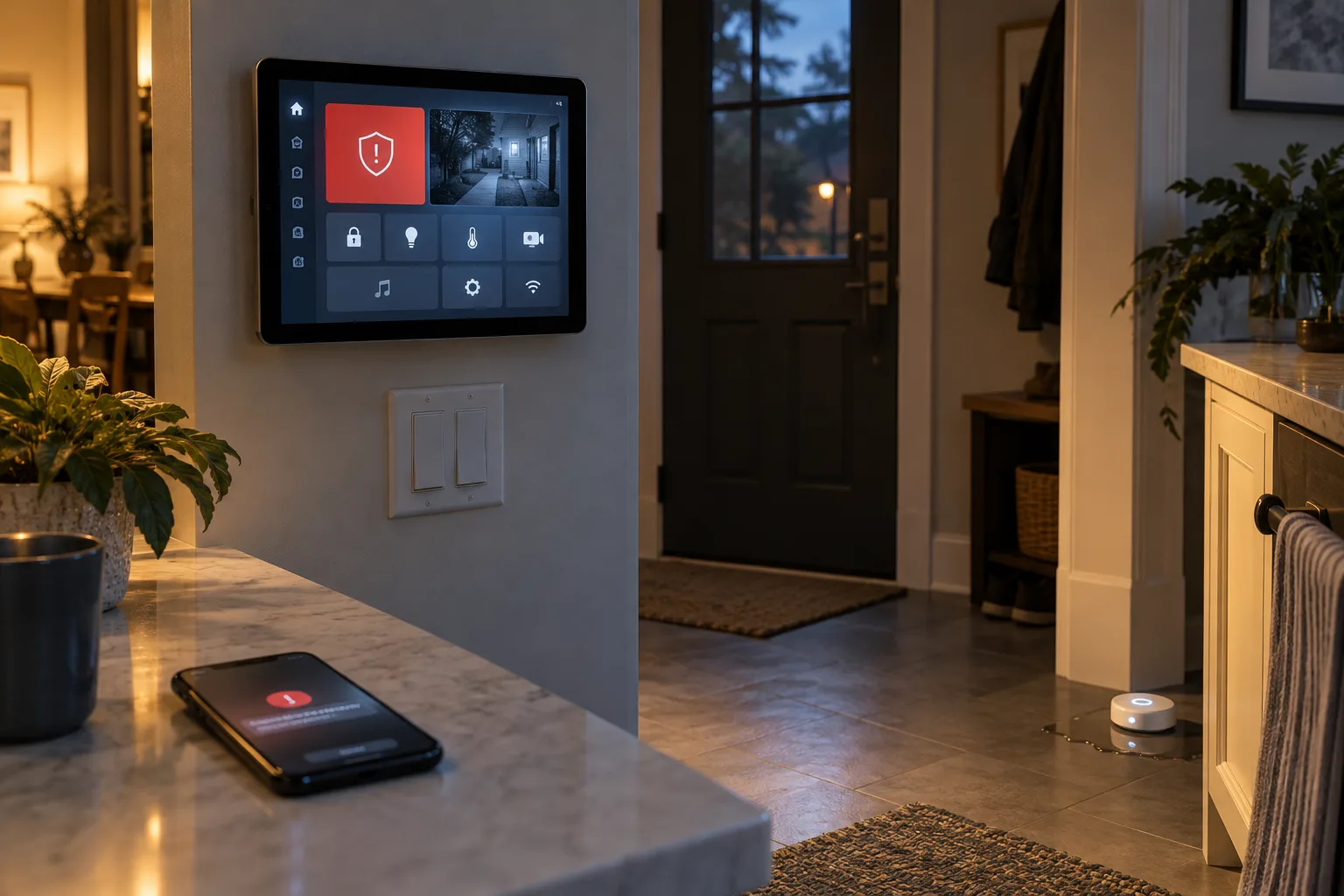
Home Assistant 2026.10 Puts Security Alerts on the Main Dashboard: Build a Response System That People Will Actually Use
Home Assistant 2026.10 surfaces configured Security dashboard alerts on the main Home dashboard. The useful upgrade is not another warning tile, but a clearer way to decide what deserves interruption, who responds, and what happens when sensors or notifications fail.