Beef tallow for your face: budget moisturizer or overpriced viral balm?
A practical ingredient check for anyone tempted by tallow balm, with cheaper occlusive and moisturizer comparisons before you spend.

Social feeds can make beef tallow balm sound like the simplest possible answer to a dry, tight face: old-fashioned fat, fewer “chemicals,” no luxury counter, and a jar that feels more honest than a serum with a long ingredient list. That story is appealing, especially when a tiny prestige moisturizer costs more than a week of groceries. The useful question, though, is not whether tallow is fashionable or shocking. The useful question is what the balm is actually doing on skin, what the whole formula contains, and whether a cheaper, less viral product already does the same job with fewer trade-offs.
The short budget verdict
Beef tallow balm is best understood as a heavy, mostly oily balm. In a cosmetic routine it may act as an emollient, because fats can make the surface feel smoother, and as an occlusive, because a greasy film can slow water loss from the outer layer of skin. That is not the same as saying it is a complete moisturizer, a treatment for a diagnosed condition, a substitute for sunscreen, or automatically better than petrolatum, glycerin lotion, dimethicone cream, mineral oil, squalane, shea-butter balm, or a drugstore moisturizer with ceramides and humectants.
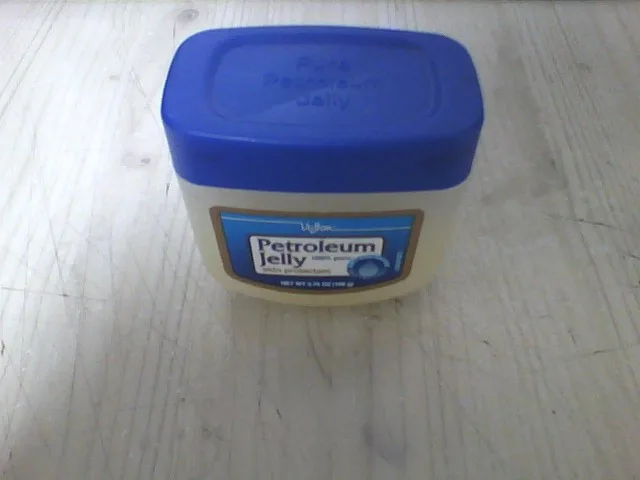
If you only want a cheap occlusive layer on a few dry spots, plain petrolatum or a petrolatum-heavy ointment is usually the first comparison because it is inexpensive, widely available, stable, and simple. If your skin feels dehydrated rather than merely unprotected, a basic fragrance-free moisturizer with glycerin, hyaluronic acid, or other humectants may be more useful than an anhydrous balm. If you dislike grease, lighter formulas with dimethicone, mineral oil, or squalane may be easier to wear. If you want barrier-supporting language, compare ingredient lists and price per ounce in drugstore ceramide formulas before paying a trend premium for animal fat.
That does not mean every tallow balm is foolish. Some people like the texture, the very short label, the animal-derived tradition, or the way a heavy balm feels over damp skin in cold weather. It does mean that “natural,” “ancestral,” “chemical-free,” and “skin-identical” are marketing prompts, not proof of superior value. A budget buyer should treat tallow like any other balm: read the full ingredient list, check fragrance and essential oils, compare cost per amount, patch-test, and skip medical claims.
What beef tallow is in a face balm
Beef tallow is rendered animal fat. In a kitchen it is a cooking fat; in a cosmetic jar it becomes one fatty ingredient among many possible fatty ingredients. A face balm marketed around tallow may also contain olive oil, jojoba oil, beeswax, shea butter, lanolin, essential oils, fragrance, botanical extracts, preservatives, antioxidants, or nothing much besides the rendered fat. Two jars with the same front-label word can behave very differently because the full formula, processing, fragrance system, packaging, and storage are different.
This matters because social posts often talk about tallow as if the ingredient name alone tells the whole story. It does not. A balm can be heavy or elegant, scented or plain, well preserved or small-batch and variable, affordable by the ounce or trend-priced in a tiny jar. A product can call itself simple and still contain irritants for a particular person. Another product can have a longer ingredient list and be easier to use because the formula includes water, humectants, emulsifiers, stabilizers, and preservatives that make it spread evenly and stay consistent.
Dermatology-style moisturization usually involves three broad functions. Humectants such as glycerin help attract and hold water. Emollients smooth the surface and reduce the rough feel of dry flakes. Occlusives leave a film that slows evaporation. A tallow balm sits mostly in the emollient/occlusive corner. That corner can be useful, but it is not the whole map. A greasy seal over skin that is already damp or over a basic moisturizer can feel comforting. A greasy seal on skin that is being over-washed, irritated by actives, or reacting to fragrance may not solve the underlying routine problem.
Why the trend keeps returning
The 2026 news and beauty-service coverage around tallow is not a sign that new proof suddenly made it superior to established moisturizers. It is a sign that the topic is circulating: people are seeing short videos, product pages, dermatologist quotes, “I tried it” articles, and forum questions. Google News results during research showed Cleveland Clinic, NBC Select and other outlets explaining or testing the trend. Reddit search results in skin-care communities show the usual practical questions: will it clog pores, does it smell, is it just a pricey occlusive, can it replace moisturizer, what about dry patches, and why are some boutique jars so expensive?
Those questions are legitimate shopping questions. They should not be answered with influencer certainty. Forum and social discussion are useful here as evidence that readers are confused by the same claims, not as proof that tallow works or fails for everyone. The better approach is to translate the trend into a buying checklist. What function do you need? What product already performs that function? What ingredients make you react? How much does the jar cost per ounce? Will you actually use the texture every day? Is the product making cosmetic comfort claims or disease-treatment claims?
The budget comparison: function before hype
A jar of tallow balm may look cheap if the sticker price is lower than a prestige cream, but budget value is not just the sticker price. Compare price per ounce or per milliliter, how much you need per use, how often you can tolerate it, and whether it replaces anything. A small jar that is too greasy for daytime and too scented for sensitive skin can be worse value than a boring pump bottle used comfortably after every wash.
Plain petrolatum is the strictest budget comparison for occlusion. It is not glamorous and it is not the same ingredient as tallow, but it shows what a low-cost occlusive can do: leave a protective greasy layer that helps reduce water loss. Many people use a very small amount on lips, around flaky spots, or over moisturizer at night. The drawbacks are obvious: shine, transfer to pillowcases, a heavy feel, and poor cosmetic elegance for daytime. If those drawbacks bother you with petrolatum, a tallow balm may not magically feel elegant unless the formula is blended to change the texture.
Glycerin-based moisturizers answer a different problem. If skin feels tight after washing, a formula with water and humectants may be more helpful than a pure oily balm because it brings a water-binding component into the routine. Many inexpensive lotions and creams contain glycerin, sometimes with dimethicone, fatty alcohols, mineral oil, or petrolatum. They may look less trendy, but they are often easier to spread over the whole face or body.
Ceramide, cholesterol, and fatty-acid moisturizers are a third comparison. They are often marketed for barrier support and are common in drugstore lines, though not always the cheapest. They should not be presented as a home treatment plan for eczema, dermatitis, or another diagnosed condition, but as a cosmetic category they make sense when a buyer wants more than a plain oily seal. If a tallow seller implies that animal fat is uniquely “skin-identical,” compare that claim with the more precise idea that barrier-supporting formulas combine several lipid-related ingredients and humectants in a controlled product.
Lightweight emollient options belong in the comparison too. Squalane, mineral oil, dimethicone, and silicone-containing creams can reduce roughness without the same animal-derived story or heavy smell. They may suit people who hate the feel of thick balms. None is universally perfect; the point is to choose by texture, tolerance, and function rather than by a purity narrative.
Claim audit: what to ignore on the label
“Chemical-free” is not a meaningful skin-care claim. Water, fats, fragrance molecules, waxes, preservatives, and vitamins are all chemicals in ordinary language and chemistry. A product can avoid a specific ingredient you personally dislike, but it cannot literally be chemical-free. Treat the phrase as branding, not evidence.
“Non-toxic” often tells you less than the ingredient list. The practical questions are more specific: is there fragrance, essential oil, lanolin, botanical extract, or another ingredient that has bothered you before? Is the product made for cosmetic use rather than kitchen use? Does the maker give clear storage and discard guidance? Is the packaging hygienic enough for repeated finger dipping?
“Bioidentical” or “close to skin” should be handled carefully. Human skin contains lipids, and tallow contains fatty substances, but similarity in a broad category is not proof that a jar performs better than a standard moisturizer. Cosmetic performance depends on the complete formula, concentration, stability, spread, irritation profile, and how it fits with cleansing and sunscreen.
Any claim that a cosmetic balm cures acne, eczema, rosacea, dermatitis, infection, allergy, or another condition should be treated as a red flag. The FDA distinguishes cosmetics from drugs by intended use; products that claim to treat or prevent disease move into a different evidence and regulatory category. This article is not medical advice and does not recommend replacing prescribed treatment or professional care with tallow, petrolatum, or any cosmetic balm.
Who might like it, and who should be cautious
A tallow balm may appeal to someone who already knows they like thick anhydrous balms, wants a very occlusive night layer, accepts animal-derived ingredients, and can choose a plain formula without fragrance or essential oils. It may also fit someone who uses only a tiny amount on specific dry-feeling areas after a gentle wash and moisturizer. In that narrow role, it is one possible balm, not a miracle.
It is less likely to be a smart blind buy for people who dislike grease, avoid animal products, are sensitive to scent, break out from heavy occlusives, or want one daytime moisturizer under makeup and sunscreen. It is also a poor bet if the seller leans on disease-treatment language, fear of “toxins,” or vague claims that all modern moisturizers are harmful.
Patch-test any new balm, especially if it contains fragrance, essential oils, lanolin, or unfamiliar botanicals. Try a small amount on a limited area first and stop if burning, swelling, hives, or worsening irritation appears. Skip the experiment and ask a qualified professional if you have active rash, broken or infected skin, suspected allergy, severe irritation, diagnosed skin disease, pregnancy-related treatment questions, or repeated breakouts after occlusive products.
A practical shopping checklist
First, name the job. If the job is to seal a few dry spots, compare tallow against petrolatum or another plain ointment. If the job is everyday face hydration, compare it against a fragrance-free moisturizer with glycerin and a texture you can use consistently. If the job is body dryness, a large drugstore lotion may be a better value than spreading a boutique tallow jar over arms and legs. If the job is sun protection, the answer is sunscreen, not balm.
Second, read the whole label. Tallow plus lavender oil is not the same as unscented tallow. Tallow plus beeswax is not the same texture as tallow whipped with liquid oils. A product sold in a cute jar may still be expensive by the ounce. A product sold as “minimal” may still be inconvenient if it smells, melts in heat, stains fabric, or requires careful storage.
Third, compare replacement value. If a tallow balm costs four times more than petrolatum and you use it only because it feels nicer at night, that may be a personal preference purchase, not a budget win. If a basic moisturizer already makes your skin comfortable after washing, adding a trend balm may be extra spending. If a tiny amount of balm helps you use less of an expensive cream, it could be reasonable, but the math should be honest.
Fourth, protect the boring routine. The AAD’s general dry-skin advice emphasizes gentle cleansing, moisturizing after washing, avoiding irritants, and using products that feel comfortable. A heavy balm cannot compensate for constant scrubbing, very hot water, harsh cleansers, overuse of exfoliating acids, or skipping sunscreen. Before buying a viral jar, check whether the cheaper fix is simply a gentler cleanser, less frequent stripping, or a moisturizer applied while skin is still slightly damp.
Comparison table
| Category | What it mainly does | Budget use | Who may dislike it | Claims to ignore |
|---|---|---|---|---|
| Plain petrolatum or petrolatum-heavy ointment | Strong occlusive film | Tiny amount over damp skin or moisturizer on dry-feeling spots | People who hate shine, grease or transfer | “Too simple to work” |
| Glycerin-based cream or lotion | Humectant hydration plus emollience depending on formula | Everyday face/body moisturizer after washing | People who react to a specific formula or fragrance | “Boring means weak” |
| Ceramide/cholesterol/fatty-acid moisturizer | Barrier-supporting cosmetic category | Drugstore option when you want more than a pure oily seal | Buyers who need the very cheapest option or dislike richer creams | “Repairs every condition” |
| Squalane, mineral oil, dimethicone formulas | Lightweight emollience and slip | Alternative for people who dislike thick balms | People who prefer a waxy protective feel | “Synthetic means unsafe” |
| Beef tallow balm | Heavy emollient/occlusive feel, depending on formula | Possible night balm if plain, affordable and tolerated | Vegans, scent-sensitive users, acne-prone or congestion-prone users, anyone who dislikes grease | “Chemical-free,” “cures,” “skin-identical proof” |
Bottom line
Beef tallow balm is not automatically a scam and not automatically a smart bargain. It is a trend-priced way to buy a heavy balm whose value depends on formula, tolerance, ethics, texture, and cost per amount. For many budget skin-care buyers, the first comparison should be plain petrolatum for occlusion and a basic fragrance-free moisturizer for daily hydration. If tallow still wins after that comparison, buy it as a preference product, patch-test it, and keep expectations cosmetic: comfort, softness, and reduced water loss, not treatment, cure, sunscreen, or proof that “natural” is safer.
Sources checked
This article uses the briefing as a hypothesis, then checks it against current 2026 coverage and conservative skin-care guidance. The factual base includes Cleveland Clinic Health Essentials on beef tallow for skin, American Academy of Dermatology dry-skin and face-washing guidance, FDA cosmetic-claim pages on the cosmetic/drug boundary, Google News trend results, Reddit r/SkincareAddiction discussion signals, and Wikimedia Commons media metadata for the petroleum-jelly image. The Commons image is by Kgw1226, own work, CC BY-SA 4.0; it is used here as a budget occlusive comparison, not as a picture of beef tallow.
Related articles

Are seed oils really inflammatory? What human studies say about the viral cooking-oil claim
A calm evidence check separates viral seed-oil warnings from human research on linoleic acid, inflammation, saturated-fat swaps and overall diet.

Should you buy creatine for your brain?
Creatine is a strong gym supplement with a much weaker brain pitch. Here is when plain monohydrate is worth buying and when the nootropic marketing should stay on the shelf.

A tick-linked meat allergy just got a real therapy lead
NIH researchers found antibodies that block parts of the alpha-gal allergic pathway in lab tests. It is not a cure yet, but it is a concrete step beyond avoidance.

Comments
Sign in to comment.
No comments yet.