Cheesy Ramen That Eats Like Dinner: A 20-Minute Weeknight Method
Cheesy ramen is having a moment, but the useful idea is simpler than the trend: turn one packet of noodles into a balanced bowl with a controlled amount of cheese, one vegetable and an egg or other quick protein.

The current cheesy-ramen wave is easy to understand. Instant noodles are cheap, quick and familiar, while a little cheese turns the broth creamy and gives the bowl the comfort-food pull of mac and cheese. Search interest in cheesy ramen has risen sharply this month, and Kraft Heinz has announced a packaged cheesy-ramen line for nationwide release in early 2027. The product news is notable, but you do not need a specialty packet to make a good version at home. Rising Trends has listed cheesy ramen among November’s fastest-growing cooking searches, and Kraft Heinz has confirmed its planned cheesy-ramen launch.
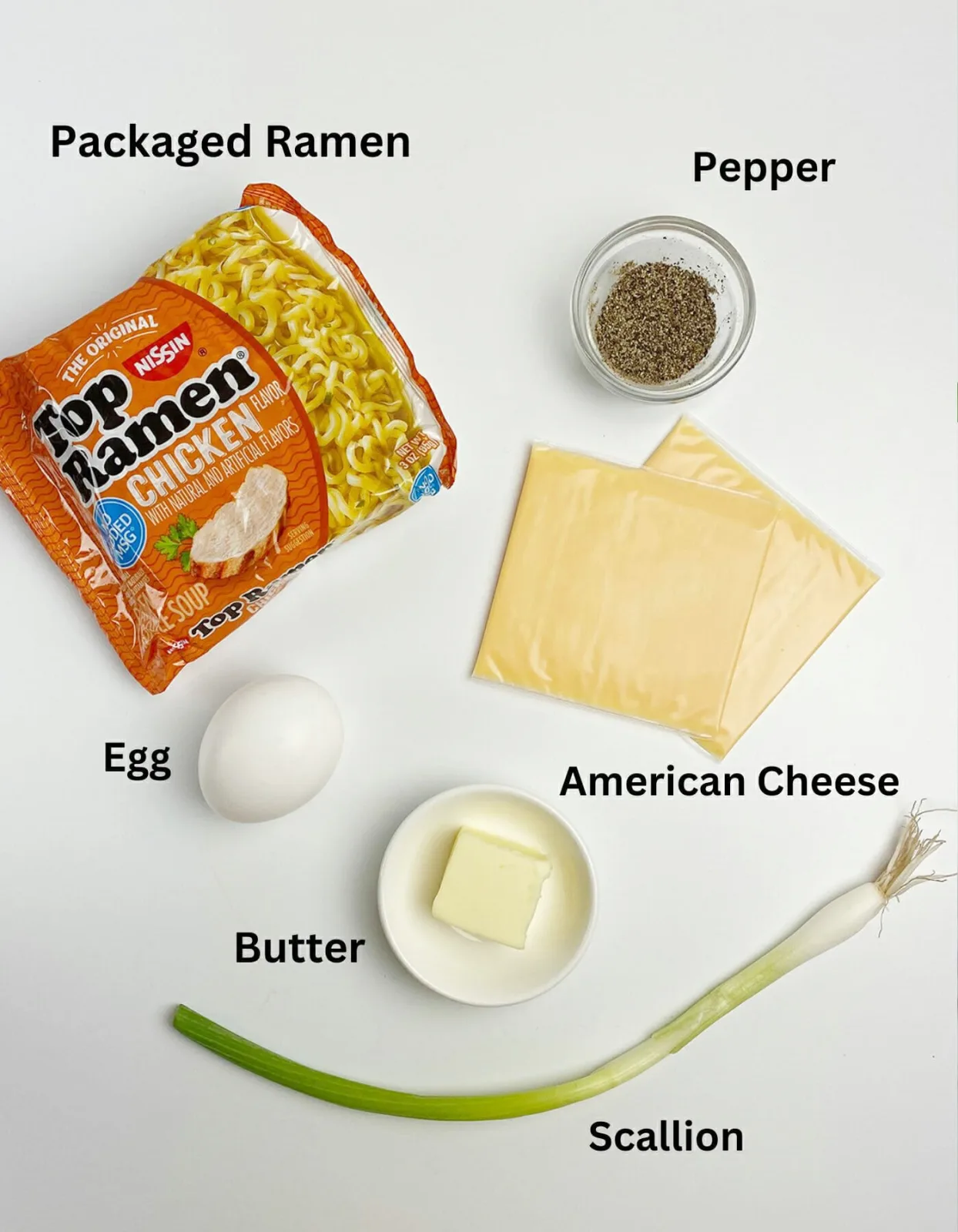
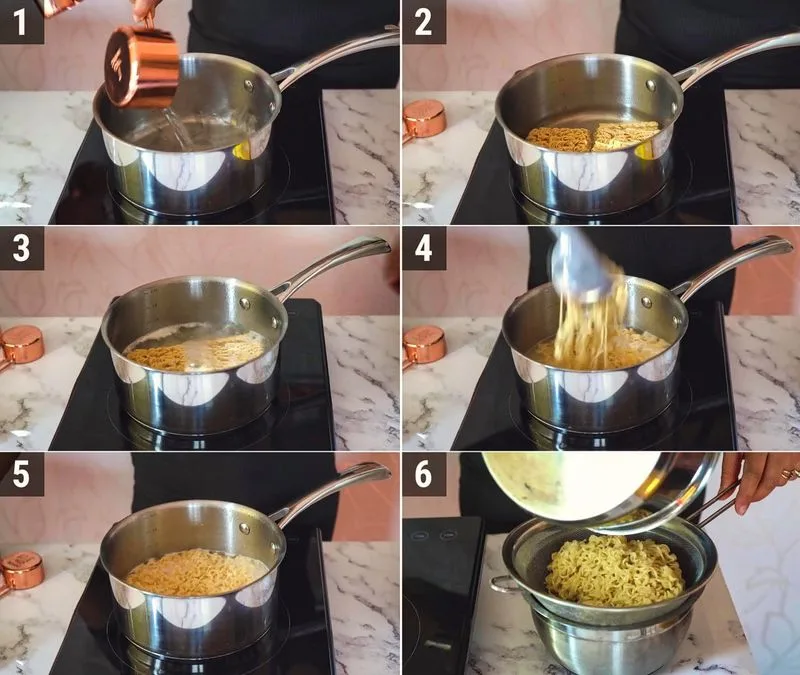

The better home-cooking question is not whether cheese belongs in ramen. It is how to add enough richness without making a salty, gluey bowl that cools into a solid block. The method below uses one packet of instant noodles, a modest amount of cheese, an egg, and whatever quick-cooking vegetable is already in the refrigerator. It takes about 20 minutes, serves two modest portions or one very generous bowl, and can be adapted around the flavor packet you have.
The basic method at a glance
Time: about 20 minutes, including chopping
Serves: 2 light portions or 1 large meal
Best pan: a small saucepan or deep skillet
You will need:
- 2 packets instant ramen noodles, seasoning packets reserved
- 3 cups water or unsalted stock
- 1 seasoning packet, or about half of each packet if you are using two
- 1 large egg per serving
- 1/2 cup finely shredded cheese, such as mild cheddar, Monterey Jack, mozzarella, or a mix
- 1 cup quick-cooking vegetables, such as frozen peas, corn, thin-sliced cabbage, spinach, mushrooms or shredded carrot
- 1 small garlic clove, grated or finely chopped, optional
- 1 teaspoon butter or neutral oil, optional
- 1 teaspoon soy sauce, miso, hot sauce or chili crisp, optional
- Sliced scallions, sesame seeds, lime, or toasted breadcrumbs for serving, optional
The ingredient list is deliberately loose. Instant ramen packets vary in size and saltiness, cheese varies in melting behavior, and the vegetables in a real weekday refrigerator are rarely identical from one night to the next. The fixed points are the noodle-to-liquid ratio, the order of operations, and the decision to hold back some seasoning until the cheese has melted.
Why the order matters
Cheese does not automatically make a smooth sauce. If it is dropped into a vigorously boiling, highly salted broth, it can separate into oily specks and rubbery clumps. The easiest way to prevent that is to cook the noodles and vegetables first, then lower the heat before adding cheese. A small amount of starchy noodle water helps the cheese cling to the broth, while gentle heat keeps the mixture from breaking.
This is also why you should not use all the water recommended on the noodle packet and all of the seasoning at the beginning. A thinner broth can make the cheese taste diluted; a full seasoning packet plus cheese can make the finished bowl aggressively salty. Start with about three cups of water for two noodle packets, taste after the cheese is incorporated, and add more hot water if the sauce is too thick.
The recipe is closer to a creamy noodle bowl than to traditional restaurant ramen. That distinction matters because it keeps the method practical. You are not trying to reproduce a long-simmered broth or claim a single correct style. You are making a fast pantry dinner with a creamy finish.
How to make it
1. Prepare the add-ins before the water boils
Shred the cheese finely. Thin shreds melt faster and more evenly than large cubes. Slice any firm vegetables thinly: cabbage into ribbons, carrot into matchsticks, mushrooms into thin pieces. Frozen peas and corn can go straight from the freezer to the pan. If you are using spinach, leave it until the final minute so it stays green rather than disappearing into the broth.
Crack the eggs into small bowls if you plan to poach them in the pan. This makes it easier to slide each egg into the liquid without dropping shell fragments into the noodles. If you prefer scrambled egg, beat the eggs now and keep them nearby.
2. Build a lightly seasoned broth
Bring the water or unsalted stock to a simmer in a saucepan. Add the garlic, if using, and half of the seasoning you expect to need. For two packets, one full seasoning packet is usually enough once cheese, soy sauce, or other salty toppings are included. You can add more later, but you cannot remove salt once it is in the pot.
Add the firm vegetables first and simmer them for two to three minutes. The aim is not to cook them soft; it is to take the raw edge off while leaving enough texture to contrast with the noodles. Cabbage, carrot and mushrooms need a little head start. Peas, corn and spinach can wait.
3. Cook the noodles just until flexible
Add the noodles and cook according to the shortest time printed on the packet, usually around three minutes. Stir them apart with chopsticks or a fork, but stop before they become completely soft. They will continue cooking while the cheese melts and while the bowl rests.
If you are adding a raw egg directly to the pot, make a small space between the noodles and slide the egg into the simmering broth. Cover the pan and cook until the white is firm and the yolk reaches the level of doneness you want. For a fully cooked egg, keep the broth at a gentle simmer until the center is set. You can also poach the egg separately if you want more control.
For food safety, egg dishes should reach 160°F (71°C), and the USDA advises cooking eggs until the yolk and white are firm when using ordinary shell eggs. A very soft yolk may be appealing, but it is not the safest choice for young children, older adults, pregnant people, or anyone with a weakened immune system. The USDA’s egg-safety guidance explains the 160°F standard for egg dishes, and FoodSafety.gov provides the same minimum temperature in its cooking chart.
4. Turn off the heat before adding cheese
When the noodles are nearly tender, remove the pan from the heat. Stir in the cheese a handful at a time. Add the butter now if you want a rounder, more mac-and-cheese-like finish. If the mixture looks too thick, loosen it with a tablespoon or two of hot water. If it looks thin, let it stand for one minute before adding more cheese.
The target texture is a broth that coats the noodles but still moves easily when you lift them. It should not be as thick as a pasta sauce. Instant noodles continue to absorb liquid at the table, so a bowl that looks just slightly loose in the pan will usually be right after a few minutes.
Stir in the spinach, scallions, hot sauce, chili crisp, or a small spoonful of miso after the cheese has melted. If using miso, dissolve it in a little hot broth first rather than stirring a cold spoonful into the finished bowl. Add soy sauce carefully; cheese and ramen seasoning already contribute salt.
5. Rest briefly and serve immediately
Divide the noodles between bowls, or eat directly from the saucepan if this is the sort of night you are having. Top with scallions, sesame seeds, lime, toasted breadcrumbs, or a little chili oil. Let the ramen stand for one minute before eating. That short pause gives the sauce time to cling to the noodles without turning them mushy.
The best cheese choices
Mild cheddar is the easiest supermarket choice. It melts predictably, has enough flavor to stand up to instant ramen, and is familiar to people who like the mac-and-cheese connection. Monterey Jack makes a softer, smoother sauce. Mozzarella gives stretch but not much seasoning, so pair it with chili crisp, garlic, black pepper or a stronger broth. Processed American cheese melts exceptionally smoothly because of its emulsifying salts; one slice can be useful when a small amount of cheddar alone tends to separate.
Aged cheddar, Parmesan and crumbly feta can work, but each needs a little care. Aged cheddar can become grainy if boiled. Parmesan is salty and better used as a finishing accent than as the entire cheese base. Feta will soften but will not make a smooth sauce. Cream cheese is another practical option: use one or two tablespoons, then add shredded cheese for a more pronounced flavor.
Avoid adding a large pile of cheese simply because the noodles can absorb it. The result is usually heavier, saltier and less creamy than expected. For two packets, half a cup of shredded cheese is a sensible starting point. Add more only after tasting.
Vegetable combinations that work
The fastest vegetables are the ones that need little preparation. Frozen peas and corn add sweetness and can be stirred into the broth for the final two minutes. Baby spinach wilts in less than a minute. Shredded cabbage brings crunch and makes the bowl feel less like a snack. Thin mushrooms absorb the broth and give the ramen a deeper savory character.
Use what needs using, but avoid adding too many different vegetables at once. A crowded pan cools quickly and makes it difficult to judge the liquid. One substantial vegetable plus scallions or herbs is usually enough.
For a more filling bowl, add leftover roasted vegetables, cooked broccoli florets, frozen edamame, shredded cooked chicken, sliced sausage, or drained canned beans. Add already-cooked ingredients near the end, just long enough to heat them through. If you are using raw chicken, pork or seafood, cook it completely before adding noodles, or use a separate pan so the broth and noodles do not become a timing problem.
Three reliable variations
Spicy cheddar and corn ramen
Use chicken- or vegetable-flavored noodles, half the seasoning packet, frozen corn, cheddar, and a teaspoon of chili crisp. Add the corn with the noodles. Stir the chili crisp in after the heat is off so its aroma stays bright. A squeeze of lime balances the cheese and the heat.
Mushroom and spinach ramen
Use a plain, chicken or mushroom-flavored packet. Sauté sliced mushrooms in a teaspoon of oil for three to four minutes before adding the water. Add the noodles, then fold in spinach at the end with Monterey Jack or mozzarella. Black pepper works especially well here; soy sauce is optional and should be added only after tasting.
Egg and cabbage ramen with a softer broth
Use one packet of noodles, two cups of water, shredded cabbage, one egg, and a small handful of cheddar. The reduced liquid gives the bowl a thicker, more concentrated texture. Simmer the cabbage first, add the noodles, poach the egg in the same pan, then remove the pan from heat before stirring in the cheese. Finish with scallions and toasted sesame seeds.
Practical substitutions
If you have no shredded cheese, use a slice of sandwich cheese, a spoonful of cream cheese, or a small amount of grated hard cheese. If you have no egg, use beans, edamame, leftover chicken, canned tuna, tofu or simply extra vegetables. For a vegetarian bowl, choose a vegetarian seasoning packet and check the cheese label if you avoid animal rennet. For a dairy-free version, leave out the cheese and make the broth more substantial with tahini, peanut butter, coconut milk, miso, or a spoonful of chili oil; these will change the dish, but they preserve the idea of a quick, rich noodle bowl.
Rice noodles or other gluten-free instant noodles can replace wheat ramen, but cooking times and liquid absorption vary by brand. Check the package and be mindful of seasoning packets that may contain wheat, soy, sesame or dairy. Ramen seasoning can also contain shellfish or other less obvious allergens, so read the label if you are cooking for someone with a food allergy.
If you are reducing sodium for ordinary dietary reasons, use half the seasoning packet and build flavor with garlic, ginger, scallions, lime, pepper, mushrooms, vinegar or chili. This is a practical cooking adjustment, not a medical prescription. Instant noodles and cheese are both concentrated ingredients, so the most effective change is often simply using less of each and adding vegetables.
Common mistakes and quick fixes
The sauce is too salty. Add hot water and more unsalted vegetables, noodles or beans if available. A squeeze of lime can make the bowl taste brighter, but it does not remove sodium. Next time, start with half the seasoning packet.
The cheese turned oily. The pan was probably too hot, or the cheese was added all at once. Remove the pan from the heat, whisk in a splash of hot water, and add a small amount of cream cheese or processed cheese if you have it. For the next batch, shred the cheese and add it gradually after cooking.
The noodles are mushy. They were cooked too long or left sitting in a full pan of broth. Cook them for the shortest packet time, turn off the heat before they are completely soft, and serve quickly. If you are making two portions, divide them immediately rather than letting both portions continue cooking in the saucepan.
The bowl is thick and pasty. The noodles absorbed more liquid than expected. Loosen the ramen with hot water or unsalted stock, then taste again before adding seasoning. The sauce should coat the noodles, not hold them in a solid mound.
The egg is still runny. Keep the pot at a gentle simmer and cover it until the white and yolk reach the desired doneness. For anyone who needs extra caution with egg safety, use a thermometer and cook the egg mixture to 160°F. Do not assume that a few minutes of residual heat will make every part of a large, stirred egg mixture safe.
Storage and reheating
This ramen is best eaten immediately. Noodles continue absorbing liquid as they cool, so leftovers will be softer and thicker than the fresh bowl. If you do have leftovers, cool them promptly and refrigerate them in a shallow container. The USDA advises refrigerating leftovers at 40°F or below, putting them away within two hours, and using refrigerated leftovers within three to four days. Its leftovers guidance also recommends shallow containers for faster cooling.
Reheat gently with a splash of water or unsalted stock. A stovetop pan gives you the best control. If using a microwave, cover the container, stir during heating, and make sure the food is hot throughout. Egg-containing leftovers should be reheated to 165°F according to FDA guidance. The FDA’s egg-safety information covers both the original cooking temperature and reheating.
For better leftovers, keep the noodles and broth separate from fresh toppings when possible. You can also make the broth and vegetables ahead, refrigerate them, then cook a fresh portion of noodles when you are ready to eat. That takes a few extra minutes but avoids the soft, swollen texture that makes reheated instant noodles disappointing.
The useful lesson behind the trend
Cheesy ramen is not valuable because it is a new definition of ramen. It is useful because it demonstrates a flexible weeknight formula: a fast starch, a flavorful liquid, one ingredient for substance, and one finishing element that changes the texture. The cheese is only one possible finish. The real kitchen skill is learning to add richness at the end, taste before salting, and use the vegetables and leftovers that need attention.
Make the first bowl with less seasoning and less cheese than you think you need. Add heat, acid or herbs after tasting. Keep the vegetables visible rather than burying them in a thick sauce. Those small choices turn a novelty bowl into a repeatable dinner that fits the ordinary kitchen: quick, inexpensive, adaptable and much better than a packet eaten alone.
Related articles
Raw zucchini salad: a 10-minute no-cook side from summer squash
A practical late-summer bowl that turns firm zucchini, lemon, onion and a little cheese into a cold side or light meal base.
Veggie skillet eggs: a 15-minute meal from fridge odds and ends
A friendly one-pan recipe for turning eggs, a tomato and two cups of spare vegetables into hot wedges for breakfast, lunch or dinner.
Dinner from one eggplant: 40-minute Norma-ish tomato pasta
A forgiving weeknight pasta that turns one eggplant, tomatoes and pantry staples into dinner without deep-frying.
Corn and zucchini skillet pancakes: a 25-minute dinner from summer leftovers
Turn one zucchini, a handful of corn, an egg and flour into crisp-edged skillet pancakes for a practical weekday meal.
Comments
Sign in to comment.
No comments yet.