A Four-Day Thanksgiving Leftover Plan: Crisp Hash, Soup and Safe Freezer Moves
A practical post-Thanksgiving plan for turning turkey, stuffing, mashed potatoes and vegetables into distinct weekday meals while keeping portions, reheating and refrigerator limits under control.

Start with a fridge audit, not another sandwich
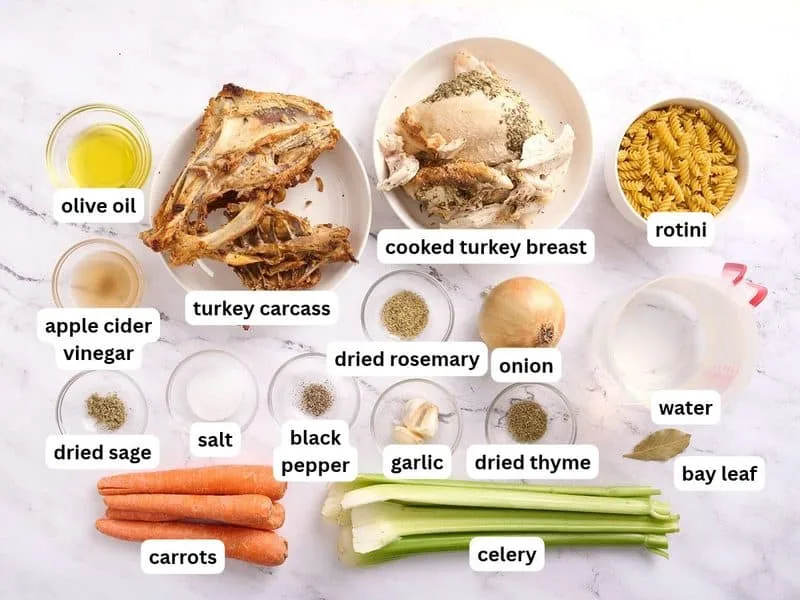
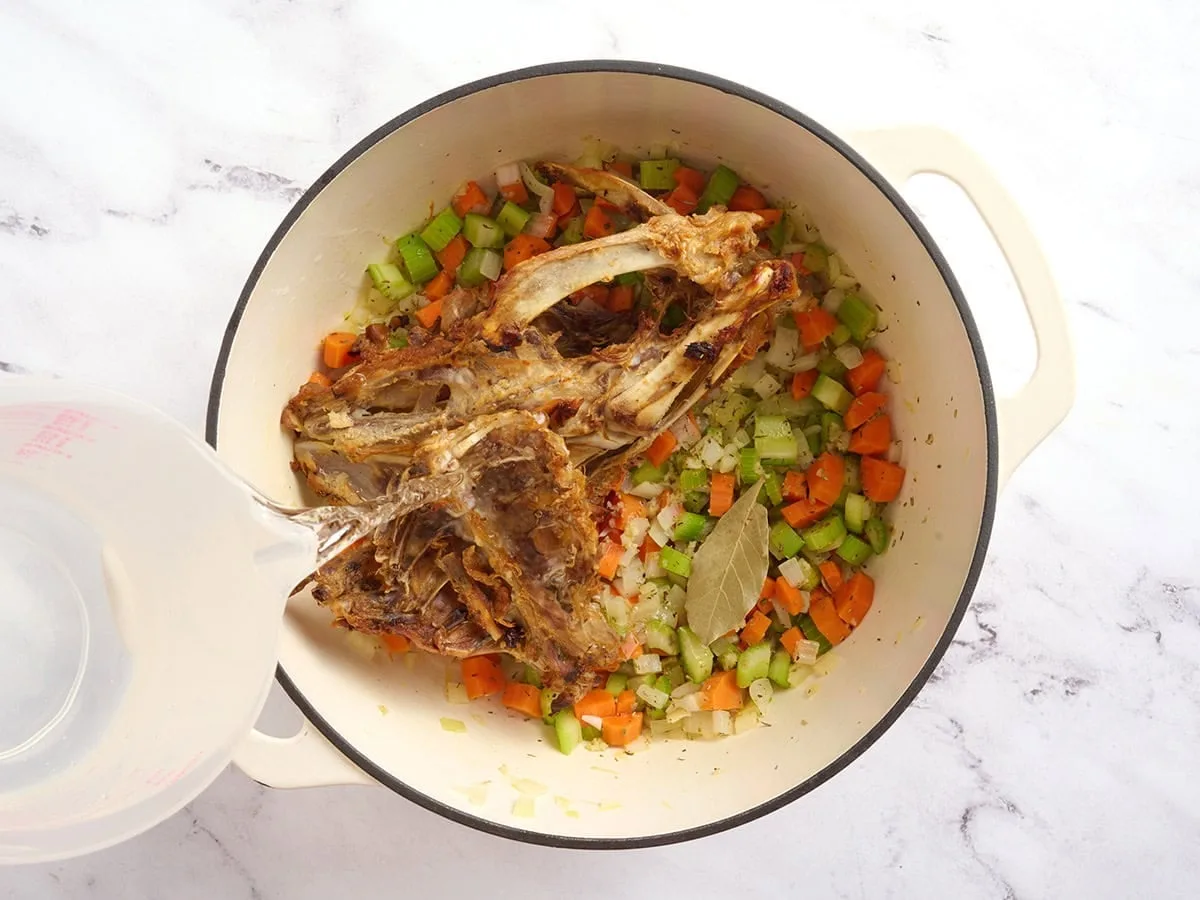
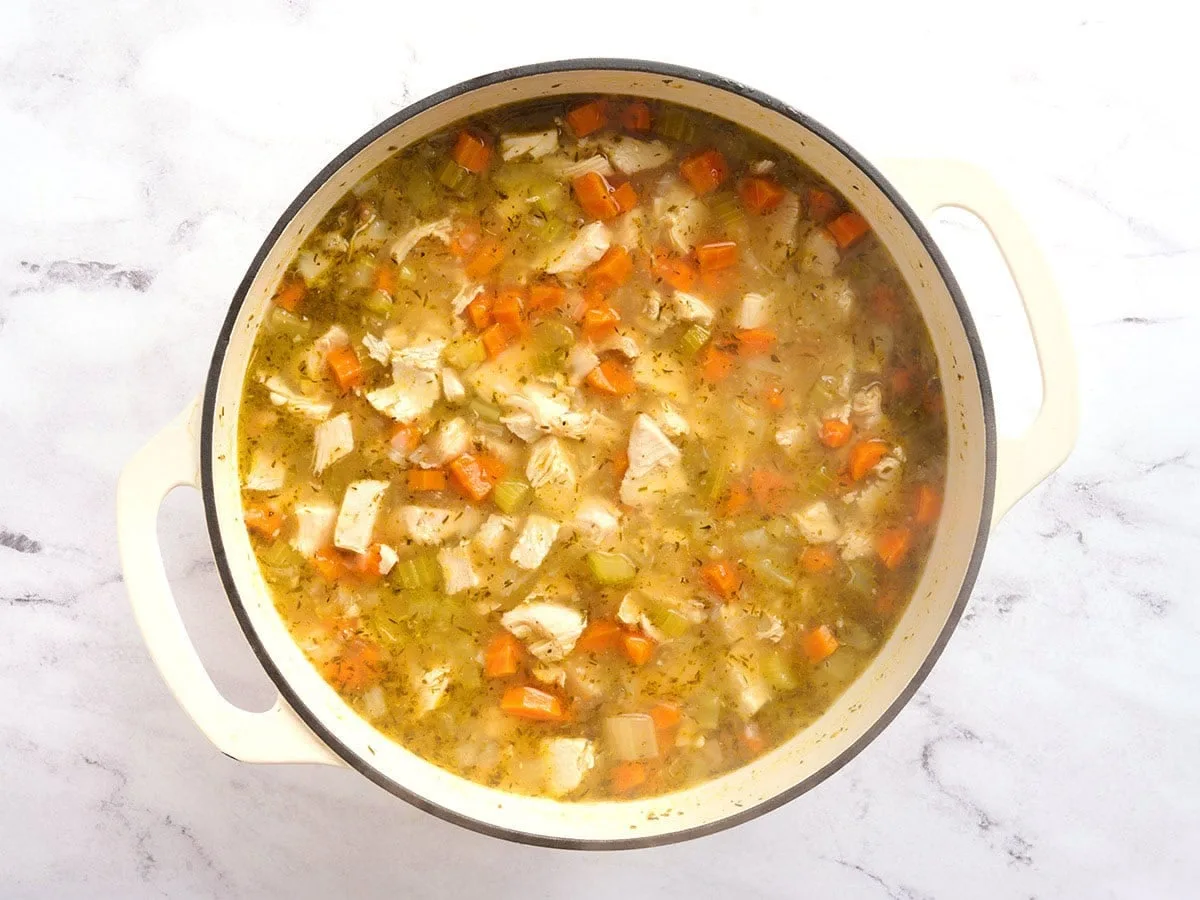
The first task after Thanksgiving is not choosing a clever recipe. It is figuring out what you actually have, how long it has been held, and which foods need attention first. A crowded refrigerator can make every meal look like the same plate assembled again: turkey beside stuffing, mashed potatoes, vegetables and a container of gravy. Recent food coverage and reader discussions reflect that familiar problem—there is plenty of food, but limited time to turn it into meals that feel deliberate before the leftovers pass their safe window.
Begin with a short inventory while the refrigerator is open. Group the food by what it is, rather than by the container it happens to be in: sliced or pulled turkey; stuffing; mashed or sweet potatoes; cooked vegetables; gravy; cranberry sauce and other sauces. Then mark each item according to its current state: refrigerated, frozen or already served. This small separation prevents two common mistakes. You can see which ingredients are available for the next meal, and you can avoid treating food that has been sitting out or handled differently as though it came from the same batch.
The inventory also makes the four-day plan more flexible. A small amount of turkey does not need to carry an entire meal, and a nearly empty dish of vegetables can still add substance to a skillet or soup. Conversely, a large container of one side should not dictate four identical dinners. Record approximate amounts rather than trying to measure everything precisely: enough turkey for one bowl, a few spoonfuls of gravy, a shallow layer of mashed potatoes, or several portions of cooked vegetables. The goal is to match each ingredient with a different use while it is still in good condition.
Food safety sets the boundaries for that creativity. USDA guidance says to refrigerate leftovers promptly and use refrigerated leftovers within three to four days. That window includes the food in the refrigerator, not an imagined extension created by reheating it repeatedly. If you are planning several meals, portion the food early so that you can warm only what you intend to eat. Reheating should bring the leftovers to 165°F, which applies whether the food is being warmed as a complete portion or incorporated into another dish.
A refrigerator thermometer is useful here because the displayed setting or the coldness of one shelf does not tell you the actual temperature throughout the appliance. FDA guidance recommends using a thermometer to check that the refrigerator is keeping food cold enough for safe storage. The audit therefore has two parts: identify the food and check the conditions in which it is being held. If either part is uncertain, make the cautious decision before planning a meal around that container.
Once the inventory is complete, assign the most perishable-feeling textures to the first meal and reserve sturdier components for later transformations. Soft mashed potatoes, stuffing and cooked vegetables can become the foundation of a crisp skillet meal, while turkey can be divided among several smaller portions instead of reheated all at once. Gravy and sauces should be kept separate until serving, so they can change the character of a meal without turning every container into another version of the original dinner. This is the organizing principle for the days ahead: first establish what is safe and available, then use texture, temperature and a different format to make the leftovers feel new.
Day one: change the texture with a crisp skillet hash
The first leftover meal should solve the problem of texture. Mashed potatoes, stuffing, turkey and cooked vegetables can all become soft and indistinct after another pass through the microwave, but a hot skillet gives them a different character: browned edges, a firm crust and enough separation between the ingredients to make the plate feel newly assembled. This is a useful place to start because it turns the sides that are least appealing when simply reheated into the foundation of a quick meal.
For two to three portions, set out roughly 2 cups of mashed potatoes, 1 to 1½ cups of crumbled stuffing, 1 to 1½ cups of chopped cooked turkey and 1 cup of cooked vegetables. These amounts do not need to be exact; the goal is to keep the mixture loose enough to brown rather than steam. Cut larger pieces of turkey and vegetables into bite-size pieces, and break up any compacted stuffing before the pan gets hot. If the potatoes are very thick, loosen them with a small spoonful of gravy, stock or water, but avoid making them wet.
Heat a large skillet over medium to medium-high heat and add 1 to 2 tablespoons of oil or butter. Spread the mashed potatoes across the pan in rough pieces instead of stirring immediately. Let them sit for several minutes so the bottoms can color, then turn them in sections. Add the stuffing once the potatoes have begun to brown. Press the mixture into an even layer, leave it undisturbed long enough to develop a crust, and turn it again when the underside is golden. The process generally takes about 15 to 20 minutes, depending on how crowded the skillet is. If the pan is small, cook in batches; an overcrowded pan traps moisture and makes crisping harder.
Add the vegetables after the potatoes and stuffing have taken on color. Tender roasted vegetables can be folded in as they are, while firmer pieces benefit from being chopped smaller. Add the turkey near the end, just long enough for it to heat through without drying out. Stirring it in late preserves more of its texture and keeps the meat from becoming the browned, tough part of the meal. If the hash starts to stick, add a little more fat around the edge of the skillet rather than immediately adding liquid.
Serve the hash with a small spoonful of cranberry sauce for acidity and sweetness, or pass warm gravy at the table so the crisp surface remains intact. A fried egg can turn the skillet into a more substantial breakfast or lunch, but the egg should be cooked until both the white and yolk are firm. That is especially important when serving children, older adults, pregnant people or anyone with a weakened immune system. Keep the egg separate until serving if different diners prefer different levels of doneness.
The same method can absorb a wide range of leftovers. Sweet potatoes can replace some or all of the mashed potatoes, though their softer texture may need a little more browning time. Cooked rice can stand in for the potatoes; spread it thinly in the skillet and give it time to form a crust before adding the other ingredients. For a vegetarian hash, omit the turkey and increase the vegetables, beans or chickpeas if available. A spoonful of gravy, a sharp sauce or a fried egg can supply the richness that the meat would otherwise provide.
For a gluten-free version, use only stuffing and sauces that are confirmed gluten-free, or leave the stuffing out and build the hash from potatoes, rice, vegetables and turkey. Do not assume that gravy is safe simply because the meat and vegetables are; flour or other ingredients may have been used to thicken it. The same caution applies to prepared sauces and any packaged components. When serving a mixed household, keep the gluten-free portion in a clean pan or cook it first, before crumbs from standard stuffing enter the skillet.
A practical way to keep the meal distinct from the original dinner is to change the finishing element rather than add every leftover at once. The first plate can use cranberry sauce, the next can lean on gravy, and a third can be topped with the fully cooked egg. Season gradually: stuffing, gravy and sauces may already contain salt, while potatoes and vegetables may need only pepper or a small amount of herbs. Taste after the ingredients are hot, then adjust. The result should read as a crisp skillet meal with recognizable pieces, not as a reheated plate compressed into one mass.
Day two and three: stretch the same leftovers into soup and bowls
By the second day, the useful question is no longer how to assemble another plate. It is how to make a small amount of food feel intentional. Soup and grain bowls solve that problem because they change the temperature, texture and seasoning of the leftovers without requiring a full new recipe. They also make it easier to use modest portions: a handful of turkey, a cup of vegetables or a spoonful of gravy can become part of a complete meal rather than an awkward remainder.
Day two: turn fragments into soup
Start with broth, stock, gravy loosened with water, or simply water seasoned as you cook. For two generous bowls, use enough liquid to cover the ingredients comfortably, then add chopped turkey and cooked vegetables. If the turkey is already sliced, cut it into smaller pieces so every spoonful gets some; if the vegetables are soft, add them later so they warm through without disappearing. Gravy can provide body and savory flavor, but add it gradually because it may already be seasoned. A small saucepan generally needs about 15–25 minutes, depending on how quickly the liquid comes to a simmer and how cold the leftovers are.
The soup does not need to contain every side dish. Choose one clear direction: turkey with vegetables and herbs, a richer gravy-based soup, or a lighter broth with a sharper finishing sauce. Stuffing can be spooned into the bowl just before serving for contrast, but it will soften quickly if simmered in the pot. Mashed potatoes can thicken a small amount of soup when stirred in, though they can also make the mixture dense; add them in small amounts and thin with more liquid as needed. Cranberry sauce is better used as a separate bright accent than as a base, unless a sweet-savory flavor is specifically wanted.
Turkey is optional. Beans or chickpeas can replace it, either because the meat has already been used or because the meal needs a vegetarian alternative. Add them with the vegetables and heat until thoroughly hot. For a household with different preferences, keep the pot mild and finish individual bowls with pepper, herbs, hot sauce or a spoonful of gravy. This keeps one batch flexible without forcing every serving to taste the same.
Cool and store any remaining soup promptly, using a shallow container when practical so it chills more efficiently. When serving it again, reheat only the amount needed and bring it to 165°F. Repeatedly warming and cooling the entire pot makes portion control harder and leaves less useful food for the next meal.
Day three: build a bowl with a sharper finish
A bowl should feel distinct from soup, so begin with a base that can carry the leftovers: rice or another cooked grain. Add turkey and vegetables in modest amounts, then use a sauce with more contrast than the original holiday plate. A sharp dressing, mustard-based sauce, vinegar-forward mixture or hot sauce can cut through rich mashed potatoes and gravy. The goal is not to disguise the food; it is to give familiar ingredients a clearer balance of creamy, savory, fresh and acidic flavors.
Warm the turkey and vegetables separately or in a skillet, adding only what will be eaten immediately. Keep crisp elements out of the microwave when possible, and add gravy or other wet ingredients at the end so the grain does not become soggy. A small bowl can be made with a scoop of rice, a portion of vegetables and a smaller portion of turkey, then adjusted with sauce at the table. If turkey is running low, beans or chickpeas make the bowl substantial while preserving the same structure. They also pair well with the sharper sauces that make this meal feel less like a reheated Thanksgiving plate.
The same approach works with substitutions already in the refrigerator. Sweet potatoes can replace part of the grain or sit alongside it; leftover rice can become the base; vegetarian sides can carry the bowl without meat. Keep ingredients with separate allergy concerns identifiable rather than folding everything together, especially when stuffing, nuts, dairy or eggs may be present. For children, serve manageable pieces and check the temperature before serving.
Soup and bowls are deliberately forgiving, but food-safety limits still govern the plan. Refrigerated leftovers should remain cold and be used within the USDA’s three- to four-day window. Reheat the portion to 165°F, and do not use a creative sauce or a new format to justify food whose storage history is uncertain. The meal is successful when it changes the leftovers while they are still safely usable—not when it stretches them past the point of confidence.
Day four: freeze deliberately and know when to stop
By the fourth day, the question is no longer how to make leftovers feel new. It is whether each portion has been handled safely enough to keep, and whether freezing it now will preserve a useful meal rather than postpone a doubtful one. Make that decision before reheating the entire container. Set aside only what has stayed within the safe handling window, then freeze it in meal-sized portions. Anything with an uncertain history belongs in the discard pile, even if it still looks or smells acceptable.
The basic cutoff is straightforward: perishable leftovers should not remain at room temperature for more than two hours. That includes turkey, stuffing, mashed potatoes, vegetables, gravy, soup and dishes containing eggs or dairy. If food was left out longer than that, or if you cannot tell how long it was unattended, do not try to rescue it by boiling, frying or freezing. Freezing stops growth while the food is frozen; it does not reverse time spent at unsafe temperatures. This is also the point to stop tasting food “just to check.” A small sample cannot establish that a dish is safe.
For food that has been refrigerated promptly, divide it before freezing. Shallow containers cool and freeze more evenly than one deep, tightly packed vessel. Keep portions modest enough for one meal, leave appropriate room for expansion in soups and gravy, and seal them well to limit drying and freezer burn. Label each container with its contents and the date it went into the freezer. A label such as “turkey and gravy” or “vegetable soup” is more useful than a general note saying “Thanksgiving,” especially when several similar containers accumulate.
Freezing works best when the food is stored in the form that will be reheated well. Sliced turkey, soup, broth-based dishes and gravy are practical candidates. Gravy and soup may separate slightly after thawing, but stirring while reheating can bring them back together. Turkey is usually more pleasant when packed with a little gravy or broth rather than left exposed. Stuffing can be frozen, though its crisp top will soften; restore texture later in a skillet or oven if the recipe and portion allow. Mashed potatoes may change texture as they thaw, so reheat them gently and stir in a little moisture if needed.
Keep the components that create contrast out of the freezer meal until serving. Crisp fried toppings, fresh herbs, dressed greens, crunchy nuts and cranberry sauce can lose their texture or become watery when frozen. Pack them separately when possible, or plan to add a fresh finishing element after reheating. A skillet hash is better rebuilt from its thawed base than frozen with its crisp surface already assembled. Likewise, a grain bowl should be frozen without its sharp dressing, salad greens or other raw toppings. Separating soft, saucy components from crunchy or fresh ones makes the eventual meal feel intentional rather than merely reheated.
When it is time to eat a frozen portion, thaw it safely and reheat it thoroughly. Reheat leftovers to 165°F, checking the coldest part of the portion rather than relying on steam or an evenly warm surface. If using a microwave, cover the container loosely, pause to stir or rotate where practical, and allow the food to stand briefly so heat can distribute. Reheat only the amount needed for that meal; repeated warming and cooling makes both safety and texture harder to control. For soup and gravy, stir well because hot and cool spots can develop as the liquid warms.
A few cautions deserve their own check before the last portions leave the refrigerator. Ask about allergies before combining or serving food that may contain nuts, dairy, eggs or ingredients from stuffing and sauces. Keep components separate when a guest needs to avoid a particular allergen, because picking visible pieces out of a mixed dish is not a reliable separation method. For young children, serve soft foods in manageable pieces and adjust the texture rather than offering large, firm chunks of turkey, vegetables or other foods that may be difficult to handle. Adults should also check the serving temperature before handing a hot bowl or container to a child.
The final rule is simple: freeze with a plan, label with a date, and stop when the handling history is unclear. The goal of a four-day leftover plan is not to use every last bite at any cost. It is to turn the portions that were cooled, stored and reheated responsibly into one more useful meal, while recognizing that food safety matters more than avoiding waste. Once the last safe portions are packed away or served, the holiday is complete—and the refrigerator can finally return to normal.
Related articles
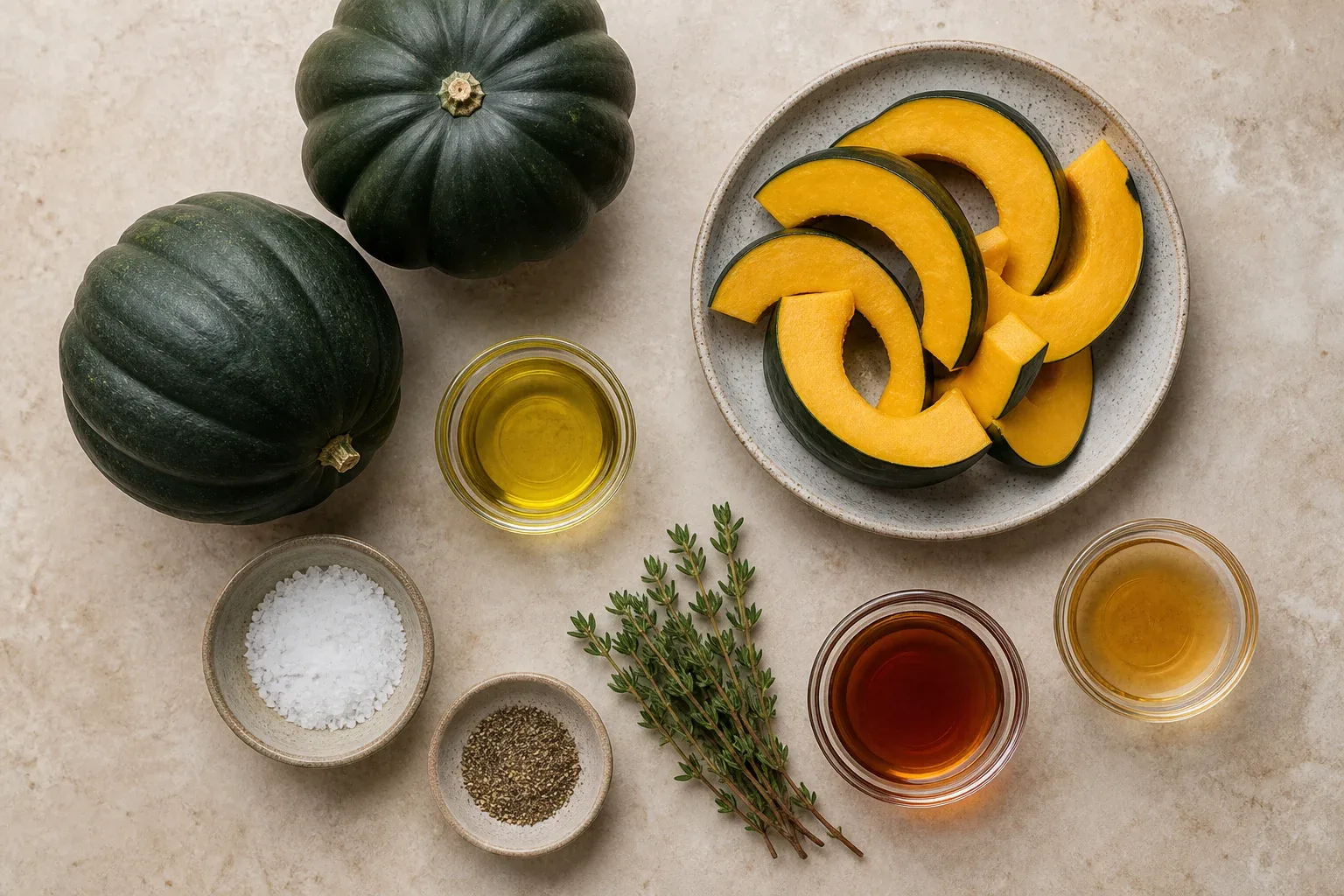
A Side-Dish-First Thanksgiving: Maple-Miso Squash That Feeds a Table Without Stretching the Budget
Thanksgiving sides are getting more attention as holiday costs rise. This flexible roasted squash dish brings sweet, savory flavor to the table, can be prepared ahead, and gives a small kitchen a calmer cooking plan.

Thanksgiving and Pets: The Safety Plan for Food, Guests, Trash and Travel
Most Thanksgiving pet problems begin with a forgotten detail: a roasting pan left within reach, a guest’s medication in a bag, or a door held open too long. A practical plan can protect pets without keeping them isolated all day.


Portal Bridge Cutover: A Budget Train Plan for New York, Newark and Philadelphia Trips in October 2026
Five weeks of rail changes around New York Penn can turn a cheap Northeast train trip into an expensive scramble. The practical move is to price the backup route before you buy the ticket.

Black Friday 2026 Flight Deals: How to Check the Real Trip Cost Before You Book
Black Friday flight promotions are appearing across several markets, but a discount on the fare is not the same as a cheap trip. Here is a practical way to compare the final price, connection risk, baggage rules and travel dates before paying.

Comments
Sign in to comment.
No comments yet.