
Pet Life
Latest publications
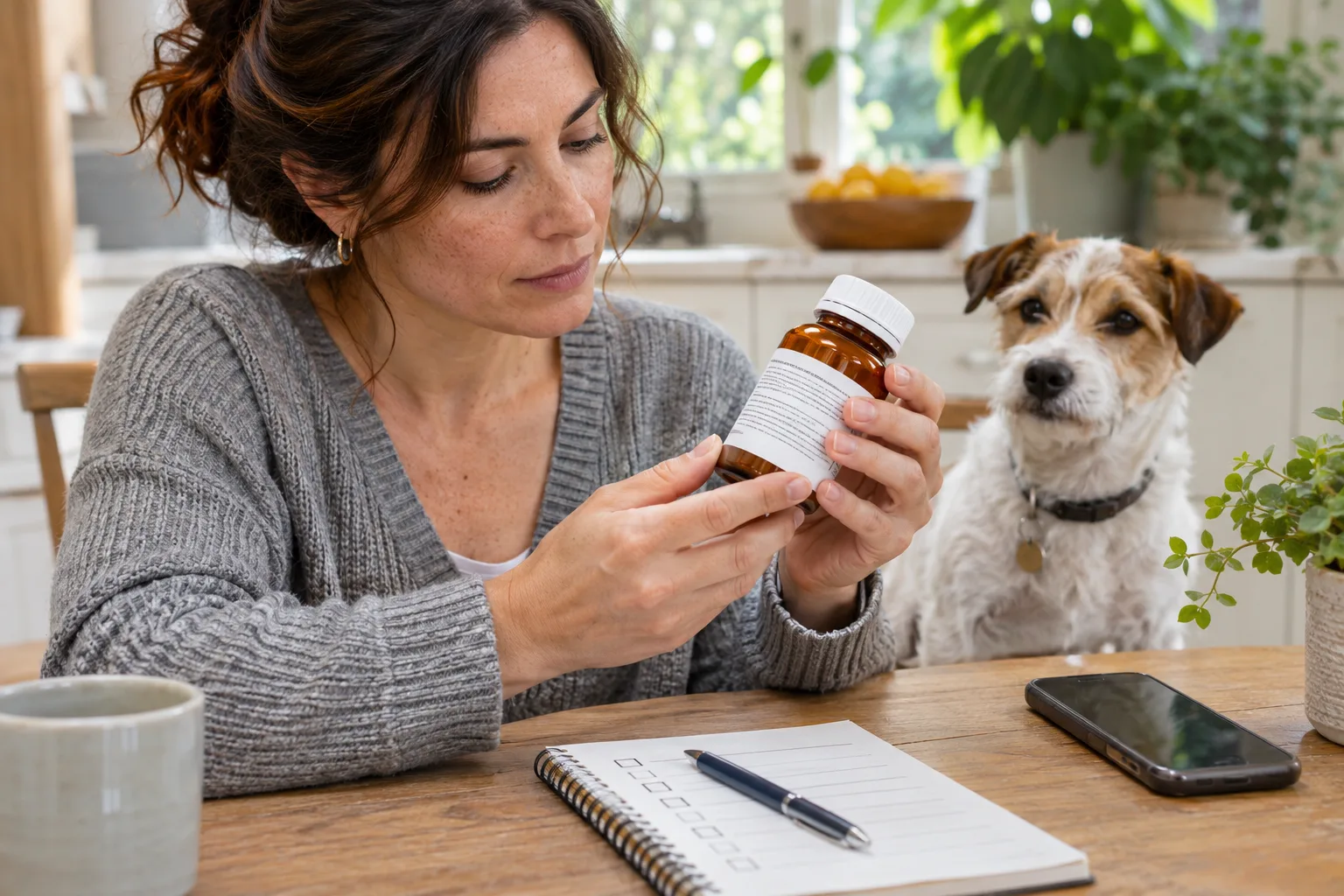
Wedgewood’s Veterinary-Medicine Recall: What Pet Owners Should Check Before Changing a Dose
A Wedgewood recall covers certain compounded veterinary medicines that may be weaker or stronger than intended. Owners should check the lot, keep the product, contact the prescribing veterinarian and avoid making an unsupervised switch or dose change.
Dog Longevity Research Is Moving Forward—What Owners Can Use Now and What Still Needs Proof
A major dog-aging study has received new funding, and a clinical trial is testing whether rapamycin can improve healthy lifespan. Here is what the research means for ordinary owners—and which longevity claims should still be treated cautiously.

The New Darwin’s Cat-Food Advisory Is a Freezer and Household-Safety Problem, Not Just a Brand Question
The FDA says two frozen lots of Darwin’s Natural Selections Chicken Recipe for Cats tested positive for Salmonella. Here is how to check the lot codes, dispose of the food, clean the household and plan a safe replacement without turning a warning into panic.

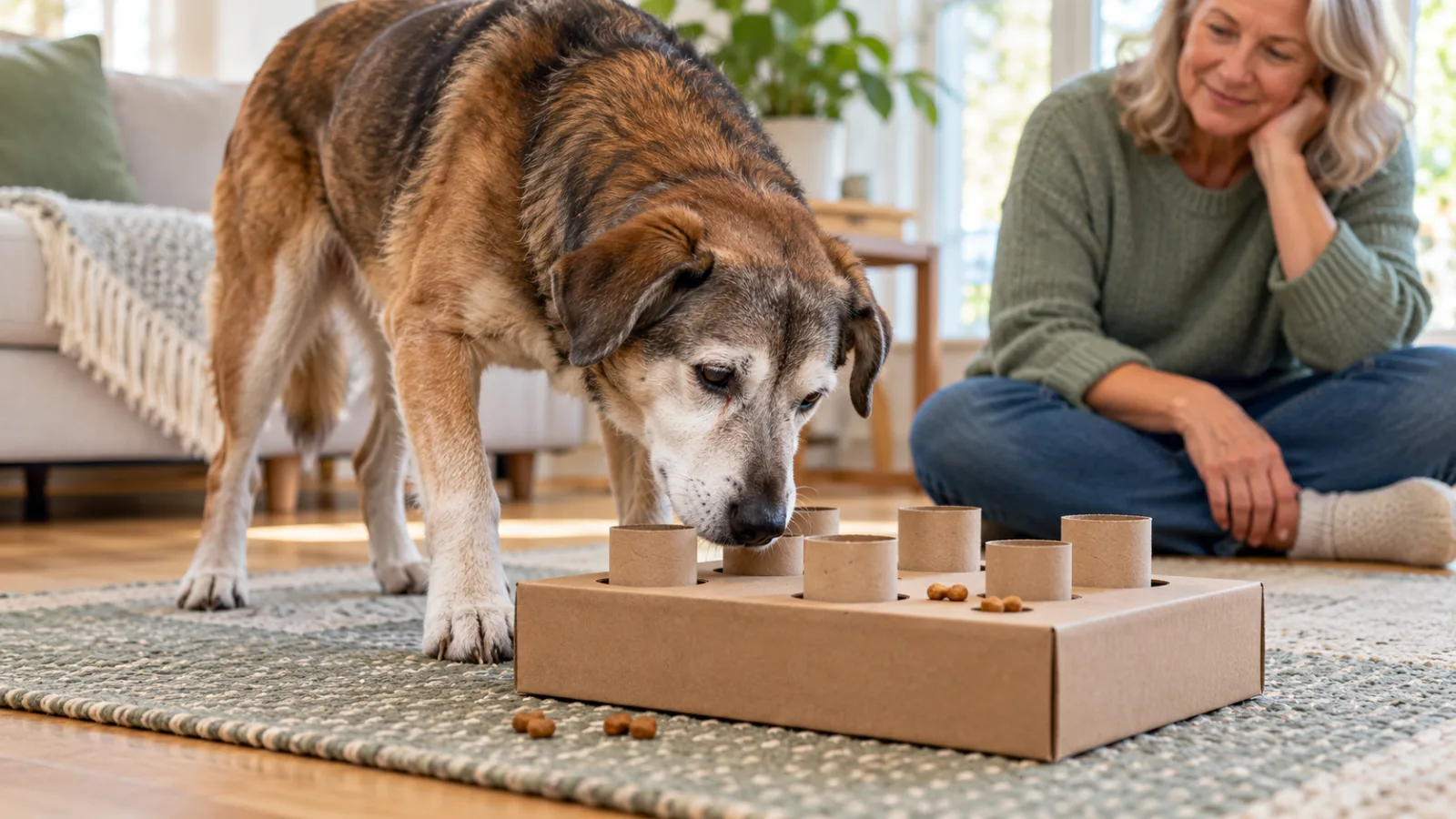
A New Dog Memory Study Offers an Early Clue About Aging—But It Is Not a Home Dementia Test
A University of Arizona study used treat-based memory and flexibility tasks to detect subtle age-related differences in dogs. Here is what the research means for owners, what to observe at home, and when behavior changes need veterinary attention.
A Stronger Pet Bond Can Support Better Preventive Care—If You Build the Routine Around the Animal
A new survey links stronger human–animal bonds with having a veterinarian and keeping up with preventive care. The useful lesson is not to handle pets constantly, but to make observation, low-pressure cooperation and routine appointments easier.

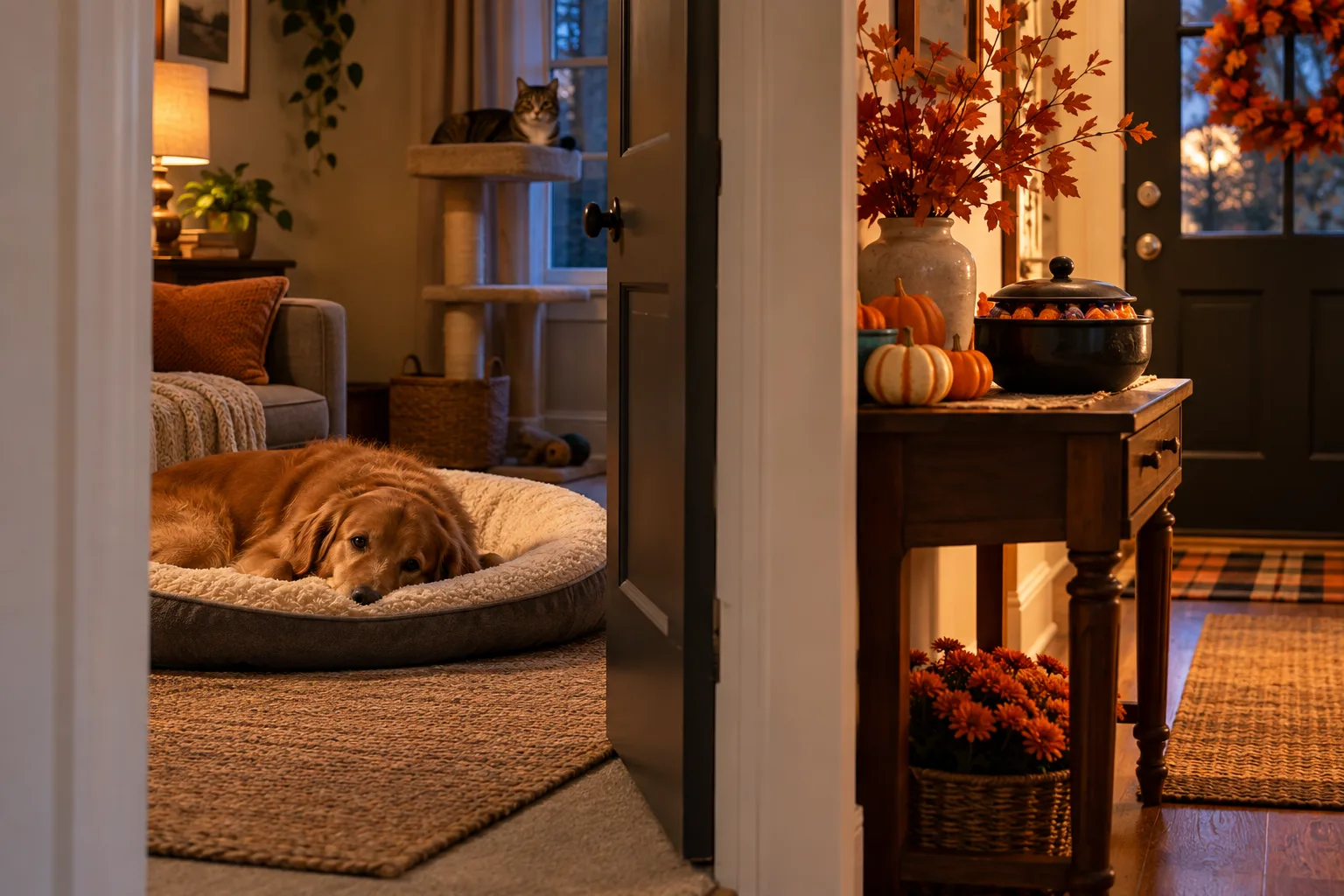
Halloween and Pets: A Calm, Practical Safety Plan for Candy, Costumes, Doors and Decorations
Halloween changes a home in ways pets may find confusing: open doors, unfamiliar visitors, tempting food and chewable decorations. A few simple preparations can prevent poisoning, escapes and unnecessary stress without excluding animals from the evening.
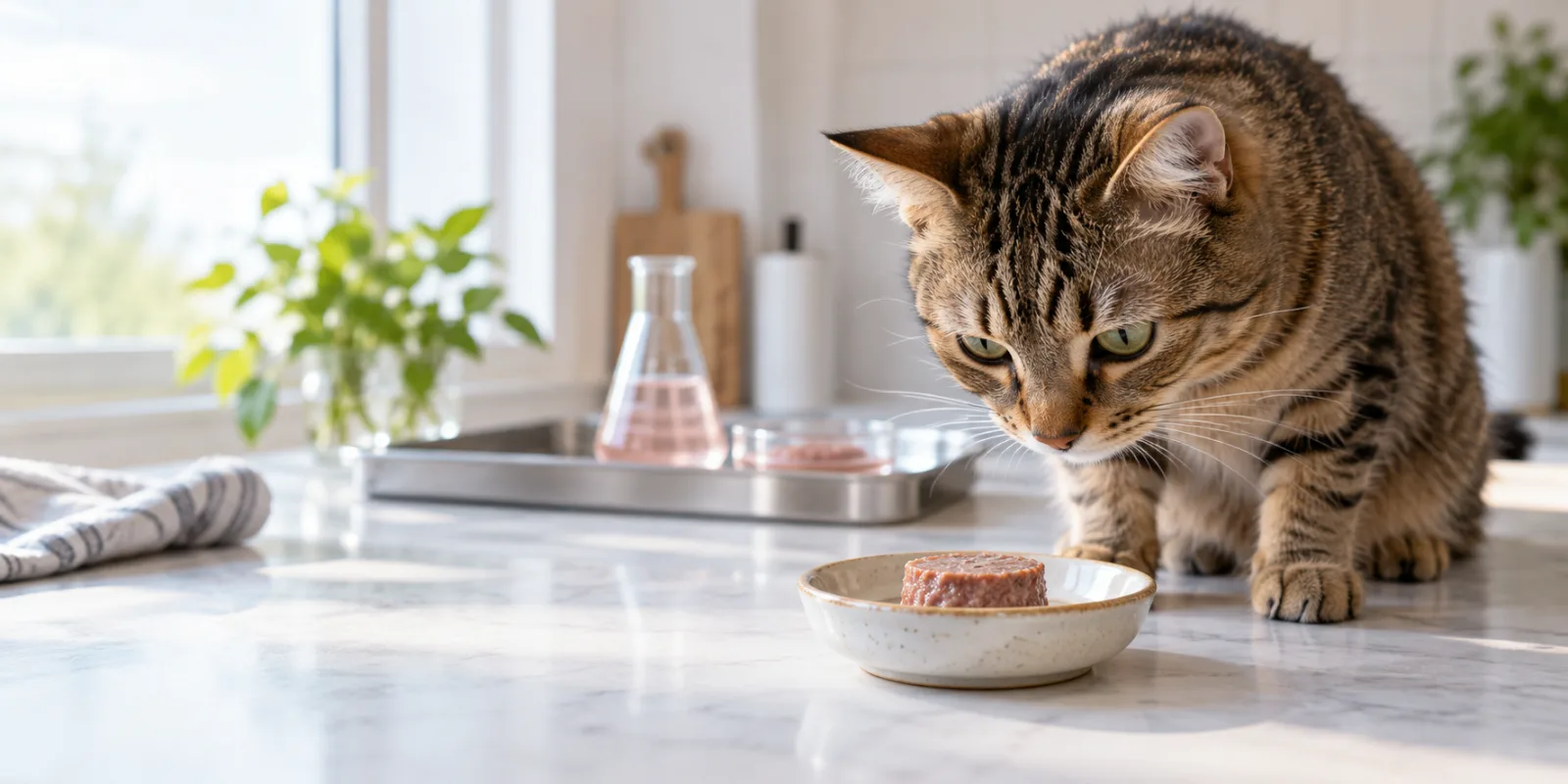
Cultivated Meat for Cats: What a 40-Cat Treat Trial Shows—and What It Doesn’t
A new 40-cat comparison found no clear taste preference between a cultivated-meat treat and a conventional chicken lickable. For owners, the useful question is not whether cats will eat it, but how to judge labels, nutrition, regulation and safety.
Using AI for Pet Care Without Letting a Chatbot Replace Your Vet
AI is moving into veterinary clinics and pet-owner conversations at the same time. Here is where it can help with preparation and explanation, where it becomes unsafe, and how to turn a chatbot answer into a better conversation with a veterinarian.

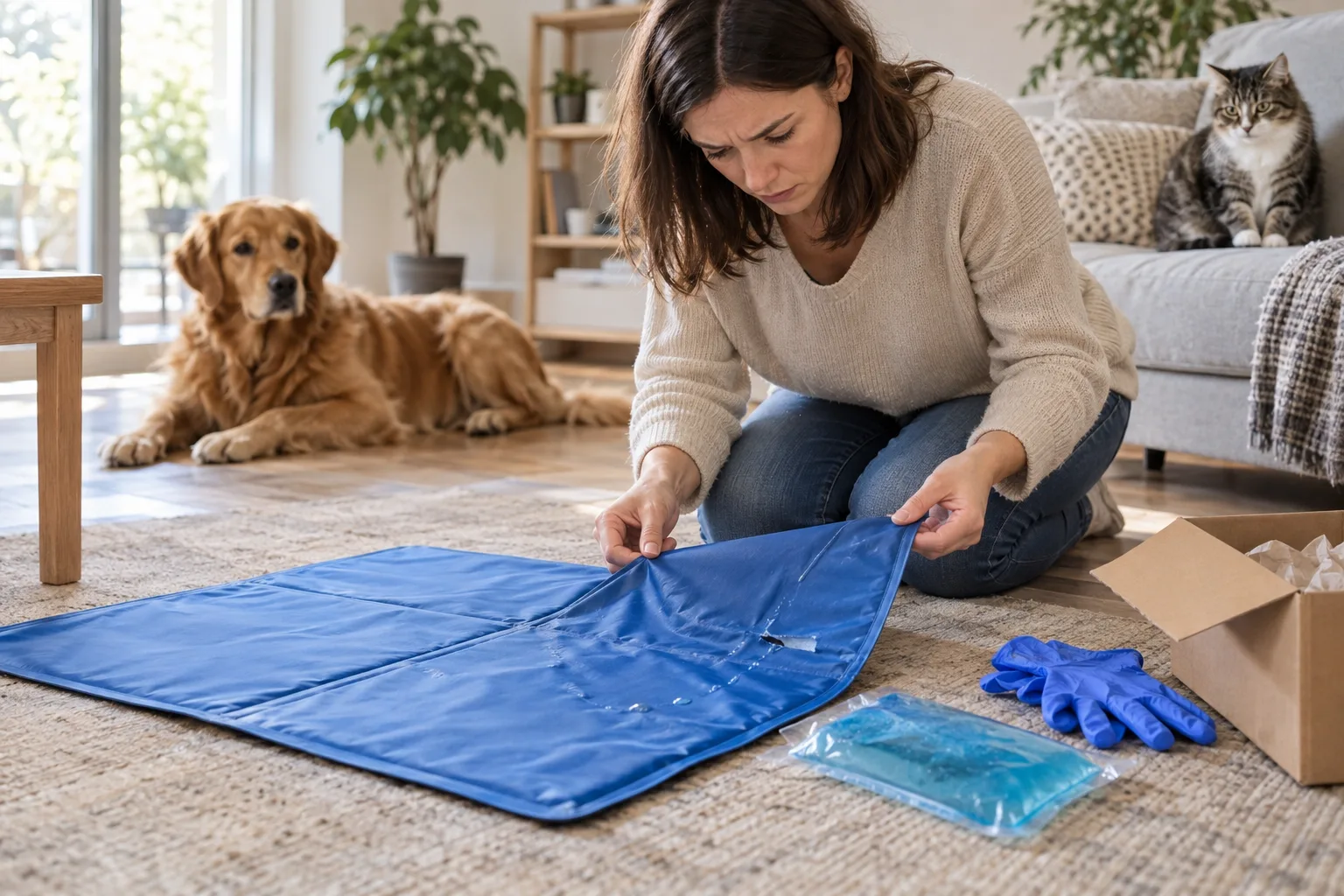
Cooling Mats, Gel Packs and Pets: The New Household Hazard Owners Need to Check
A new ASPCA warning links some hydrogel cooling products with severe illness after pets chew or swallow the gel. Here is how to inspect mats and packs, reduce exposure, and recognize when a veterinarian is needed.
An AI Image Is Not Proof: How to Handle a Message Claiming Someone Found Your Lost Pet
A new wave of lost-pet scams uses stolen details, urgent payment demands and AI-generated images. Here is a calm verification plan that protects your money, accounts and search effort without dismissing a genuine finder.

Why Calm Comes Before Commands: A Practical Foundation for Teaching Dogs to Settle
A dog that can sit on cue may still be unable to cope with guests, a busy pavement or a waiting room. Teaching calm, engagement and simple learning mechanics gives everyday training a stronger foundation.

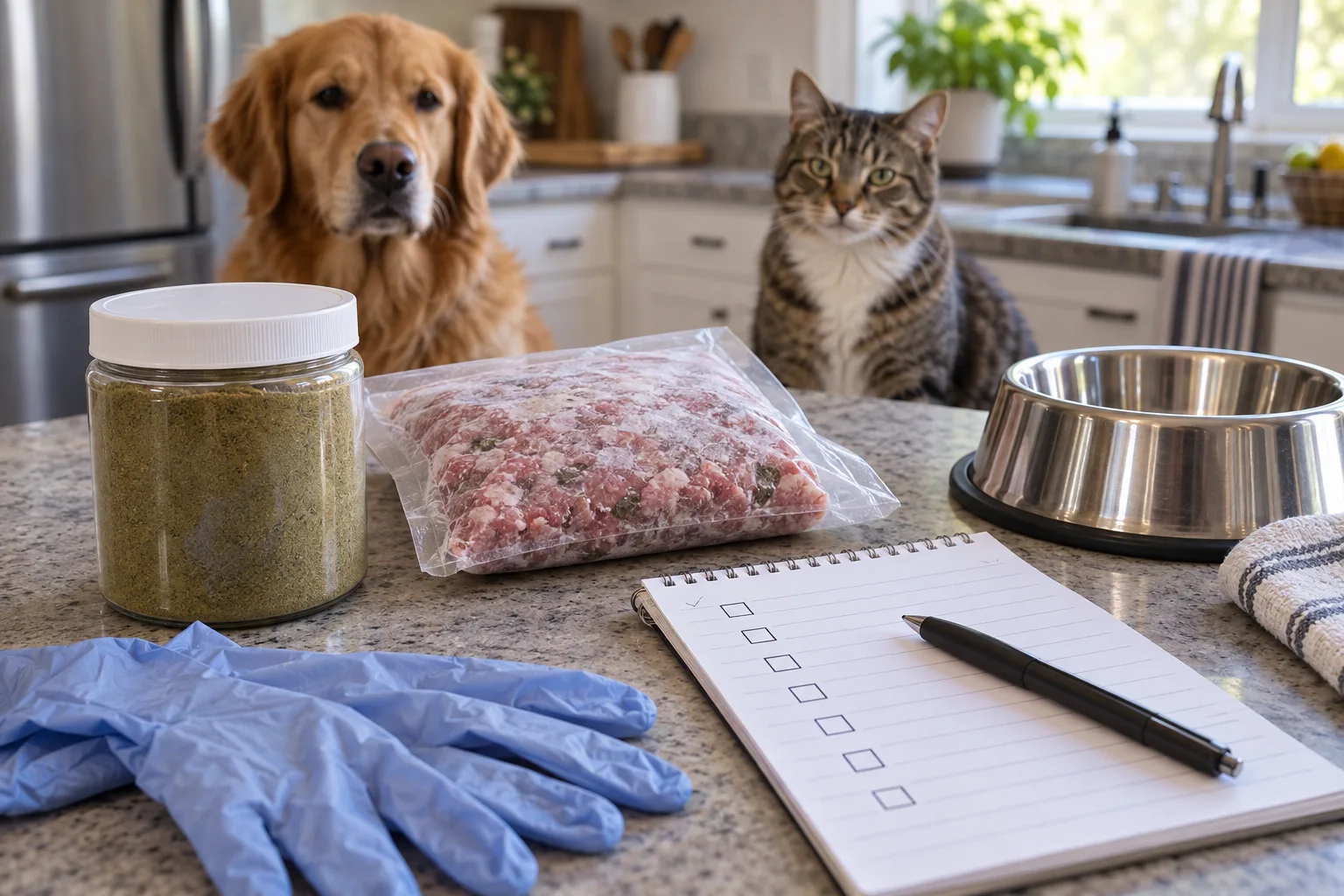
The September 2026 Pet-Food Recall Check: How to Audit Supplements, Raw Food and Kitchen Habits
Two recent FDA-listed recalls show why a pet-food safety check must include supplements, frozen raw food, lot codes and household hygiene—not just the main bag of kibble.