Gas Range Delayed Ignition? Check for a Recall Before You Clean or Repair Anything
A delayed oven flame can be a dirty burner, but it can also signal a recall or a gas-safety problem. Use this conservative checklist to identify the appliance, verify official notices, document the symptom, and know when to stop and call a qualified technician.

A gas range that takes several seconds to light, produces a soft whoosh, or leaves a strong gas smell after ignition is not a good candidate for trial-and-error repair. The visible symptom may come from a blocked burner opening, but it may also point to delayed ignition, an installation problem, a damaged component, or a product covered by a safety notice. The safest first question is not "Which part should I replace?" It is "Is this appliance safe to operate, and has the manufacturer issued a recall or service bulletin?"
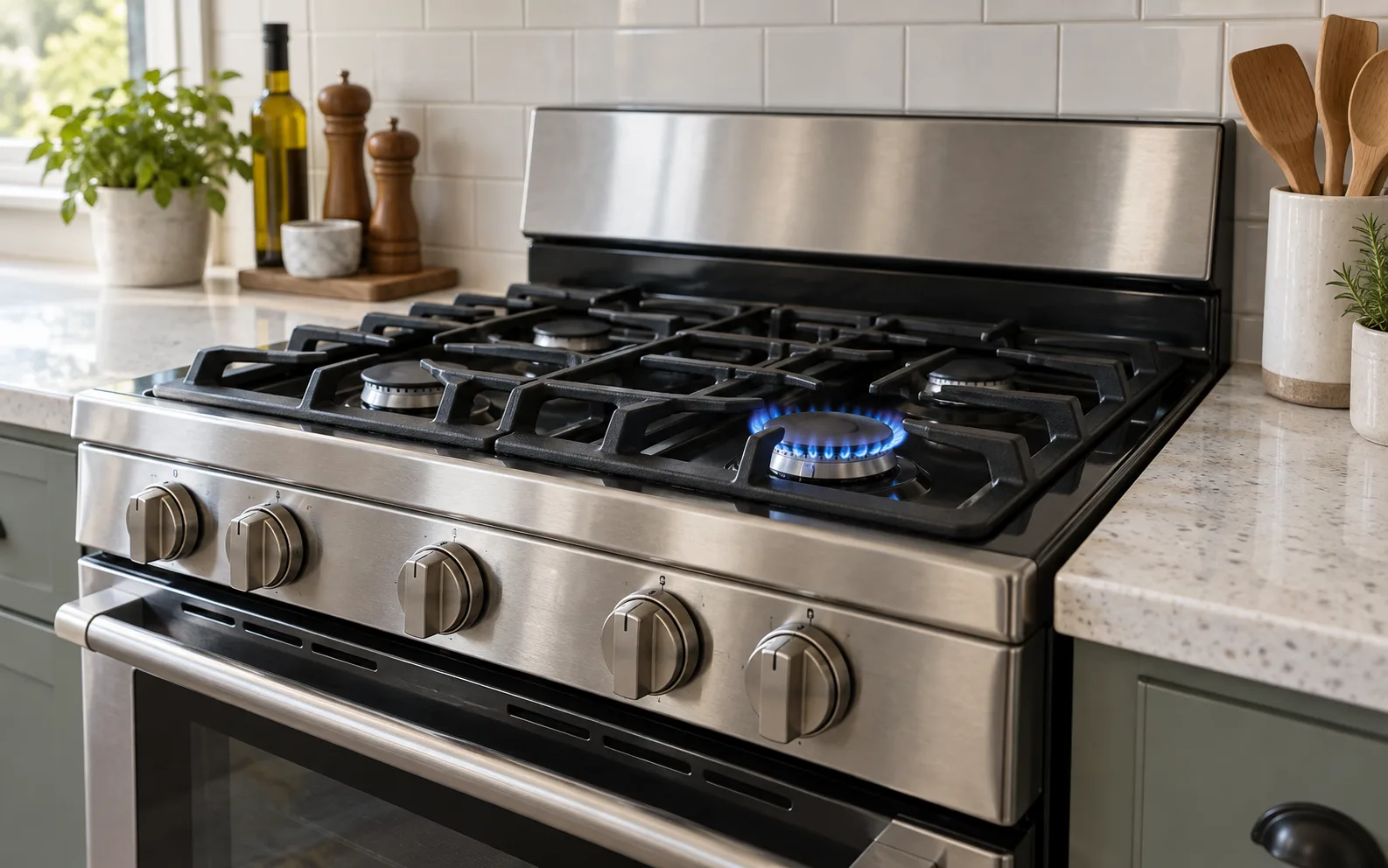
That distinction matters because a recall remedy is normally handled by the manufacturer or an authorized service provider. A consumer repair can interfere with the remedy, void a warranty, disturb a gas connection, or hide evidence of a wider defect. Recent U.S. recall notices illustrate the range of hazards involved: the Consumer Product Safety Commission has published notices involving gas ranges with front controls that could be activated accidentally, dual-fuel ranges with a missing gas-test-port cap, and gas ranges associated with delayed oven-burner ignition. Those are different failures with different remedies; a generic online fix is not a substitute for identifying the exact model.
This guide is for safe identification, observation, cleaning that does not require disassembly, and recall follow-up. It does not explain how to adjust gas pressure, remove burner valves, repair ignition wiring, alter flame settings, replace a regulator, or open a sealed appliance compartment. Those jobs belong to a qualified appliance technician, and local rules may require licensed gas work.
What delayed ignition looks and sounds like
A normal gas burner should ignite promptly when the control is turned to the lighting position, though the exact timing varies by model. A brief clicking sound from an electronic igniter is expected. A long series of clicks followed by a sudden larger ignition is not something to normalize. Neither is a smell of unburned gas that persists after the flame appears.
Common warning patterns include:
- The oven burner clicks or attempts to light for an unusually long time before the flame appears.
- The flame arrives with a noticeable pop, whoosh, or flash across the burner area.
- One surface burner lights late, lights unevenly, or burns with a persistent yellow or orange flame rather than the expected mostly blue flame.
- The oven heats inconsistently, although the control setting and cookware have not changed.
- The burner goes out and relights unexpectedly.
- A gas odor remains after the control is turned off.
- A control knob feels loose, moves too easily, or appears to turn without a clear off position.
A single failure after a spill does not prove that the range is defective. Food residue can obstruct ports, and a burner cap that is wet or misaligned can disrupt ignition. But a recurring delay, especially one that occurs when the appliance is clean and cool, deserves a stop-and-check response. Do not keep repeating ignition attempts to see whether the symptom disappears.
Safety note: what to do if you smell gas
If you smell gas strongly, hear hissing, see a damaged gas connector, or suspect a leak, stop using the range. Do not light another burner, operate electrical switches, use a phone in the immediate area, or create a spark. Leave the building and contact the gas utility or emergency service from a safe location. Follow the instructions of the utility or fire service before re-entering.
Do not try to locate a leak with a flame. Do not disconnect the flexible connector or move the range to inspect behind it. If anyone has headache, dizziness, nausea, confusion, or breathing difficulty, move to fresh air and seek emergency help. A gas odor is not a cleaning problem.
If there is no gas odor and the appliance is completely cool, you can perform the identification and external checks below. If the range is hot, smoking, sparking, or showing signs of melted plastic, stop and let professionals handle it.
Tools and information to gather
You usually need only a flashlight, a phone camera, the owner’s manual, and a cloth. Keep the following information available:
- Brand name and complete model number.
- Serial number, if the recall notice requires it.
- Approximate purchase date and retailer.
- Whether the problem affects the oven, a surface burner, or both.
- Whether the range uses natural gas or propane.
- A description of the sound, delay, odor, flame color, and frequency.
- Photos of the rating label, control panel, burner area, and any visible damage.
Do not take photographs by opening a panel or reaching behind the appliance. The rating label is often visible around the oven door frame, inside the lower storage drawer, on the side of the door, or beneath a removable burner grate, but the exact location varies. Use the owner’s manual for the approved label location.
Step 1: Stop operating the range long enough to identify the symptom
If the range is safe to leave in place and there is no gas odor, write down exactly what happened. Avoid vague notes such as "it acts weird." Record whether the oven was cold or already hot, how long ignition appeared to take, whether the sound was a pop or a continuous click, and whether the flame was even around the burner. Note which control was used and whether the same behavior occurred on another occasion.
Do not deliberately recreate a dangerous symptom. If the first event included a strong odor, a large flash, smoke, or a breaker trip, keep the appliance off. One clear observation is enough to justify service. A technician can learn more from an accurate description than from repeated test cycles that add risk.
If a pan or food spilled onto a surface burner, wait until everything is cold before looking at the removable cap and grate. Do not reach into the oven burner area. The oven floor, baffle, igniter, and burner assembly may retain heat and may be positioned so that cleaning them incorrectly affects combustion.
Step 2: Find the exact model and serial number
The model name on the control panel is not always the model number used by a recall notice. Look for a rating plate or data label and copy every character, including letters, hyphens, and suffixes. A similar-looking model can have a different burner system, production date, or remedy.
Photograph the label rather than relying on memory. Check the image for glare and retake it if the final characters are unclear. If the label is partly hidden by a drawer or door, use only the access method described in the manual. Never remove a panel merely to reach a serial number.
Keep the original photo. If you later contact the manufacturer, an authorized servicer, or the retailer, they may ask for the serial range, proof of purchase, or a picture showing the complete label.
Step 3: Search official recall and safety notices
Start with the CPSC recall database if you are in the United States, then check the manufacturer’s own recall or product-safety page. The CPSC’s home-appliance recall category and recall search page are useful starting points. Search the manufacturer’s site using the complete model number, not only the product family name.
Read the hazard and remedy sections carefully. A notice may instruct consumers to stop using the appliance, arrange a repair, request a refund, or contact a particular service channel. It may also apply only to a specific serial-number range. A model that looks similar to a recalled model is not enough to establish coverage.
Current and recent notices show why this verification step comes first. A Best Buy/CPSC notice for certain Insignia gas ranges describes front-mounted knobs that could be activated accidentally and directs consumers toward a repair remedy. A separate CPSC notice concerning AGA and La Cornue dual-fuel ranges describes a missing cap at a gas test port that could allow a leak. Another notice for certain Frigidaire gas ranges describes delayed ignition of the oven bake burner and a burn hazard. These are not interchangeable diagnoses, and none should be repaired by copying instructions for another brand.
Save a PDF or screenshot of the official notice and write down the date you checked. Recall pages can be updated, and the manufacturer may ask when the problem was first reported. Avoid relying on a social-media post, a marketplace listing, or a video title as proof that your exact unit is covered. Those sources can help you notice a pattern, but the official notice controls the remedy.
Step 4: Check only the external, user-serviceable parts
If there is no gas odor, no smoke, no electrical damage, and the manual permits it, allow the appliance to cool completely. Then remove only the surface grates and burner caps that are designed to lift off without tools. Photograph their original positions first.
Look for obvious food residue, moisture, a cap sitting off-center, or a blocked visible port. Clean the removable parts with the method stated in the owner’s manual. Usually that means a soft cloth or a non-abrasive cleaning method appropriate for the finish. Do not poke ports with a pin, drill bit, wire, or toothpick unless the manufacturer explicitly gives that method for that model. Enlarging an opening changes the gas-air mixture and can create an unsafe flame.
Dry the parts fully and reinstall them exactly as shown in the manual. Do not use the range while a cap, grate, burner head, or seal is missing. Do not spray cleaner into the igniter, valve opening, control panel, or oven burner area. Do not remove the oven bottom, flame spreader, burner tube, door, rear cover, or control console to reach a suspected component.
A clean surface burner that still lights late is not a reason to increase gas flow or replace the igniter yourself. The problem may be electrical, mechanical, or related to combustion, and the safe diagnosis depends on measurements and model-specific procedures.
Step 5: Decide whether the symptom is safe to observe again
If the appliance had only a minor surface spill and the manual says the parts may be cleaned by the user, one cautious check after the appliance is cold and reassembled may be reasonable. Stay beside the range, keep flammable objects away, and be prepared to turn the control off immediately. Never leave a burner unattended during a test.
Stop immediately if ignition is delayed, the flame rolls out, the burner produces a large flash, the flame is mostly yellow, the control behaves unexpectedly, or an odor remains. Turn the control to off and do not continue testing. If the control does not shut the flame off normally, leave the area and contact the gas utility or a qualified technician.
For an oven burner, do not remove the oven floor or attempt repeated bake cycles as a diagnostic test. The oven can conceal a delayed ignition until enough gas accumulates, and the resulting ignition can damage the appliance or injure someone nearby. A technician can test the ignition sequence with the correct instruments and model-specific information.
Step 6: Contact the right party before buying parts
If the range matches an official recall, follow the recall instructions exactly. Do not pay an independent repairer to perform a non-approved modification before asking the manufacturer whether it affects eligibility. Keep your model and serial photos, receipt, purchase date, and symptom log ready.
If there is no recall, contact the manufacturer or an authorized appliance service provider. Describe the symptom as delayed ignition, persistent gas odor, unusual flame, or control malfunction rather than simply saying the range "does not work." Ask whether the manufacturer has a service bulletin or model-specific inspection procedure.
When arranging service, tell the technician whether the appliance is natural gas or propane and whether it is connected through a recent installation or conversion. Do not attempt to convert the appliance yourself. Propane and natural-gas setups require the correct orifices, regulator configuration, pressure, and labeling.
If you rent, notify the landlord or property manager before arranging work that affects a gas appliance. If the appliance is under warranty, use the required service channel. If an insurance claim or code inspection is involved, keep the original records and do not alter the appliance beyond the manufacturer’s approved user maintenance.
What not to do
Several popular suggestions are unsafe or can make a future diagnosis harder:
- Do not keep clicking the igniter in the hope that accumulated gas will eventually light safely.
- Do not light a burner with a match or lighter to bypass a failed ignition system unless the owner’s manual expressly describes an approved manual-lighting procedure for that exact appliance and the appliance is not under a safety notice. Even then, a persistent failure should be serviced rather than bypassed.
- Do not tape, glue, remove, or replace control knobs to prevent accidental activation without following the manufacturer’s recall instructions.
- Do not defeat an electronic ignition, flame-sensing device, thermal protection, fuse, grounding connection, or other safety interlock.
- Do not adjust a gas valve, regulator, shutter, or orifice based on a generic video.
- Do not use compressed air, metal picks, harsh chemicals, or oversized cleaning tools in burner ports.
- Do not assume a flame is safe because it is blue for a few seconds. Delayed ignition and a leak can be intermittent.
- Do not move the range to inspect the connector unless a qualified person has made the area safe and local requirements allow the work.
A part that costs little is not automatically a suitable DIY repair. The danger comes from the interaction between fuel, ignition, ventilation, heat, and the appliance’s safety controls.
When a professional is the only sensible next step
Call a qualified appliance technician, gas fitter, or the gas utility when:
- There is any persistent or strong gas odor.
- The appliance has a delayed ignition, flashback, repeated popping, or flame rollout.
- A burner stays lit after the control is turned off.
- A knob, valve, connector, regulator, or pipe appears damaged.
- You see soot, scorching, melted insulation, or discoloration around the appliance.
- The oven igniter glows but the burner does not light normally.
- A surface burner repeatedly fails after external cleaning and correct reassembly.
- The problem involves the oven burner, gas valve, regulator, wiring, control board, or sealed cabinet area.
- The appliance is covered by a recall or the manufacturer directs you to stop using it.
- You are unsure whether the installation is for natural gas or propane.
Call emergency services if there is fire, an explosion, a major leak, or a person has been injured. Do not treat a gas-range incident as an ordinary appliance repair appointment.
How to make the service visit safer and more efficient
Before the appointment, send the service provider the model and serial photos, the recall notice if one applies, and a concise symptom timeline. Include whether the behavior happens on the oven, the cooktop, or both. Mention any recent cleaning, installation, fuel conversion, power outage, storm, or cabinet work near the range.
Do not conceal the symptom because you are worried about a service charge. A technician needs to know whether the range made a pop, smelled of gas, produced soot, or failed only after warming up. If the appliance is unsafe to operate, arrange for the technician to inspect it without asking you to run repeated tests.
Ask whether the diagnosis is covered by a recall, warranty, or service campaign. If a paid repair is recommended, request the written diagnosis, part numbers, labor, and warranty terms. You do not have to authorize extra work simply because the technician is already at the home, but you should not restart an unsafe appliance while comparing quotes.
The FTC recommends keeping records when resolving a product problem, including the product identifiers, purchase information, conversations, dates, and promised remedy. That advice is especially useful when a recall, retailer, manufacturer, and service company are all involved.
The practical decision
A gas range with a one-time ignition hesitation after a spill may need careful external cleaning and correct reassembly. A recurring delay, a strong odor, an abnormal flame, a control problem, or any match with a recall notice changes the decision: stop using the appliance and use the official service path.
The useful DIY work here is limited but important. Identify the exact unit, document what happened, check official sources, clean only the parts the manual allows you to clean, preserve warranty and recall evidence, and recognize the point where fuel-system work begins. That approach may not produce an instant repair, but it prevents a small household problem from becoming a fire, burn, explosion, or expensive misdiagnosis.
Related articles
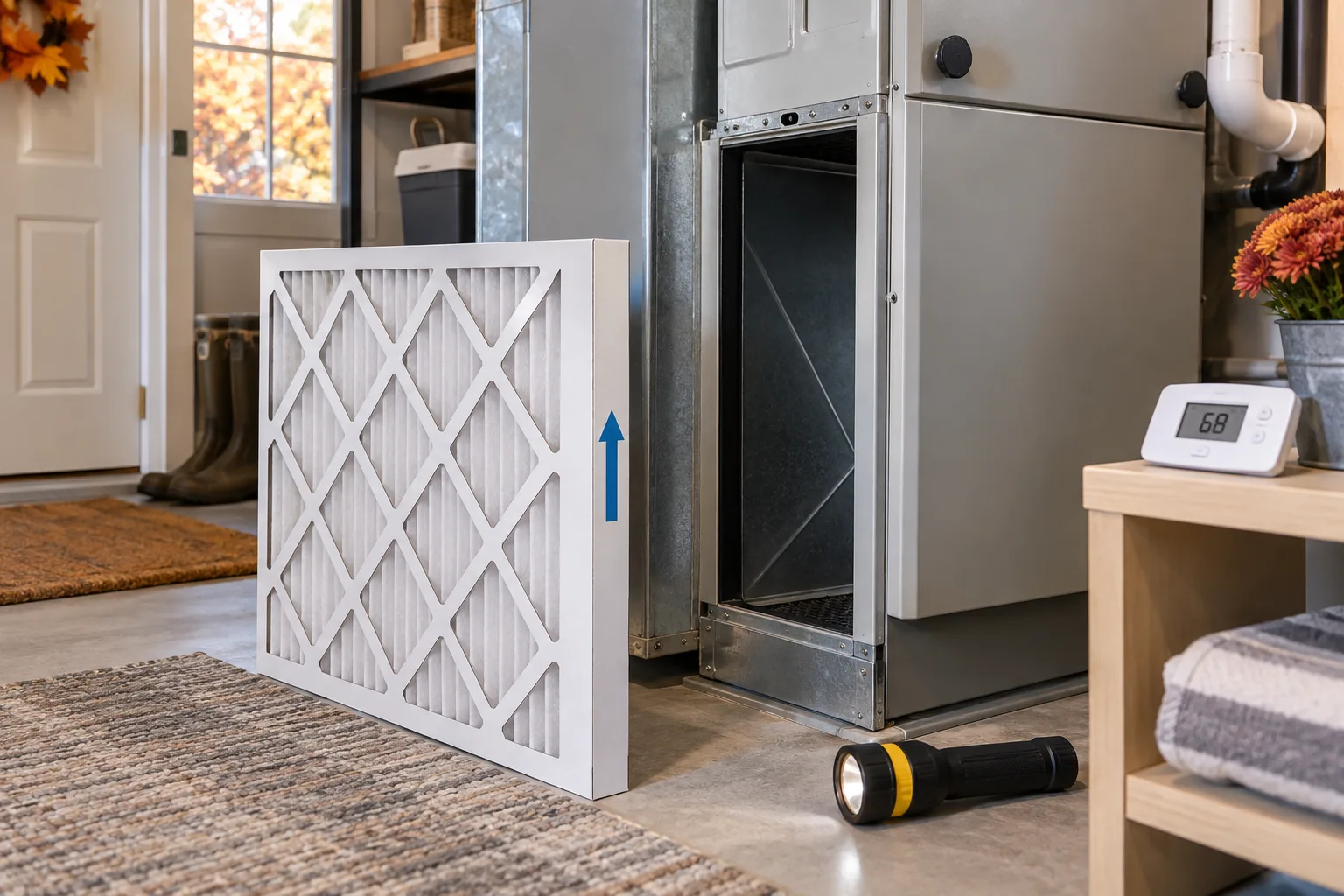
Before the First Cold Night: A Safe Furnace and HVAC Filter Checklist
A clean filter is only the beginning of fall heating preparation. Use this practical checklist to improve airflow, catch simple problems early, and recognize the signs that require a licensed HVAC professional.

CHIME Detects the Universe’s Faint Hydrogen Glow Without Borrowing a Galaxy Survey
A Canadian radio telescope has demonstrated that it can recover the large-scale hydrogen signal from five billion years ago using its own observations. The result validates a cheaper route to mapping cosmic expansion, while leaving the hardest precision tests ahead.


Unitree AS2-W and the case for wheel-legged robots
Unitree’s new AS2-W is not just another robot dog clip. It shows why robotics companies are mixing wheels and legs, and why buyers should ask harder questions about autonomy, safety and developer access.


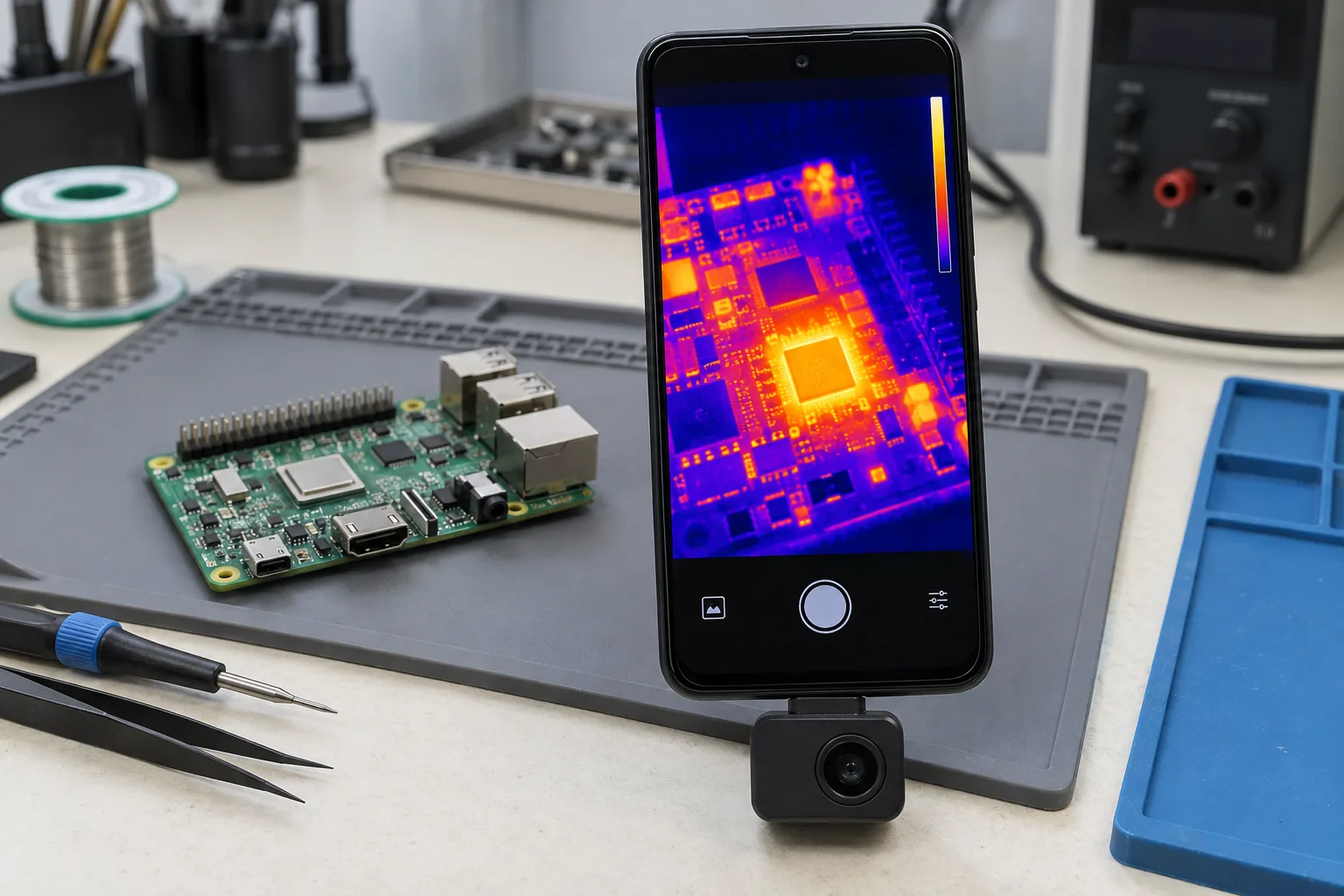
Phone thermal cameras from marketplaces: what a $300 plug-in imager can actually diagnose
USB-C thermal cameras are becoming a tempting marketplace buy for electronics, HVAC and home checks. Here is what the category can reveal, where temperature readings mislead, and which buyers should skip the gadget.
Comments
Sign in to comment.
No comments yet.