eBay’s New FCC-ID Rules: What Ham-Radio Sellers and Buyers Need to Check
eBay has tightened radio-equipment listings after new FCC marketplace rules took effect, while ham-band-only equipment remains exempt from FCC-ID display requirements. The practical question is whether a radio is truly limited to amateur frequencies.

What changed on October 13, and what did not
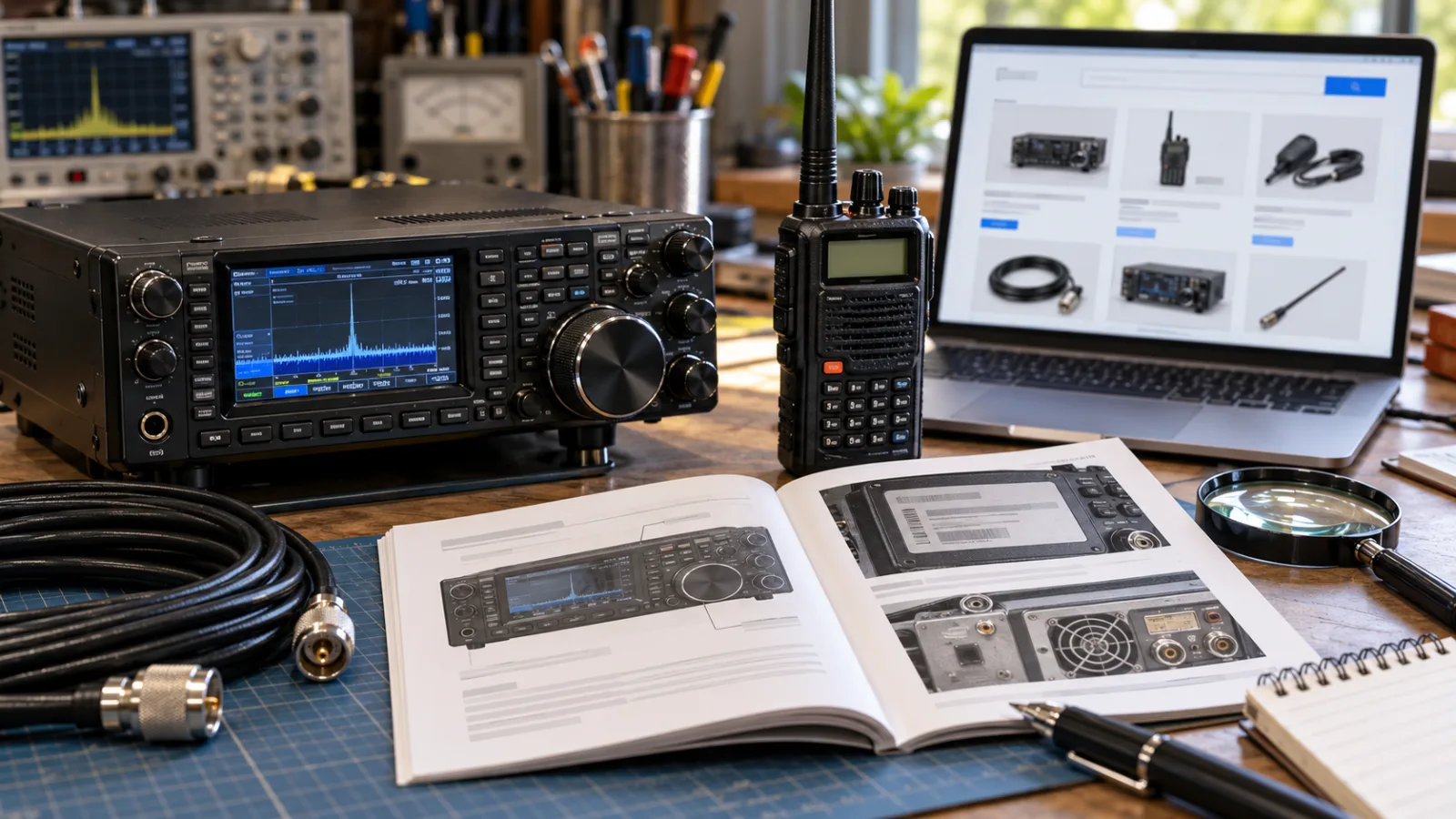
On October 13, 2026, radio listings came under a sharper compliance focus because of two related but separate developments: the FCC clarified how equipment-authorization rules apply to online marketing, and eBay introduced tighter controls for covered radio equipment. The distinction matters. The FCC’s framework sets the legal context for products offered in the United States, while eBay’s policy determines what a seller may publish on its marketplace. A listing can therefore be restricted by eBay even when the underlying issue is not whether amateur operators may use the equipment, but whether the product is being marketed under rules that require authorization information.
The FCC’s 2026 equipment-authorization order treats online marketplaces as part of the process through which covered radio-frequency devices are marketed. Where equipment is subject to FCC certification, the marketplace presentation must display the relevant FCC identification information. That number does not replace certification and does not make an uncertified product compliant. It connects the device to its authorization record, giving sellers, buyers, and regulators a way to identify the product being offered. In practical terms, information that could previously remain buried in technical paperwork becomes a visible part of the online sale.
This does not mean that every radio listed online suddenly requires an FCC ID. The order distinguishes between categories of equipment, and some marketplace implementation dates extend into 2027 depending on the applicable provision and platform model. The legal framework and the date on which a particular marketplace workflow changes are therefore not necessarily identical. Sellers should not interpret an October restriction as proof that every FCC provision took effect in exactly the same way on that date. At the same time, a later implementation date does not automatically make a listing acceptable under eBay’s own rules.
The FCC also did not broadly replace the authorization structure for amateur-radio equipment. Amateur operation remains tied to the license-based framework, including the operator’s authorization, the frequencies and emissions allowed by the applicable rules, and the technical limits governing the service. The change is principally about marketing and marketplace compliance: how equipment is offered, identified, and screened for sale. It does not create a new operating privilege or make an otherwise unlawful transmission lawful. The FCC fact sheet and the ARRL explanation of eBay’s policy should therefore be read as describing a sales and authorization issue, not a change to the privileges of amateur licensees.
That distinction makes the headline “FCC ID required” too broad if it is applied to every transceiver, receiver, or accessory associated with amateur radio. The useful question is narrower: is the particular device covered by the FCC equipment-authorization rules that apply to the listing, or is it capable of operating only on frequencies allocated to the Amateur Radio Service? The answer depends on the unit’s actual transmit capability and technical documentation, not on a seller’s category choice or on a marketplace title such as “ham radio.”
For sellers, the immediate change is operational. A listing may be rejected, limited, or require information that was not previously prominent, especially when the product appears to be a general-purpose or multi-service transmitter. Buyers should likewise avoid assuming that an available listing has already been technically vetted. A missing FCC ID, an incomplete specification, or a vague description does not by itself resolve the classification question. Conversely, an FCC ID does not answer every question about amateur-band use, the unit’s condition, its configuration, or whether a proposed operation is lawful.
Online marketplaces must make these distinctions using short titles, photographs, item specifics, and seller-entered technical details, while the legal question may depend on the transmitter’s permitted frequency range and the service for which the equipment was authorized. That creates room for both mistaken removals and insufficiently detailed listings. The result is a compliance check at the point of sale, not a general change to amateur-radio operation. The next issue is the boundary of the ham-band-only exemption—and why equipment that looks like ordinary amateur gear can fall outside it when its transmitter can operate beyond amateur allocations.
The ham-band-only exemption has a narrow boundary
The key distinction in eBay’s revised treatment is not whether a listing uses the words “ham radio.” It is whether the equipment is capable of transmitting only on frequencies allocated to the Amateur Radio Service. ARRL’s clarification of eBay’s policy says that equipment confined to amateur bands may be listed without displaying an FCC ID. That exception reflects the different regulatory framework applied to amateur-radio equipment: operation is tied to an applicable amateur license and the relevant band plan, rather than to the same equipment-authorization path used for many other radio devices.
That boundary matters because amateur equipment can look similar to radios intended for several services. A handheld or mobile transceiver may be marketed to radio amateurs, yet still have transmit capability outside the amateur allocations. In that case, its description as a “ham radio” does not establish that it qualifies for the ham-band-only treatment. The practical question is the radio’s actual transmit capability, not the seller’s category, the community that commonly uses it, or the fact that an individual buyer intends to operate it only on amateur frequencies.
The distinction is especially important for VHF and UHF equipment. A radio that transmits only within the amateur portions of those bands can fall within the exemption described by ARRL and eBay. A radio that can transmit on frequencies outside those amateur allocations raises different certification questions for sale or importation in the United States. Receive coverage alone is not the same issue: a unit may be able to listen across a broad range while remaining limited, for transmission, to amateur frequencies. Conversely, a configurable transmitter may create a compliance issue even if the listing presents it as an ordinary two-way amateur transceiver.
For sellers, this means the exemption should be supported by precise technical information rather than by a general product label. The relevant evidence is the equipment’s documented transmit range and configuration, including the manufacturer’s specifications and manual where available. A model name, a photograph of the front panel, or a statement that the radio is “for ham use” may not resolve the question if the device’s specifications show broader transmitting capability. Buyers face the same practical issue when evaluating a used listing: the absence of an FCC ID is not, by itself, proof that a listing is improper, but it also is not proof that the radio is limited to amateur bands.
The exemption also does not create a new operating privilege. A qualifying radio still has to be used under the applicable amateur authorization and within the frequencies, modes, and other limits that govern the operator. The marketplace question—whether eBay may list the equipment without an FCC-ID display—and the operating question—whether a person may transmit with it in a particular situation—are related but separate. Keeping those questions apart helps explain why an amateur-band-only radio can receive different listing treatment without making every broadly tunable VHF/UHF radio equivalent to it.
A practical checklist for sellers and buyers
For a seller, the first question is not whether a listing uses the words “ham radio.” It is what the equipment can transmit across every supported mode and frequency range. A transceiver that operates only on frequencies allocated to the Amateur Radio Service falls within the ham-band-only exemption described in the marketplace guidance. A radio that can transmit outside those allocations requires a different review. The product category or marketing language does not settle that technical distinction.
Start by recording the exact make, model, and variant. Different regional versions can have different frequency coverage, firmware, labeling, or authorization status, so a photograph of the front panel is not enough. Check the manufacturer’s label, the model-specific manual, and the specifications for transmit coverage and operating modes. The relevant issue is transmit capability, not simply the range shown in a receiver specification. Wide receive coverage does not by itself establish that a radio can transmit throughout that range; a device described casually as a “dual-band” amateur unit may still require closer inspection if its transmit range extends beyond amateur allocations.
The listing should make this boundary easy to verify. Include clear photographs of the identification label and, where useful, the manual pages that state the supported transmit bands and modes. If the equipment is subject to an FCC-ID display requirement, preserve the identifier exactly as shown rather than substituting a model nickname or seller shorthand. If the unit is ham-band-only, describe that limitation precisely. “Transmit capability limited to Amateur Radio Service bands” is more useful than an unqualified claim that the radio is “FCC approved” or “legal everywhere,” neither of which necessarily describes the full situation.
Used equipment needs the same care as new equipment. A second-hand sale is not made safe merely by describing the radio as vintage, pre-owned, or previously operated by a licensed amateur. Keep the original label and document the condition of the unit, including modifications that could affect its transmit range or configuration. If the radio has been repaired, modified, unlocked, or fitted with replacement firmware, do not assume that the factory description still answers the marketplace question. An easily changed setting is also a weak basis for a categorical claim: a menu restriction or software option may not demonstrate that the hardware is permanently limited to amateur frequencies.
Buyers can apply the same checks before paying. Ask for the exact model and variant, then compare the seller’s photographs and specifications with the manufacturer’s documentation. Confirm that “wideband receive” has not been confused with wideband transmit, and look for an explicit account of every supported transmit range and mode. Be cautious when a listing relies only on a title, a stock photograph, or a statement that the device is “for ham use.” Those descriptions may identify the intended audience without establishing the capability that determines how the listing should be handled.
Documentation also matters when an automated marketplace decision is wrong. A seller whose legitimate amateur equipment is blocked should assemble the facts that distinguish it from a mixed-purpose or out-of-band transmitter: the identification label, the model-specific manual, the transmit specifications, and an explanation of any fixed limitations. An appeal supported by those details is more useful than simply repeating that the seller has a license or that amateurs have traditionally used the radio. A license may matter to operation, but it does not replace a clear description of the equipment itself.
Finally, listing compliance and operating compliance are separate checks. A device may qualify for ham-band-only listing treatment while the person using it still must operate under the applicable amateur authorization, frequency allocations, band plan, and other operating rules. Conversely, an FCC ID, where one is required, is not general permission to transmit on any frequency or in any service. Before completing a transaction, both sides should be able to answer two different questions: what the radio is technically capable of transmitting, and whether the intended operator may lawfully use it in the intended way.
Why this matters beyond one marketplace
The practical effect of the change is larger than a new field on an eBay listing. It creates another compliance checkpoint for used-equipment sellers, kit builders, resellers, and buyers of mixed-purpose handheld radios. A radio can be widely described as a “ham radio” and still require closer review if its transmitting capability extends beyond the amateur bands. Conversely, equipment designed to operate only on frequencies allocated to the Amateur Radio Service may fall within the ham-band-only exemption even when the marketplace’s automated checks do not recognize that distinction.
That gap between technical reality and listing data is where market friction is likely to appear. Automated systems generally work from product categories, model information, keywords, and standardized fields. Those signals may not capture the difference between receive coverage and transmit capability, or between a radio that is permanently limited to amateur frequencies and one that can transmit elsewhere. A used radio may also lack the original packaging or a clearly legible label, while a kit or modified unit may not fit the assumptions built into a catalog entry. As a result, a legitimate amateur-radio listing can be flagged, delayed, or removed even when the underlying equipment is suitable for the stated use.
Sellers facing that problem should respond with precise technical evidence rather than relying on the title of the listing. The useful material is the model number, photographs of the equipment label, the manufacturer’s manual, and a clear description of the frequencies on which the unit can transmit. If the documentation distinguishes receive range from transmit range, that distinction should be stated explicitly. The same is true of any limitation that is part of the equipment’s design; a vague statement that a radio is “for ham use” is less informative than a documented explanation of its actual transmit capability. Keeping those records also helps when a seller later needs to appeal a marketplace decision or answer a buyer’s question about why an FCC ID is, or is not, shown.
Buyers should apply the same discipline before purchasing used gear. They should not treat a missing FCC ID as conclusive proof that a listing is improper, because ham-band-only equipment can be exempt from the display requirement. Nor should the presence of an amateur-radio label establish that a unit is covered by the exemption. The relevant question is what the radio is capable of transmitting, not simply how it is marketed. A buyer should therefore compare the listing with the manual and label, ask for the missing technical details when necessary, and distinguish a radio’s legal sale from the buyer’s separate responsibility to operate it under the applicable license and band plan.
The issue is especially important for mixed-purpose handhelds and other equipment that sits between amateur and general commercial categories. Such products can be attractive precisely because they combine functions, but that combination can make a short listing description misleading. A firmware option or user-selectable setting should not be treated as the sole basis for a compliance conclusion when the equipment’s documented capabilities are broader. The central task is to establish the complete transmit range and the status of the specific unit being offered, including whether it is new, used, assembled, or otherwise different from the manufacturer’s standard configuration.
This is also why the US conclusions should not be exported automatically to other markets. The FCC’s equipment-authorization framework, eBay’s marketplace rules, and the licensing arrangements for amateur operation are US-specific reference points. Canada, the European Union, and other jurisdictions may apply different authorization, labeling, import, or online-sales requirements. A seller shipping internationally therefore needs to treat the US analysis as a jurisdiction-limited guide, not as a universal rule for every destination.
The broader lesson is one of documentation and classification, not a new operating privilege for amateur radio. Sellers can reduce avoidable disputes by describing equipment technically and retaining evidence of its capabilities. Buyers can reduce risk by checking the transmit range instead of relying on a category label. And when an automated marketplace decision appears to misclassify legitimate equipment, the strongest appeal will be the one that connects the exact model and its documented transmit limits to the applicable exemption, while recognizing that marketplace enforcement and legal authorization remain separate questions.
Related articles

After AliExpress’s €550 Million Fine: How to Check a Marketplace Gadget Before You Buy
A marketplace listing can look polished and still leave the important safety questions unanswered. Here is a practical pre-purchase check for chargers, batteries, lights and other electronics, using recent regulator findings as context.
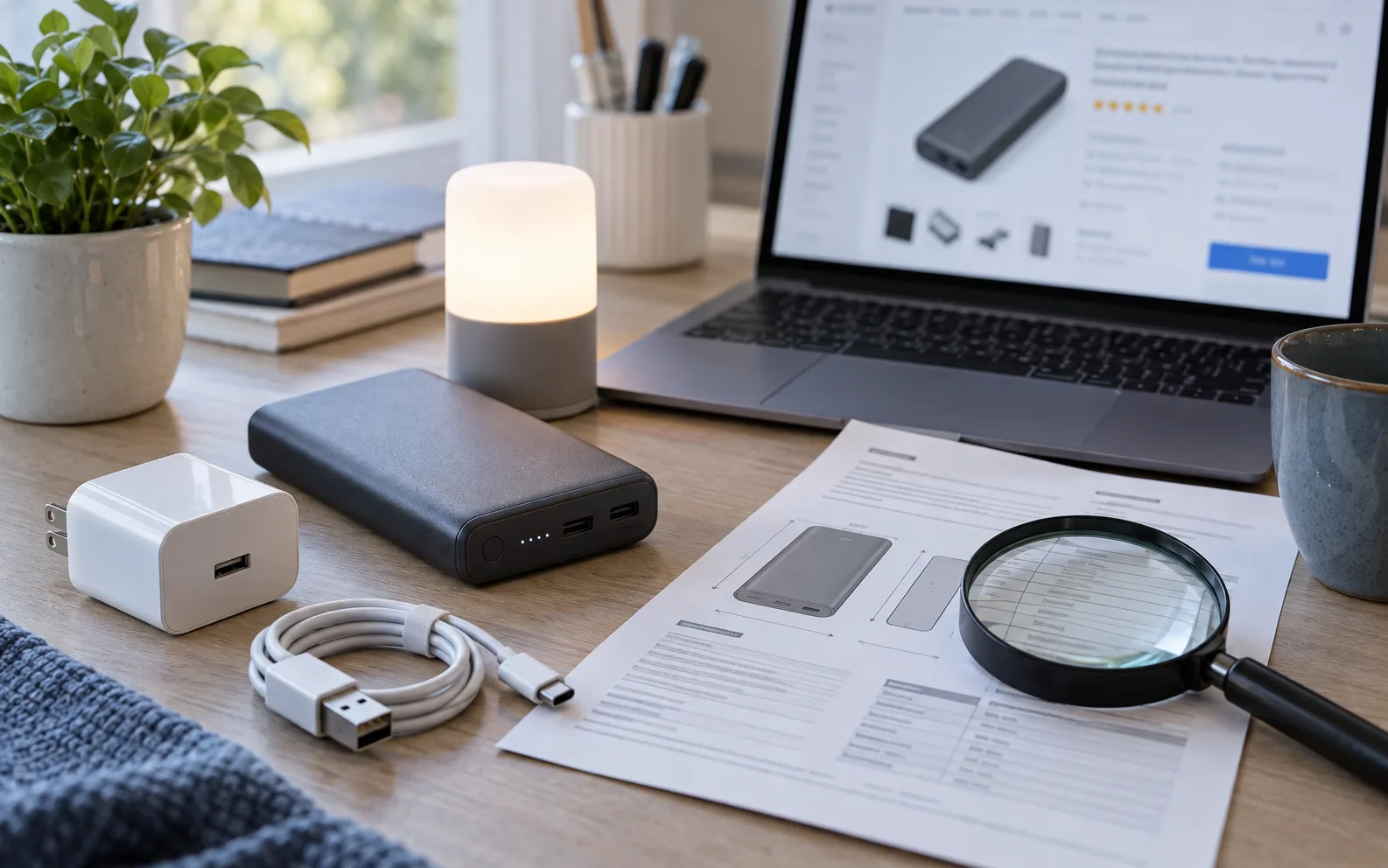

Power banks are useful, but recent recalls show why you should check the battery in your bag
Repeated recalls involving Casely, Anker and lithium-ion travel batteries turn the humble power bank into a practical safety check for 2026.
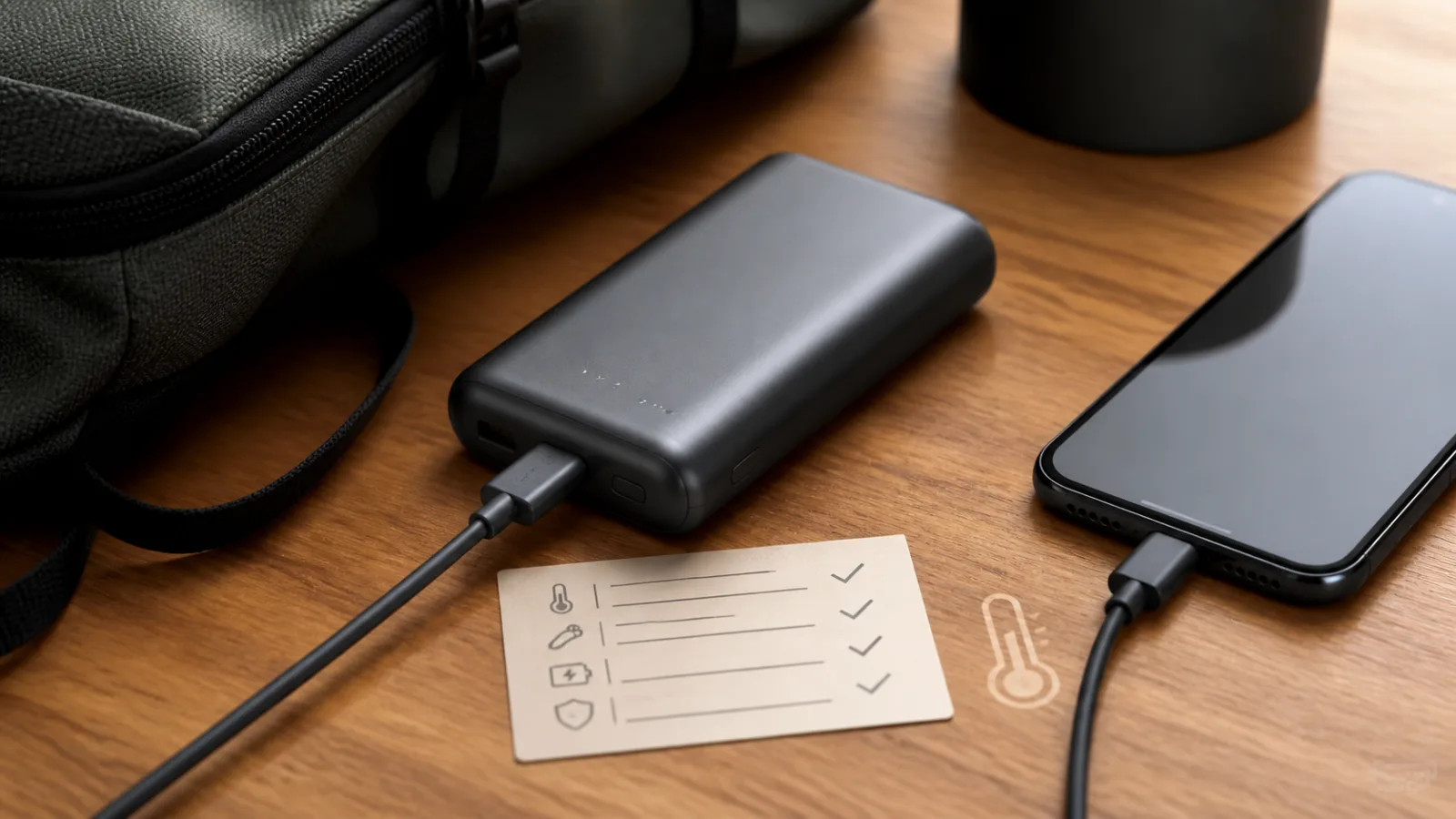
Power bank в сумке: почему отзывы из-за пожаров заставляют проверить внешние аккумуляторы
Повторные отзывы Casely, случаи с Anker и правила перевозки литиевых батарей превращают обычный power bank в обязательный чек-лист безопасности.
После штрафа AliExpress на €550 млн: как проверить электронику на маркетплейсе до покупки
Красивое объявление на маркетплейсе не отвечает на главные вопросы о безопасности. Разбираем, как проверить зарядные устройства, аккумуляторы, светильники и другую электронику до покупки — с учётом недавних выводов регуляторов.
Comments
Sign in to comment.
No comments yet.