
Health Myths Checked
Latest publications
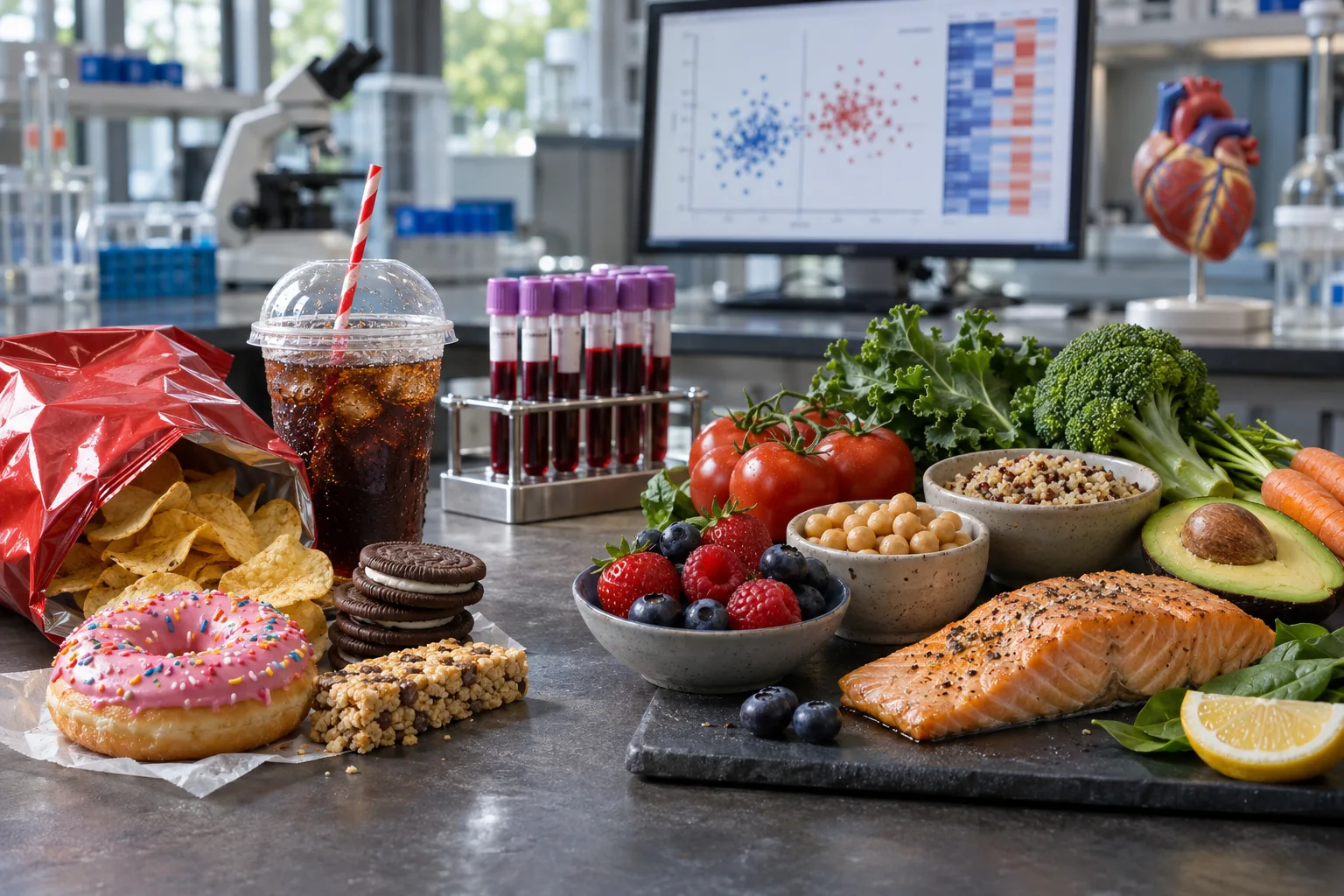
Do Blood Signatures Prove Ultra-Processed Foods Cause Heart Disease? What the New Study Actually Shows
A new 20-year cohort study links blood-metabolite patterns associated with ultra-processed and minimally processed diets to cardiovascular disease and type 2 diabetes. The findings strengthen the biological case, but they do not turn an observational study into proof of causation.
Does Late-Night Eating Harm the Liver? What the New Study Shows—and What It Cannot Prove
A large analysis links eating after dinner or bedtime with higher rates of MASLD and cirrhosis. The finding is worth examining, but it does not prove that one late snack causes liver disease or establish a universal eating schedule.

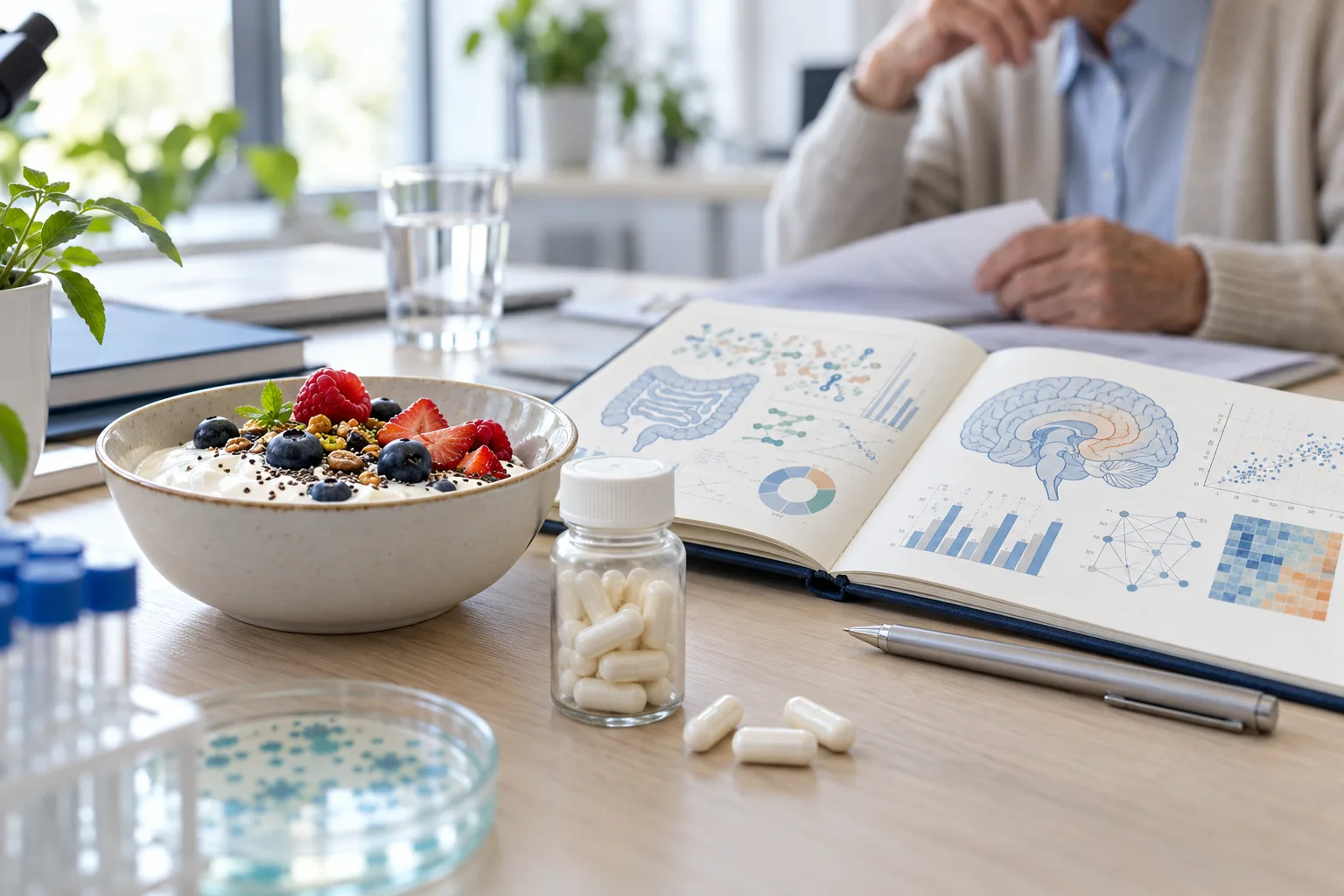
Can Probiotics Protect Memory? What the New 24-Week Trial Actually Found
A small randomized trial linked one three-strain probiotic formulation with lower blood pTau181 and better performance on selected visuospatial tests. The result is interesting, but it does not show that probiotics prevent Alzheimer’s disease or work the same way for everyone.
Does Cutting Recreational Screen Time Make Children More Active? What a Danish Trial Found
A Danish randomized trial found that children moved more after their families sharply reduced recreational screen use for two weeks. The result is real, but it does not justify a universal screen ban or a magic daily limit.

Can Creatine Build Lean Tissue Without Exercise? What the New Trial Actually Found
A new Texas A&M trial has been widely described as evidence that creatine builds muscle without exercise. The result is more limited—and more interesting—once the study design, DXA measurements, and earlier reviews are examined.
Do Collagen Supplements Help Skin or Joints? What the Newest Trials Can—and Cannot—Show
Collagen powders and drinks are marketed for smoother skin and easier movement. Recent reviews give a more cautious answer: pooled results look promising, but study quality, industry funding and inconsistent joint outcomes change the picture.
Can Coffee Disrupt Sleep Even If You Fall Asleep Normally? What EEG Research Shows
A new review and recent sleep studies suggest caffeine can alter the brain’s overnight activity even when it does not obviously delay bedtime. Here is what that finding means—and what it still cannot prove.
Do cold plunges reset dopamine or improve mental health? What the newest review actually says
Cold plunges are being sold as a fast mood reset. A new review finds plausible biology and some short-term mood signals, but not enough evidence to treat anxiety, depression or stress as solved by ice water.

When clean eating posts stop being harmless: what new research says about food rules online
A new content analysis of TikTok and Instagram wellness posts adds detail to a familiar concern: healthy eating advice can slide into rigid food rules, body comparison and misleading claims. The issue is not vegetables. It is certainty without context.
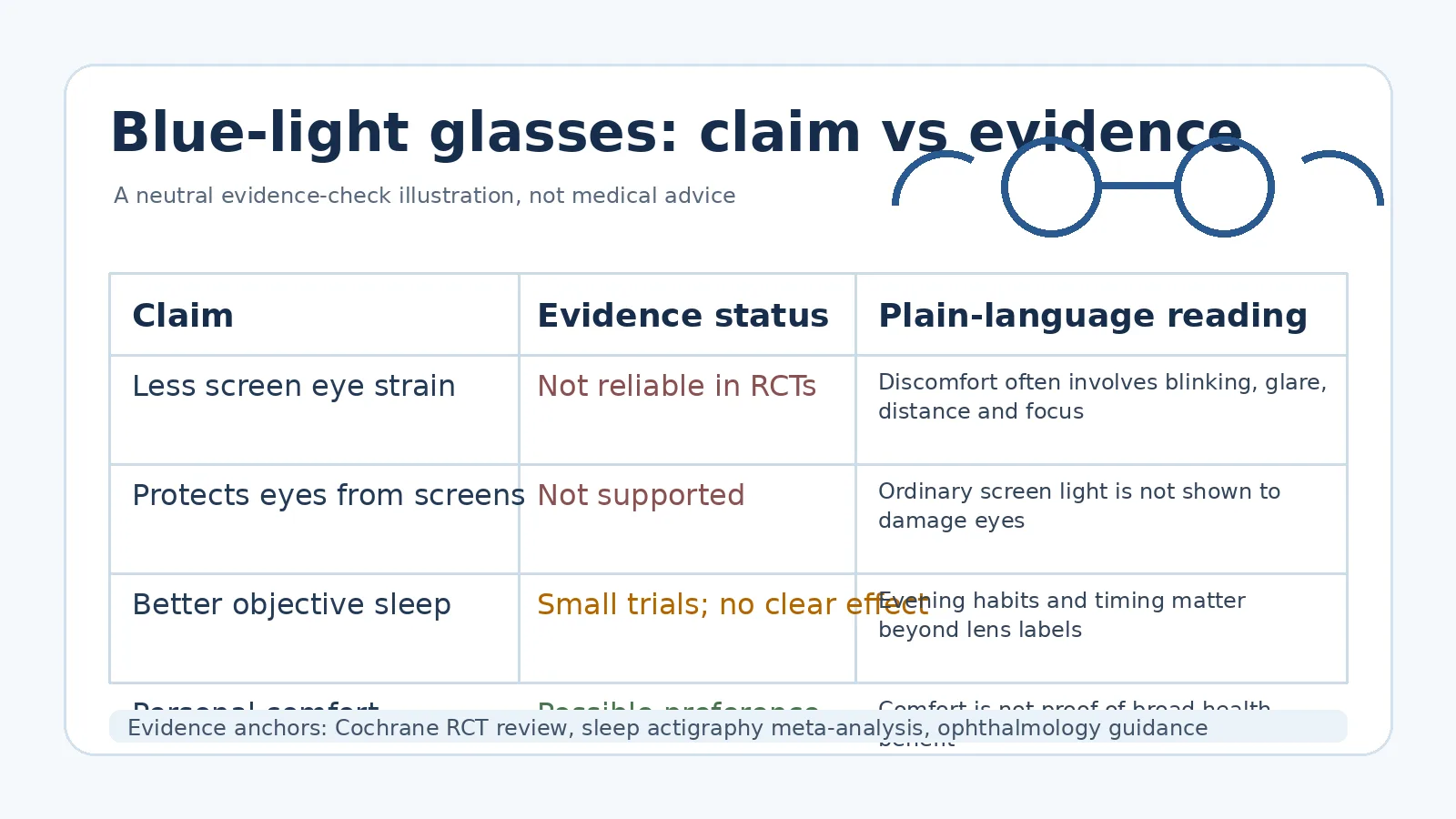
Do blue-light glasses really help eye strain and sleep? What trials show
A plain-language evidence check separates screen-comfort preferences from stronger claims about eye strain, screen damage and sleep.
Are seed oils really inflammatory? What human studies say about the viral cooking-oil claim
A calm evidence check separates viral seed-oil warnings from human research on linoleic acid, inflammation, saturated-fat swaps and overall diet.

Do probiotic sodas really help your gut? What the evidence can and cannot say
A plain-language check of the gut-health soda boom, separating plausible microbiome science from claims a can cannot prove.