Tech sovereignty is becoming a product requirement
Europe’s AI and cloud debate is moving from speeches into procurement, outages, and vendor choices.
The week’s most useful technology story is not a single launch. It is the way dependence has become visible. Reports about Anthropic access problems in Europe, the European Commission’s push for tech sovereignty, and renewed debate over reliance on US cloud providers all point to the same pressure: buyers now ask where the model runs, who can cut access, and what happens when policy changes faster than architecture.
Sovereignty is no longer abstract
For years, “digital sovereignty” sounded like conference language. Now it is a procurement question. A company adopting AI wants performance and price, but it also wants continuity. If access to a model, cloud region, or compliance path can change suddenly, the technical choice becomes a business risk.
Cloud dependence is the harder problem
Europe can fund models and data centers, but cloud ecosystems are sticky. Identity, logging, storage, managed databases, developer tooling, and billing all live together. Replacing a provider is not like changing a laptop brand. It is more like rewiring a building while people are still working inside.
Big vendors are adapting
Microsoft’s AI device push and Apple’s reported work with Google and Nvidia show another reality: even the richest technology companies assemble AI stacks from partners. Sovereignty will not mean isolation. It will mean clearer contracts, portable data, regional capacity, and honest fallback plans.
The practical test
The question for buyers is simple: can your organization keep operating if one model vendor changes terms, one cloud service becomes unavailable, or one jurisdiction adds a new rule? If the answer is no, the architecture is not finished.
The useful shift is that resilience is becoming part of the product, not an afterthought written into a risk slide.
Related articles

The best tech news this week is quieter than the hype
Climate tools, accessibility debates, and education platforms show technology doing useful work without asking for applause.

Inclusive Color Space is good tech because it makes better avatar defaults easier
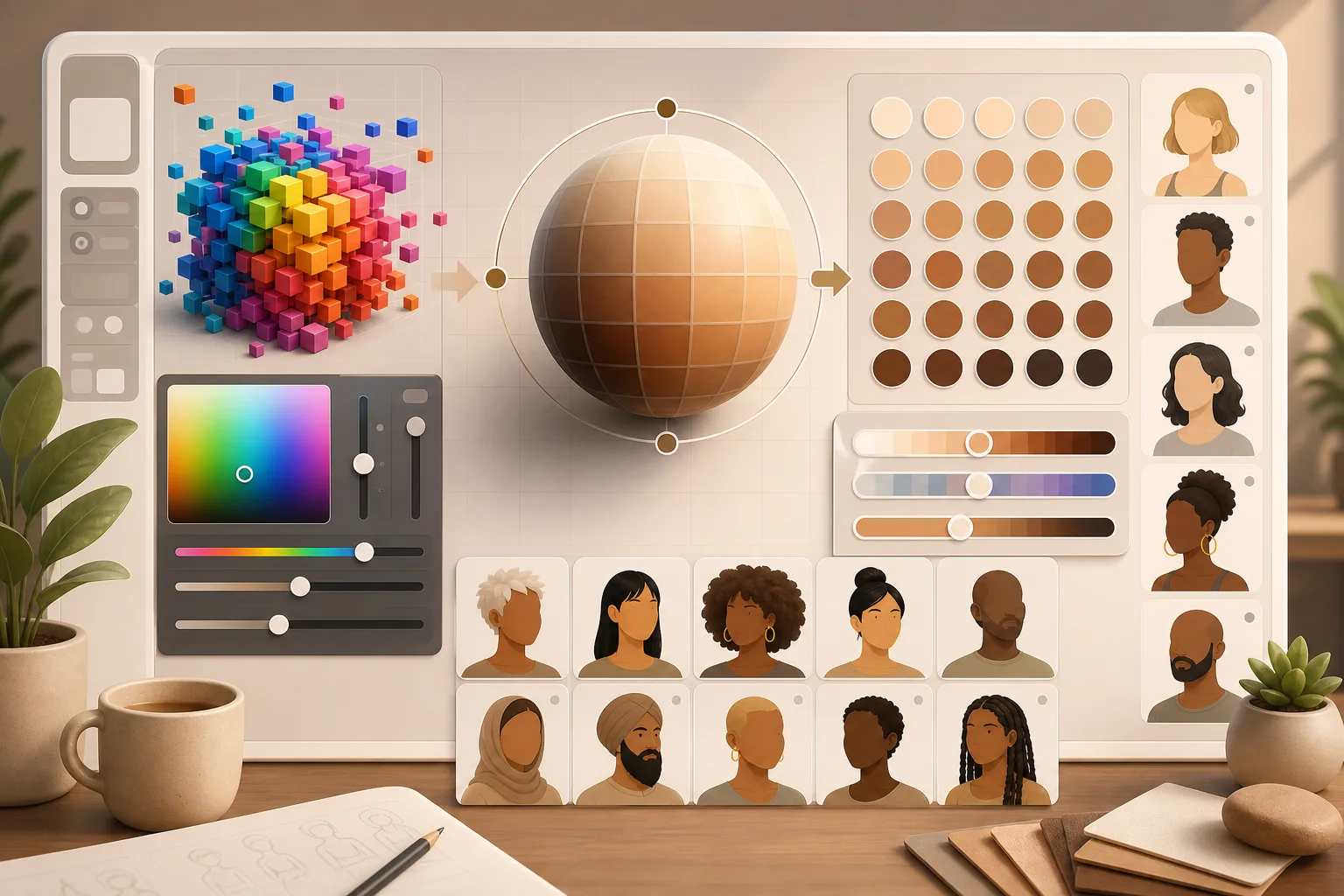
A small MIT-licensed color picker turns a messy representation problem into practical design infrastructure for games, avatars and creative tools — while openly admitting what it cannot solve.
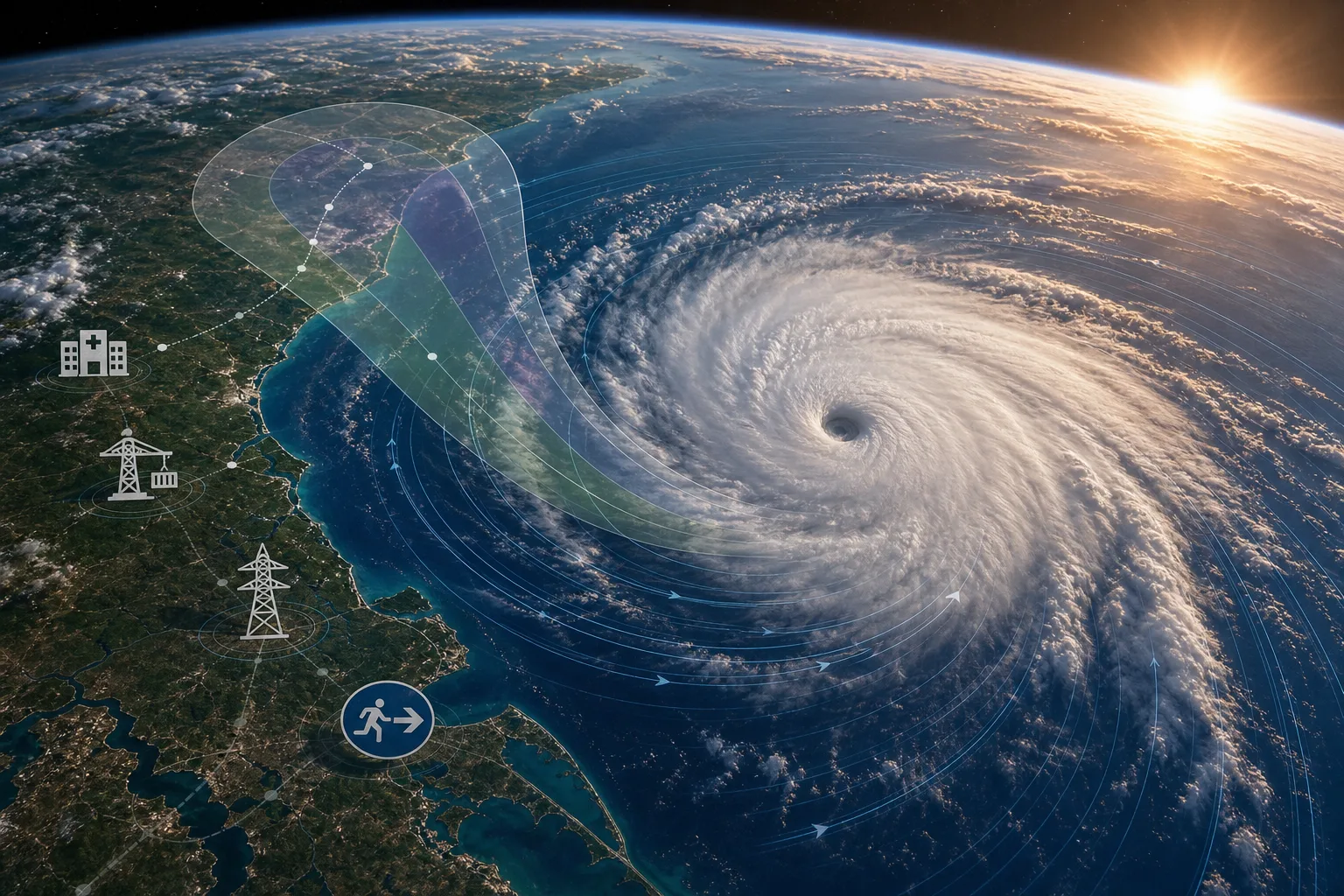
An extra day before the cyclone: why WeatherNext is a real good-tech story
DeepMind’s open WeatherNext Cyclones model points to about a day more useful warning time, but its value depends on public forecasters, official alerts and careful validation.
A tick test, not a human diagnosis: why LymeAlert can still be good tech news
LymeAlert promises a 15–30 minute home test for Borrelia burgdorferi in a removed tick. Its value is risk context, not a do-it-yourself Lyme disease diagnosis.
Comments
Sign in to comment.
No comments yet.