Software updates are becoming infrastructure events
A calm look at why cloud changes, developer tooling, and AI features now need slower rollout discipline.

Software updates used to feel like product housekeeping. A release note arrived, a feature changed, a dashboard moved. Now the same kind of change can touch code review, authentication, billing, security monitoring, AI usage, and customer operations in the same week.

That is the useful thread across current technology news: the software layer is no longer a neat layer. GitHub’s newer Copilot metrics, cloud dashboards, platform policy changes, and AI features all land inside workflows that companies depend on daily.
A feature can become an operational event
When a developer platform changes metrics, permissions, or automation defaults, it affects more than developers. Finance may see new consumption numbers. Security may need new audit rules. Managers may treat a dashboard as proof of productivity before anyone understands what it measures.
The risk is not that software changes. Software should change. The risk is treating operationally sensitive changes as if they were ordinary interface polish.
AI makes measurement tempting and slippery
AI tools are especially hard to measure. A suggestion accepted by a developer is not the same as correct code. A generated test is not the same as meaningful coverage. A faster draft is not the same as a better decision.
That does not make the tools useless. It means organizations need patience. Useful measurement starts with the job being done: fewer support tickets, faster incident repair, cleaner migrations, better documentation. Raw usage numbers are a starting point, not a verdict.
Cloud convenience has a blast radius
Cloud platforms made deployment easier, but they also made small changes travel far. A permissions tweak, a rate limit, a billing rule, or a default model update can ripple through teams that never chose the change directly.
Good IT leadership now looks less like chasing every feature and more like release hygiene: staged rollouts, rollback paths, audit logs, owner lists, and plain-language notes for users who just need to keep working.
The reader takeaway
Treat important software updates like small infrastructure events. Read the release note, but also ask who owns the change, how it will be measured, what breaks if it is wrong, and how to reverse it.
The companies that handle the next wave well will not be the ones with the longest feature list. They will be the ones that can absorb change without turning every Monday morning into a systems exercise.
Related articles
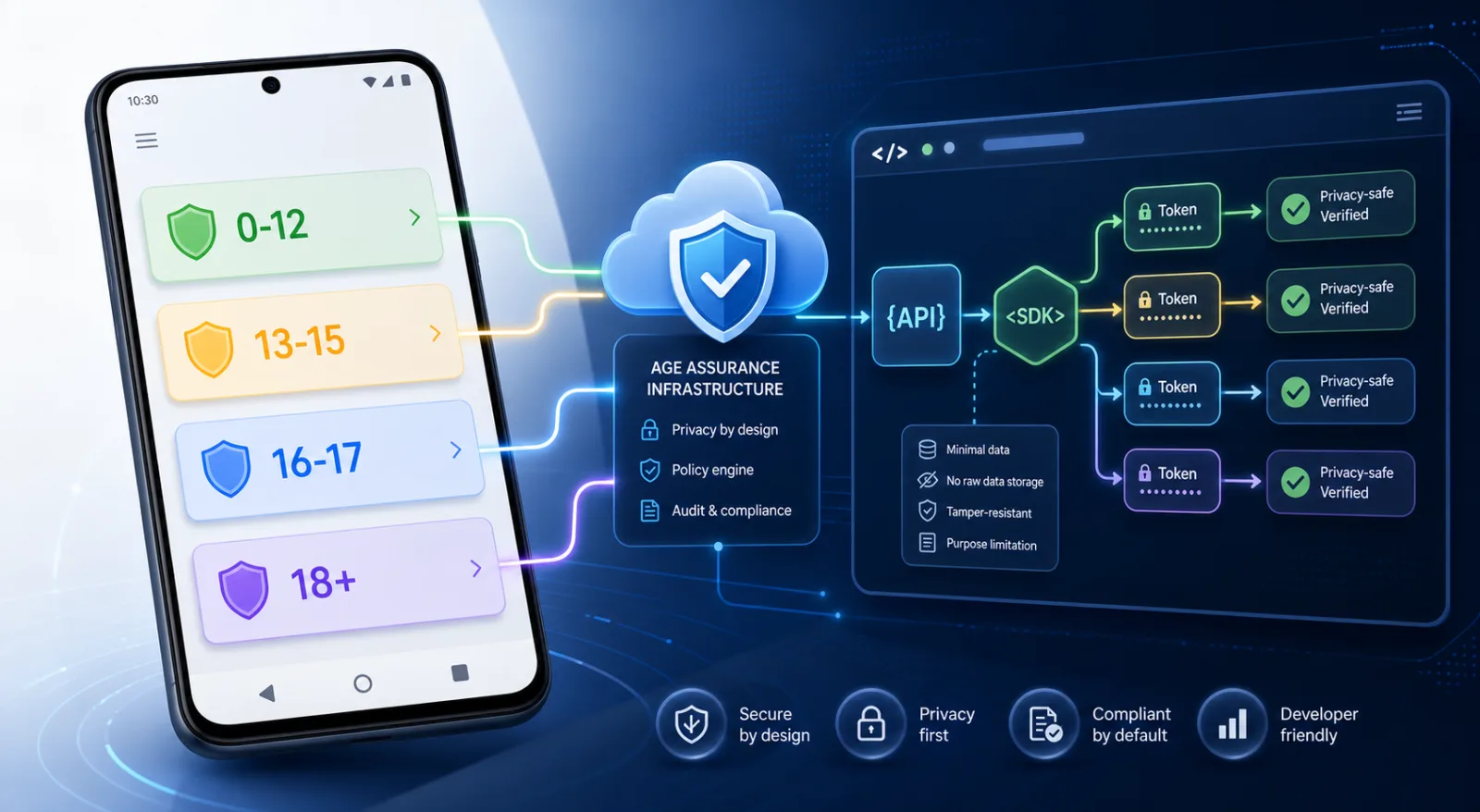
Google Play Age Signals turns age checks into a platform API
Google is rolling out an Android age-signal interface for Play developers. The hard part is not the SDK; it is the new platform dependency around privacy, compliance and product design.
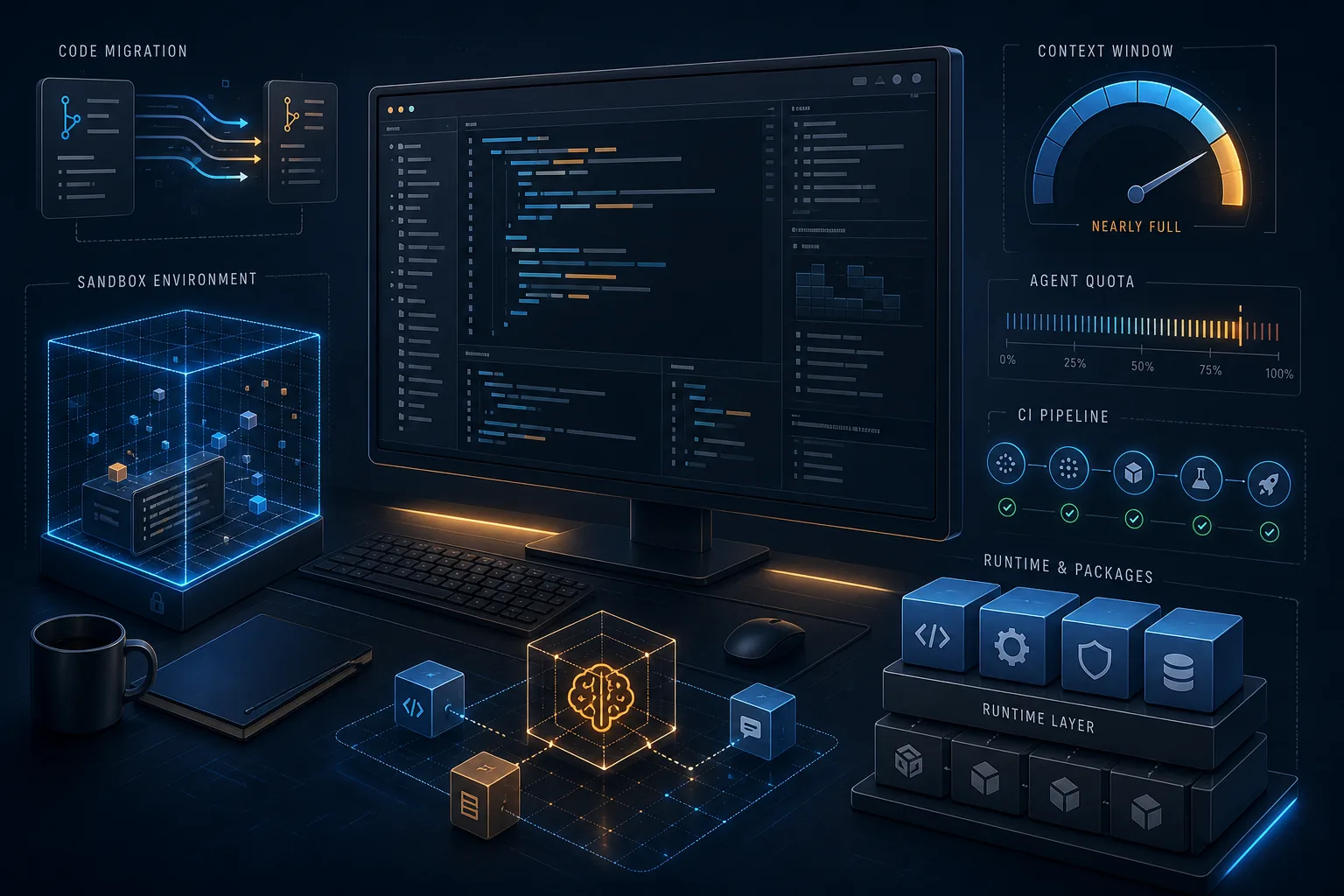
AI coding agents are becoming infrastructure. Treat them that way.
Claude Code, Bun, Codex and OpenCode show why development teams now need platform controls for the agents that read, edit and run their code.
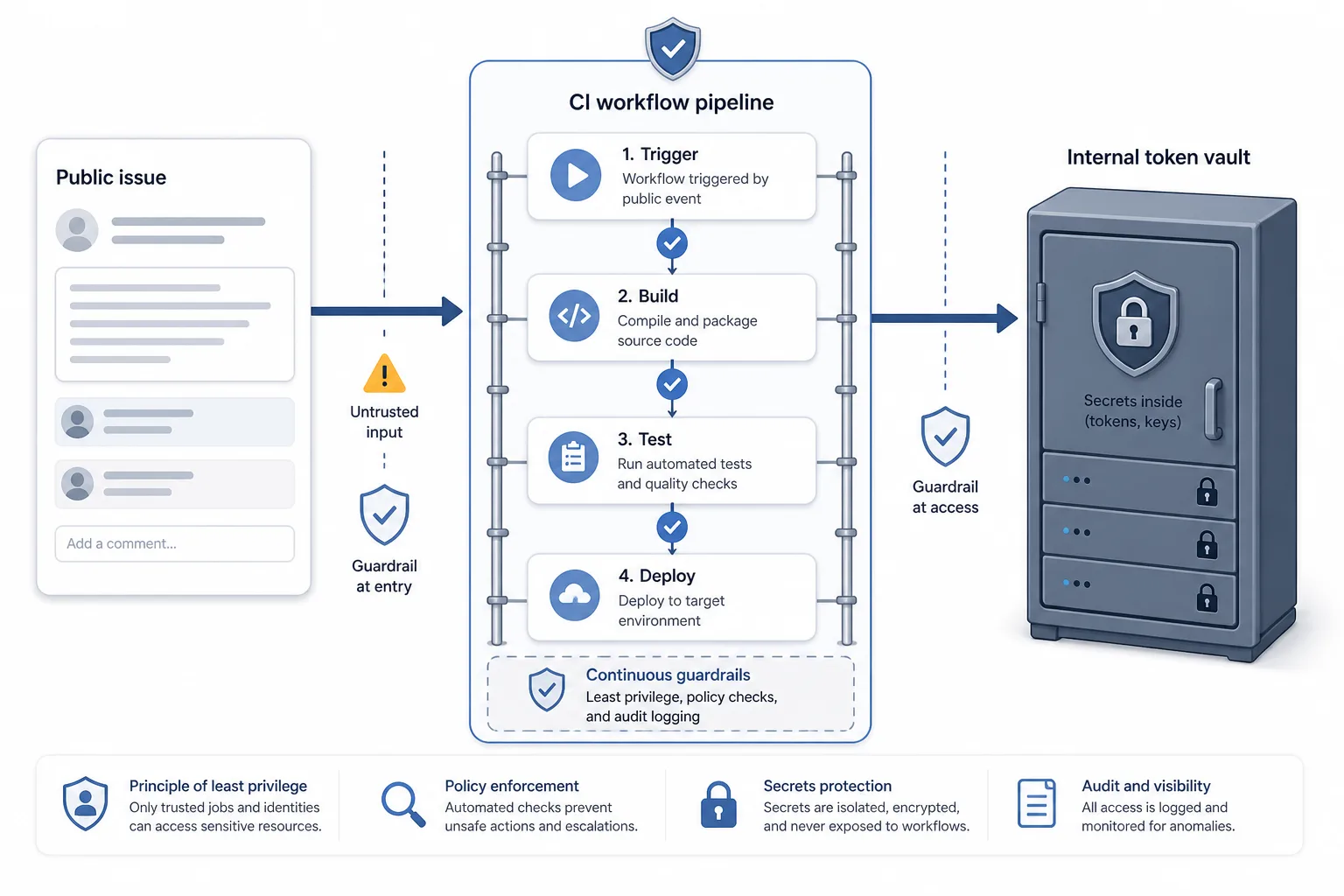
Snowflake’s GitHub Actions lesson: when a public issue becomes CI/CD input
Wiz’s Red Agent case is not evidence of a Snowflake customer breach. It is a calm warning that public repository events, workflow glue code and long-lived internal tokens need production-grade controls.

Before switching to Gemini for Home, treat it like a whole-home migration
Google’s smart-home AI assistant may make Nest speakers more useful, but the official no-return rule changes the risk. Check devices, people, routines, subscriptions and fallbacks before one click changes the voice layer of the whole home.

Comments
Sign in to comment.
No comments yet.