Anxious: This Printable Resource Can Help.
Teaches multiple techniques in simple manners and it also includes a weekly checklist to see whether or not you are improving or resorting to old behaviors.

Your relationship with anxiety can change.
There was a time when I couldn't comfortably go into public for an entire year. Everyday situations could feel overwhelming. Yet, over time, I became someone who could walk into public places, get on intercoms, make jokes, and participate in situations I once would have avoided.
What changed? I began learning that anxiety wasn't something I had to surrender to. I could learn from it, practice new behaviors, challenge my thinking, and gradually develop a different relationship with the world.
We spend 24 hours a day with our thoughts and emotions. Doesn't it make sense to spend some of that time learning how to navigate them?
7 Principles for a Different Thought Life
Say YES to life. When reasonably safe, accept invitations and try new experiences. You don't have to feel completely comfortable before participating. This teaches you how to navigate through anxiety, which makes you less afraid of anxiety in time.
Learn from anxious situations. If anxiety is going to show up anyway, use the opportunity to practice a new coping skill. You can find free ones on Youtube from licensed therapists. Or, ask AI for some new ones ;)
Replace fear with perspective. Instead of only asking, "What if the plane crashes?" consider, "What if the plane lands safely and I enjoy the destination?" Give rational, positive possibilities room in your thinking. The secret here is thinking about the positive/rational answer for a good minute or two. If you skip this step it won't work. Thoughts create emotions, so we need to focus on the positive for a minute or two.
Practice appreciation instead of lack. Notice what is working, what you have, and what you can look forward to. Constantly focusing on what we don't have creates emotional pain.
Choose your thought life intentionally. You may not control every thought that appears, but you can practice deciding which thoughts deserve your attention. If you have a major problem (i.e., should I break up, etc) give yourself a designated amount of time to think about it. The rest of the day you practice NOT thinking about it. Do this when it's safe. Remember, you live 24 hours with your thoughts and emotions...learning how to deal with both will benefit you immensely.
Develop an inner coach instead of an inner critic. Speak to yourself as you would encourage someone you love. Set boundaries, solve problems, and challenge unhelpful what-if scenarios. If you are mean to yourself, recognize it and change the script. Give yourself some compliments that are genuine and soothing.
Build a mental toolkit. Practice breathing exercises, problem-solving, creative writing, art, music, positive memories, and other healthy coping techniques. Explore educational resources, including YouTube and AI tools such as Claude, as supplementary sources of ideas.
OLD YOU vs. NEW YOU
| OLD PATTERNS | NEW PRACTICES |
|---|---|
| Avoided invitations. | Practiced saying yes when reasonably safe. |
| Imagined only negative outcomes. | Considered realistic and positive possibilities. |
| Let thoughts run unchecked. | Paused, examined, and redirected attention. |
| Escaped every anxious situation. | Practiced facing manageable challenges gradually. |
| Talked yourself out of experiences. | Encouraged yourself to participate. |
| Consumed media without considering its effects. | Chose music, television, news, and content intentionally. |
| Criticized yourself for feeling anxious. | Became your own inner coach. |
| Repeated the same coping patterns. | Experimented, reflected, and improved. |
The Mental Health Equation
Awareness + Practice + Reflection + Healthy Experiences = Opportunities for Growth
Anxiety often becomes less intimidating when we learn that we can experience it without allowing it to make every decision for us. Avoidance can reinforce fear, while gradual, manageable experiences can help build confidence. When we avoid places we think we relax. But, we get more anxious next time because we don't know how to get through anxiety.
When we face anxiety with intention (new coping skills), we learn how to navigate through it. Then, in time, we have a huge toolkit of anxiety-healing techniques, which reduces how we fear anxiety.
You don't need to master everything in one day. Try one new thing. This is about anxiety reduction. Do it at your pace. Practice one technique. Reflect on what worked.
Your goal isn't to become someone who never experiences anxiety. It's to become someone who k

THE NEW YOU STARTS WITH THE NEXT CHOICE.
Educational and inspirational resource, not a substitute for professional mental health care. Exposure should be gradual, appropriate to your circumstances, and never require putting yourself in danger. Seek professional support when anxiety significantly interferes with daily life.
MY WEEKLY ANXIETY & PERSONAL GROWTH CHECKLIST
Print a fresh copy every week. Progress isn't perfection. Every small effort counts.
Week of: ______________________
Instructions: Check the boxes when you practice something. You can also check an old behavior if it happened, without judging yourself. Awareness is part of progress.
| Daily practice / behavior | Mon | Tue | Wed | Thu | Fri | Sat | Sun |
|---|---|---|---|---|---|---|---|
| I accepted an invitation or tried something new. | ☐ | ☐ | ☐ | ☐ | ☐ | ☐ | ☐ |
| I faced a manageable anxious situation rather than automatically avoiding it. | ☐ | ☐ | ☐ | ☐ | ☐ | ☐ | ☐ |
| I practiced a breathing or calming exercise. | ☐ | ☐ | ☐ | ☐ | ☐ | ☐ | ☐ |
| I challenged a negative what-if thought. | ☐ | ☐ | ☐ | ☐ | ☐ | ☐ | ☐ |
| I considered realistic, positive possibilities. | ☐ | ☐ | ☐ | ☐ | ☐ | ☐ | ☐ |
| I practiced appreciation instead of focusing only on what I lack. | ☐ | ☐ | ☐ | ☐ | ☐ | ☐ | ☐ |
| I used problem-solving instead of repeatedly worrying. | ☐ | ☐ | ☐ | ☐ | ☐ | ☐ | ☐ |
| I spoke to myself like an encouraging coach. | ☐ | ☐ | ☐ | ☐ | ☐ | ☐ | ☐ |
| I chose music, television, news, or media intentionally. | ☐ | ☐ | ☐ | ☐ | ☐ | ☐ | ☐ |
| I created something: art, writing, music, or another project. | ☐ | ☐ | ☐ | ☐ | ☐ | ☐ | ☐ |
| I recalled a positive memory or did something enjoyable. | ☐ | ☐ | ☐ | ☐ | ☐ | ☐ | ☐ |
| I practiced setting a healthy boundary or expressing a need. | ☐ | ☐ | ☐ | ☐ | ☐ | ☐ | ☐ |
| I explored a new coping technique or educational resource. | ☐ | ☐ | ☐ | ☐ | ☐ | ☐ | ☐ |
| I reflected on how I responded to an emotional challenge. | ☐ | ☐ | ☐ | ☐ | ☐ | ☐ | ☐ |
OLD BEHAVIORS I NOTICED
Check any that occurred. This is information, not a reason to criticize yourself.
☐ Avoided an invitation or opportunity.
☐ Imagined the worst possible outcome.
☐ Repeated negative thoughts without challenging them.
☐ Talked myself into feeling more anxious.
☐ Avoided a situation solely because I felt uncomfortable.
☐ Consumed media that negatively affected my mood.
☐ Criticized myself for experiencing anxiety.
☐ Let a problem occupy my thoughts without taking constructive action.
MY WEEKLY REFLECTION
One thing I did this week that old me might have avoided:
A coping technique that worked:
Something I learned about my thoughts or emotions:
One new thing I want to try next week:
A positive experience I want to remember:
A FINAL REMINDER
You are allowed to have difficult days. You are allowed to feel anxious. You are allowed to start over tomorrow.
The objective isn't to check every box. The objective is to gradually build a life in which anxiety has less influence over your decisions.
One week. Seven days. One new opportunity at a time.
— Mark Picasso, MPA
Related articles
Healing Unwanted Thoughts of Darkness
Everyone has dark thoughts or possibilities enter their mind, but some of us get stuck in them for too long. Whether you've worried about a partner cheating, worried you were a pervert, or worried that you left your stove on, we can all learn how to navigate through unwanted thoughts.


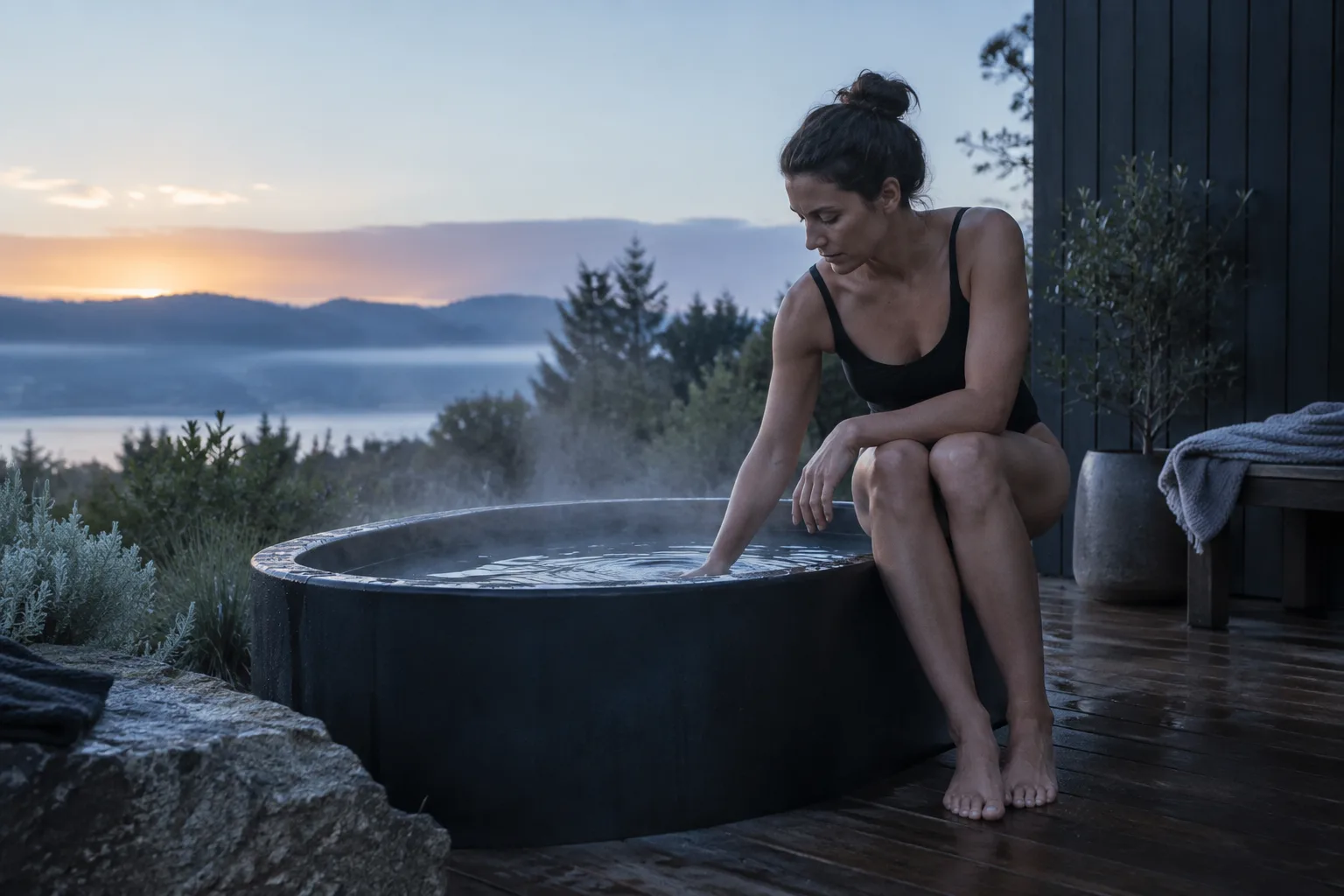
Do cold plunges reset dopamine or improve mental health? What the newest review actually says
Cold plunges are being sold as a fast mood reset. A new review finds plausible biology and some short-term mood signals, but not enough evidence to treat anxiety, depression or stress as solved by ice water.

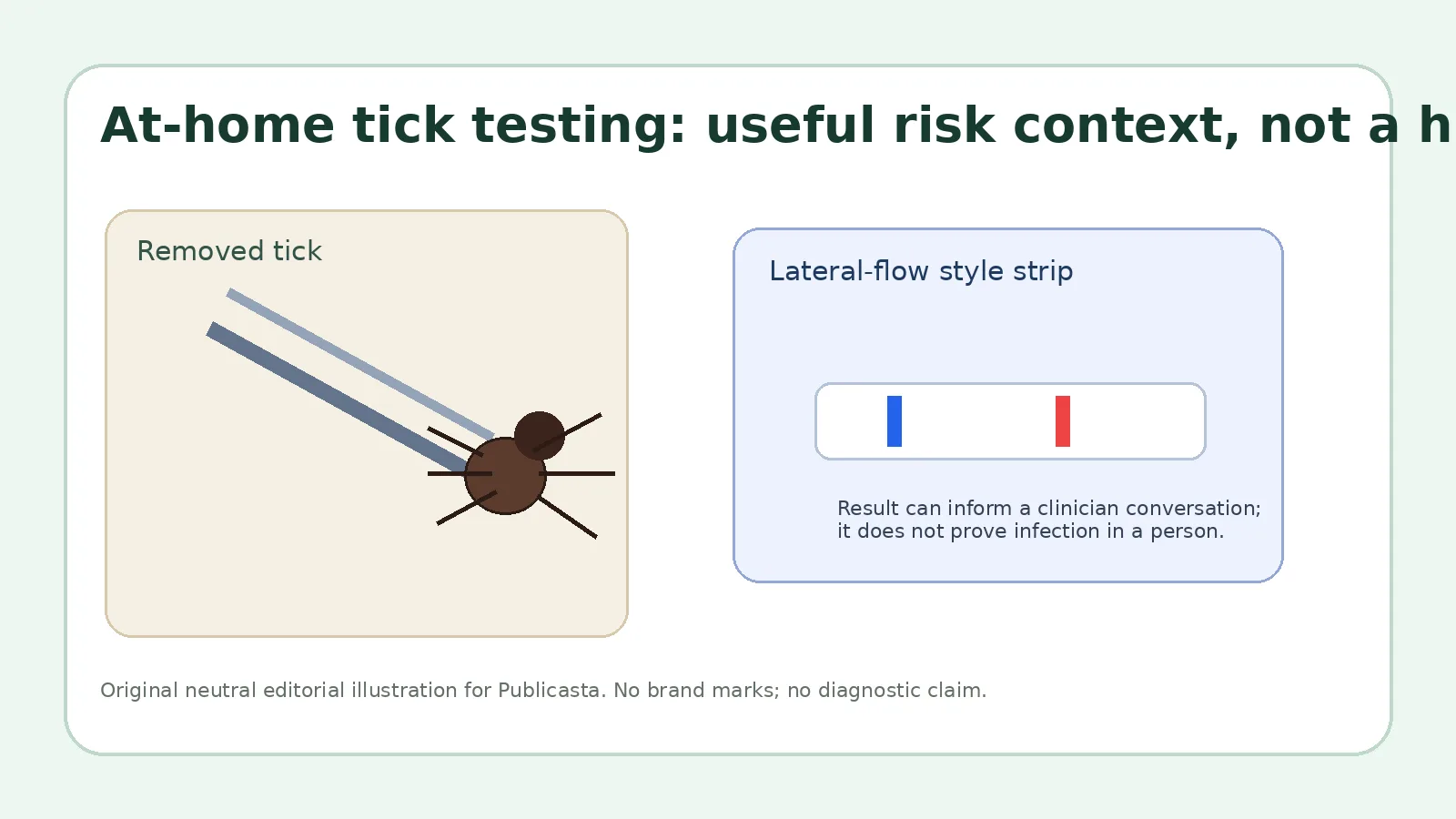
A tick test, not a human diagnosis: why LymeAlert can still be good tech news
LymeAlert promises a 15–30 minute home test for Borrelia burgdorferi in a removed tick. Its value is risk context, not a do-it-yourself Lyme disease diagnosis.
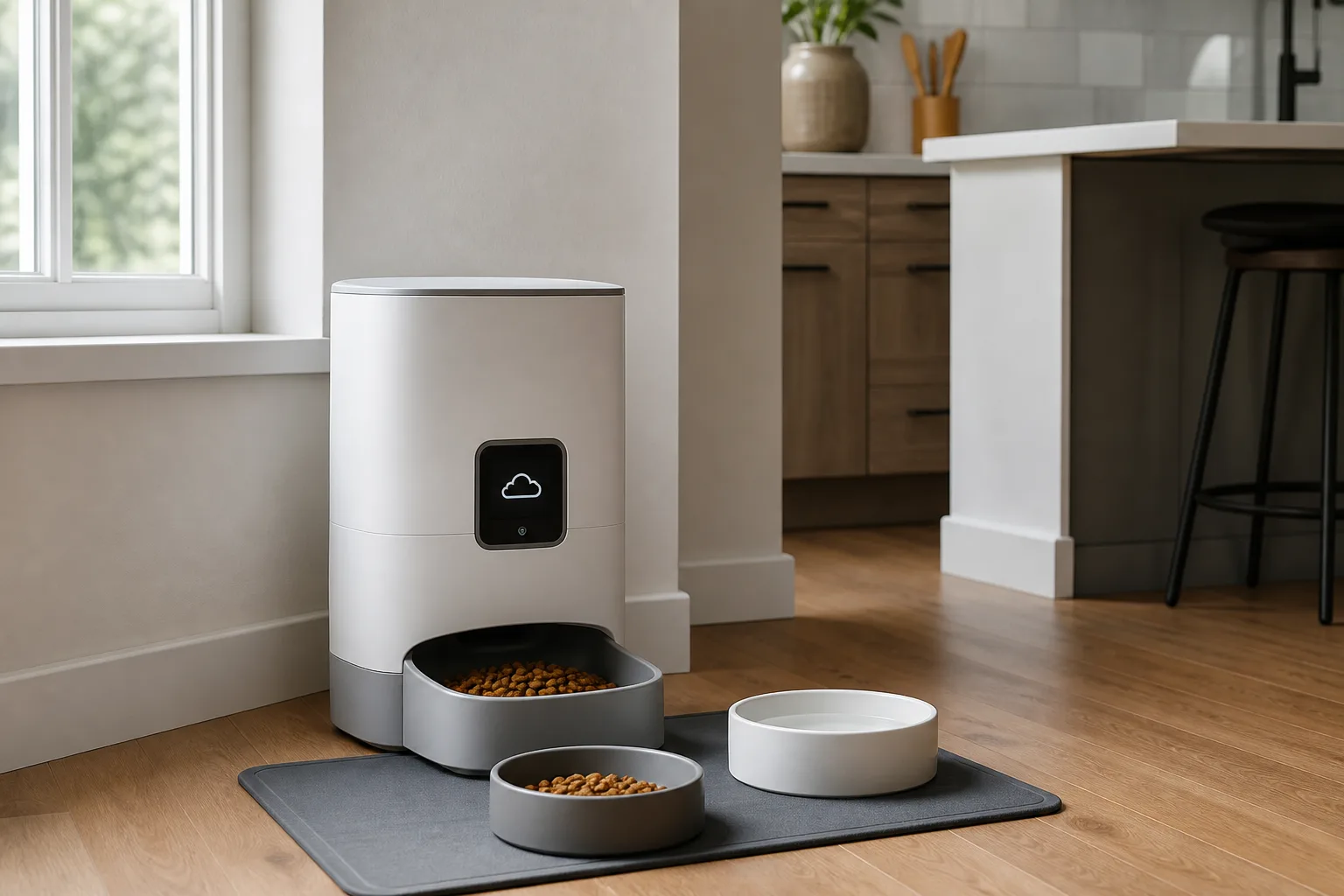
A smart feeder should not wait for the cloud
The Petlibro outage is a calm reminder to test local schedules, manual controls and backup bowls before a connected device becomes part of a critical home routine.
Comments
Sign in to comment.
No comments yet.