Can GPS Really Bring a Modern Society over $200,000,000 ARR?
Chronalis, an online company that offers free business ideas and innovations to anyone who requests them, suggests that equipping all vehicles with GPS could help locate missing children during AMBER Alerts while bringing in millions per year.

What if Sweden mandated GPS technology in every registered passenger vehicle? Beyond improving vehicle tracking, emergency response, and traffic management, such a policy could create a substantial recurring revenue stream.
According to Sweden's Transport Analysis agency, the country had more than 5 million passenger cars in circulation at the end of 2025.
The financial calculation is straightforward:
Potential annual GPS revenue
$200,000,000
5,000,000 vehicles × $40 annually = $200 million ARR
ARR = Annual Recurring Revenue. Assumes every vehicle pays a $40 annual GPS registration or monitoring fee.
Enforcement could provide an additional revenue stream.
Under a proposed national law, vehicles operating on public roads without approved GPS equipment could be subject to traffic enforcement. Police officers discovering noncompliant vehicles could issue fines, with some of the resulting revenue allocated to municipal or local government budgets.
The system would need clear privacy protections, exemptions, and appropriate legal safeguards to prevent unnecessary surveillance or unfair penalties.
A New Infrastructure Opportunity
Rather than viewing GPS as simply another vehicle requirement, Sweden could approach it as an investment in national infrastructure. A relatively small $40 annual fee per vehicle could generate approximately $200 million every year, before any additional enforcement revenue.
A modest technological requirement could become a significant source of recurring public revenue while supporting smarter transportation infrastructure.

Related articles
GPS and The Future of Safety
I began my healing career helping people navigate psychosis, and I continued my pursuit of helping by creating a multitude of ways to stay safe with those GPS thangs! Yes, thangs!

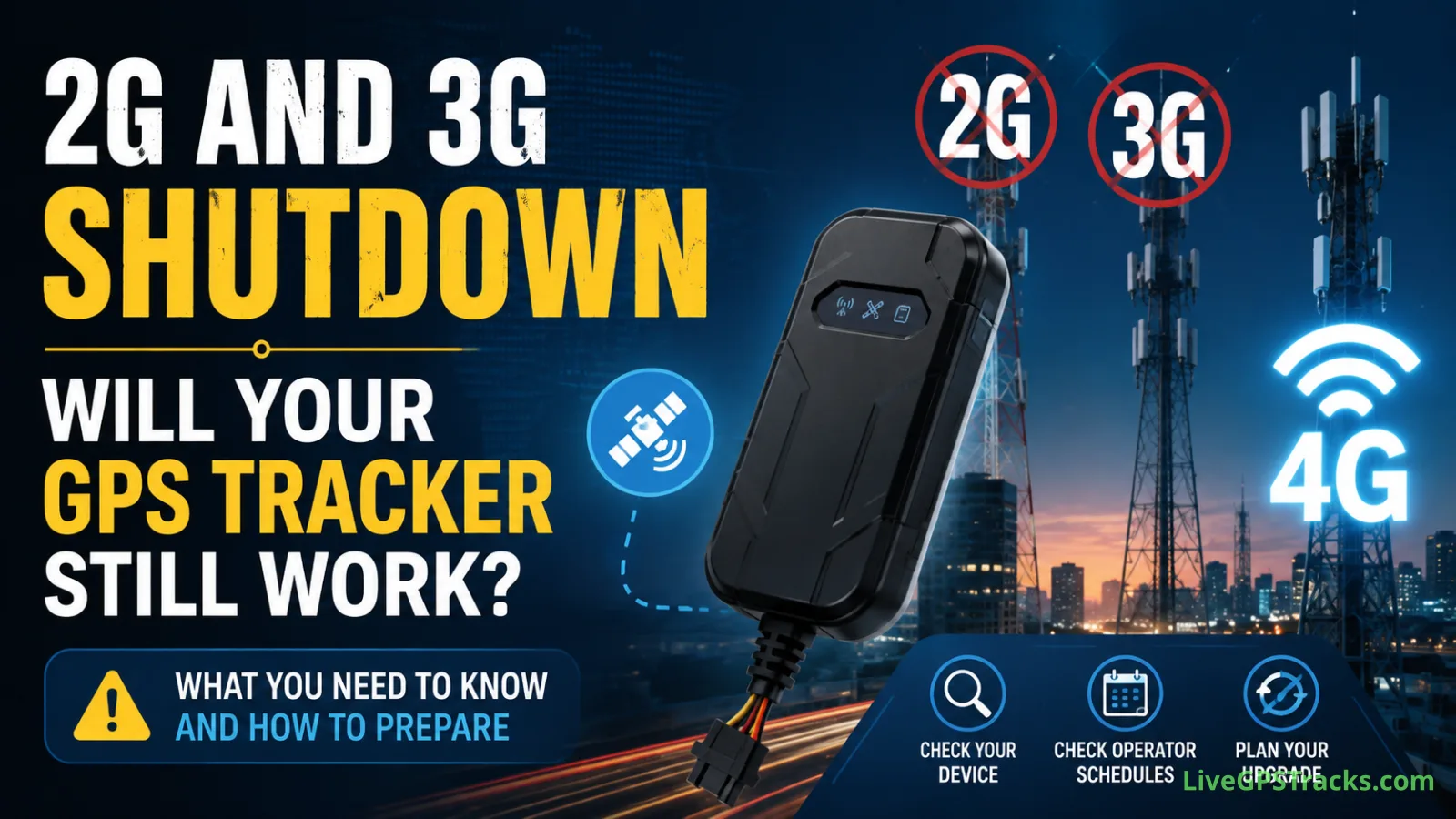
2G and 3G Networks Are Being Switched Off. Will Your GPS Tracker Still Work?
2G and 3G networks are being retired worldwide. Find out whether your GPS tracker will still work, how to check its network support, and when it may be time to upgrade.

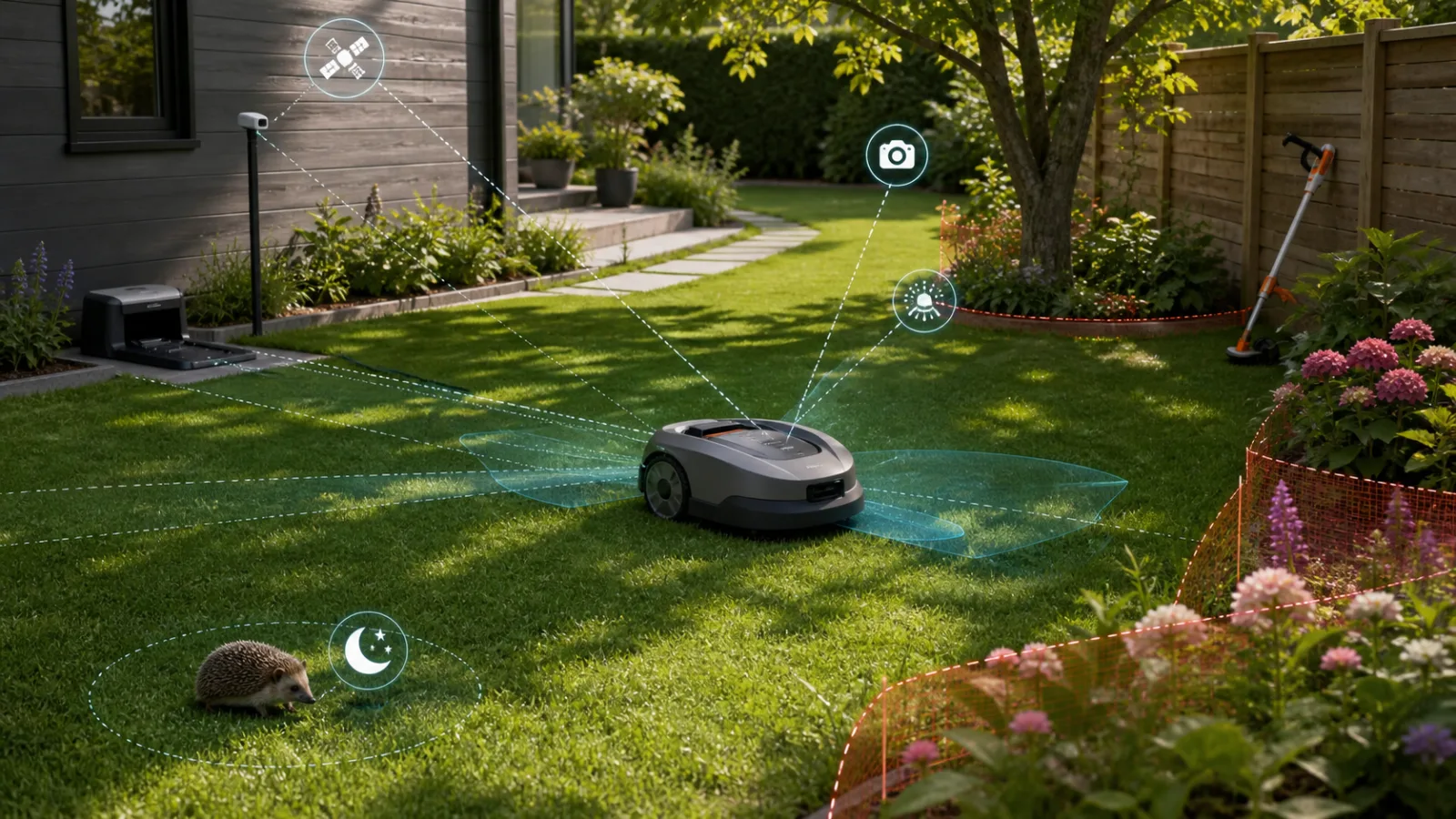
Wire-free robot mowers in 2026: buy now, wait, or keep the trimmer?
The newest robot mowers can map lawns without a buried wire, but trees, edges, slopes, setup cost and nighttime wildlife safety still decide whether they save your summer or create a new chore.

Kids’ GPS smartwatch before a first phone: a parent checklist before buying
A practical, non-guilt guide to deciding whether a connected watch really helps with school, walks, clubs or camp before a child gets a phone.

Comments
Sign in to comment.
No comments yet.