Healing With AI Codes: Turn Your Ideas into Tools That Help People
With AI Services We Can Create Code Easily...to Heal the World!
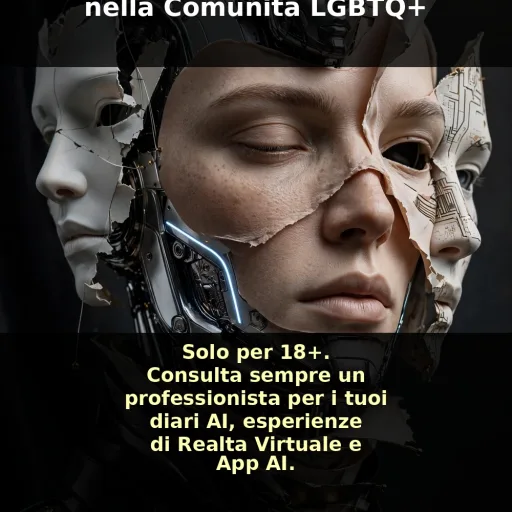
Healing With AI Codes: Turn Your Ideas Into Tools That Help People
By Mark Picasso, MPA | 2026
You don't have to be an experienced programmer to begin creating something useful. With AI-assisted coding, an idea that once seemed impossible might become the starting point for a tool that helps someone learn, recover, earn a living, or find support.
What Could We Help People Heal, Overcome, or Rebuild?
Imagine using a few lines of code to help someone address a problem that matters deeply to them.
What if you could help people:
Find warmth, shelter information, safe water, and food resources during war or displacement?
Give children access to education when their schools are unavailable?
Learn emotional skills, hygiene, and everyday life skills through entertaining apps?
Find support when facing grief, loneliness, anxiety, depression, or other mental-health difficulties?
Access trustworthy health information when a doctor is difficult to reach?
Learn technical skills, explore solar energy, and understand practical ways to conserve resources?
Create small businesses without needing to purchase expensive inventory first?
Discover employment and educational opportunities after losing their homes?
Find information about professional care, recovery resources, and support after a crisis?
Make healthcare training, accessible recreation, and learning opportunities available to more people?
Help older adults stay connected to their communities?
Improve communication during emergencies, natural disasters, and humanitarian crises?
Explore ways to prevent violence, protect vulnerable people, and make public services easier to access?
Give people with disabilities new opportunities for creativity, movement, and participation?
Help families preserve memories, support one another, and rebuild meaningful routines?
These are not promises that software can cure every problem. They are opportunities to explore ways technology might support healing, prevention, education, safety, independence, and recovery.
And here is the exciting part: you can begin with one idea.
Before We Begin: A Note About the Code
This article is intended for adults aged 18 and older because it discusses sensitive subjects including war, suicide prevention, medical problems, mental health, child protection, sexuality, and public safety. Some projects described here are intended to benefit children, but they would require appropriate adult supervision, safeguarding, and professional review.
I am not a doctor or licensed mental-health professional. The projects in this article are concepts, theories, educational examples, and proposals for possible future development. They are not guaranteed treatments, validated medical products, or established solutions.
Any medical, psychological, child-safety, or public-safety intervention must be evaluated and implemented by appropriately qualified professionals. The code examples are learning prototypes, not substitutes for professional care or emergency services.
Throughout the article, optional code appears in separate, clearly labeled blocks. You can skip every code block and enjoy the ideas, or copy a snippet into a suitable programming environment and explore how it works.
Some examples run independently. Others are starting points that require additional development, equipment, data, or authorized software services. Always check the limitations before using a program in the real world.
1. What Does It Mean to Create Healing AI Codes?
Artificial intelligence is making programming more accessible. You can describe a problem in ordinary language, ask AI to help write a small program, learn what its different parts do, and improve it step by step.
That creates an opportunity to use coding for more than entertainment or business. We can explore how it might help people access information, develop skills, connect with support, or find new opportunities.
I call this vision Healing With AI Codes.
The phrase does not mean that every program heals a medical condition. It means using AI-assisted coding to explore practical tools that could help people address problems, learn useful skills, recover from difficult circumstances, and improve their lives.
You could begin by creating an interactive solar-energy calculator. You could help a nonprofit organize educational resources. You could develop an app that creates printable product designs for a small business. Or you could work with qualified professionals on a virtual training simulation.
The process starts with a question:
What problem do I care about, and what small digital tool might help address it?
You do not need to know the entire answer in advance. You can ask AI to explain an idea, suggest a simple prototype, identify missing requirements, and help you learn the next step.
The most important skill is not knowing every programming language. It is learning to turn a human need into a clear, testable idea.
2. Imagine Receiving a Phone in a War Zone
Imagine that you are a parent living in a region devastated by war.
The world around you has become painfully small. Cold nights arrive without warning, and you do not know how to keep your family warm. Hunger is a constant concern. Your children cannot attend school, work opportunities are scarce, and tomorrow feels impossible to plan for.
Information is difficult to find. Hope can feel like a luxury you can no longer afford.
Then something changes.
You receive a phone. At first, it looks ordinary. But when you open it, you discover more than a screen. You discover a gateway to information, learning, and possibilities.
Your phone contains educational resources, practical guidance, and information about finding help. Your children start exploring digital lessons. You discover ways to connect with community organizations. You find information about safe water, hygiene, shelter, and potential employment opportunities.
The phone becomes more than a piece of technology. It becomes a potential teacher, resource center, and bridge to the future.
This is the vision behind a proposed humanitarian technology hub: a phone that comes with useful resources already organized and ready to explore.
It could include modules for education, warmth and shelter, safe food and water, health information, emotional well-being, small-business learning, and community connections.
The system would not solve every consequence of war. It would aim to make trustworthy information easier to find when people need it most.
2.1 A modular humanitarian app
Trying to put every possible service into one enormous program would make development complicated. A better design is a central hub with independent modules.
For example, a user could open the education section, download lessons, and return later to explore a solar-energy guide. Another user could open the community section to find local aid organizations.
Possible modules include:
Education: Downloadable lessons, children's stories, language learning, and basic digital literacy.
Survival information: Reviewed information about shelter, insulation, safe water, food hygiene, and local aid resources.
Well-being: General emotional education, journaling, and information about qualified support.
Health information: Plain-language educational resources and directions for finding medical assistance.
Employment: Training materials for digital work, online marketing, product creation, and business planning.
Energy: Interactive lessons and calculators explaining renewable energy.
Community: Directories of support organizations, mutual-aid groups, and local services.
A well-designed system could offer multiple languages, spoken guidance, and offline access to previously downloaded information. Location features could be optional, allowing people to select their region manually instead of sharing precise GPS data.
The broader ambition is a digital survival and learning library that can grow over time as qualified organizations contribute and review resources.
3. A Voice-First Survival and Learning Tool
Imagine that a parent is trying to keep a family warm while dealing with unfamiliar surroundings, limited resources, and interrupted schooling.
Typing lengthy questions may be impractical. Reading complicated instructions may be difficult. The original idea was therefore to create a voice-first app that users could speak to and hear responding aloud.
The system could potentially:
Accept spoken questions.
Provide audio guidance.
Offer educational information about warmth and insulation.
Help users find verified food assistance and other local resources.
Provide reviewed hygiene and water-safety education.
Locate schools, aid organizations, and community services.
Work offline for information downloaded in advance.
The concept is especially valuable for people with limited literacy, visual impairments, or little experience using complicated software.
However, location alone cannot establish which wild plants are safe to eat. A safe system should prioritize trusted food sources and verified regional guidance rather than asking people to experiment with unidentified plants. Improvised heating, electrical work, and construction also require appropriate safety information.
The goal is to make useful knowledge more accessible—not replace the expertise needed for dangerous work.
4. A Solar-Energy Learning App
What if people could learn the principles of solar power through a free, interactive coding tool?
The proposed solar guide would explain basic solar-energy concepts, demonstrate simple calculations, and introduce the components commonly found in small systems.
Future versions could include diagrams, interactive battery simulations, accessibility features, and information about energy resources available in different regions.
The purpose is educational: to help people understand how solar power works and what questions to ask before choosing equipment.
OPTIONAL CODE BLOCK — Skip or try it
This compact Python program estimates daily energy production from a solar panel's rated wattage, equivalent full-sun hours, and an assumed efficiency factor.
def estimate_daily_wh(watts, sun_hours, efficiency=0.75):
    if watts <= 0 or sun_hours < 0:
        raise ValueError("Watts must be positive; hours cannot be negative.")
    if not 0 < efficiency <= 1:
        raise ValueError("Efficiency must be greater than 0 and at most 1.")
    return round(watts * sun_hours * efficiency, 1)


if __name__ == "__main__":
    watts = float(input("Solar panel rating in watts: "))
    hours = float(input("Equivalent full-sun hours per day: "))
    print("Estimated daily energy:", estimate_daily_wh(watts, hours), "Wh")
This is a learning calculator, not a complete system design. Real energy production depends on weather, shading, orientation, temperature, and equipment losses. Batteries and electrical installations require properly rated equipment and appropriate technical guidance.
The idea is to let someone begin learning without needing to become an engineer first.
5. Helping Children Learn Through Play
Physical survival is only one part of supporting a family. Children also need education, emotional development, hygiene, and opportunities to play.
Imagine opening an app that teaches children about feelings, handwashing, dental care, clean water, and food safety through stories and interactive activities.
The proposed ACES-inspired emotional health and life-skills app would draw inspiration from Adverse Childhood Experiences research. Its purpose would be to provide general, child-friendly education—not diagnose or treat children.
Possible activities include recognizing emotions such as anger, fear, sadness, and happiness; exploring simple calming exercises; learning hygiene routines; and understanding why cooking and handling hot objects require adult supervision.
Voice interaction could make the app useful for children who have not yet learned to read fluently. Animations, audio, stories, and rewards could make learning more engaging.
An app might ask, “How are you feeling today?” and offer a simple activity related to the child's answer. But a child's emotions should not be diagnosed by an automated system, and sensitive information about trauma should not be collected casually.
Qualified educators and child-development professionals would need to review the program's content, age suitability, privacy safeguards, and use of the ACES framework.
The underlying idea is important: when children experience disruption or hardship, access to emotional education and practical life skills can help restore some of the learning opportunities they may have missed.
6. A Photo-Based Health Information Library
Imagine that a parent notices something unusual about a child's health. The child is distressed, and the nearest doctor may be difficult to reach.
The parent wants to understand what has happened and what to do next.
This scenario inspired a proposed health-photo application where caregivers could record images, add descriptions, save dates, and organize information for a qualified healthcare professional.
It might help someone remember when a symptom began, describe changes over time, or prepare useful questions for an appointment.
A professionally reviewed version could provide general information about common health concerns and explain when medical evaluation may be needed.
However, a photograph alone cannot reliably establish the cause of a rash, unusual stool, bruise, insect bite, or suspected parasite. A system must not automatically diagnose illness or prescribe treatment from an image.
A safe version would make it clear that the photo is a record, not a definitive diagnosis. It would also protect medical information, obtain appropriate consent, and use secure storage. Images involving children require particular care.
The idea worth exploring is better access to health information and organized records—not replacing medical assessment.
7. A Year of Culturally Informed Mental-Health Support
Another concept asks whether AI-assisted coding could help organize a free, year-long program of educational and supportive activities for people facing mental-health difficulties.
The proposal is to draw on carefully reviewed material from different cultures and turn that information into an adaptable collection of resources.
Depending on the person and professional guidance, resources might include daily routines, reflective writing, music, art, gentle movement, nature-based activities, social connection, and mental-health education.
The program could be organized into optional stages:
Getting started: Set practical goals, learn how to find support, and choose activities that fit the person's situation.
Building routines: Explore manageable daily tasks, sleep habits, and ways to stay connected.
Learning and reflection: Use educational materials, writing, and creative activities to explore personal priorities.
Connecting with others: Learn about family education, peer support, or suitable community resources.
Reviewing progress: Reflect on what is useful and discuss changes with the professionals involved in care.
This is a proposed structure, not a validated treatment schedule. A diagnosis such as schizophrenia, anxiety, or depression requires appropriate individual assessment, and different people need different kinds of care.
The app should never promise to cure a condition, replace prescribed treatment, or gather cultural practices at random and label them as medicine. Content would need reliable sourcing, respectful cultural review, professional input, and user choice.
The central idea is to make supportive education easier to access and sustain over time.
8. VR Surgical Training for Qualified Medical Personnel
In conflict zones, medical professionals may face limited equipment, overwhelming demand, and a shortage of training opportunities.
This inspired a proposal for virtual-reality surgical training that could simulate medical scenarios in a controlled environment.
A future training program might offer simulated patient assessment, trauma-care scenarios, decision-making exercises, instructor feedback, and opportunities to review performance.
Potential technologies include Unity or Unreal Engine, 3D anatomical models, VR controllers, haptic feedback, and systems that track a trainee's progress.
The aim would be to help qualified healthcare personnel practice and learn in a simulated setting, particularly where traditional training resources are difficult to access.
This is not a proposal for untrained people to perform surgery based on a phone app or virtual experience. The procedures and simulations would need to be designed and validated by trauma surgeons, medical educators, and other appropriately qualified professionals.
A simulation could help with training, but completing it would not automatically qualify someone to perform an operation on a real patient.
The broader lesson is that AI and VR may offer new ways to deliver education in difficult circumstances, provided professional standards remain central.
9. AI-Assisted Businesses for Refugees and Low-Resource Communities
Once a family has access to education and useful information, another question emerges:
How can people create new economic opportunities when traditional employment is unavailable?
One proposal is a Starter Jobs app that teaches online marketing and helps people explore digital entrepreneurship.
The system could introduce product design, writing product descriptions, marketing through appropriate online platforms, and setting up a basic store.
For users who already use platforms such as TikTok or WhatsApp, familiar tools may offer an accessible place to start learning about digital commerce.
The objective is not to promise guaranteed income. It is to make business skills and creative tools easier to explore.
9.1 Print-on-demand businesses
Print-on-demand allows a seller to offer products such as T-shirts, mugs, posters, and stickers that are produced when a customer places an order. This can reduce the need to purchase inventory in advance, although costs, fees, and other business risks remain.
The proposed AI-assisted workflow could:
Accept a short description of a design.
Generate or help create artwork.
Save a design file.
Prepare a product mockup.
Draft a title and product description.
Prepare a listing for a connected store.
Help the user learn how to market the product.
With authorized integrations, parts of the process could eventually be automated.
OPTIONAL CODE BLOCK — Create a basic printable text design
This compact Python example creates a simple image containing centered text. It is an educational starting point for product design, not a complete print-on-demand system.
from PIL import Image, ImageDraw, ImageFont

def create_design(text, output="design.png", size=(4500, 5400)):
    image = Image.new("RGB", size, "white")
    draw = ImageDraw.Draw(image)

    try:
        font = ImageFont.truetype("DejaVuSans-Bold.ttf", 200)
    except OSError:
        font = ImageFont.load_default()

    box = draw.multiline_textbbox((0, 0), text, font=font, align="center")
    width, height = box[2] - box[0], box[3] - box[1]

    if width > size[0] or height > size[1]:
        raise ValueError("Text is too large for this canvas; shorten it or reduce the font.")

    position = ((size[0] - width) // 2, (size[1] - height) // 2)
    draw.multiline_text(position, text, fill="black", font=font, align="center")
    image.save(output)
    return output


if __name__ == "__main__":
    print(create_design("Never Give Up"))
To run it, install Pillow with python -m pip install Pillow. Depending on the computer, you may need to change the font or adjust the layout for longer text. A real print product also needs correct file dimensions, transparent backgrounds where appropriate, print-quality assets, and a check of the platform's requirements.
What can be automated, and what cannot simply be skipped?
AI could help create designs and prepare store information. Official platform integrations may support product creation and listing, depending on account permissions and available APIs.
Banking information, identity verification, payment arrangements, tax details, account ownership, and legal agreements should remain under the control of the authorized account holder. An app should not bypass these safeguards.
The project could help refugees and others with limited resources learn digital business skills, but it would need to address platform eligibility, copyright, production costs, shipping, customer service, and uncertain demand.
Automation can lower barriers. It cannot eliminate every business requirement.
10. What Would a Complete Humanitarian AI Hub Look Like?
The previous projects could eventually become modules inside a larger system.
Imagine a central application offering reviewed educational content, emergency information, local resource directories, business-learning tools, and carefully scoped health and well-being resources.
Each module would have a clear purpose and clear limits. Users could choose the features relevant to their situation instead of navigating a confusing collection of unrelated services.
A strong platform would prioritize:
Accessibility: Simple interfaces, voice options, readable information, and support for different disabilities.
Language: Translation and culturally appropriate explanations.
Offline availability: Resources that remain usable when a connection is unavailable, within the limits of the selected technology.
Privacy: Minimal data collection, informed consent, secure storage, and clear controls.
Professional review: Qualified oversight for medical, mental-health, child-safety, and other high-stakes content.
Transparency: Clear information about what the system knows, what it does not know, and where its information comes from.
Community participation: Feedback from the people who would actually use the tools.
The most ambitious version could become a collection of open-source or partly open-source resources that schools, NGOs, community groups, and developers can adapt.
However, openness does not automatically make a system safe or accurate. The platform would need ongoing maintenance, security updates, content review, and a responsible process for correcting mistakes.
The right starting point is not to build everything at once. It is to choose one important problem, develop a small prototype, test it appropriately, and expand only when the results justify doing so.
11. How You Can Begin Creating Healing AI Codes
You do not need to build a global platform before you can make a useful contribution.
Begin with one problem. Describe it in plain language. Ask AI to help you break it into manageable parts. Request a compact prototype, ask for an explanation of the code, and test it in a safe environment.
You might ask:
“What is the smallest useful version of this idea?”
“What information would this program need?”
“What could go wrong if someone relied on its answer?”
“How could I make it accessible to someone who speaks another language or cannot read easily?”
“What requires professional review before I could release this to the public?”
The last question is especially important. If your app concerns medical conditions, trauma, child safety, emergency response, or public surveillance, the development process must include appropriate expert review and safeguards.
Coding is not just a way to automate tasks. It can also be a way to learn how systems work, identify unanswered questions, and invite others to collaborate.
A first program may be small. Its value lies in what it helps you learn and how responsibly you develop it.
12. Your Turn: A Long List of Ideas for Healing AI Codes
The projects in this article are only a beginning. Below are further directions you could explore, develop, or discuss with suitable partners.
They are not all equally ready to build. Some could begin as educational prototypes. Others require substantial technical development, clinical research, legal review, or cooperation with public agencies and nonprofit organizations.
Survival, emergency support, and humanitarian assistance
A voice-first survival information app for people displaced by war.
A multilingual offline library of emergency education resources.
A shelter and insulation learning tool using professionally reviewed safety guidance.
A safe-water education app with local public-health resources.
A food-assistance finder that helps people locate food banks, community kitchens, and aid services.
A verified directory of local humanitarian organizations.
An emergency communication tool using simple symbols and translated phrases.
A QR-code network connecting people to verified emergency resources.
A system for sharing accessible directions and entrance information with authorized emergency services.
A community information kiosk that explains how to find housing, health resources, education, and employment services.
A solar-energy learning tool and basic energy calculator.
A multilingual emergency-preparedness guide for families and community groups.
Education, children, and families
A QR-accessible library of free educational books.
A voice-based learning app for children who cannot read fluently.
AI-assisted storybooks personalized to a child's interests and language.
An educational talking toy with professionally reviewed content.
Interactive lessons about emotions and everyday coping skills.
Child-friendly hygiene and food-safety education.
School lessons teaching emotional literacy and when to ask for help.
Family education resources about child development and communication.
Digital lessons for children whose schooling has been interrupted by war or displacement.
A multilingual homework and tutoring assistant with age-appropriate safeguards.
Accessible educational activities for children with different learning needs.
A children's hospital comfort project using music, stories, and immersive visuals.
Mental health and emotional recovery
A private journaling tool for reflection and self-organization.
A professionally reviewed mental-health information library.
A grief-support resource with reflective prompts and guidance for family members.
A directory of verified counseling and crisis-support services.
A peer-specialist resource organizer for educational materials and wellness activities.
A proposed year-long follow-up resource program developed with mental-health professionals.
An OCD education tool that explains intrusive thoughts and helps people find appropriate care.
A trauma-informed educational resource designed with survivor input.
A family mental-health education program.
A culturally informed collection of optional well-being activities, reviewed by qualified contributors.
A digital guide to preparing for mental-health appointments.
An accessible directory of support groups and community activities.
A carefully evaluated VR relaxation library.
A resource explaining how to find support after psychiatric hospitalization.
An emotional-skills learning app that does not diagnose users.
A reflective-writing resource for people working through difficult life changes.
These concepts would provide education and routes to appropriate support, not guaranteed cures or substitutes for professional treatment.
Healthcare information and professional training
A health-photo diary for organizing symptoms and questions for a clinician.
A secure medical appointment preparation tool.
A directory of health services and clinics.
A public-health education app reviewed by qualified professionals.
A healthcare training simulation developed with medical educators.
A VR training environment for qualified trauma-care personnel.
An educational tool explaining how to recognize situations that may need urgent medical assessment.
A health-information translation tool for patients and care teams.
A patient resource library explaining general treatment concepts in plain language.
A VR comfort experience for people receiving dialysis.
A 3D memory archive designed with consent for families and older adults.
A clinical research platform developed under appropriate governance to study treatment outcomes.
An educational resource about safe, evidence-informed smoking cessation support.
A system that helps patients organize questions about medication for discussion with their healthcare providers.
High-stakes tools would need relevant professional assessment, privacy protections, and evidence before being used for clinical decisions.
Accessibility, creativity, and recreation
A VR exploration library for wheelchair users.
Accessible virtual sports and recreation experiences.
A virtual museum of tactile and Braille-inspired art.
A symbol-based emergency communication system.
An accessible digital guide to local community activities.
A tool for creating audio versions of educational books.
A 3D photography and virtual-tour business starter kit.
A VR recreation system with customizable movement options.
A library of accessible creative projects for people with different sensory needs.
Digital tools that help artists create and share educational content.
Employment and entrepreneurship
An AI-assisted print-on-demand design creator.
A step-by-step business learning app for refugees.
A digital marketing tutor for beginners.
A small-business product-description generator.
A tool that prepares product images and mockups for authorized store platforms.
A guide to opening a compliant online shop.
A digital skills program for people returning to work.
A supported-employment resource for people living with mental-health conditions.
A CRM and customer-outreach learning toolkit for small businesses.
A 3D marketing studio concept with training for new creators.
A financial-literacy application for families.
A fair, transparent customer-feedback and reputation-management assistant.
A project-matching directory connecting volunteers with nonprofit organizations.
A multilingual learning resource that helps entrepreneurs understand local business requirements.
These tools could help users acquire skills and explore opportunities, but should not promise automatic income or guaranteed business success.
Community safety and public services
A voluntary check-in system for older adults.
A directory of local volunteers and community support services.
A verified child-protection reporting information page.
A tool that directs users toward official channels for reporting suspected online abuse.
A public-safety information hub for schools and local organizations.
A tsunami and natural-disaster alert information project working with official warning services.
A location directory for emergency shelters and evacuation resources.
A visual address guide for difficult-to-find entrances.
A local service directory that explains how to request assistance.
A digital guide to emergency planning for families with disabilities.
A community resource that explains online privacy and safe sharing of location information.
Projects involving surveillance or identifying individuals would require particularly careful legal and ethical review. The objective should be appropriate protection and assistance, not unlimited tracking or automated accusations.
Peace, research, and future possibilities
An AI-assisted educational project exploring conflict prevention and humanitarian planning.
A public learning library about responsible robotics and AI oversight.
A privacy-protected voluntary dream-journaling research concept.
An educational project introducing the hypnagogic state and sleep research.
A research collaboration exploring immersive experiences for comfort and accessibility.
An open-source library of humanitarian coding examples.
A platform that helps nonprofits identify digital tools suited to their specific needs.
A database of reviewed multilingual educational resources.
A project exploring safe ways to share community knowledge without exposing sensitive personal information.
An online collaboration hub connecting writers, educators, developers, and domain experts.
A public innovation library where people can propose humanitarian problems and work together on responsible prototypes.
Final Thought: Begin With One Idea
You do not need to create all one hundred projects. You do not need to be the world's greatest programmer. And you do not need to wait until every detail is perfect before you begin learning.
Choose one problem that matters to you.
Ask AI to help explain it. Create a small prototype. Test the code in an appropriate environment. Learn what is missing. Invite people with relevant expertise to improve it.
For some readers, that first step might be an educational book generator. For others, it might be a solar calculator, a print-on-demand design tool, an accessible library, or a community information directory.
The important thing is to recognize the difference between an inspiring idea and a tool that is ready to use. With careful development, honest evaluation, and suitable professional partners, a small prototype may become the starting point for something genuinely useful.
AI-assisted coding gives ordinary people another way to participate in problem-solving. It can help turn a paragraph into a prototype, a prototype into a learning opportunity, and a learning opportunity into a project worth sharing.
The world has plenty of problems that deserve attention. It also has people with ideas, creativity, compassion, and a willingness to learn.
What will you try to build first?
Start small. Ask questions. Learn the code. Find the right partners. Keep people safe.
And remember that the purpose is not to make a machine look impressive. It is to explore whether the machine can help people do something worthwhile.
Mark Picasso, MPA

Related articles
VR Church: Building a Universal Healing Library With AI
What if every church in the world could use AI and a single virtual-reality headset to begin building a growing center for healing, education, hope, and human connection?
A Global Refugee and War Victims Healing Center An Expansion of the Universal Healing Library of Virtual Reality
Imagine a world where a child displaced by war can access education, health information, emotional support, creative activities, and new opportunities through a single phone.

Healing With Locators: 50 More Ways Location Technology Could Help People
What if something as small as a bracelet, a button, or a tiny device could help a family find a lost child, reconnect with a loved one, recover essential equipment, or reach help during an emergency?

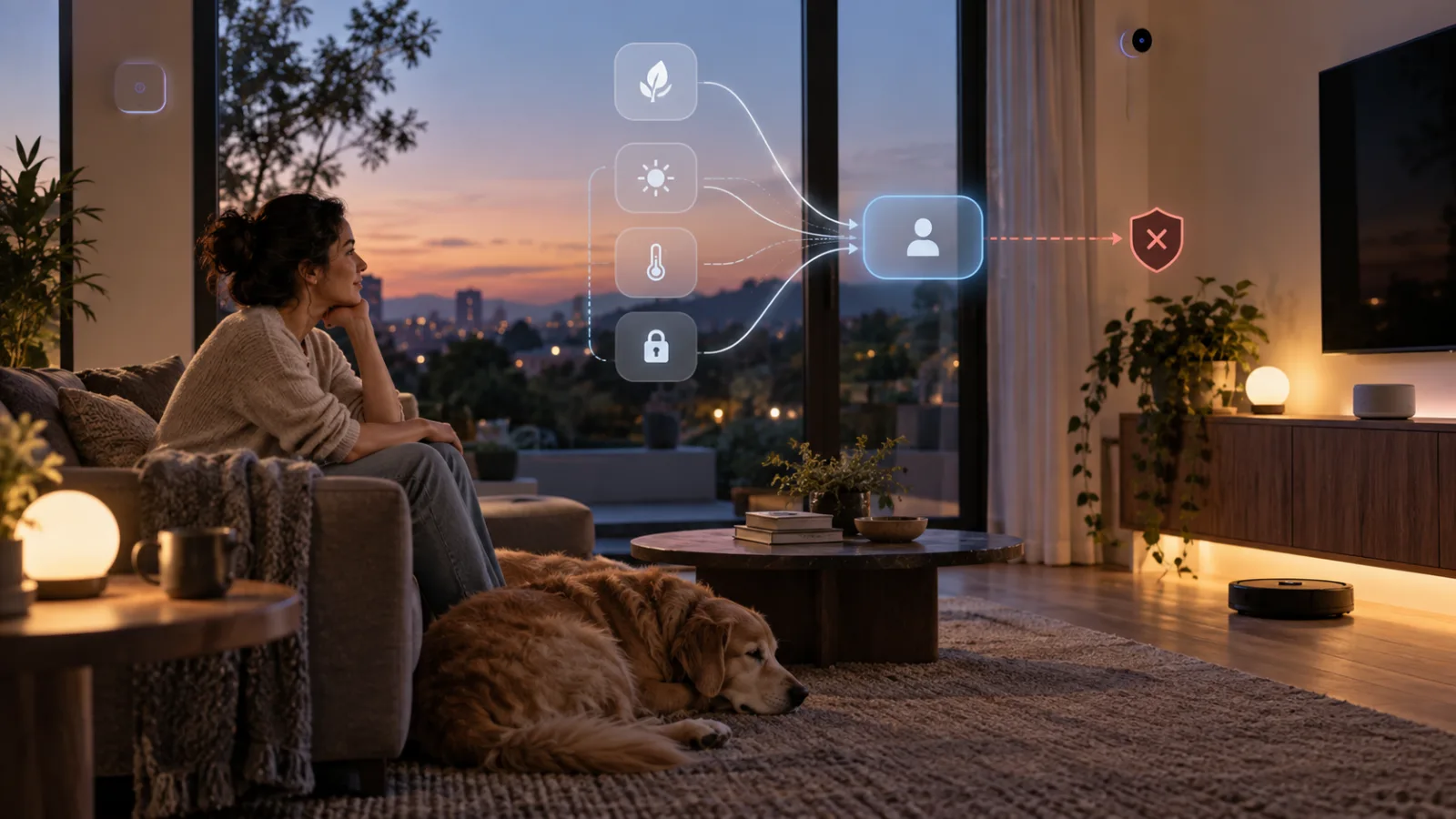
Typed AI Decisions Could Improve Smart-Home Automation, but They Still Need Hard Limits
TypeSafe’s new Jev model points to a narrower kind of smart-home AI: systems that choose among predefined outcomes instead of improvising control. That could help with comfort automations, provided local policy, manual overrides, and safety checks remain in charge.
Comments
Sign in to comment.
No comments yet.