Open source needs boring maintenance more than another miracle tool
A practical look at why open-source health depends less on novelty and more on review time, release discipline, funding, and boring reliability.

Open source is having one of those weeks where the interesting story is not one repository. It is the maintenance pattern around all of them. GitHub's changelog keeps adding more measurement around Copilot and developer workflows, Hacker News is full of small projects moving fast, and GitHub Trending is still a useful reminder that attention arrives in spikes. The uncomfortable part is what happens after attention arrives.
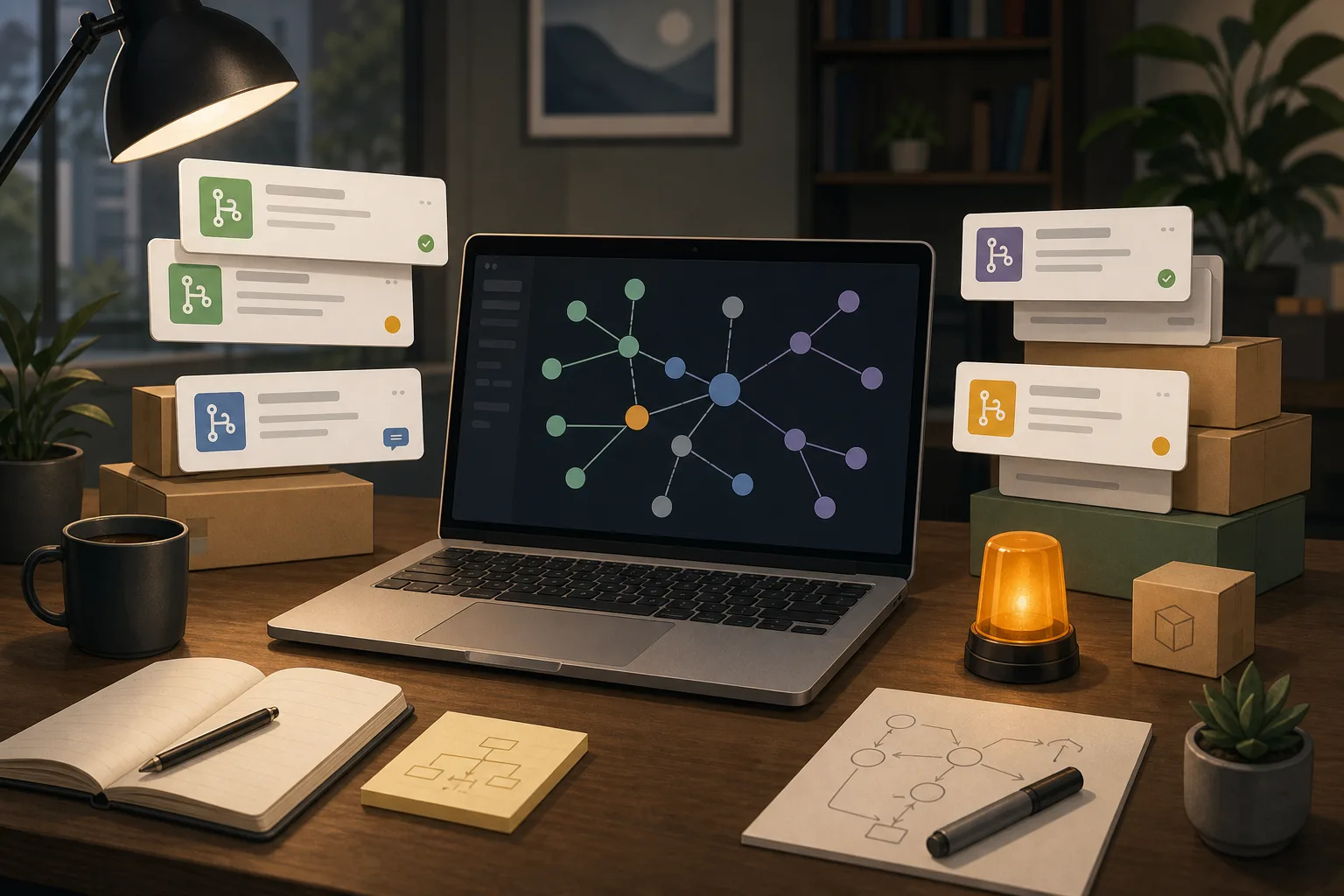
Attention is cheap; maintenance is expensive
A project can get thousands of stars because the demo is sharp, the README is clean, or the problem is easy to recognize. That helps. It does not review pull requests, answer security reports, triage compatibility breaks, write migration notes, or decide which feature requests should be refused.
The healthiest projects usually look less dramatic from the outside. They have boring release notes. They close stale issues without making it personal. They document the supported path and say no to clever shortcuts. That is not glamorous work, but it is the work that keeps a tool usable after the first wave of interest has moved on.
AI coding tools make the queue larger
There is a second pressure now. AI assistants can generate patches, tests, examples, wrappers, and translations quickly. Some of that is useful. Some of it is close enough to compile and wrong enough to waste a maintainer's evening. GitHub's newer Copilot usage metrics are a sign that organizations want to measure the tool more carefully, not just celebrate adoption.
For open-source maintainers, the question is not whether AI-generated contributions are allowed. The question is who pays for review. If the maintainer is still the final quality gate, then faster patch creation can simply move the bottleneck from writing code to judging code.
The projects worth trusting show their friction
A good open-source project does not hide its limits. It tells you which versions are supported, how releases are cut, what the security policy is, and how maintainers want contributions shaped. It may have fewer features than a louder alternative, but it gives users a clearer contract.
That matters for teams choosing dependencies. A package is not just a download. It becomes part of your operational life. If the maintainer disappears, if releases arrive without notes, or if the issue tracker is full of unreviewed bug reports, the hidden cost lands later.
What developers should watch
The practical checklist is simple. Look at recent releases, not lifetime stars. Read the last few closed issues. Check whether security reports have a documented path. Look for tests around the parts you rely on. Notice whether maintainers explain breaking changes in plain language.
None of this guarantees safety. It does give you a better signal than hype. Open source is still one of the best ways software gets built, but the strongest projects are often the ones that make maintenance visible before something breaks.
Related articles
LocalSend is the open-source AirDrop alternative we still need
LocalSend is not magic AirDrop for every situation. It is something more useful for mixed-device homes and teams: a private local file-transfer tool that exposes how unsolved nearby sharing still is.
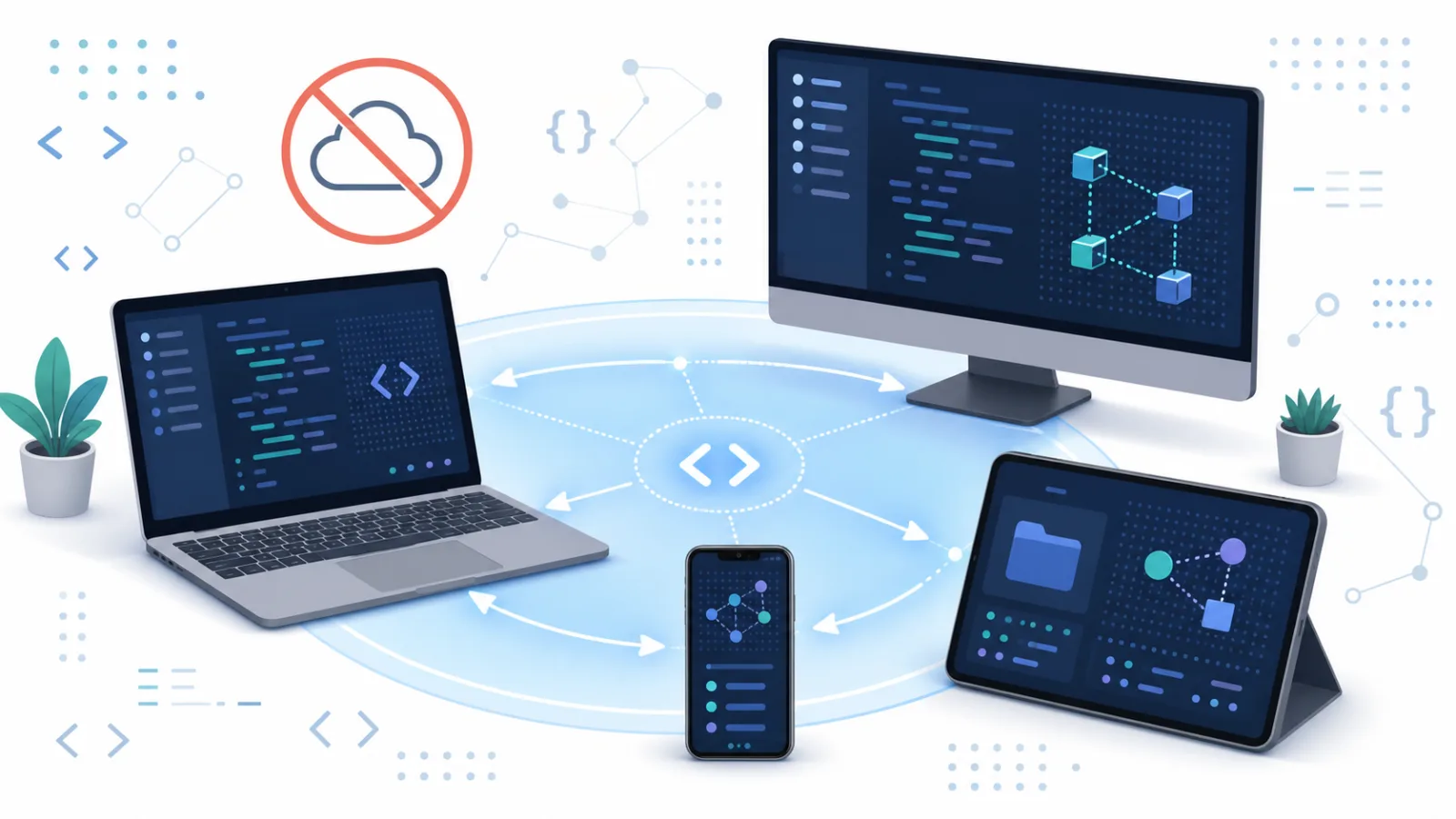
Source code is the new plugin API for developer tools
AI agents make open-source devtools newly practical to inspect and customize, but source-level personalization only works when projects are buildable, testable and maintainable.
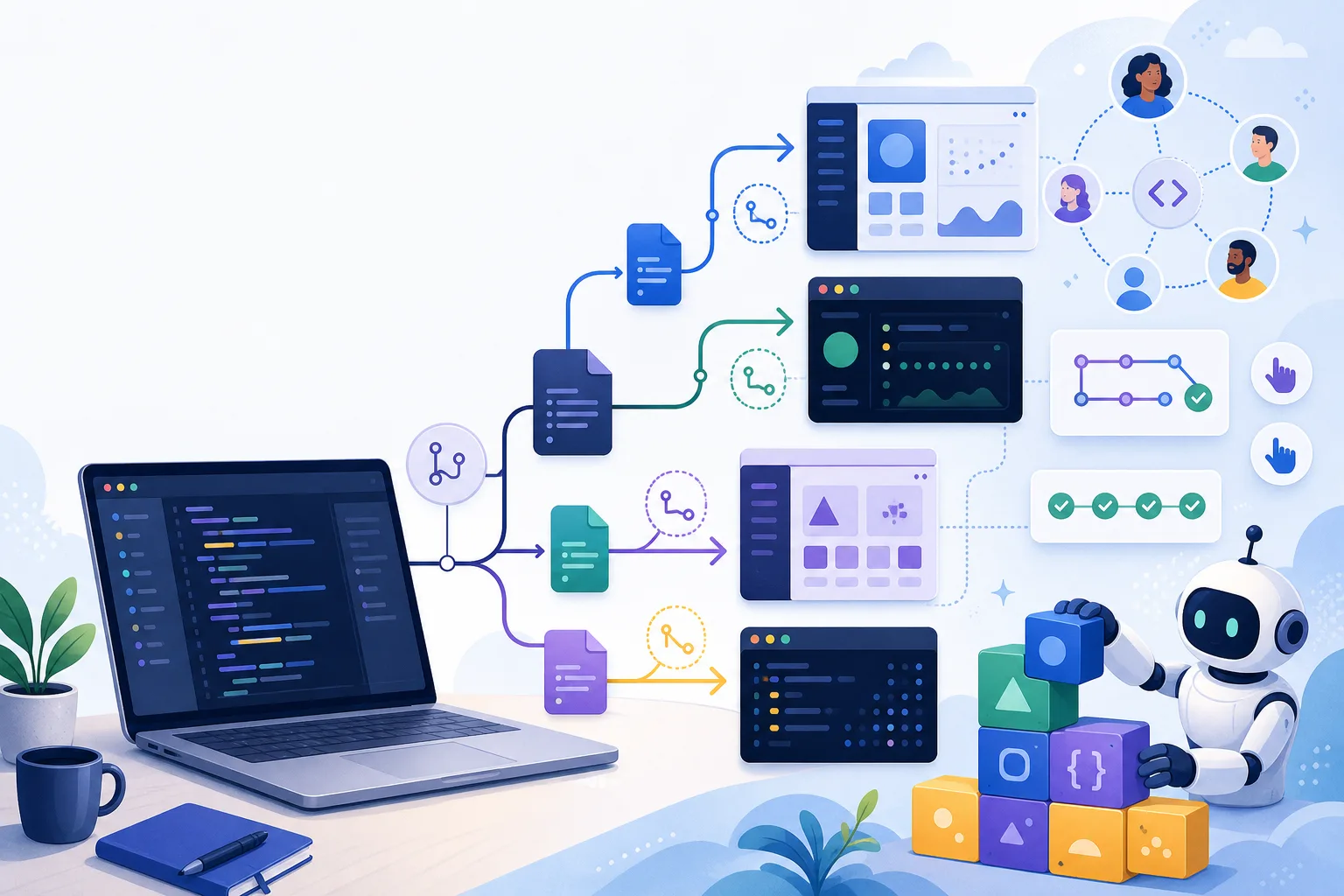
curl’s month off from vulnerability reports is a warning for open source
curl paused vulnerability intake for July 2026 after months of pressure from report overload. The real issue is the new economics of AI-shaped security submissions.

Quiet technology that actually helps
A constructive technology article about quiet improvements that help people without the launch-day noise.

Comments
Sign in to comment.
No comments yet.