
Open Source Radar
New open source projects, releases, libraries, developer tools, and important events around free software. What is worth trying and why it matters.
Latest publications
OpenArm 2.0 makes reproducible physical-AI experiments the real open-source project
OpenArm 2.0 is more than a seven-degree-of-freedom arm. Its value is the attempt to connect open hardware, ROS 2, simulation, teleoperation, datasets, and a shared evaluation cell into a workflow that other labs can actually repeat.
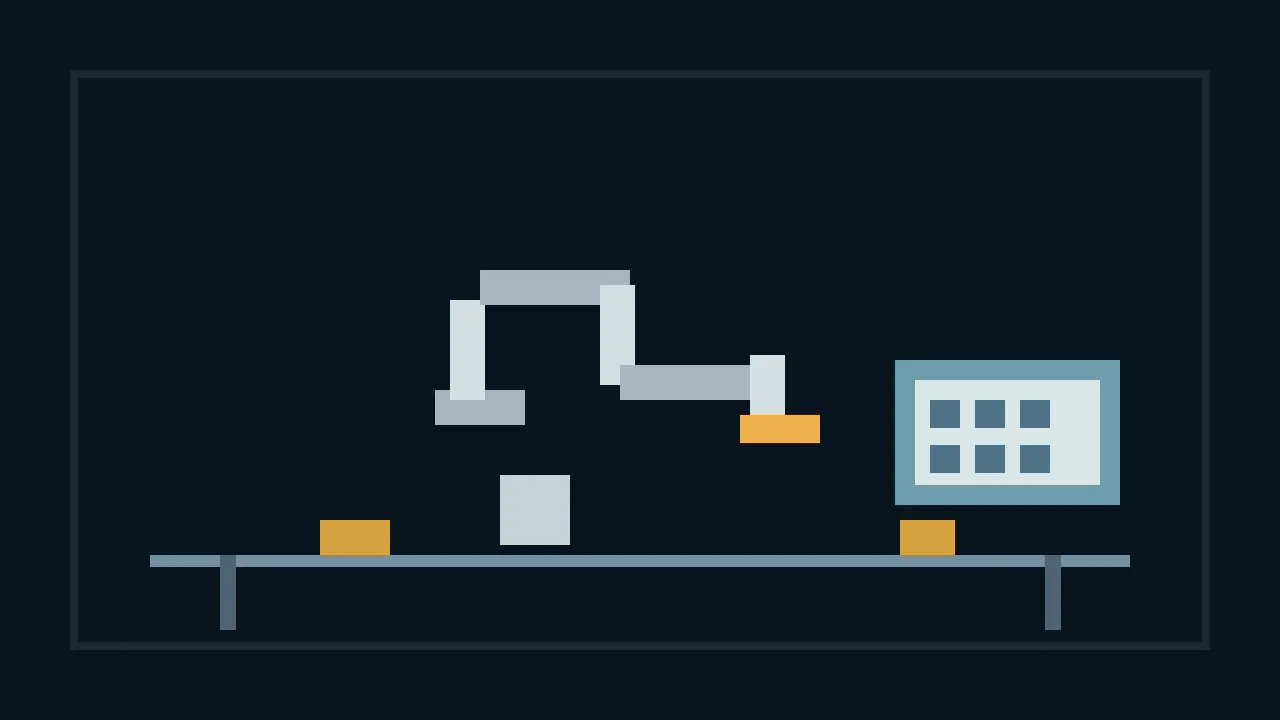
OpenClaw 2026.9.4 makes plugins and skills easier to find — and easier to trust
OpenClaw 2026.9.4 is a workflow release built around plugin discovery, steerable skill improvement, safer setup, and cloud-worker reuse. The useful upgrade is also a reminder to review permissions, costs, backups, and compatibility before enabling more automation.

mise 2026.9.4 turns machine setup into a portable project declaration
The latest mise release adds a built-in Nix package manager, environment-aware host packages, man pages for managed tools, and safer cross-platform locking. It is useful, but it also makes mise configuration powerful enough to deserve a careful review.

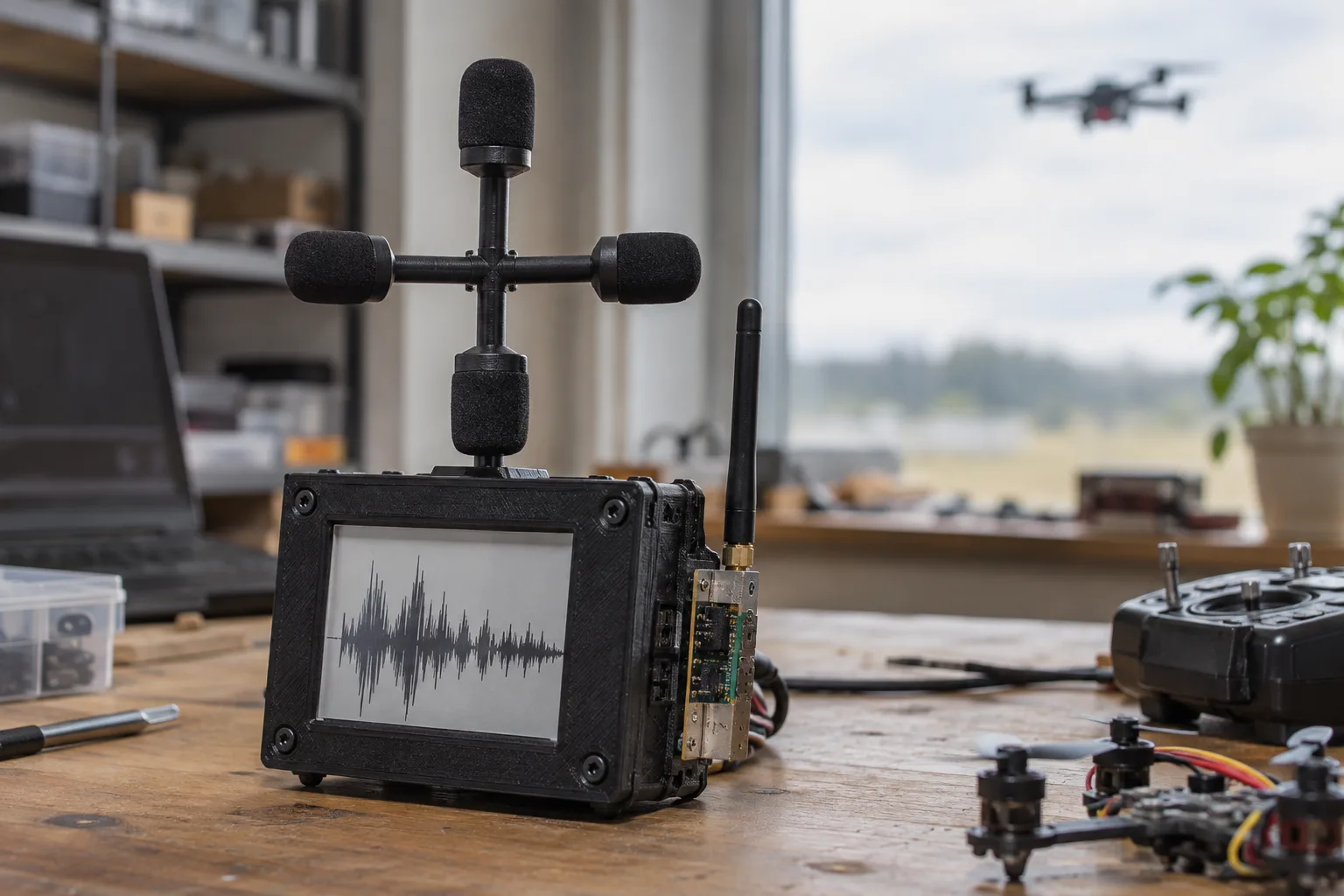
VolAnti Brings Open-Source Acoustic Detection to Fibre-Optic FPV Drones
VolAnti is a compact ESP32-S3 detector that listens for rotor harmonics instead of radio emissions. Its early test is promising, but the project is best understood as a transparent warning device—not a finished counter-drone system.
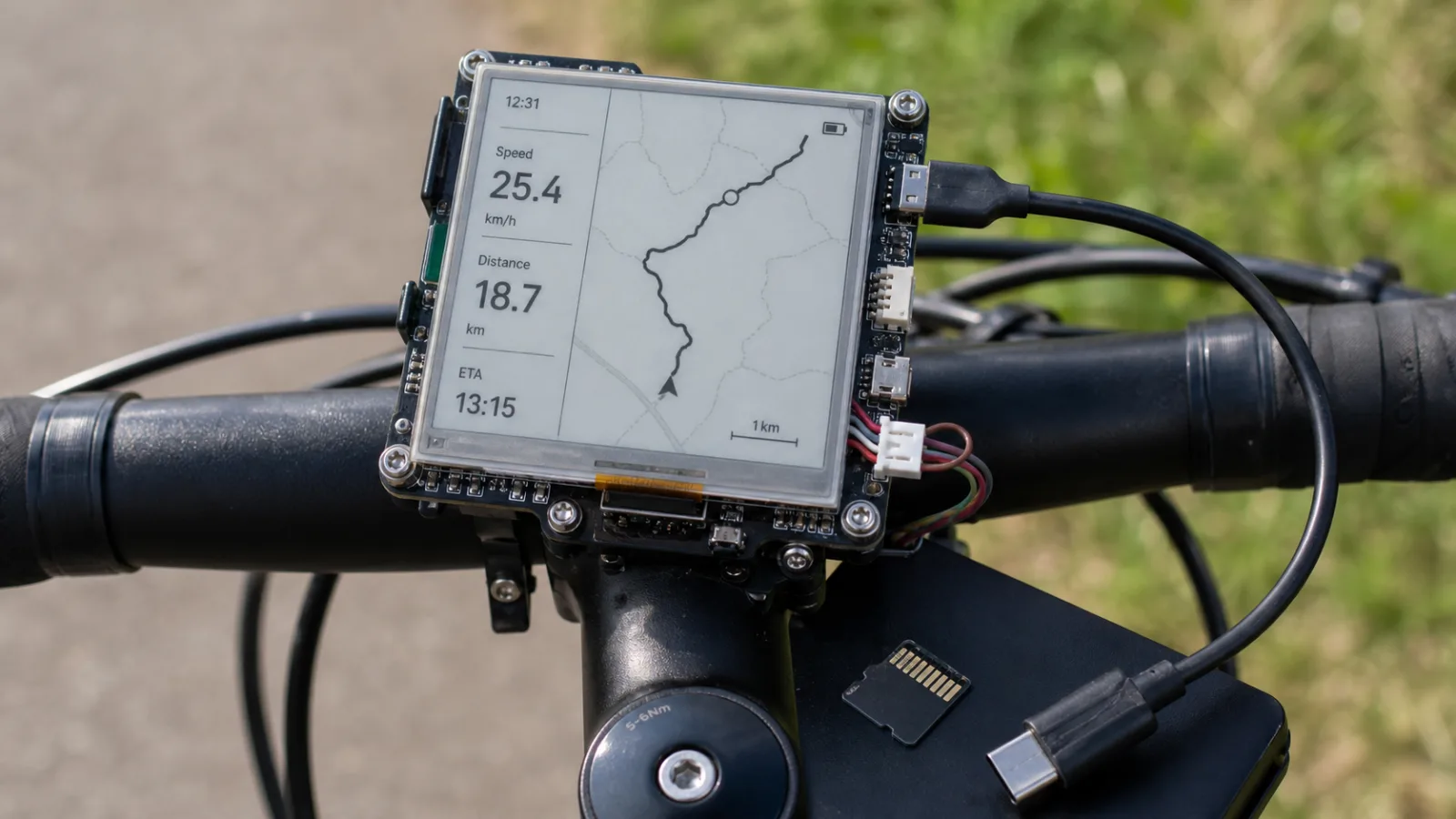
OpenTrailPaper turns a LilyGO e-paper board into an open bike computer
A young Apache-2.0 project combines offline maps, GPX navigation, FIT recording and BLE sensors on one e-paper board. It is ready for careful experimentation, not blind reliance.
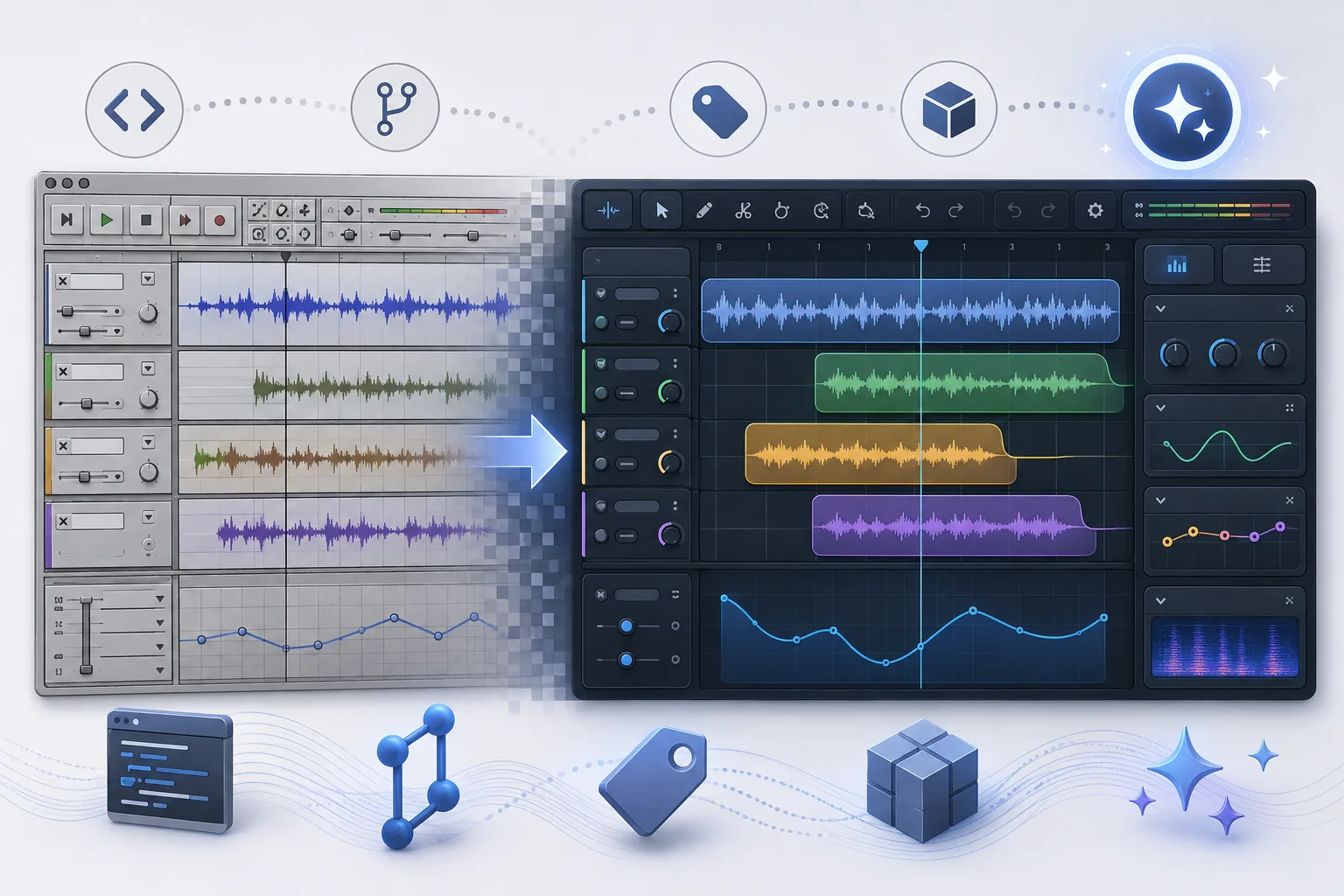
Audacity 4.0 is worth trying, but not as a blind upgrade
The open-source audio editor’s Qt rewrite, clip workflow and `.aup4` format make it a major desktop release — with migration and trust questions users should test first.
Slotstream makes a 104 GB local LLM a Mac SSD problem worth testing
The new MIT runtime streams Qwen3.8-Flash-Next experts from SSD, showing a clever path around memory limits — with speed, disk and license caveats.

California’s Linux exemption is a warning for open source, not just a win
AB 1856 appears to spare free operating systems from California’s age-assurance platform rules. The bigger lesson is that open-source projects now need a regulatory radar, not only good code review.

Open source needs a new spam filter for AI-generated pull requests
AI can help contributors, but it also makes low-effort PRs and security reports cheap. Maintainers need rules that protect attention without closing the door.

DeepSeek Harness puts the open-source agent runtime on the radar
DeepSeek’s new MIT-licensed Harness is not a polished coding assistant yet. Its real signal is a plugin-composable, traceable runtime for building AI agents.

Cursor Origin is a reminder that open source needs a forge plan, not just a GitHub account
Cursor’s new Origin code-hosting platform landed the same week GitHub explained a long outage. The useful question for maintainers is not whether one service replaces another tomorrow, but which parts of an open-source workflow must remain portable when the default forge fails or changes direction.
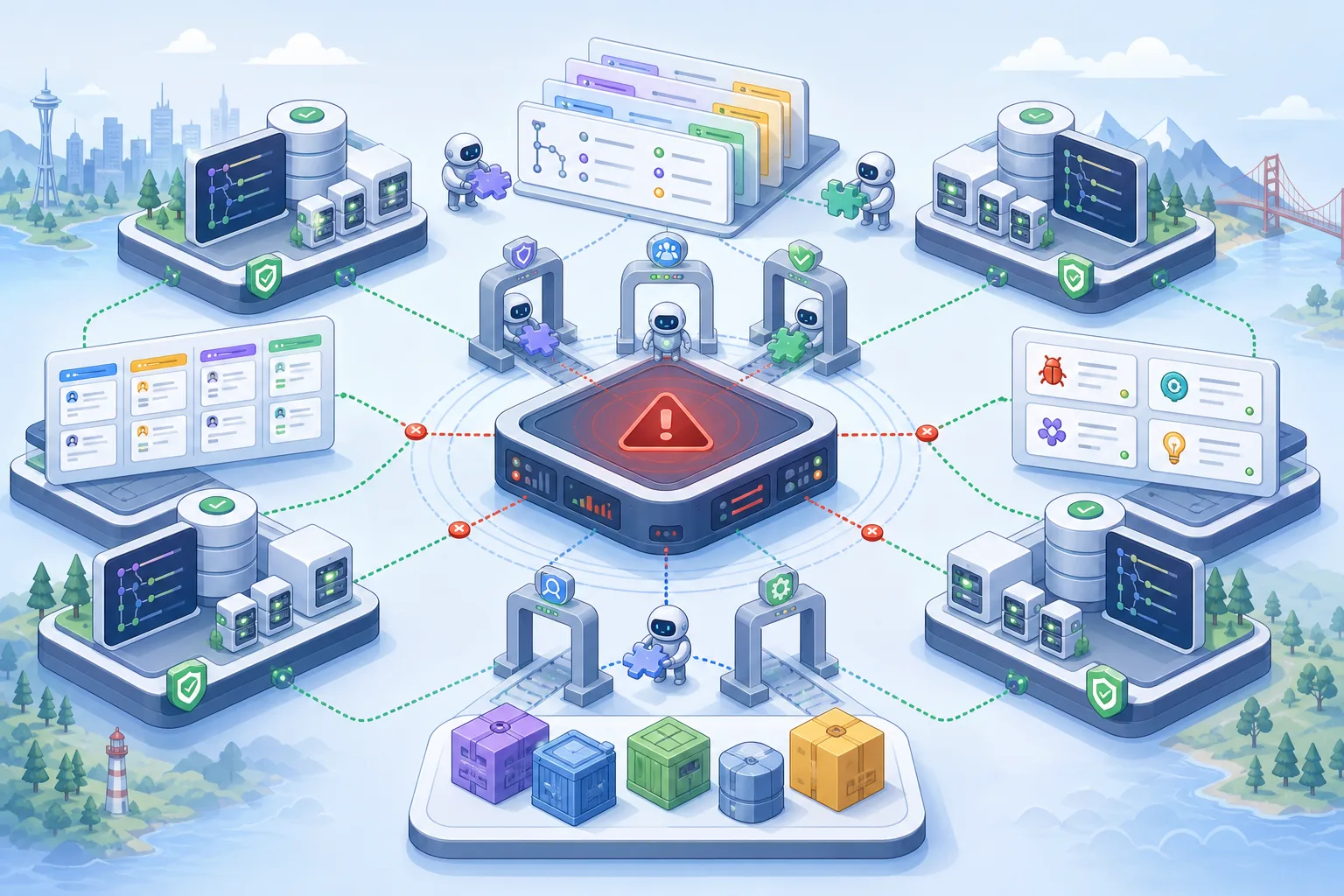
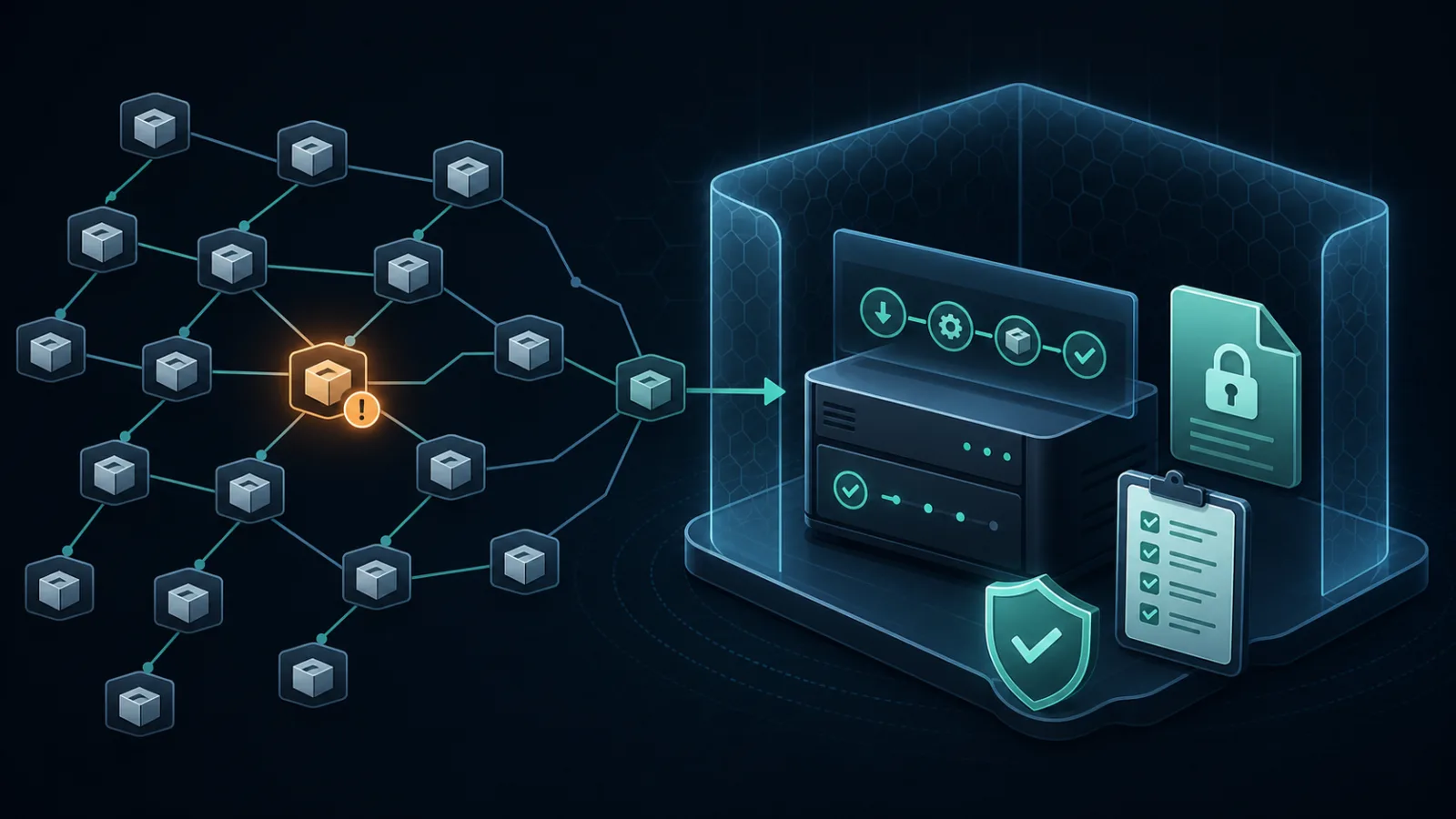
Rust’s arrayref incident is a warning about build-time trust in open source
The malicious arrayref release was online for less than two hours, but it exposed a deeper open-source problem: package managers often let dependency code run during builds, before teams have decided how much they trust it.