Rust arrayref 事件提醒开源社区重新审视构建时信任
恶意 arrayref 版本上线不到两小时,却暴露了更深层的问题:包管理器常常在团队决定信任程度之前,就在构建阶段执行依赖代码。

Rust arrayref 供应链攻击持续时间很短、范围也有限,但仍然重要。根据 Rust Security Response Team,与 arrayref、internment、append-only-vec 相关的恶意版本在 crates.io 上分别存在约 86、90、107 分钟后被移除。Rust 官方博客还说明,目前不认为 arrayref 的合法 maintainer 有恶意;更可能是机器或 credentials 被攻破。快速响应本身是好消息。
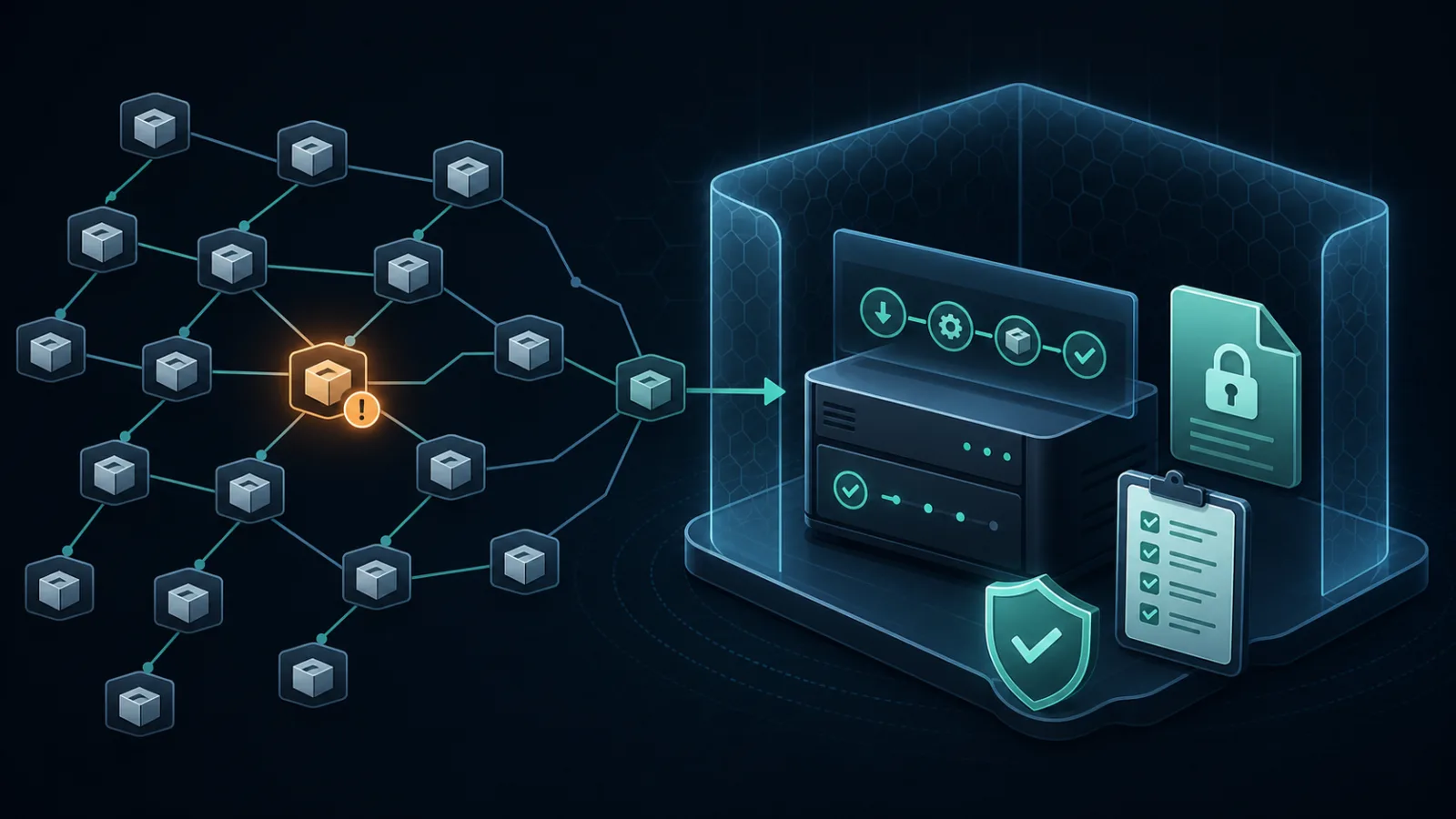
但这不是全部。这个事件值得 Open Source Radar 关注,因为它触到了现代 package managers 的核心问题:构建依赖时,哪些代码可以运行?在哪里运行?带着什么权限和凭据运行?Rust 不是 npm,crates.io 也不是混乱生态。但一个小而旧、平时没人注意的 dependency 仍然能成为 build-time execution path。
arrayref 不是热门框架。它的文档描述的是四个用于 array/slice 引用的 macros。正因为如此,案例才重要。供应链风险不一定来自醒目的新库,也可能来自多年安静存在于 transitive dependency graph 里的 tiny utility。
发生了什么
Rust blog 称,2026 年 8 月 20 日,团队验证了关于恶意 proc-macro1 的报告。[email protected] 在 07:15 UTC 发布,08:41:40 删除;[email protected] 在线时间为 07:34:07 到 09:04:11;[email protected] 为 07:37:49 到 09:25:24。
团队还删除了 attacker-owned crates:proc-macro1、proc-macro-en、aovine、arone、aronenao、tinymember。被恶意 yanked 的合法版本被恢复,受影响账号被锁定。GitHub Advisory Database 发布 GHSA-jwh4-228v-r358,确认 arrayref = 0.3.10 为 malicious code,且没有 patched version。
技术手法并不复杂。SafeDep 等分析称,[email protected] 新增了 typosquatted proc-macro1 依赖,这个名字很容易与合法 proc-macro2 混淆。恶意 crate reportedly copied genuine proc-macro2 source,让 build 看起来正常,同时 build script 被执行。
关键是 build script。Cargo build scripts 有正当用途:native libraries、code generation、platform detection、configuration。但这也意味着 dependency 可以在 build time 执行代码。如果它运行在带有 tokens、SSH keys、cloud credentials 或 package publishing rights 的开发机或 CI runner 上,即使暴露窗口很短也值得重视。
为什么两小时以内仍然重要
现代 CI 很快、自动化程度高,而且经常有 secrets。一次 dependency update、scheduled build、cargo update、container image rebuild 或 bot-managed version bump,都可能在窗口期运行代码。
报告还指出,旧版 arrayref 被 yanked,这可能让 malicious version 看起来像自然更新路径。也就是说,package metadata 和 registry behavior 本身就是 attack surface 的一部分。
谨慎结论是:不是所有使用 arrayref 的项目都被 compromised。但任何在窗口期构建 affected versions 的系统,都应在检查 logs、artifacts 和 credentials 前视为 potentially exposed。
Rust 做对了什么
响应快速且公开:删除恶意 crates、恢复合法版本、公布 timeline 和 affected versions、给出本地 cargo cache 检查方式、协调 RustSec 与 GitHub advisories、锁定账号,并避免在证据不足时指责合法 maintainer。
这对 open source 很重要。incident 不可避免;response quality 决定信任能否修复。registry 需要 takedown、yanking、security response path、public advisories,以及区分 maintainer compromise 与 maintainer malice 的清晰措辞。
Rust community 的讨论也很有价值。Hacker News 很快转向系统设计:sandboxing build scripts、build-script allowlists、registry anomaly detection、lockfile discipline、dependency culture、containerized development,以及是否应避免不必要 microcrates。
Cargo 的难题
Build scripts 不是错误。npm 有 postinstall,Python 有 build backends,native packages 有 configure scripts,Rust 有 build.rs。开源生态长期选择 convenience、portability 和 automation。攻击者看到的是:build systems often run earlier and with more privilege than teams realize。
问题不是是否允许 build scripts,而是每个新建或变化的 build script 是否应默认拥有完整访问权。一个多年无需 build-time code 的小 dependency,可以突然加入 build dependency。一个 crate 可以拉入 typosquatted package。build script 可以访问网络、读取 environment、触碰文件,而开发者常常没有清晰的 trust prompt。
Cargo 的 “Build script allowlist mode” issue 和 sandboxed build scripts project goal 表明社区早已意识到问题。arrayref 事件让它更紧迫。未来可能需要 layered defense:registry signals、allowlists、sandboxed build execution、dependency diffs that highlight new build scripts、CI network-deny modes,以及对 yanking 和 ownership changes 的更强审查。
现在应该检查什么
Rust teams 应检查 Cargo.lock、vendored dependencies、container build logs、artifact provenance 和 CI caches 中是否出现 [email protected]、[email protected]、[email protected],以及 advisory 中列出的 deleted attacker-owned crates。local cargo caches 也重要,因为 crate 可在 registry takedown 后继续存在。
然后检查 2026 年 8 月 20 日相关窗口内运行过的 CI jobs、self-hosted runners、developer workstations、release builders 和 image rebuilds。如果 affected build 接触过 secrets、package tokens、cloud credentials、signing keys 或 SSH material,应轮换可能暴露的凭据。
还要审查 build jobs 的 network egress。很多 build 在 dependencies fetched 后不需要广泛外网访问。ephemeral runners、egress policies、isolated containers 和 short-lived credentials 都能降低 build-time payload 的价值。
工具有用但有限。cargo audit 和 advisory databases 在恶意包被发现后有帮助;cargo deny 可执行 policy;cargo vet 可记录 human trust decisions;供应链 scanners 可更早发现可疑行为。但没有一个能替代 sandbox。
Maintainers 和 registries 的教训
Maintainers 应强化 publishing accounts:strong authentication、scoped tokens、least privilege、separate release machines,并监控 unexpected yanks、owner changes 和 releases。一个小 utility crate 如果被足够多项目 transitively 依赖,也可能是 critical infrastructure。
Registries 应把异常 lifecycle changes 当作 signals:多年安静的 crate 突然加入 build script、typosquatted dependency、suspicious yanking、network-reaching build behavior,都值得 friction。friction 不一定是阻止发布,也可以是 warnings、delayed propagation、maintainer confirmation、automated scanning 或更强 UI indicators。
Tool authors 也有机会:dependency diffs 不应只显示 source changes,还要显示 trust changes:new build scripts、proc macros、owners、native code、outbound network、yanked predecessors、模仿常见包名的新依赖。
不只是 Rust
与 npm postinstall attacks、PyPI typosquatting 和其他 registry compromises 对比是合理的,只要不变成 language tribalism。Rust 有 strong type safety 和严肃安全文化,但这些并不能消除 registry compromise、maintainer credential theft、malicious build scripts 或 package-name social engineering。
更广泛的开源教训是:source code review 已经不够。关键是 code when executes。只出现在 lockfile 的 dependency 与在应用启动前运行 build script 的 dependency,不是同一风险。运行在持有 release tokens 的 CI runner 上,则更加敏感。
值得尝试的做法
项目层面:认真 review Cargo.lock,使用 ephemeral runners,把 long-lived secrets 移出普通 build jobs,依赖下载后限制网络,记录哪些 crates 有 build scripts、哪些被批准运行。
关键软件可以尝试 cargo vet、cargo deny、RustSec/GitHub alerts,以及能观察 build-time behavior 的 scanners。Platform teams 应把 build isolation 放进路线图:containers 只是起点,microVMs、short-lived credentials、secretless build stages、isolated builds 后再 signing、egress monitoring 都能降低风险。
Open Source Radar 的信号很清楚:这不只是一个 crate 被攻破,而是对 registries、lockfiles、advisories、CI 和 package managers 的压力测试。Reuse 仍然是 open source 的强项,但它需要把 build-time code 当作真正代码的 trust model。
Related articles
Rust 的 Move 目标:为什么不可移动类型值得关注
Rust 已接受的 2026–2027 目标,尝试把不可移动性和 destructor 保证明确放进类型系统。
Woxi:用 Rust 重做 Wolfram Language,并开始触及真实 notebook 的开源项目
Woxi 把 Wolfram Language 兼容、Rust、浏览器运行、Jupyter 和 Woxi Studio 放在一起;它值得试用,但还不能被当作 Mathematica 的完整替代品。

Rust-rewrite Bun — это не просто спор Rust против Zig
Bun превратил миллионнострочную миграцию в публичный тест AI-assisted open-source engineering. Главный урок — не язык, а тесты, CI и ответственность maintainers.
Rust’s Move Goal: Why Immobile Types Matter for Open Source
Rust’s accepted 2026–2027 goal is an early but important attempt to make immovability and destructor guarantees explicit in the type system.
Comments
Sign in to comment.
No comments yet.