uv 0.11.22 Shows Where Python Tooling Is Heading
The most useful open-source releases are often the quiet ones. Astral’s uv 0.11.22, published on June 18, is not a reinvention of Python packaging; it is a maintenance release with exactly the kind of details that show a project becoming infrastructure.

The most useful open-source releases are often the quiet ones. Astral’s uv 0.11.22, published on June 18, is not a reinvention of Python packaging; it is a maintenance release with exactly the kind of details that show a project becoming infrastructure.
Why this small release is worth watching
uv is already large enough to matter: the GitHub repository lists more than 86,000 stars, and its latest release notes describe targeted fixes and workflow improvements rather than a marketing reset. The notable changes include publishing wheels before source distributions in uv publish, environment variables for selecting binaries used by uv format and uv check, and preview-feature configuration in uv.toml and pyproject.toml.
That combination is a signal. A package manager grows up when it stops being only fast and starts being predictable inside CI, release automation, and team policy.
The developer workflow angle
For individual developers, the speed story remains attractive. For teams, the more important question is whether the tool can be controlled, audited, pinned, and introduced without surprising every project. Configuration for preview features is especially relevant: experimental behavior belongs in versioned project files, not in tribal knowledge or one maintainer’s laptop.
The wheel-before-sdist change is also practical. Many modern Python deployments prefer wheels because they avoid local build surprises. Making that path smoother helps release pipelines feel less like a collection of exceptions.
Health, not hype
The healthier reading is not “everyone must migrate tomorrow.” It is that Python’s tooling layer is consolidating around faster, more integrated workflows while still needing conservative adoption. uv sits alongside pip, virtualenv, Poetry, Hatch, Ruff and other tools rather than magically replacing every habit.
A sensible team test is narrow: try uv on one internal service, compare lockfile behavior, CI time, publishing steps, cache strategy and rollback path. If the result is clearer and faster, expand. If it creates opaque coupling, wait.
The takeaway
The release matters because it improves boring edges. Open source becomes dependable through boring edges: release order, config files, diagnostics, compatibility and repeatable automation. uv 0.11.22 is a reminder that developer productivity is not only about a faster command. It is about fewer places where the build can surprise you.
Related articles

The Skin-Barrier Reset Is Trending: How to Build a Useful Budget Routine Without Buying Every Repair Product
Barrier care is having a moment, but the most useful version is less glamorous: a gentle cleanser, a well-chosen moisturizer, sensible sunscreen and fewer experiments. Here is how to read the labels, compare prices and know when a viral repair claim is doing too much work.


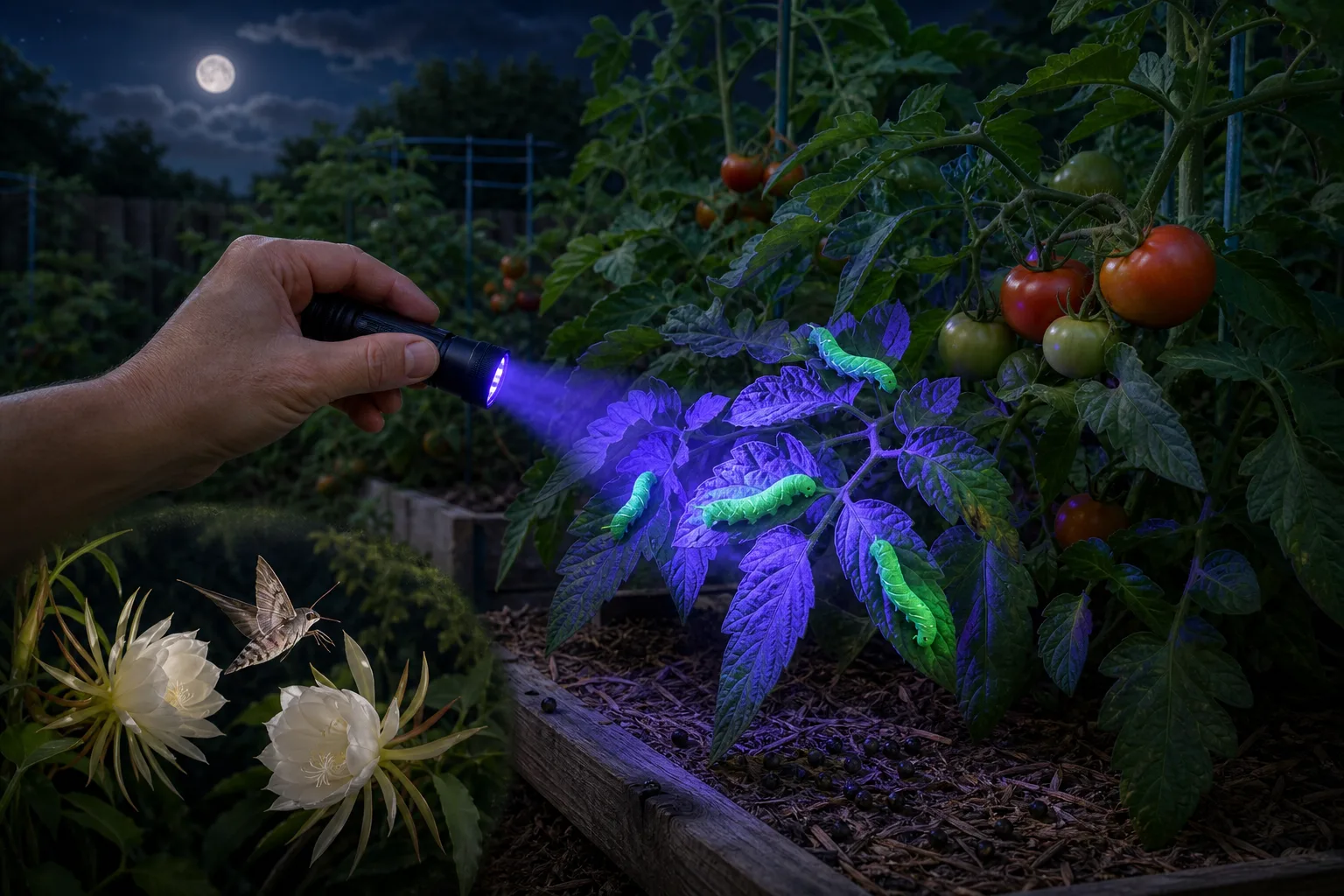
Tomato hornworms, UV flashlights and the garden pest you may not want to spray
A practical mid-summer guide to spotting hornworms, reading braconid wasp cocoons, and choosing between handpicking, relocation and targeted control.
Sunscreen over makeup on a budget: what to reapply, what to skip, and why SPF powder is not enough
A practical format-by-format guide to sunscreen touch-ups that protects the budget as well as the makeup bag.

La remise à zéro de la barrière cutanée est tendance : construire une routine utile sans acheter tous les soins réparateurs
La barrière cutanée est au centre des tendances beauté, mais sa version la plus utile reste peu spectaculaire : nettoyant doux, hydratant bien choisi, protection solaire régulière et moins d’expériences. Voici comment lire les étiquettes et maîtriser son budget.
Comments
Sign in to comment.
No comments yet.