SmartThings API становится платным. Проверьте умный дом до октября
Samsung говорит, что обычное приложение SmartThings не меняется, но пользователям Home Assistant и custom automations стоит заранее проверить cloud-dependent devices.
Изменение SmartThings API не означает, что умный дом Samsung нужно срочно выбрасывать. Но это хороший повод открыть список устройств и понять, что в вашем доме зависит от чужого облака.
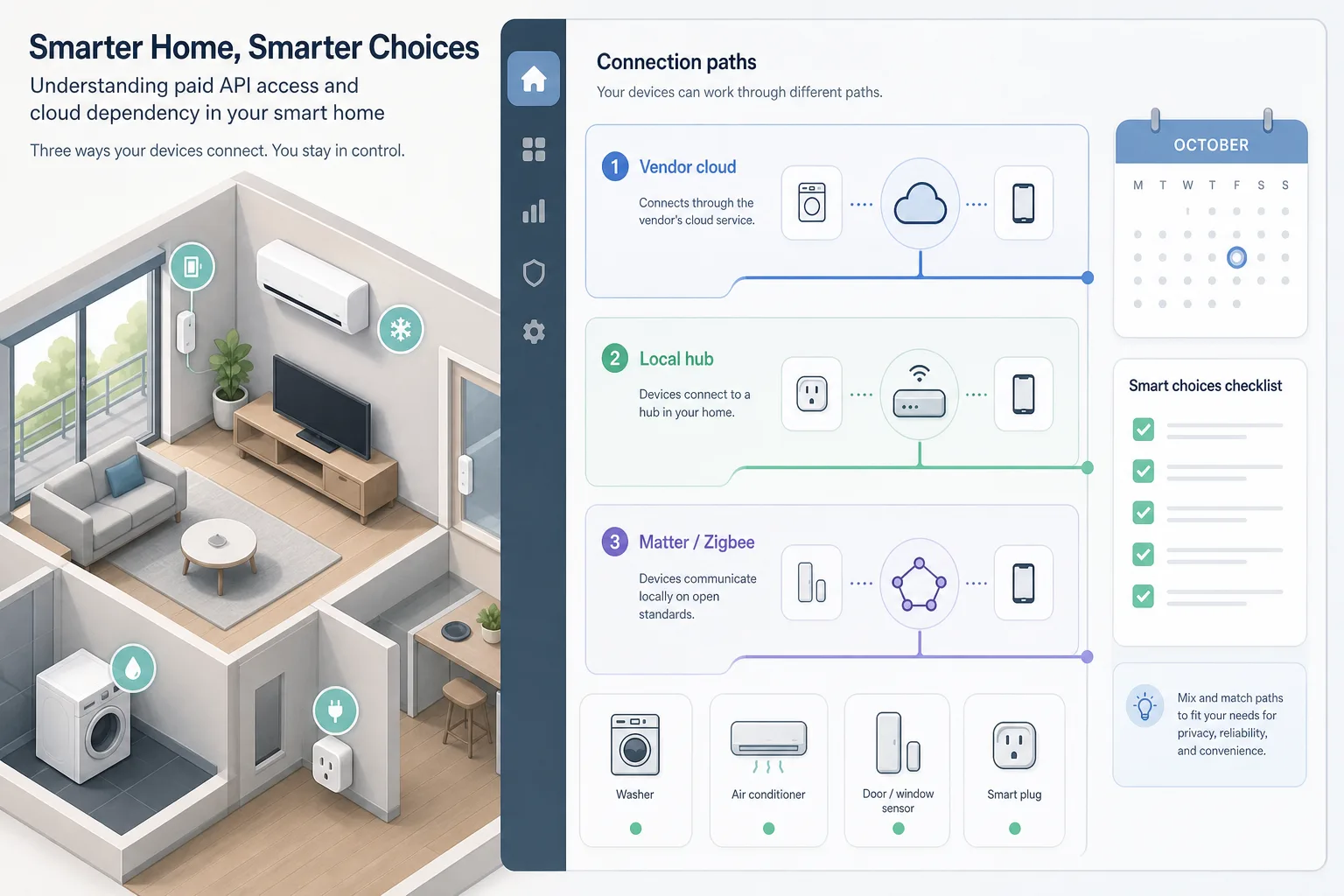
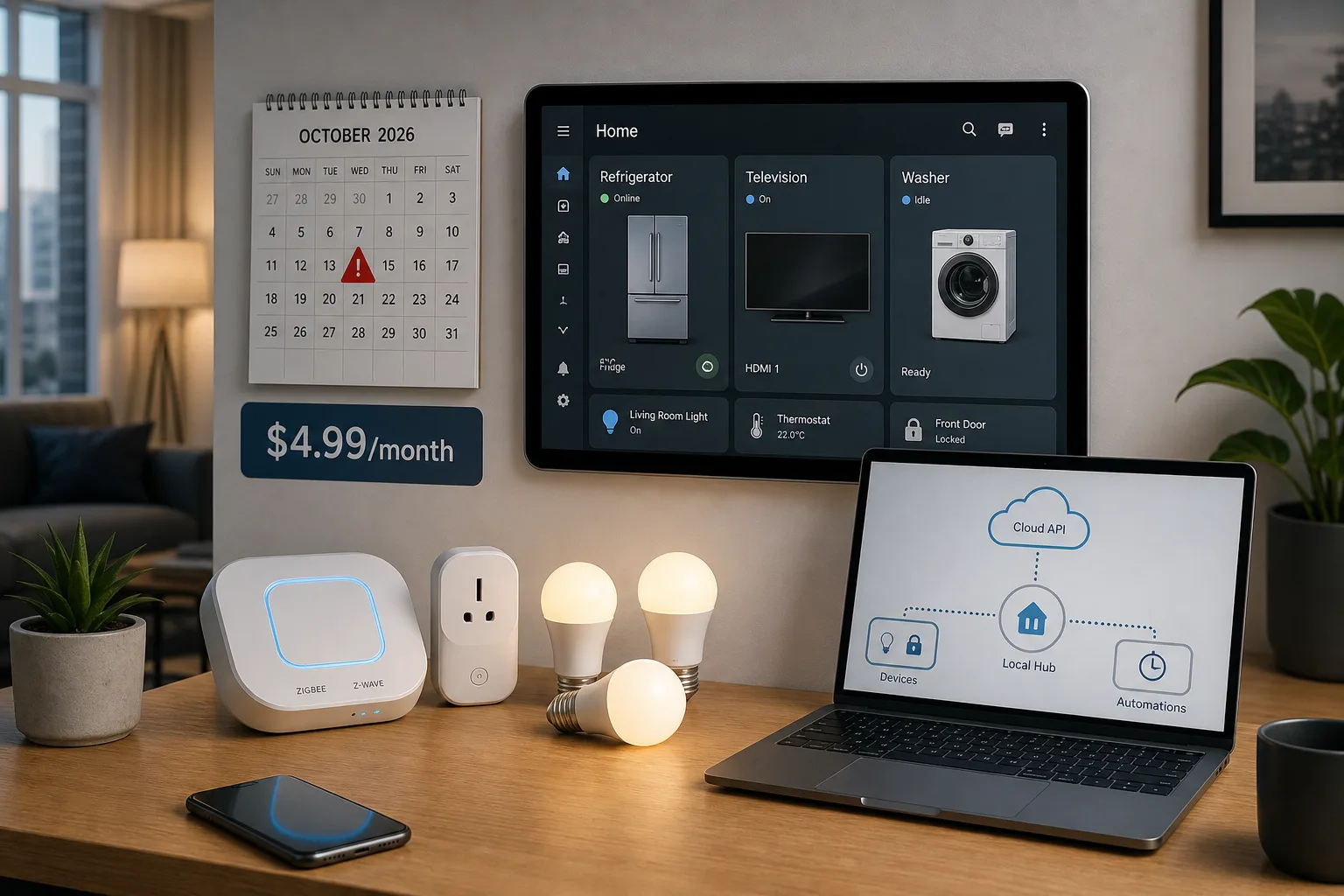
23 июня SmartThings объявила, что введёт платные commercial API tiers и план за $4.99 в месяц для non-commercial individual developers. Бесплатный доступ остаётся до конца третьего квартала, а новые лимиты и отказ от бесплатного API-доступа намечены на октябрь 2026.
Samsung отдельно говорит, что обычных пользователей SmartThings App это не касается. Если вы просто открываете приложение, чтобы проверить стиральную машину, кондиционер, розетку или телевизор, announcement не говорит, что это внезапно перестанет работать.
Внимательно смотреть нужно тем, кто использует SmartThings как часть более широкой системы: Home Assistant, custom dashboards, scripts, smartwatch controls, rental-property tools, energy dashboards, SharpTools-like services и любые интеграции, которые ходят в SmartThings через API.
Что именно меняется
SmartThings API — это дверь, через которую third-party apps and platforms подключаются к devices and locations inside SmartThings ecosystem. Samsung пишет, что commercial partners use it for short-term rentals, energy management, API aggregators and custom dashboards. Personal developers use it for their own smart homes.
Новая модель отделяет API use from ordinary app use. Commercial users get paid tiers. Individual non-commercial developers are expected to get a $4.99/month personal plan. Samsung объясняет это platform stability, optimized integrations, expanded capabilities and better developer tools.
Но часть деталей всё ещё не ясна: per account или per app, per API project или per location, какие будут limits and quotas, что случится с existing personal access tokens and older integrations. Именно поэтому smart-home communities reacted strongly.
Почему Home Assistant users заметили первыми
Home Assistant SmartThings integration docs уже содержат warning. Там сказано, что free access to SmartThings API will be phased out starting October 2026, а после этого потребуется paid Personal Plan subscription за $4.99/month. Users should subscribe or migrate devices to avoid disruption.
Это не значит, что every Home Assistant user owes Samsung money. Это значит, что люди using SmartThings integration path должны проверить setup. Если Zigbee sensors paired directly to Home Assistant through a local coordinator, это не про них. Если washer, air conditioner, lock, sensor or SmartThings hub-connected device appears in Home Assistant through SmartThings cloud, это стоит проверить.
Home Assistant docs show why it matters: integration maps SmartThings capabilities into entities such as sensors, climate devices, locks, switches, vacuums, water heaters and more. Для некоторых домов SmartThings — не просто tile on dashboard, а путь, по которому automations see device state and events.
Почему люди недовольны
SmartThings Community thread быстро наполнился практическими вопросами: Rules API, CLI, personal access tokens, smartwatch apps, Home Assistant, SharpTools and other integrations. Some users wanted more local control, not another cloud price point. Один комментатор пошутил про HTTP 402: Payment Required.
Есть и честный контраргумент: cloud infrastructure is not free. Samsung runs servers, APIs, authentication, event delivery and developer tooling. Commercial services using SmartThings at scale should expect costs.
Но конфликт не в том, что сервисы вообще стоят денег. Конфликт в том, что пользователь купил физическое устройство, а полезный automation path between that device and the rest of the home can later get a billing policy.
И это главный урок: price of smart-home device is no longer the full cost. API policy is part of the product.
Кого это, вероятно, не касается
Если вы пользуетесь только SmartThings app, Samsung says this change does not affect you.
Если ваш local smart-home setup talks directly to devices through Zigbee, Z-Wave, Matter, Thread, MQTT, ESPHome or local vendor API, SmartThings API pricing may be irrelevant for those devices.
Если у вас несколько Samsung appliances and you only check them inside vendor app, you may not need to do anything before October. Still, worth knowing whether API access is hidden somewhere in your setup.
Кому нужно провести audit до октября
Начните с Home Assistant users who installed SmartThings integration. Откройте integration и перечислите entities it creates. Group them by device: washer, dryer, fridge, air conditioner, TV, sensor, lock, plug, thermostat, robot vacuum, water heater.
Для каждого устройства спросите: если SmartThings API stopped working tomorrow, what would I lose?
Для стиральной машины это могут быть status notifications. Неприятно, но не критично. Для кондиционера — climate control in automations. Для lock or leak sensor impact может быть заметнее. Для rental dashboard or small property management даже $4.99 может быть не главной проблемой; важнее reliability and operational planning.
Проверьте custom scripts too: Node-RED flows, phone shortcuts, smartwatch controls, cron jobs, tiny apps written years ago.
Какие есть варианты
Pay for the personal plan, если ценность есть. Five dollars a month is not outrageous if SmartThings is central to your home. Главное — выбрать это сознательно, а не узнать об этом в октябре после сломанной automation.
Leave some devices in SmartThings app only. Для appliances that are nice to monitor but not central to automations, vendor app may be enough.
Move Zigbee and Z-Wave devices to a local coordinator where practical. Sensors, plugs and buttons paired to SmartThings hub may be candidates for ZHA, Zigbee2MQTT or Z-Wave JS. Но migration takes work and can break existing routines, so do not do it blindly.
Use Matter where it helps. Matter can reduce dependence on one vendor cloud for supported device classes. But Matter does not magically expose every feature of washer, TV or refrigerator.
Prefer local APIs for critical automations. Heating, access, leak response and other noticeable functions should not depend only on cloud if you can avoid it.
Replace slowly, not angrily. Mark cloud-dependent devices, decide what is worth paying for, and make local control a requirement for future purchases.
Что Matter решает, а что нет
Matter is useful because it gives supported devices a common local language. Home Assistant's June Matter upgrade moved its Matter server to matter.js, added better diagnostics and pushed local/open direction forward.
Но Matter helps only when device category and implementation expose what you need. A simple sensor or smart plug is more likely to migrate cleanly than a complex appliance with vendor-specific modes and diagnostics.
Simple rule: use Matter, Zigbee, Z-Wave or local APIs when they fit. Do not assume a logo on a box means every feature will appear locally in your dashboard.
Checklist before buying the next device
Ask how the device behaves without cloud. Can it still do the basic job? Can it be controlled locally? Does it expose standard protocols or only a vendor account?
Check integration path. "Works with SmartThings" is not the same as "works locally with your automation system." Find out whether Home Assistant support is direct, cloud-based or subscription-dependent.
Look for protocol choices: Zigbee, Z-Wave, Thread/Matter, MQTT, documented local APIs.
Read community threads before buying. Search exact model name plus Home Assistant, local control, Matter, Zigbee2MQTT or API.
Think about criticality. Cloud-only washer notification is one thing. Cloud-only heating or leak-prevention setup is another.
Watch subscription history. If vendor has already changed API access, blocked integrations or moved features behind subscriptions, assume it may happen again.
Спокойный вывод
Samsung не сказала, что SmartThings app becomes paid for ordinary users. Immediate risk is narrower: API-based integrations are moving toward a paid model, with October 2026 target.
Но этого достаточно для home audit. Smart-home reliability is not only Wi-Fi range and batteries. It is also cloud terms, API access and whether automations have another path when vendor changes rules.
Before October, list SmartThings-dependent devices, decide what is worth paying for, migrate what can reasonably go local, and ask before the next purchase: am I buying a device, or renting the integration that makes it useful?
Related articles
Умный дом по подписке: почему владельцы SmartThings боятся за Home Assistant
Samsung говорит, что обычных пользователей приложения это не касается. Но владельцы Home Assistant, дашбордов, скриптов и техники Samsung видят риск в платном SmartThings API.
Когда кондиционер зависит от облака: урок LG ThinQ для умного дома
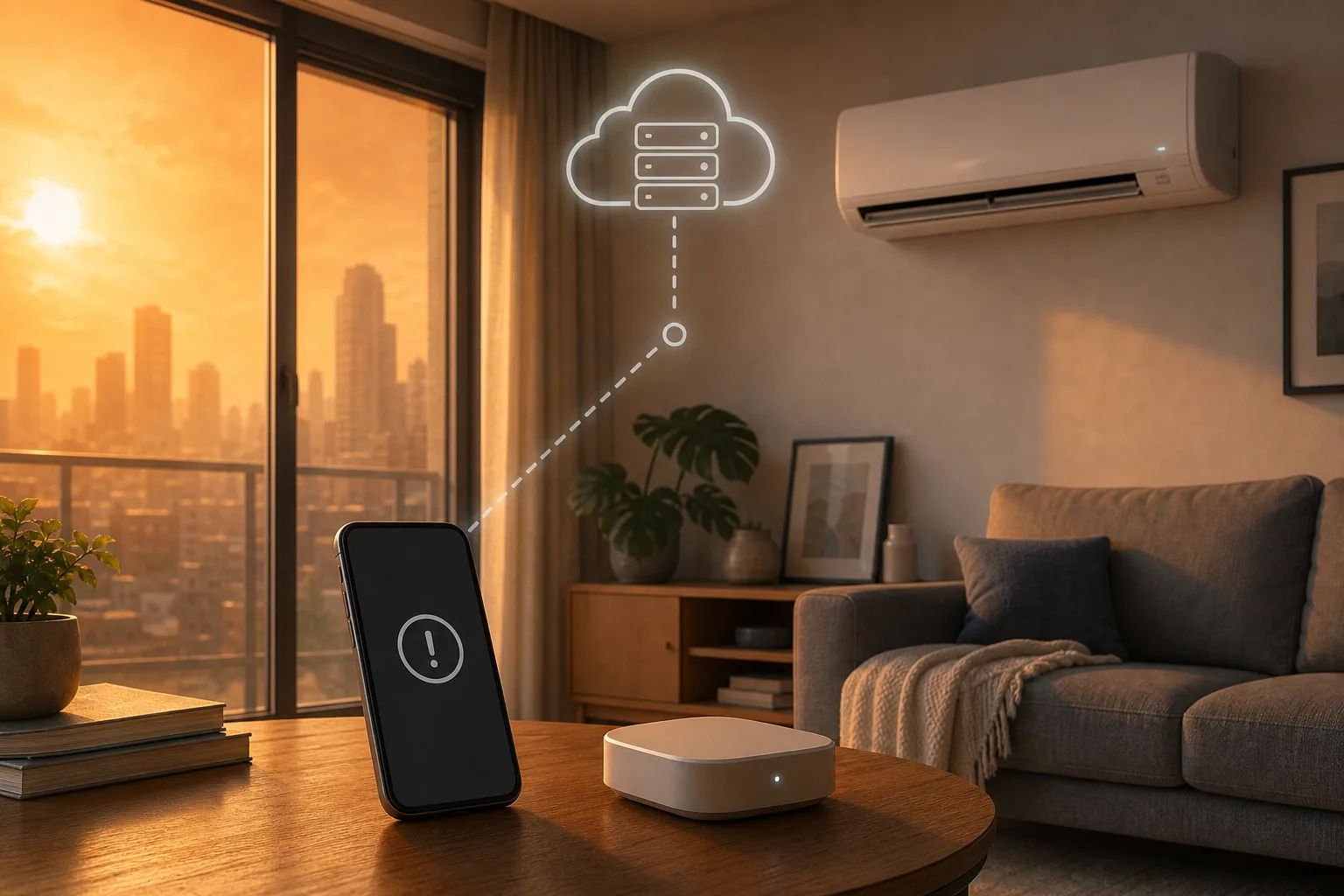
Сбой LG ThinQ во время жары показывает, почему климат, вода и безопасность в умном доме должны иметь локальный или ручной запасной путь.
Shelly Wall Display как контроллер Matter: полезное обновление, но не замена хабу для любого дома
Обновление Shelly Wall Display до версии 2.8.0 добавляет роли контроллера и устройства Matter. Для управления комнатой это удобно, но Thread, проводка и ограничения платформ всё ещё требуют отдельного плана.
Не стройте умный дом на одной облачной колонке
Новые проблемы Google Home напоминают: голос удобен, но важные сценарии дома должны иметь локальную логику и физический запасной путь.
Comments
Sign in to comment.
No comments yet.