A GitHub admin token in camera firmware is a supply-chain warning, not a reason to panic
A reported Hanwha camera firmware leak shows why IP cameras need the same secret scanning, token hygiene and network isolation as software systems.

A security camera is supposed to reduce risk. That is why this story landed so hard with security engineers: a researcher says a Hanwha Vision/Wisenet camera firmware image contained a GitHub token inside the files used by its web login interface.
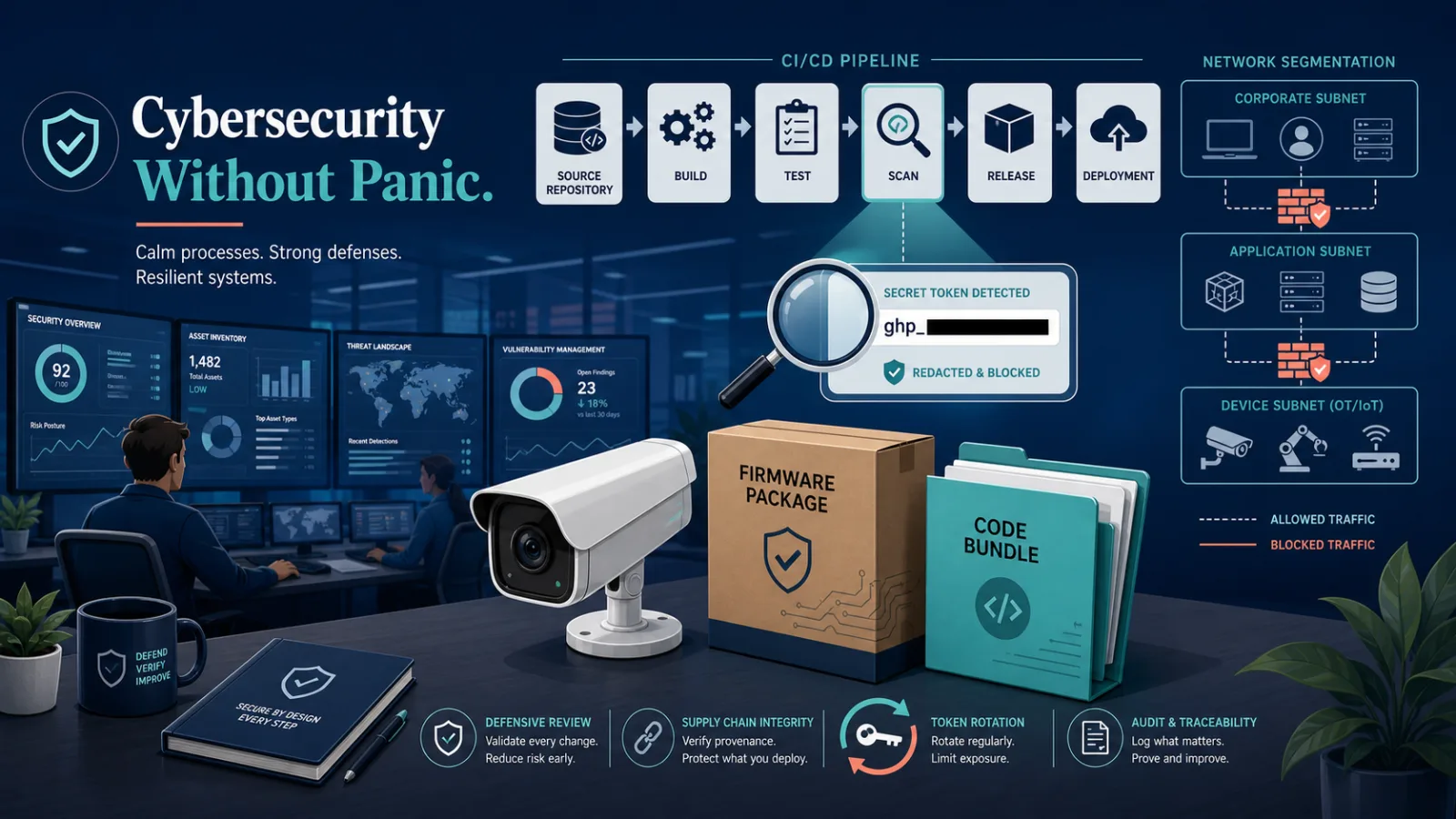
The useful reading is not "all cameras are compromised". The token was reportedly revoked quickly, and the public sources checked for this article do not prove mass exploitation. The useful reading is narrower and more practical: an embedded device can ship with the same software supply chain mistakes we expect from web apps, except the mistake is then copied into firmware images that customers install and forget.
The original post, published on July 24, describes a researcher downloading Hanwha firmware, extracting the filesystem and running a secret scanner. The author says TruffleHog found a GitHub credential duplicated in roughly 30 files. They say the token had admin privileges to hundreds of repositories in Hanwha's GitHub organization. They also say they disclosed enough detail to Hanwha and got a response within 12 hours that the token had been revoked.
Those are strong claims, but they are still claims from the researcher. I could not find an official Hanwha advisory confirming the exact affected models, firmware versions or repository permissions. Hanwha's own site does confirm the broader context: the company sells network cameras, video management and AI-driven security products for sensitive environments such as airports, banking, data centers, city surveillance, government, healthcare, transportation and utilities. That is why a build secret in camera firmware is not just an embarrassing developer mistake.
The mechanism matters. The post points to a camera web UI built with Vite and says a variable appears to have captured the CI job environment into client-side files. Vite's own documentation is clear that variables with the VITE_ prefix are exposed in client-side source after bundling, while other environment variables are not supposed to be exposed through that normal path. So the lesson is not "Vite leaks secrets". The lesson is to treat every build system, prefix rule and environment injection as part of the security boundary.
Firmware makes the boundary harder to see. A browser bundle on a public website can be fixed and redeployed. A camera firmware image may sit on a vendor download page, get mirrored by distributors, land in an NVR maintenance workflow and remain on devices for years. If a token with broad repository access is baked into that image, revocation fixes the immediate credential problem, but it does not explain why the build allowed a broad secret to reach the artifact.
The obvious damage from a GitHub token is source-code access. Depending on scopes, repository permissions and organization settings, a token might read private code, push changes, change releases, access packages, inspect actions variables or touch automation. GitHub's own guidance is blunt: treat personal access tokens like passwords, rotate exposed credentials immediately and prefer scoped access. Secret scanning helps when a token appears in a repository GitHub can scan. It may not save you if a CI secret is copied into a firmware artifact that never gets pushed back to GitHub.
For buyers and operators of IP cameras, the immediate response should be calm. First, inventory the models and firmware versions you run. Check the vendor's advisories and firmware downloads. Apply updates through your normal change process. If the vendor has not published a statement, ask support whether your model line was affected and whether any embedded credentials were rotated or removed.
Second, assume cameras are small vendor-managed computers, not passive appliances. Put them on a dedicated VLAN or isolated network. Block direct internet access unless a specific function truly requires it. Prefer an NVR or management server that talks to cameras locally through standards such as ONVIF or RTSP. Remote viewing should go through a controlled path, not a camera quietly reaching whatever cloud endpoints it wants.
Third, rotate what you control. Change camera admin passwords, disable default accounts, restrict management interfaces to admin networks and review outbound traffic. If a camera needs DNS and HTTPS to the vendor for updates, document that. If it tries to talk to unexpected networks, treat that as a finding worth investigating, not as background noise.
Procurement teams should ask different questions too. A data sheet tells you resolution, night vision and lens options. It does not tell you whether the vendor scans firmware artifacts for secrets before release, whether production builds use allowlisted environment variables, whether tokens are short-lived, whether repository credentials are fine-grained, whether releases are signed, or how fast the vendor responds to vulnerability disclosure.
Vendors need a boring control pipeline. Scan the source tree, the built web bundle, the unpacked firmware root filesystem and the final release archive. Fail the build if a token, private key, webhook secret or internal credential appears. Use least-privilege credentials for CI, short lifetimes where possible and separate credentials for package publishing, repository access and deployment. Do not give a frontend build job an organization-wide token because it is convenient.
There is also a disclosure lesson here. The researcher says Hanwha responded within 12 hours and revoked the token. That part is good. Fast revocation does not erase the build failure, but it does show why a visible security contact and a practiced response process matter. The worst version of this incident would be a valid token, no clear reporting channel and weeks of silence.
The Hacker News thread around the post, which had about 640 points and 230 comments at the time checked, drifted quickly into practical defenses: ONVIF setups, VLANs, blocked WAN access, open firmware projects, self-hosted NVRs and whether security cameras should be treated as untrusted endpoints. That is the right level of anxiety. Not panic. Architecture.
The broader lesson is simple enough to act on. A "security product" is still a software product. Its firmware is a release artifact. Its web UI is a client bundle. Its update system is part of your supply chain. If any of those pieces can carry a secret from CI into customer hands, the camera has become a bridge between your physical security program and someone else's software build mistake.
For security teams, the clean internal action item is to add firmware and appliance software to the same review loop used for cloud services. If you buy the device, record who can update it, what network it needs, how long the vendor supports it and where vulnerability notices appear. If you build the device, treat the release image as evidence: unpack it in CI, search it, check permissions and keep the result attached to the release record.
For home and small business users, the checklist is shorter. Do not expose camera admin panels to the internet. Keep firmware current. Put cameras on a guest or IoT network when your router supports it. Use unique passwords. If you rely on vendor cloud access, understand that convenience is part of the risk tradeoff. None of this requires panic or advanced reverse engineering.
This incident is useful precisely because it appears to have been found and reported before becoming a confirmed public breach. The goal now is to make this class of bug routine to catch: secret scanning after build, tighter CI scopes, isolated device networks and procurement questions that reach past the glossy brochure.
Related articles
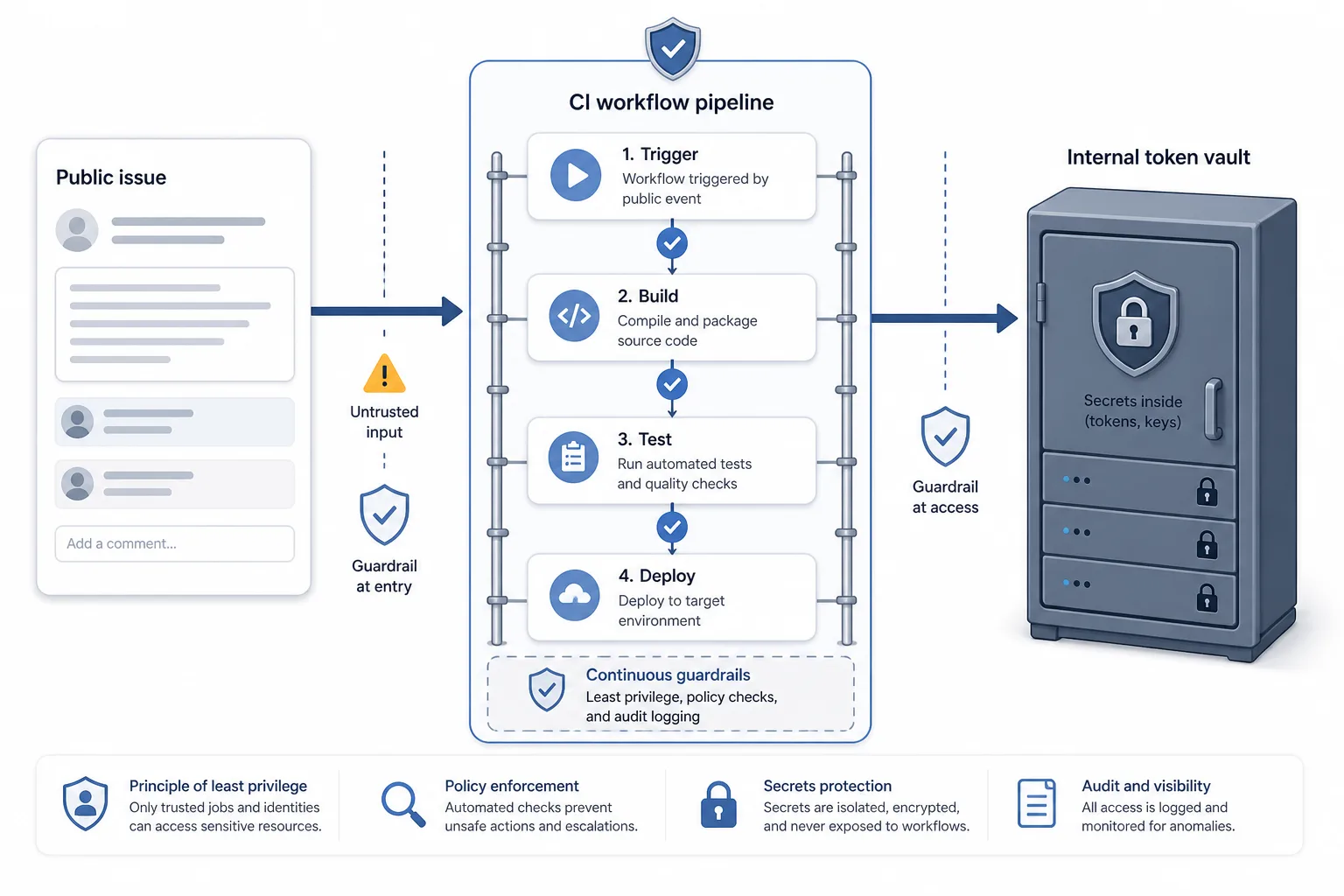
Snowflake’s GitHub Actions lesson: when a public issue becomes CI/CD input
Wiz’s Red Agent case is not evidence of a Snowflake customer breach. It is a calm warning that public repository events, workflow glue code and long-lived internal tokens need production-grade controls.

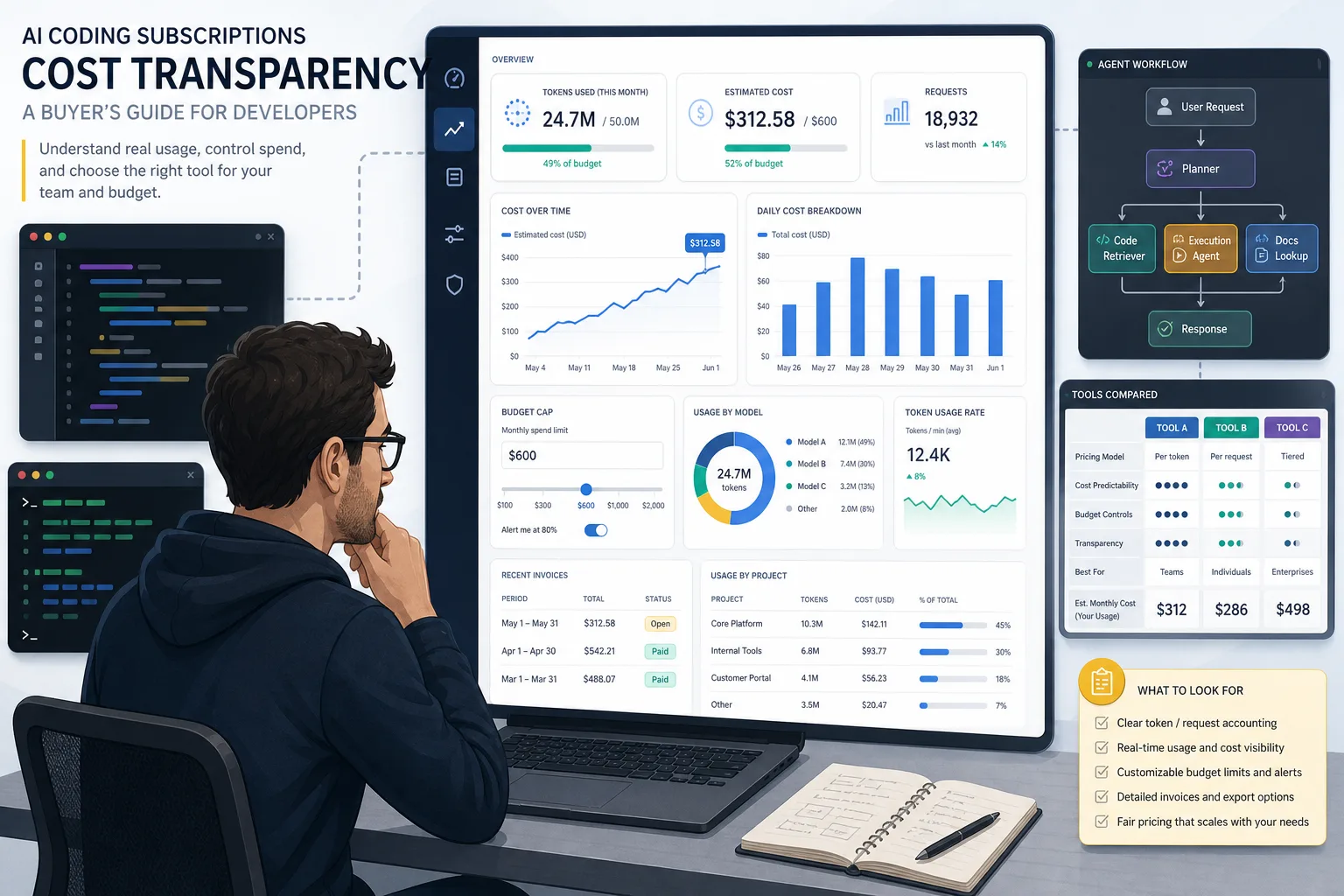
Should you buy Cursor after the cost-visibility backlash? Only if you can measure it
Cursor remains useful, but the latest Usage page controversy shows why AI coding subscriptions need buyer-grade cost controls before a team rolls them out.

AI coding agents need capacity planning, not surprise quota resets
Codex and Claude Code are becoming engineering infrastructure, but context cuts, 5-hour windows and random resets make teams rethink how they budget and schedule AI-assisted work.

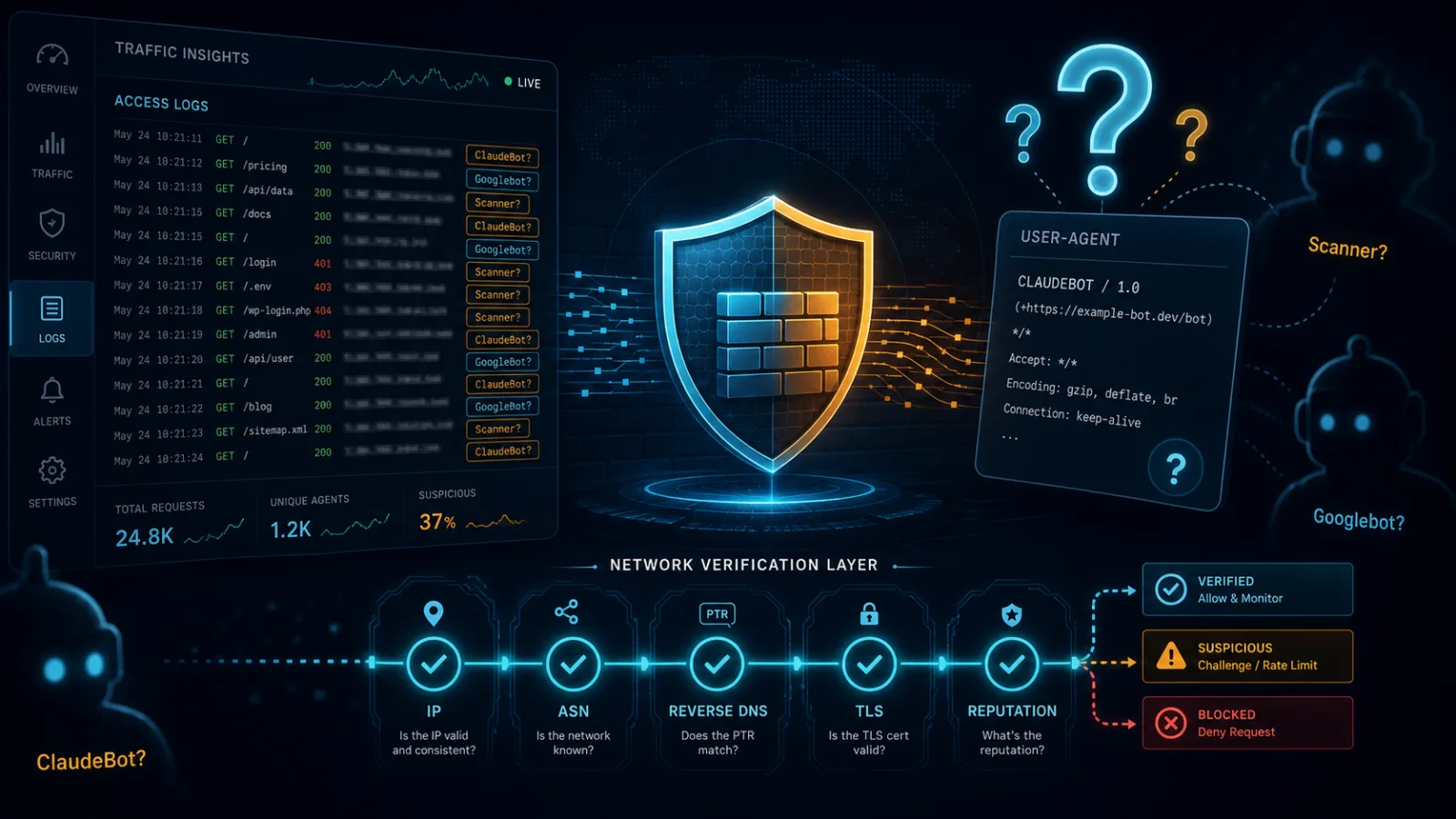
AI crawlers can no longer be trusted by name
Spoofed crawler names turn AI traffic governance into a security, analytics and operations problem for sites and SaaS teams.
Comments
Sign in to comment.
No comments yet.